

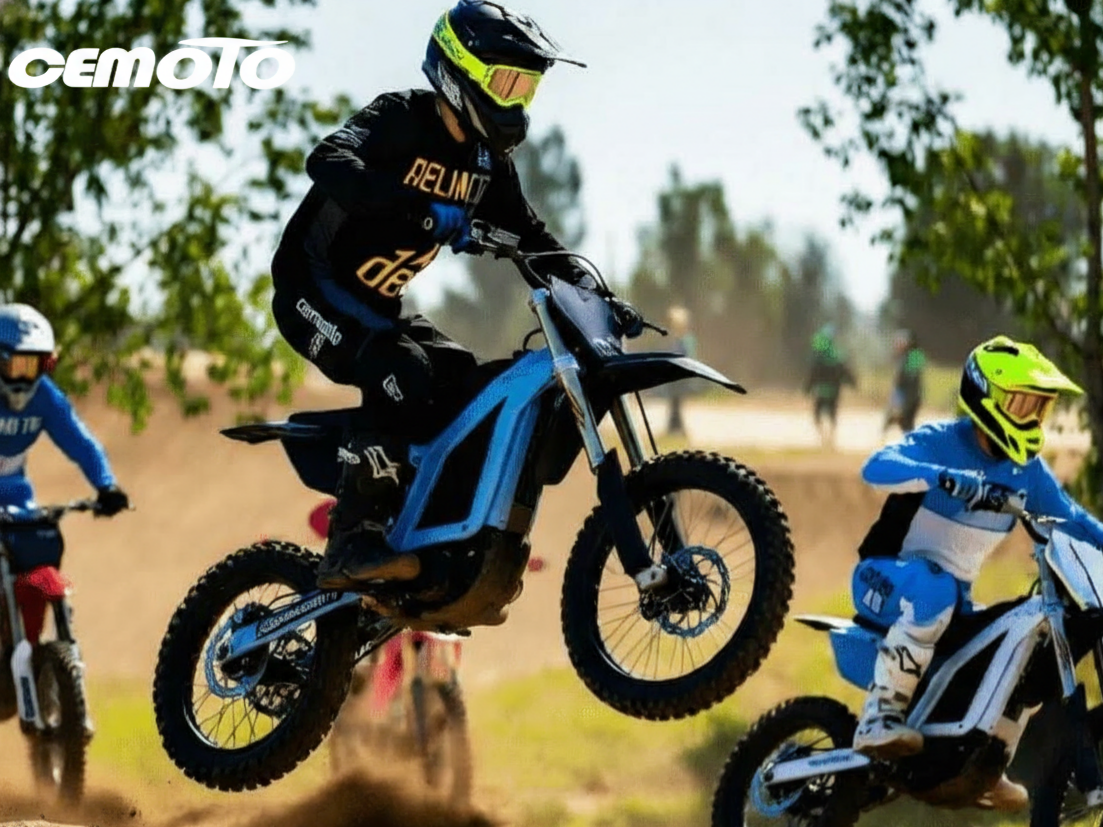
Electric dirt bikes have transformed off-road riding for young enthusiasts. These machines deliver excitement without the noise, fumes, and complexity of gas-powered alternatives. Parents gain peace of mind while teens experience genuine thrills. The technology has matured enough to make electric options a smart choice for families entering the dirt biking world.
Why Electric Dirt Bikes Beat Gas-Powered Models for Teen Riders
Before purchasing a dirt bike, it would be great to know some reasons why electric dirt bikes are popular among teenagers. Electric dirt bikes offer several advantages over other dirt bikes, aside from them being environment-friendly.
Simpler to Operate
Conventional dirt bikes bring a lot of trouble with them. Changing oil, replacing a spark plug, and adjusting a carburetor are some causes of concern. An electric dirt bike requires no such maintenance. Just charge it, and ride.
The simplicity makes all the difference for a family unfamiliar with the use of motorized off-road vehicles.
Lower Operating Costs
While the cost for the full charge is $1-$2, the price for gasoline is $5-$10. Doing the math for the riding season and the savings become significant.
Yearly maintenance reveals the actual difference:
Gas bicycles: $500 - $1,000 per year. Electric Bikes: $100-$300 annually
Quieter Operation
Gas-powered dirt bikes hit 85 to 115 decibels, loud enough to damage your hearing and get you kicked off trails. Electric models run so quietly that property owners and trail managers actually welcome them. Noise restrictions that shut out gas bikes don't apply.
Some neighborhoods and parks have outright banned gas-powered dirt bikes but allow electric ones without issue.
Easier Learning
No clutch. No gear shifting. An electric bike provides your teenager a smooth and predictable delivery of power to let them focus on what really matters—balance, steering, and throttle control. When the bike behaves the same way each time, your kids are able to learn quickly and feel more confident, too.
How to Choose the Best Electric Dirt Bike for Your Teen
Now comes the hard part: which bike? The wrong choice means a frustrated teen, wasted money, or worse, a safety issue. Get these features right, and you'll have a bike that's both fun and appropriate for your rider.
Power Output
Match the motor to your teen's skill level. Beginners need 500 to 1000 watts, enough power to learn without overwhelming them. Intermediate riders can handle 1500 to 3000 watts once they've got solid fundamentals. Advanced teens ready for serious performance will want higher output.
Look for adjustable power modes. They're worth it because the bike adapts as your rider improves, instead of becoming obsolete in a year.
Battery Capacity
A 20Ah capacity lithium-ion battery will ride for 30-60 minutes. Extensive climbing of hills consumes more energy than just riding around.
Batteries that can be removed are the most versatile. Your teen swaps out a new battery and rides while the old one is charging.
Proper Sizing
Sizing also directly relates to safety and control.
Seat height, handlebar reach, and total weight are key measurements to consider. Seat height must permit both feet to touch the ground when sitting on the bike. Handlebar reach must be within comfortable range without straining the back to reach the handlebar, or rather the handlebar to reach the rider. Total weight must be within the capacity of the teenager to handle the bike.
Suspension Quality
Front suspension needs adequate cushioning. At least 3 inches of compression distance works for most teen riders. Rear suspension should match that capability.
Good suspension absorbs trail impacts and keeps tires in contact with rough ground. This improves both comfort and control significantly.
Brake Systems
Hydraulic disc brakes provide effective braking in any conditions. In emergency control situations, the front and rear brakes are best operated separately.
Undersized brakes create serious safety concerns.

Must-Have Safety Gear for Off-Road Electric Bike Riding
You've picked the bike, now comes the gear that actually matters. Good equipment does more than check boxes on a safety list. It gives teens the protection they need and gives parents something to sleep better about.
The Helmet
Don't ride without a DOT-approved full-face helmet. Period. These helmets protect your teen's entire head, face, and jaw when things go wrong.
Here's what most people don't realize: helmets are one-crash items. Even if it looks fine on the outside, the foam inside crushes on impact and won't protect properly the second time around. Drop it hard? Replace it.
Body Protection
- Chest protectors: Shield ribs, spine, and shoulders
- Elbow guards: Protect joints prone to fracture
- Knee guards: Prevent painful impacts and scrapes
These items seem excessive until the first fall happens.
Proper Boots
Proper boots extend above the ankle with reinforced construction. Regular shoes offer zero protection for delicate ankle joints and foot bones.
Motocross boots prevent twisted ankles and crushed toes during crashes or bike tip-overs.
Gloves and Goggles
The gloves aid in falling control, with padded gloves with protective knuckles on the hand.
Goggles allow vision to be clear even when using a full face helmet. There is always dust, dirt, and debris flying around the trails. Antifog coating helps ensure visibility even when the temperature changes.
Legal Age Requirements and Riding Regulations
Now that you and your bike gear are ready, it’s necessary to understand the legal conditions to be met before allowing your teenager to ride. There may be some restrictions based on the cyclist’s age and area where they ride. Age restrictions and location rules vary significantly across the country.
Age Restrictions
There is no federal minimum age specified for electric dirt bikes. The rules vary by state regarding off-road vehicles.
California: Under 14 years old must ride with parent or other adult on public lands. 14 to 17 years old must have ATV Safety Certificate or ride directly supervised by parent or guardian who completed a safety course, according to California State Parks OHV Regulations.
Massachusetts: Minors under 10 cannot ride dirt bikes, apart from under adult supervision in organized events on private property. Anyone under 18 must pass a safety course approved by the state for recreational vehicles.
Age requirements vary significantly across states. Kids under 14 typically need direct adult supervision when riding on public lands. Teens between 14 and 17 often must complete safety training and get certified. Private property rules tend to be more relaxed, especially when parents are supervising.
Don't stop at state law. Check your county's regulations too. Local rules sometimes add extra requirements that catch people off guard. Your state's DMV and parks department websites will have the specifics you need before you buy.
Registration Needs
Registration laws differ greatly. Some regions consider electric dirt bikes to be bicycles and do not require registration at all. Others regard the vehicles as motor vehicles and therefore necessitate registration and insurance. Usually, registration laws in urban areas are more stringent than those in rural regions. Contact your DMV for more information on the requirements for registration in your region.
Approved Locations
Where can your teen legally ride? Private property tops the list, assuming you have the owner's permission. Designated off-road vehicle parks and approved trail systems work too, though you'll need to verify the specific rules for each location. National forests often have designated routes for dirt bikes.
Stay off public streets. Most electric dirt bikes don't have the turn signals, mirrors, or DOT-approved tires required for road use. Respect trail closures and private property boundaries. Trespassing charges aren't worth the ride.
Basic Riding Skills Every Teen Should Master on an E Dirt Bike
The foundation starts with legal compliance. Now the fun begins—teaching your child to ride with safety and confidence in mind. These basic skills increase from easy to difficult step by step.
Start in Safe Spaces
Parking lots or fields are also great for training. This is where your teen will learn balance skills, along with the proper uses of the throttle.
Controlled environments decrease unpredictable hazards by simultaneously enhancing core skills.
Throttle Management
Smooth acceleration makes it easy to maintain control. Practice smooth acceleration and braking until the actions become second nature. Sudden jerky movements of the throttle will affect handling and grip.
Proper Braking
Use both brakes together with slightly more front pressure.
Common mistakes:
- Lock the rear wheel: You slide
- Lock the front wheel: You might flip forward
- Use only one brake: Stopping distance increases
Body Positioning
Turns on the dirt bike aren’t the same thing as street biking. Turn the bike by leaning it, but keep your body more erect. Shift your weight onto the foot peg of the outside foot while turning.
Standing technique: Stand on the pegs when riding on rough ground. This brings you low and allows the bike to track by itself. Your legs serve as a suspension system.
Hill Techniques
Approach hills with adequate momentum. When climbing, lean forward for front wheel traction. When descending, shift weight backward to prevent flipping. Maintain consistent throttle speed throughout. Never attempt steep hills until flat terrain feels completely comfortable.

Simple Maintenance Tips to Keep Your Kid's E Dirt Bike Running Strong
Skills and safety are important, but upkeep keeps it running right and safe to ride. An electric dirt bike has easier upkeep than one that has gas, but upkeep is always necessary.
Battery Care
Charge the batteries every time you ride the bike. Do not allow the batteries to go drained.
Store it in room temperature to preserve the capacity and longevity of the battery. Too much hot and cold temperature impacts it quickly. With proper maintenance, it lasts for 3 to 5 years or even longer.
Pre-Ride Checks
Before each ride, it is essential to perform a quick check for safety by checking if the tire pressure is set precisely to that indicated by the manufacturer, if brake levers are resistant to pushback rather than soft, and if chain slack is at the recommended value indicated in the manual. Also, before embarking on a ride, one is supposed to check all bolts that are loose and accessible.
Weekly Tasks
Clean the chain if it gets dirtied from muddy rides. Lubricate the chain properly.
It is important to clean and dry the bicycle after every use. As soil and dirt hold moisture in contact with metal, it might rust.
Monthly Inspections
Check for brake pad wear and degradation. Examine the rotors for any warping or scoring that might impact braking function. The noise of squeaks from the brakes indicates the start of a potential problem, which should not be neglected for longer periods of time. You should conduct a complete check of the bolts to ensure tightening of any loose ones. The wheel axles, handlebars, and points of attachment to the suspensions are the areas to focus on because even the slightest loose bolt may cause the failure of the respective component.
Warning Signs
What to watch for:
- Spongy brake levers (air in hydraulic lines)
- Chain slipping or noise (needs adjustment or replacement)
- Reduced battery range (time for replacement consideration)
- Unusual sounds or vibrations (stop and inspect immediately)
Get Your Teen Riding Today
Electric dirt bikes for adults and teens offer an accessible entry into off-road adventure. Lower maintenance requirements and reduced operating costs make them financially smart. Environmental benefits and noise reduction open riding opportunities unavailable to gas bikes.
Begin with properly sized equipment and complete safety gear. Progress gradually from controlled practice to challenging trails. Your teen develops abilities, confidence, and respect for the machine. These experiences build character and create memories that last well beyond their teenage years.
Frequently Asked Questions
Q1: What Age Is Appropriate for a Teen to Start Riding an Electric Dirt Bike?
Most brands consider 13 years and older suitable for the normal version of an electric dirt bike. However, younger teens can use smaller versions suitable for their age and weight. What really matters is coordination and maturity, not age. Your teenager should comfortably reach the ground while seated on the bike and handle the weight when riding.
Q2: How Long Does a Battery Last on an E Dirt Bike?
Riding time: This depends on the style and terrain of the ride. Casual riding on flat ground will last for 60 to 90 minutes. Riding on hills will quickly drain the batteries and might last only for 30 minutes. Under normal circumstances, a bike will last for 45 to 60 minutes. Having an extra battery will double the time.
Q3: Can Electric Dirt Bikes Handle the Same Terrain as Gas Models?
High-quality electric dirt bikes offer performance similar to that of gas-powered dirt bikes. Electric dirt bikes are particularly useful for technical trails where smooth power delivery is an advantage. Long-distance off-roading is better handled by gas dirt bikes. As far as performing in trails, electric dirt bikes work well on all types of surfaces, including mud, rocks, and sand.
Q4: How Much Does It Cost to Maintain an Electric Dirt Bike?
The annual servicing costs would be between $100 to $300. This includes replacement of the chain, brake pads, tires, and periodic servicing. Battery replacement every 3 to 5 years adds $300 to $800, depending on capacity. Compare this with gasoline bikes, for which servicing costs range from $500 to $1000 annually.
Q5: Are Electric Dirt Bikes Street Legal?
Most electric dirt bikes are not road-legal as they are. They are missing required safety features such as headlights, turn signals, mirrors, and DOT-approved tires. Some companies sell dirt bikes that come with required safety features. It is advisable to be up-to-date with local regulations because they differ from place to place.
Dejar un comentario
Todos los comentarios se revisan antes de su publicación.
Este sitio está protegido por hCaptcha y se aplican la Política de privacidad de hCaptcha y los Términos del servicio.