

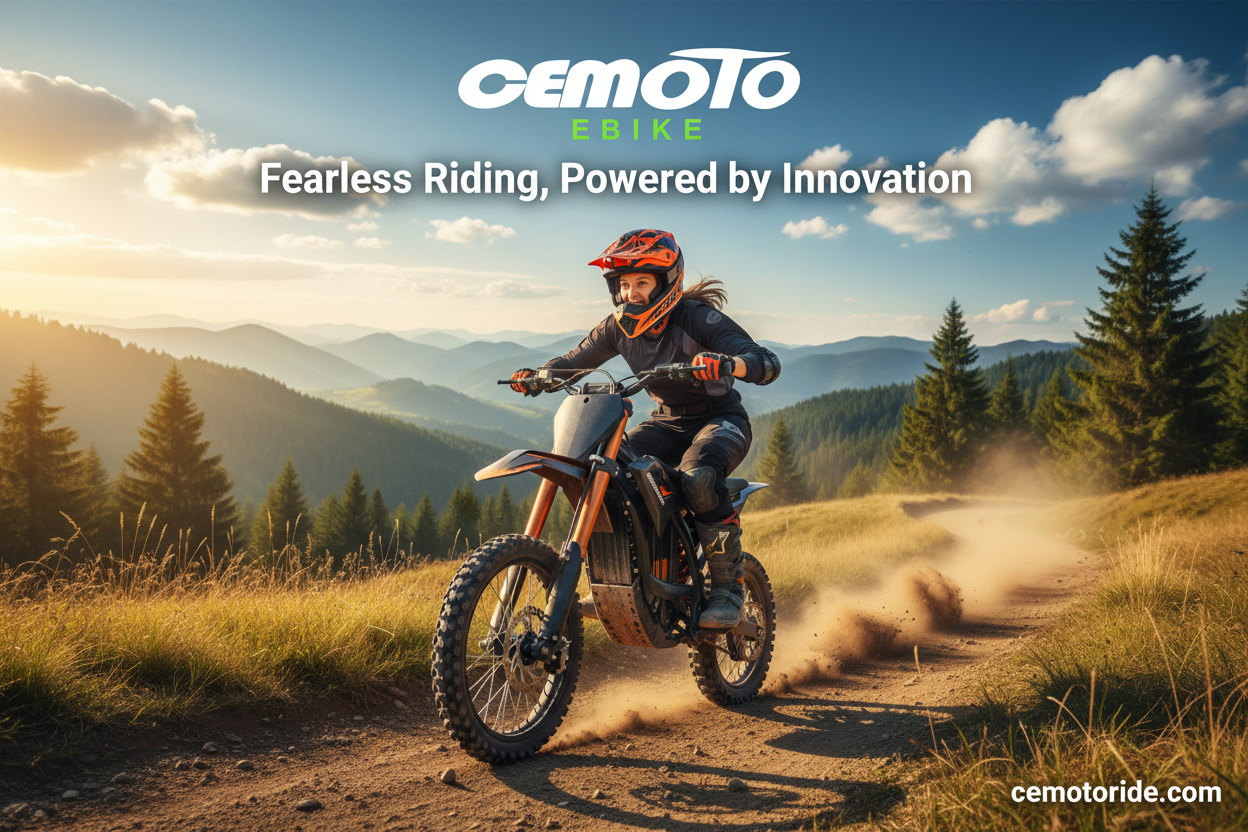
A trail ride can feel calm one minute and chaotic the next. Loose gravel, surprise ruts, flying dust, and a front tire that suddenly washes out can turn a fun loop into an injury story. On an electric dirt bike, that shift happens fast because torque shows up instantly and speed builds quietly. Smart protection keeps small mistakes from becoming big problems, so you finish the ride tired and happy instead of limping back to the truck.

Why Bicycle Gear Isn’t Enough for an Electric Dirt Bike
A lot of riders bring mountain bike habits into off-road motorized riding, then get caught off guard by how different the impacts feel. Cycling crashes tend to be lighter and shorter. A dirt bike crash can include sliding on rough dirt, clipping rocks, getting hit by roost, and planting a foot at the worst angle possible. Abrasion and twisting injuries show up often, which is exactly where bike gear usually falls short.
The good news is you do not need a closet full of equipment. You need protection that matches the risks. Head and vision come first, then ankles and knees, then the rest of your body.
Head Protection: DOT/ECE Helmets + Goggles That Actually Work
Once you ride faster than jogging speed on loose terrain, head protection stops being a “nice to have.” It becomes the decision that shapes every other choice you make. This section connects the standards on the label to what matters on real trails, then pairs that with eye protection you can trust when the ride gets dusty.
DOT and ECE: What the Standards Tell You
In the U.S., DOT (FMVSS 218) is the federal motorcycle helmet safety standard.
ECE 22.06 is common internationally and includes broader test scenarios, including angled impacts intended to better reflect real-world crash forces.
Downhill MTB full-face helmets can be excellent for bicycle racing, yet they are tested for a different use case than motorized off-road riding. If your riding involves higher speeds, bigger hits, or heavier bikes, a moto-rated full-face helmet is the safer direction for an electric dirt bike adult setup.
A practical way to shop is to treat the label as a baseline, then judge the helmet like a piece of safety equipment:
- Snug fit around cheeks and crown, with no sharp pressure points
- Stable position when you shake your head hard
- Secure chin strap that stays comfortable, not loose “because it’s annoying”
- Ventilation that helps you stay cool without exposing you to debris
Goggles That Stay Clear When Trails Get Ugly
Vision drives reaction time. Dust, wind, and mud steal reaction time. Good goggles protect your eyes and keep your mind calm when the trail gets unpredictable.
Look for features that solve trail problems you actually face:
- A strong seal and foam that blocks fine dust
- Venting that helps reduce fog during slow, technical riding
- A lens that resists scratching and cleans easily
- Tear-offs or roll-offs if you ride wet trails or follow other riders closely
Clear sight matters even more on an e dirt bike because quiet speed can tempt you into pushing harder than you planned.
Full-Body Protection System: Boots, Gloves, and Armor Setup
After head and vision, the next injuries tend to be predictable: ankles that twist, knees that take the hit, and hands that meet the ground first. This is where riders often buy based on comfort alone, then learn the hard way that structure beats softness. Build protection around the parts that take repeated impacts on a dirt bike, especially in loose terrain.

Boots That Protect Ankles and Shins
Boots are one of the highest-value purchases in off-road safety. They protect against crush injuries, shin strikes, and ankle twisting during awkward foot dabs. Hiking boots can feel sturdy when walking, yet still flex in ways that cause sprains.
A good off-road boot tends to have:
- Coverage above the ankle with solid side support
- A stiff structure that limits twisting
- A sole that stays stable when the bike loads your foot
- Closures that stay shut under vibration and impacts
Gloves That Support Grip and Control
Gloves do two jobs at once: prevent road rash and help you control the bike. When hands get tired, riders death-grip the bars, steering becomes choppy, and throttle control gets jumpy. The right gloves help you stay relaxed.
Look for a balance of protection and feel:
- Secure palm grip that stays consistent when wet
- Knuckle protection that does not restrict finger movement
- Enough padding to reduce sting without killing handlebar feedback
On an electric dirt bike, smooth control matters because power arrives quickly and mistakes compound faster.
Armor That Matches Real Impact Zones
Armor only works when it stays in place and fits your riding style. The goal is to cover the zones that hit first, then add support if the terrain or speed demands it.
A simple, trail-focused setup often includes:
- Chest and back coverage for roost, branches, and handlebar strikes
- Elbow guards for low-sides and tip-overs
- Knee protection for direct impacts and awkward landings
Some riders use knee guards. Others choose braces for added joint support, especially after previous injuries or faster riding.
Here’s a clean way to think about it:
| Body Area | Common Problem on Trails | What Helps Most |
| Ankles and shins | Twists, crush, rocks | Off-road boots |
| Hands | Abrasion, knuckle hits | Protective gloves |
| Knees | Impacts, joint stress | Guards or braces |
| Elbows and torso | Slides, roost, strikes | Guards and chest/back protection |
Dress for the Ride: Heat, Cold, and Rain Essentials
Clothing sounds basic until the weather starts controlling your judgment. Heat shortens patience, cold steals dexterity, and rain turns traction into a guessing game. Riders on a dirt bike often try to “tough it out,” then realize discomfort is what caused the sloppy corner or late braking. Comfort supports concentration, which supports safety.
Hot Weather: Stay Cool Without Losing Protection
In the heat, fatigue builds quietly. Once your breathing spikes and your focus fades, the trail feels harder than it really is.
A smart warm-weather setup relies on a moisture-wicking base layer to reduce rubbing and irritation, along with vented riding gear that still handles abrasion. Hydration should stay steady instead of coming in big gulps after you already feel bad. Light sun protection also helps where dust and sun hit hardest.
Cold Weather: Warm Hands, Clean Inputs
Cold punishes fine motor skills first. If fingers go numb, braking becomes inconsistent, and throttle control gets clumsy. Training resources commonly recommend layering and adding a wind-blocking outer layer for cold conditions.
Layering helps without turning you into a padded statue. A thin thermal layer close to skin helps retain warmth, while a wind-resistant outer layer matters on faster sections. Gloves should stay warm while still allowing lever feel, and socks should insulate even when slightly damp.
Rain and Mud: Keep Water From Taking Over
Wet riding is less about staying perfectly dry and more about keeping grip predictable. Once boots fill with water, your feet slide inside the boot, and confidence drops fast. Fogged goggles add stress right when you need calm focus.
A waterproof shell that packs easily can handle most conditions, and goggle ventilation plus the right lens choice helps resist fog at slow speeds. Spare socks make longer days more comfortable, and gloves that keep grip even when soaked help you stay in control. This matters a lot on an electric dirt bike adult ride that mixes open stretches with tight woods, where pace changes constantly.
Gear Maintenance: Clean, Dry, Inspect, and Replace
Maintenance is the difference between the gear you trust and the gear you tolerate. Sweat and mud weaken fabrics, stretch straps, and turn padding into a bacteria trap. Riders skip care because it feels annoying, then the helmet smells awful, and the gloves feel stiff. Gear that feels bad gets worn less, which raises the risk on every dirt bike ride.
Drying: The Habit That Stops Odor Early
Drying comes first because trapped moisture causes most long-term problems. Open vents and remove liners if possible, then pull boot insoles out and loosen closures so air can move through. Hang gloves and pads where airflow is steady, and avoid direct high heat that can warp plastics.
Cleaning: Gentle Wins Over Aggressive Scrubbing
Warm water and mild soap handle most jobs. Harsh cleaners can damage coatings and materials. Hand-wash liners and base layers, then air-dry fully. Rinse boots before mud hardens and brush around buckles. Wipe helmet shells with a soft cloth, and clean goggles carefully so the foam and lenses last longer.
Inspection: Catch Small Failures Before They Matter
Wear hides in quiet places. Look for loose stitching, cracked plastic, stretched straps, and worn soles. After a serious impact, replace the helmet. If protection no longer fits snugly, it no longer protects well.

Small Gear Choices, Prevent Big Injuries
Most injuries come from ordinary moments: a strap slightly loose, a boot that flexes too easily, goggles that fog at the wrong time, a glove that slips when sweat builds up. Those small failures stack until a simple slide becomes a limp. When your protection fits well and stays comfortable, judgment stays sharper, and hands stay steadier. That is how an electric dirt bike stays fun, even when the trail gets unpredictable.
FAQs
Q1: Do I need a neck brace while riding my electric dirt bike?
However, not always. For casual trail speeds, many people choose to skip it and have no issues. If you ride fast, do a lot of jumping, and/or ride in a group where a lot of roosting and crashing occur, a neck brace could reduce the risk of extreme neck movement in a crash. Fit is very important for a neck brace, so make sure to wear a compatible chest protector and check for full head rotation capability.
Q2: Can I continue to use my helmet if I have experienced a minor fall or drop?
Yes, if the helmet didn’t hit the ground (or anything) and it looks undamaged. If the helmet was subject to an actual impact, then no. Look for cracks, deep scratches, loose attachment systems, and crushed inner foam. If anything feels "different" in its fit and stability afterward, replace the helmet. Helmets are designed to absorb impact once.
Q3: Should I wear earplugs while riding off-road?
Yes. Earplugs block the wind noise and engine whining. That reduces fatigue and enables you to concentrate for a long time. Additionally, most motorcyclists have found that they can ride more smoothly by removing the tension that results from the noise. Moto filtered, or soft foam plugs, are the most appropriate. Just remember to clean them.
Q4: What emergency items should I carry even for short trail rides?
Always carry a small kit even on “simple” loops. The basics for most injuries are the pressure bandage, gauze, medical tape, antiseptic wipes, and pain relievers. Add to these a whistle, light, and a cell phone with a case. If you ride in more remote areas, consider adding a space blanket and splint wrap.
Q5: Is it possible to minimize arm pump and hand fatigue without making any alterations to the bike?
Yes. Make sure to position the lever so that your wrists are in a neutral position, and have relaxed elbows rather than locking your arms. A quick warm-up before you ride is a great idea, as is breathing to loosen you up. Adding electrolytes to your drink can help if you get fatigued fast, as can taking a one-minute shakeout during the ride. Smooth input is always better than brute force.
Hinterlasse einen Kommentar
Alle Kommentare werden vor der Veröffentlichung geprüft.
Diese Website ist durch hCaptcha geschützt und es gelten die allgemeinen Geschäftsbedingungen und Datenschutzbestimmungen von hCaptcha.