
The 2026 Guide to True All-Terrain Mobility Scooters


Choosing a true all-terrain mobility scooter in 2026 requires looking past marketing labels and focusing on measurable specifications that determine real-world performance on grass, gravel, curbs, hills, and uneven pavement. For active seniors seeking greater independence outdoors, the right model can restore confidence on mixed surfaces, but many products marketed as all-terrain still struggle once they leave smooth pavement. The key is matching specs like ground clearance, tire design, suspension, loaded battery range, and chassis stability to your actual routes rather than relying on vague claims.

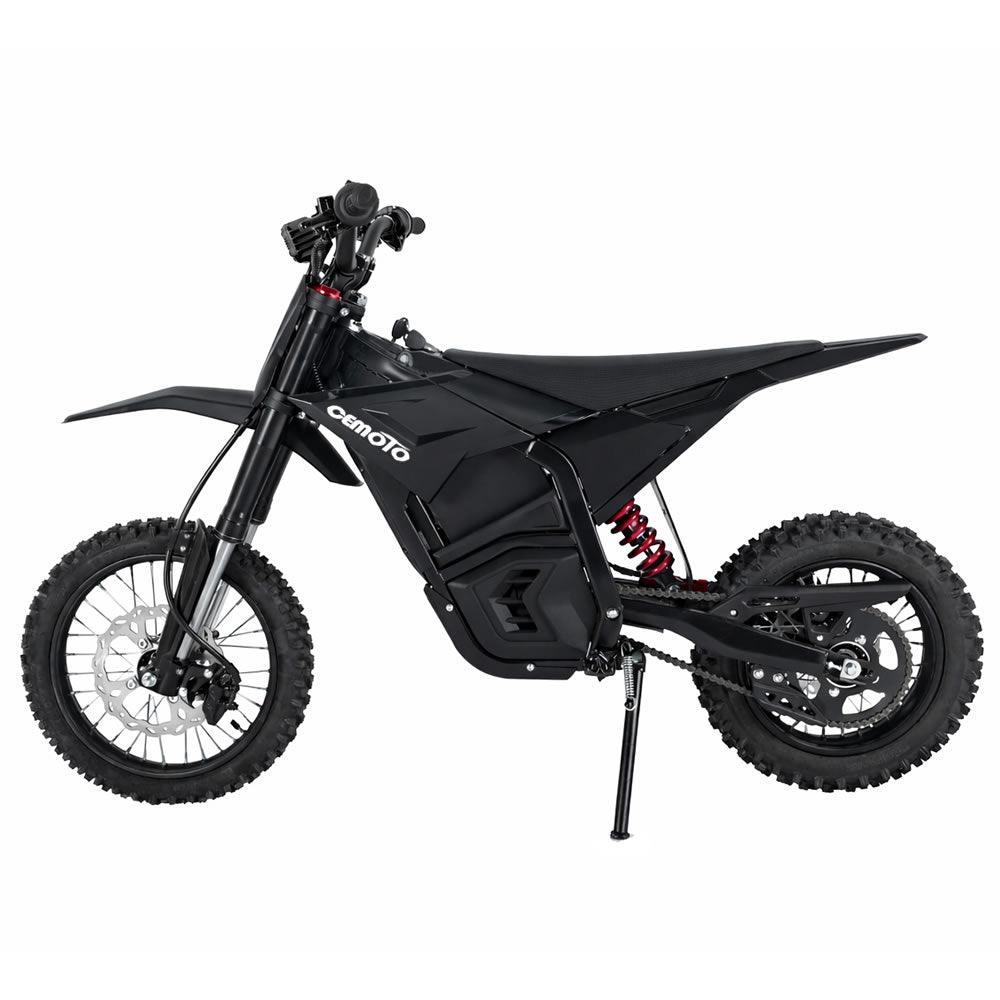
This guide breaks down what actually matters for outdoor capability, offers practical thresholds to screen models quickly, and explains how to avoid common purchasing regrets. While no scooter is truly unrestricted off-road, certain designs bridge the gap between medical-style devices and rugged outdoor performance better than others. Cemoto's EM-series is positioned as one option that combines capable terrain handling with a lifestyle-oriented build that active seniors appreciate.
Why Marketing Labels Often Fail Outdoor Buyers
Many scooters carry an "all-terrain" or "off-road" label yet disappoint on common senior outings. The core issue is that these terms are not regulated and often describe only light rough-path use rather than consistent performance across grass, gravel, curb cuts, and mild slopes. Active seniors who want to visit parks, navigate neighborhood paths, or handle daily errands on mixed surfaces need more than styling cues.
According to guidance on mobility scooter terrain evaluation, buyers should rely on measurable specifications instead of marketing language alone. Real capability shows up in how the scooter behaves under load on uneven ground, not in brochure headlines. This mismatch leads to frustration when a scooter bogs down in grass, loses traction on gravel, or drains its battery too quickly on hills.
Key Features That Determine True Outdoor Performance
Several specifications consistently separate scooters that handle outdoor terrain confidently from those that only manage occasional rough patches. Ground clearance is one of the strongest indicators: models with at least 3 inches can clear small obstacles better, while 4 inches or more provides noticeable improvement on grass and uneven sidewalks.
Tire type and size matter just as much. Pneumatic or large-diameter treaded tires offer better traction and shock absorption than small hard casters. Suspension on at least the front or rear axle reduces jolting on curbs and gravel, making longer rides more comfortable. Battery range claims should be evaluated under realistic load and terrain conditions—hills and rough surfaces typically reduce stated flat-ground range by 30-50%.
Stability comes from a wider wheelbase, lower center of gravity, and thoughtful weight distribution. These elements help prevent tipping on side slopes or during curb transitions. For active seniors, comfort features like adjustable seating and ergonomic controls further encourage regular outdoor use without fatigue.
Cemoto's EM-series incorporates many of these elements, aiming to deliver rugged outdoor performance while maintaining a modern, non-clinical appearance that fits an active lifestyle.

Heuristic Thresholds for Screening All-Terrain Scooters
Rather than comparing endless feature lists, use these practical thresholds to quickly filter options. These are heuristic screening guidelines derived from common manufacturer specifications and real-world terrain demands. They help identify scooters more likely to support grass, gravel, curbs, and mild hills without becoming tiring or unstable.
- Ground clearance: Less than 3 inches is generally poor for outdoor use; 3–4 inches is moderate and workable for light grass or packed gravel; over 4 inches offers better capability on uneven surfaces.
- Tires: Small hard casters struggle on grass and loose gravel; large pneumatic or treaded tires (10 inches or larger) provide superior traction and comfort.
- Suspension: No suspension often results in harsh rides over curbs and bumps; front or full suspension improves control and reduces fatigue on longer outings.
- Range under load: Flat-ground claims overstate real outdoor performance; look for models that still deliver at least 60% of rated range when accounting for rider weight, hills, and mixed terrain.
- Stability on slopes: Published gradient ratings should match your neighborhood hills; wider stance and anti-tip features add confidence on side slopes or transitions.
These thresholds are not laboratory standards but conservative rules of thumb that help active seniors match scooters to their target scenes, such as park grass, gravel paths, curb cuts, and neighborhood errands.
Heuristic Screening for True Outdoor All-Terrain Mobility Scooter Use
Heuristic screening only: compare a scooter’s specs against conservative outdoor-use thresholds, not official performance certification.
View chart data
| Category | Poor | Moderate | Good |
|---|---|---|---|
| Ground clearance | 1 | 0 | 0 |
| Tires | 0 | 1 | 0 |
| Suspension | 0 | 1 | 0 |
| Range under load | 0 | 1 | 0 |
| Stability on slopes | 0 | 1 | 0 |
Heuristic/editorial modeling based on manufacturer spec patterns and threshold guidance from the article context. Not official test data. Screening logic: <3 in ground clearance = poor, 3-4 in = moderate, >4 in = good; similar conservative bins applied to tire type/size, suspension presence, loaded range on hills, and slope stability.
This chart illustrates how scooters typically perform against heuristic outdoor thresholds. A model scoring mostly in the moderate or good range on these categories is more likely to support active outdoor use, though individual testing in your environment remains essential.
Common Myths About All-Terrain Mobility Scooters
Several misleading claims circulate in this category and can lead to disappointing purchases.
- Myth: If a scooter is labeled all-terrain, it can handle any outdoor surface. Reality: Labels alone do not guarantee performance. Real capability depends on ground clearance, wheel design, stability, and power. Many models only feel comfortable on moderately uneven surfaces.
- Myth: A rugged-looking scooter will work equally well on grass and gravel as on pavement. Reality: Grass, loose gravel, and soft ground are frequent failure points. Judge capability by specific surface requirements rather than appearance.
- Myth: Any scooter that goes outdoors should handle curbs and transitions easily. Reality: Curbs and elevation changes are a separate test. A scooter may manage paths but still struggle with abrupt edges.
- Myth: More emphasis on all-terrain claims reduces the need to check specs. Reality: The opposite is true. Strong outdoor marketing makes it even more important to verify exact specifications against your routes.
These myths highlight why evidence-based evaluation using measurable specs is more reliable than marketing language.
How to Choose the Right Scooter for Your Outdoor Routes
Begin by auditing your most frequent surfaces: park grass, gravel trails, sidewalk curb cuts, or neighborhood hills. Prioritize ground clearance and tire design first, then add suspension and battery capacity that accounts for load and terrain. Test stability by considering your weight and typical riding posture.
For active seniors, comfort and ease of use matter as much as raw capability. Look for adjustable seats, intuitive controls, and a design that does not feel overly medical. Battery range should include a safety buffer—plan for real-world conditions rather than ideal flat-ground figures.
Consider whether portability or heavy-duty construction better fits your lifestyle. Portable models may sacrifice some outdoor toughness, while heavier-duty options often deliver better stability and range but can be harder to transport. Portable vs Heavy-Duty Mobility Scooters: 2026 Guide explores these trade-offs in detail.
If you want a modern aesthetic that supports an active lifestyle rather than a clinical look, review options that balance rugged performance with contemporary styling. How to Choose a Non-Medical Looking Mobility Scooter in 2026 provides useful guidance on this balance.
Explore the broader Electric scooter collection to see models designed for varied uses, including those with stronger outdoor potential.
Safety and Setup Considerations for Outdoor Use
This article discusses comfort and setup advice for outdoor mobility scooters and does not constitute medical advice, diagnosis, or treatment. Performance on grass, gravel, or hills depends heavily on individual factors, device quality, and room or terrain conditions. If you experience persistent discomfort, balance issues, or have existing medical conditions, consult qualified healthcare professionals before using any mobility device.
Always start with conservative settings, practice on familiar surfaces, and verify that the scooter meets local regulations for outdoor use. Check tire pressure regularly, as it affects traction and range on uneven terrain. For hills and longer routes, monitor battery levels closely and carry a charger when possible.
When a True All-Terrain Scooter May Not Be the Best Choice
Not every senior needs maximum outdoor capability. If your outings stay mostly on smooth pavement or you prioritize easy portability for travel and car transport, a lighter model may serve you better. Heavy-duty outdoor scooters can feel bulky indoors or in tight spaces, and their extra weight may complicate storage or loading.
Buyers with very limited budgets or those who only encounter occasional rough patches may find that a mid-range pavement-focused scooter with modest curb capability meets their needs without the higher cost of full outdoor designs. The decision ultimately depends on your specific target scenes and how often you encounter challenging surfaces.
Final Decision Framework for 2026 Buyers
The most practical rule is to buy for the worst surface you realistically expect to cross regularly, not the best-case scenario in marketing materials. Prioritize stability, traction, and range under load before cosmetic ruggedness or top speed. A scooter that remains controllable and comfortable on your actual routes will deliver greater independence than one that looks capable but feels limiting in daily life.
Active seniors who match specifications carefully to their lifestyle often report higher satisfaction and more frequent outdoor use. Take time to test models in conditions similar to your regular outings whenever possible. With the right choice, a true all-terrain mobility scooter can support an active, independent lifestyle well into 2026 and beyond.
Important Note on Health and Comfort Claims: All statements about comfort, reduced fatigue, or improved independence are setup-dependent and subjective. This guide does not claim medical benefits, safer operation, or guaranteed symptom relief. Individual results vary significantly based on user health, weight, terrain, maintenance, and proper usage. Consult healthcare providers for personalized mobility recommendations, especially if you have balance concerns, vision issues, or other medical conditions.
