
Cargo E-Bike Maintenance Checklist for Delivery Fleets


For delivery fleets relying on cargo e-bikes, a consistent daily, weekly, and monthly maintenance routine helps minimize unexpected downtime and keeps operations running smoothly under heavy payloads and frequent urban routes. Rather than waiting for breakdowns, structured inspections focused on brakes, tires, drivetrain, and battery health can extend component life and support better ROI on commercial electric cargo bikes.

Fleet managers and courier teams often face the challenge of standardizing service across multiple riders and bikes. High daily mileage combined with heavy loads accelerates wear on critical parts, making it essential to follow practical checklists tailored to last-mile delivery demands. This guide provides a clear service schedule grounded in common fleet practices, while highlighting key inspection points that matter most for reliability.
Why a Structured Maintenance Checklist Matters for Cargo E-Bike Fleets
Commercial delivery operations depend on predictable uptime. This government employee bikeshare toolkit emphasizes that documented daily inspection routines help catch wear and safety issues before they cause service interruptions. In high-frequency last-mile delivery, even minor problems with brakes or tires can lead to costly delays or safety concerns.
High payloads place extra stress on components. Brakes experience more frequent use during stop-start urban riding, tires bear greater rolling resistance, and the drivetrain works harder under load. Battery performance can also degrade faster without proper charging habits. Standardizing checks across the fleet ensures consistency, regardless of which rider uses which bike on a given shift.
Beyond preventing breakdowns, routine maintenance supports compliance with safety guidance. Public agencies treat lithium-ion battery handling as a serious consideration, which is why following manufacturer charging instructions remains important. Teams that log inspections create an auditable record useful for warranty claims and operational reviews.

Daily Pre-Shift and Post-Shift Inspection Checklist
Begin each shift with a quick visual and functional check. This takes only a few minutes but can prevent the majority of on-road issues. Focus on safety-critical items that heavy cargo use affects most.
- Tires and wheels: Check tire pressure against the manufacturer recommendation (typically 40-65 PSI depending on load and tire type). Look for cuts, bulges, or excessive tread wear. Confirm wheels are secure and spokes are not loose. If tires show visible damage, remove the bike from service until repaired.
- Brakes: Test both front and rear brakes for firm lever feel and strong stopping power. Inspect pads for remaining thickness and listen for unusual squealing. Hydraulic systems should show no leaks at calipers or lines. Municipal bicycle advisory guidance consistently lists brake performance and tire condition as core daily inspection items.
- Lights and electrical: Verify all lights, reflectors, and the horn or bell work properly. Check that the display powers on and shows normal battery level.
- Battery and charger connection: Visually inspect the battery for secure mounting and any signs of damage or swelling. Never charge in extreme heat or use non-approved chargers. Follow the manufacturer’s instructions for safe charging and storage, as highlighted in official e-bike safety resources.
- Frame and cargo area: Look for cracks, loose bolts, or shifting cargo racks. Ensure any attached bags or racks remain firmly attached under expected loads.
Perform a similar quick post-shift inspection to catch issues that developed during the day. Log any findings so mechanics can address them before the next shift.
Weekly Service Tasks for High-Usage Delivery E-Bikes
Once per week, or after approximately 200-300 miles of heavy use, perform deeper checks. This interval may need shortening for bikes on hilly routes or operating in wet weather.
- Drivetrain inspection: Clean the chain to remove dirt and old lubricant, then apply appropriate bike chain lube. Check for excessive stretch or rust. Inspect sprockets and the motor-side gearing for wear.
- Brake system service: Clean rotors or rims and measure pad thickness. Replace pads if they approach the minimum thickness recommended by the manufacturer. Bleed hydraulic lines if spongy feel is present.
- Battery health check: Monitor for consistent range per charge. Avoid letting the battery drop below 20% regularly. Store at 30-70% charge when not in use for extended periods. Public owner guides often bundle these battery care reminders with routine maintenance.
- Fasteners and torque: Go over all critical bolts including those on the handlebar, seat post, cargo rack, and motor mount. Use a torque wrench where manufacturer specifications exist.
- Tire and wheel deep check: Rotate tires if wear appears uneven. Check wheel trueness and hub bearings for play.
Document these weekly tasks in a fleet log to track patterns across bikes. Larger delivery operations commonly assign dedicated mechanics or service staff to maintain these routines.
Monthly Preventive Maintenance and Deeper Fleet Review
Monthly service focuses on longer-term reliability and parts replacement planning. For fleets averaging high daily mileage, consider aligning this with 800-1,200 miles of cumulative use per bike.
- Full brake overhaul: Replace brake pads if wear exceeds 50-70% of original thickness. Inspect rotors for scoring and replace if grooves are deep.
- Drivetrain replacement planning: Measure chain elongation with a chain checker tool. Replace chains before they reach 0.5-0.75% stretch to protect sprockets. Clean and inspect the entire drivetrain.
- Battery and electrical system: Check all wiring connections for corrosion or looseness. Test battery voltage if possible and note any sudden drops in performance. Follow transportation safety rules for lithium batteries when moving or storing spares.
- Suspension and frame inspection: If the cargo e-bike has suspension components, check for proper function and leaks. Inspect the frame for fatigue cracks, especially around weld points and cargo mounting areas.
- Cargo-specific components: Examine racks, panniers, and tie-down points for stress or loosening under repeated heavy loads. Replace any worn straps or fasteners.
Schedule professional service for items outside in-house capabilities, such as motor diagnostics or battery pack balancing.
Maintenance Cadence by Usage Intensity
Maintenance Cadence by Usage Intensity
Heuristic maintenance cadence for cargo e-bikes, modeled from fleet safety guides and usage-intensity wear patterns; values indicate relative attention level, not measured wear rates.
View chart data
| Category | Low Usage | Medium Usage | High Usage |
|---|---|---|---|
| Daily | 3.0 | 3.0 | 3.0 |
| Weekly | 2.0 | 3.0 | 4.0 |
| Monthly | 1.0 | 2.0 | 3.0 |
Modeled from fleet guides and checklist evidence: daily brake/tire/chain inspections, weekly routine checks, monthly deeper review, with heavier payloads, hills, and wet conditions increasing wear. Values are heuristic relative cadence scores, not official thresholds.
This illustrative bar chart shows relative attention levels across usage intensities. Daily safety checks remain consistent, while weekly and monthly tasks increase with heavier payloads, hilly terrain, or wet conditions. These values represent modeled guidance derived from fleet practices rather than laboratory measurements.
Scenario-Based Adjustments: When to Increase Service Frequency
Maintenance needs are not one-size-fits-all. The biggest wear multipliers for cargo e-bikes include frequent heavy payloads, hilly routes, and exposure to rain or road spray. In these conditions, shorten weekly and monthly intervals by 20-30% or move certain checks to bi-weekly.
For example, bikes used primarily for flat urban routes with light-to-moderate loads can often follow standard cadences. However, when the same bikes regularly carry near-maximum capacity or tackle inclines, brakes and tires require more frequent attention. Wet weather accelerates corrosion and contamination, making lubrication and cleaning higher priorities.
Fleet managers should classify bikes by their typical duty cycle and adjust schedules accordingly. Use the hardest usage profile in the fleet as the baseline when setting shop-wide policies. This approach helps prevent under-maintaining high-stress units that could otherwise cause disproportionate downtime.
Understanding Electric Cargo Bike Maintenance Costs
Ongoing costs primarily come from consumable parts: brake pads, tires, chains, and lubricants. Under heavy delivery use, expect to replace brake pads every 1,500-3,000 miles and tires every 2,000-4,000 miles depending on load and road conditions. Chains may need replacement every 1,000-2,000 miles to protect other drivetrain components.
Batteries represent the largest long-term expense but can last 500-1,000 full charge cycles with good care. Proper charging habits—avoiding full discharges and extreme temperatures—help maximize this lifespan. Budget for occasional professional service visits for complex diagnostics.
Tracking these costs per bike helps when scaling fleets. Many operations find that investing in preventive maintenance reduces overall expenses by avoiding emergency repairs and lost delivery days.
Safety and Compliance Considerations
Important Notice: This article discusses general comfort, setup, and maintenance practices for cargo e-bikes in commercial settings. It does not constitute medical advice, mechanical diagnosis, or professional repair guidance. Lithium-ion batteries and high-voltage electrical systems carry safety risks if mishandled. Always consult the specific manufacturer manual for your model. If you experience persistent mechanical issues, reduced performance, or safety concerns, seek qualified professional service immediately. For battery-related incidents, follow local fire safety protocols and transportation regulations.
Fleet onboarding should include training on these checklists and battery safety. NYC DOT guidance on e-cargo bikes highlights the value of safety education and proper charging practices when deploying such vehicles in city operations.
Building a Fleet Maintenance Log and SOP
Create a simple digital or paper log for each bike that records date, mileage, inspector name, and findings. Review logs monthly to spot recurring issues on specific units or routes. This standardization helps when multiple riders share bikes and supports smoother warranty or insurance interactions.
Assign clear responsibilities: riders handle daily checks, while dedicated service staff perform weekly and monthly tasks. For growing fleets, consider integrating maintenance scheduling software that alerts when service is due.
When Professional Service or Parts Replacement Is Needed
Do not attempt complex motor, controller, or battery repairs in-house unless your team has appropriate certification. Replace any component showing cracks, severe wear, or electrical faults immediately. Keep spare consumables such as brake pads, inner tubes, and chains on hand to reduce downtime.
Explore serviceability features when choosing cargo e-bikes for fleets. The 2026 E-Bike Serviceability & Right-to-Repair Standards guide offers useful criteria for evaluating how easily commercial models can be maintained over time.
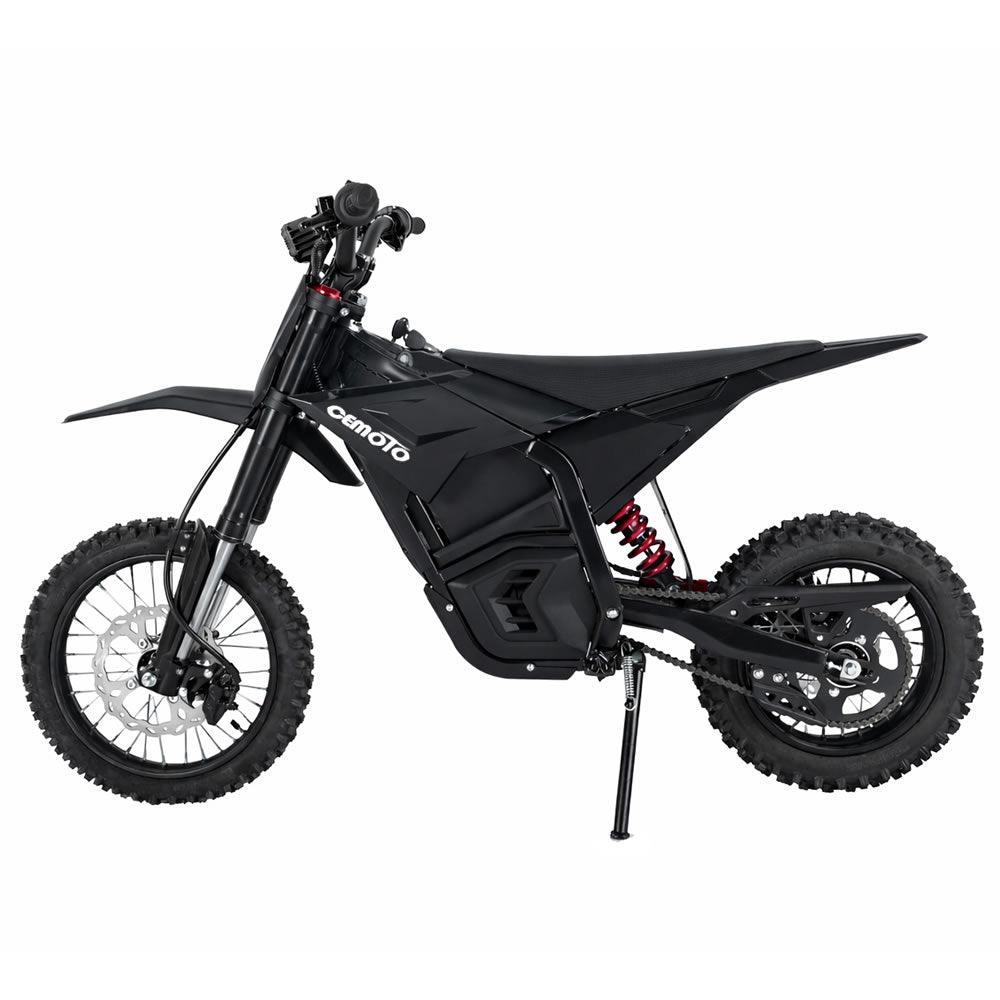
For heavy-duty cargo models designed specifically for delivery, see the CEMOTO B69 750W Heavy Duty E-Bike which offers 150kg capacity suitable for last-mile operations.
Routine maintenance also pairs well with quality accessories. Consider CEMOTO hydraulic disc brake assemblies or heavy-duty chains as direct replacements when wear occurs.
Final Recommendations for Delivery Fleet Reliability
A practical maintenance checklist focused on daily safety inspections, weekly cleaning and lubrication, and monthly component replacement planning helps commercial cargo e-bike fleets achieve lower downtime and more predictable operating costs. While exact intervals depend on load, terrain, and weather, starting with these evidence-based cadences provides a strong foundation.
Success depends on consistent execution and accurate logging rather than any single perfect schedule. By treating maintenance as a core operational process rather than an afterthought, courier companies and delivery businesses can protect their investment in electric cargo bikes and maintain reliable service for customers.
Remember that these guidelines offer general direction based on fleet practices and manufacturer recommendations. Always prioritize the specific instructions provided with your e-bikes and consult certified technicians for advanced service needs. With disciplined adherence to a standardized checklist, cargo e-bike fleets can deliver consistent performance even under demanding daily conditions.
