
E-Bike Repairability: How to Spot a Disposable Bike in 2026


Buying an e-bike in 2026 means more than comparing motor power and battery range. The real risk is purchasing a bike that becomes economically disposable when one proprietary part fails. Repairability depends on whether core wear-and-tear parts can be replaced, serviced, or sourced without a proprietary bottleneck, according to consumer advocacy reporting on e-bike repair challenges. A repairable e-bike should come with usable parts access, service documentation, and repair pathways.

If the battery is not realistically replaceable, the bike’s useful life can be much shorter than the frame’s. This guide shows you how to evaluate an e-bike’s repairability before purchase, spot warning signs of locked firmware or non-serviceable components, and use a practical checklist to reduce long-term ownership risk.
What Repairability Really Means for E-Bikes in 2026
Repairability is mainly about whether the battery, display, controller, motor interface, and other high-failure parts can be replaced or serviced without proprietary lock-in. Manufacturers and repair advocates argue that access to parts, tools, and documentation is central to right-to-repair for e-bikes. Non-replaceable or non-repairable batteries shorten product life and increase waste risk, which is why removable and replaceable batteries matter in the category.
A practical buying checklist can look for whether spare parts are available promptly and whether batteries have a defined replacement pathway. Right-to-repair advocates say manufacturers should provide consumers and independent shops access to the same parts, tools, and documentation used for repair. When official product documentation points buyers to authorized dealers or support for genuine replacement parts, that can indicate a controlled but real repair pathway.
Warning Signs of a Disposable E-Bike
Several red flags suggest a bike may become hard or expensive to keep running after the warranty ends. Avoid models with non-serviceable battery packs that cannot be opened, diagnosed, or replaced through normal repair channels. This is especially problematic for buyers who expect multi-year ownership.

Locked firmware or dealer-only diagnostics is another major concern. If basic fault clearing, motor tuning, or battery pairing requires proprietary software you cannot access, the bike carries higher risk for DIY riders and remote owners. No parts availability for key components such as controllers, displays, or battery modules turns a single failure into a major downtime event.
Restricted documentation, such as missing wiring diagrams, torque specs, or service manuals, raises the labor cost of even simple repairs. Proprietary high-failure parts like custom controllers or unusual battery connectors are difficult to substitute. A useful buying heuristic is to check whether the bike uses standard bicycle consumables and common interfaces for items like brakes, tires, and drivetrain parts. The most repairable bikes use standard bicycle parts wherever possible, especially for wear items.
There is strong real-world concern that connected bike technologies can shift control over ownership, repair, and modification away from the rider. Connected electronics can make a bike feel less like a tool you own and more like a product that depends on vendor control.
Myth vs Reality
- Myth: All e-bikes are repairable if you buy from a reputable brand. Reality: Repairability can still be limited by proprietary components, locked diagnostics, and restricted parts access even on mainstream brands.
- Myth: Proprietary parts are fine if the company says it supports service. Reality: Brand support may not guarantee long-term parts availability, independent shop service, or access to the tools and documentation needed for repairs.
- Myth: E-bike batteries are just another replaceable part. Reality: Some designs make battery replacement difficult or impractical, which can turn a worn-out battery into a near-disposable bike.
- Myth: If a bike has warranty coverage, repairability is covered. Reality: Warranty and repairability are different: a warranty may cover early defects, while repairability determines whether the bike can be kept running years later.
How to Check Parts Availability and Service Support
Before buying, check whether the brand publishes a clear spare-parts path and battery replacement process. Official bike manuals commonly include battery care, troubleshooting, and replacement instructions, which shoppers can use as a proxy for after-sales support quality. If a brand makes manuals easy to find and includes replacement and troubleshooting steps, that is a good sign for ownership support.
Repair organizations note that parts availability is a concrete consumer issue, and that batteries may have longer lead times than ordinary bicycle parts. Not all replacement parts are treated equally; batteries are often harder to source than standard bicycle components.
A bike can be serviceable even when the battery is proprietary if the manufacturer still provides a defined replacement process and support channel. Authorized dealer networks can be a repairability plus if they actually supply genuine replacement parts quickly. Battery removability, repairability, and interoperability are separate design questions, not the same thing.
University-hosted manuals and technical documents show that battery replacement and troubleshooting are normal parts of e-bike ownership, not edge cases. Battery replacement is a normal ownership issue, so buyers should verify how the brand handles it before purchase.
Practical Checklist: Evaluate Repairability Before You Buy
Use this checklist when comparing models or reviewing product pages:
- Is the battery removable and does the brand sell or clearly document replacement batteries?
- Are the motor, controller, and display available as separate replacement parts?
- Does the manufacturer publish service manuals, exploded diagrams, or torque specifications?
- Can independent shops or owners access the same tools and diagnostic software as authorized dealers?
- Are common wear items (brakes, chain, tires, cassette) standard bicycle sizes that any local shop can source?
- Is firmware updateable by the owner, or does it require proprietary apps and accounts that could be discontinued?
If you cannot easily answer yes to most of these questions from the brand’s website or documentation, treat the model as higher-risk for long-term ownership. A universal public repairability score for e-bikes is not established, so any score in this article should be presented as an editorial rubric.
Repairability Comparison: Standard vs Proprietary Design
Illustrative editorial comparison of relative repairability, not measured scores.
View chart data
| Series | Battery | Controller | Motor | Documentation | Firmware | Wear Parts |
|---|---|---|---|---|---|---|
| High Repairability Bike | 8.0 | 7.0 | 7.0 | 8.0 | 8.0 | 9.0 |
| Disposable Risk Bike | 2.0 | 3.0 | 3.0 | 2.0 | 2.0 | 4.0 |
Illustrative editorial scoring based on the provided repairability evidence: standard/modular parts, accessible battery replacement, public documentation, and open firmware score higher; proprietary batteries/controllers/motors, locked firmware, and poor parts access score lower. Scores are bounded relative ratings, not measurements.
The chart above gives an illustrative repairability comparison: standard, modular designs tend to score higher across service access, while proprietary, locked designs score lower. Treat the scores as editorial relative ratings, not measurements. This visualization helps you quickly judge how design choices affect long-term serviceability.
How to Reduce Ownership Risk and Choose Repairable Models
To reduce long-term ownership risk, prioritize bikes with modular, replaceable, and widely available parts. Look for brands that maintain transparent parts catalogs and do not restrict independent repair. For commuters and fleet users, predictable parts turnaround times matter more than minor performance differences.
DIY riders should favor designs that allow self-service on common components. First-time buyers benefit from brands that provide clear owner manuals and online support resources. When comparing e-bike models, spend time on the brand’s support pages before checking the price.
A low upfront price can hide a high ownership risk if the bike relies on proprietary batteries, controllers, displays, motors, or firmware that are difficult to replace; buyers may face long downtimes, costly repairs, limited dealer support, or a bike that becomes unusable after one failed part.
This article only discusses comfort/setup advice; it does not constitute medical advice, diagnosis, or treatment; if persistent discomfort occurs or existing eye conditions are present, qualified professionals should be consulted. For health-adjacent topics like prolonged outdoor riding, consult a doctor regarding any concerns.
Takeaways: Make Repairability Part of Every Purchase Decision
Repairability should be treated as a top-tier buying factor if you plan multi-year ownership, use the bike daily for commuting, or cannot tolerate downtime. Prioritize documented parts availability and serviceability over small gains in motor power or flashy app features. Choose e-bikes with standard replacement parts and clear parts availability before buying to avoid proprietary e-bike brands that lock you into expensive or impossible repairs.
By checking these factors upfront, you protect your investment and support the right to repair movement. In 2026, the smartest e-bike purchase is one you can keep riding for years without depending on a single vendor’s goodwill.
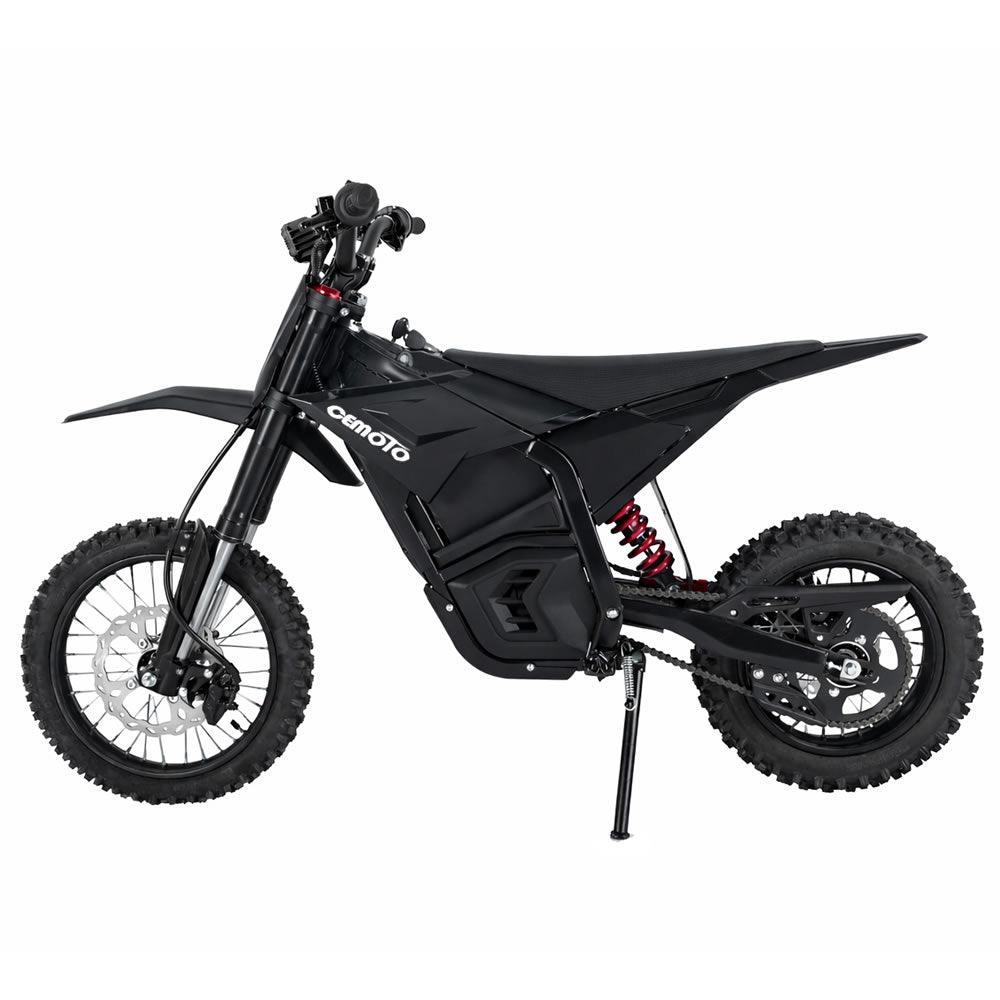
If you are evaluating modular electric dirt bikes or performance-oriented models, review transparent component designs that emphasize serviceability. For more on choosing durable options, see our guide on why CEMOTO BIKE is the best electric bike choice for adults in 2026. Shop quality replacement components and accessories that keep your ride running longer.
