
Essential Upgrades for High-Power 3000W-6000W E-Motos


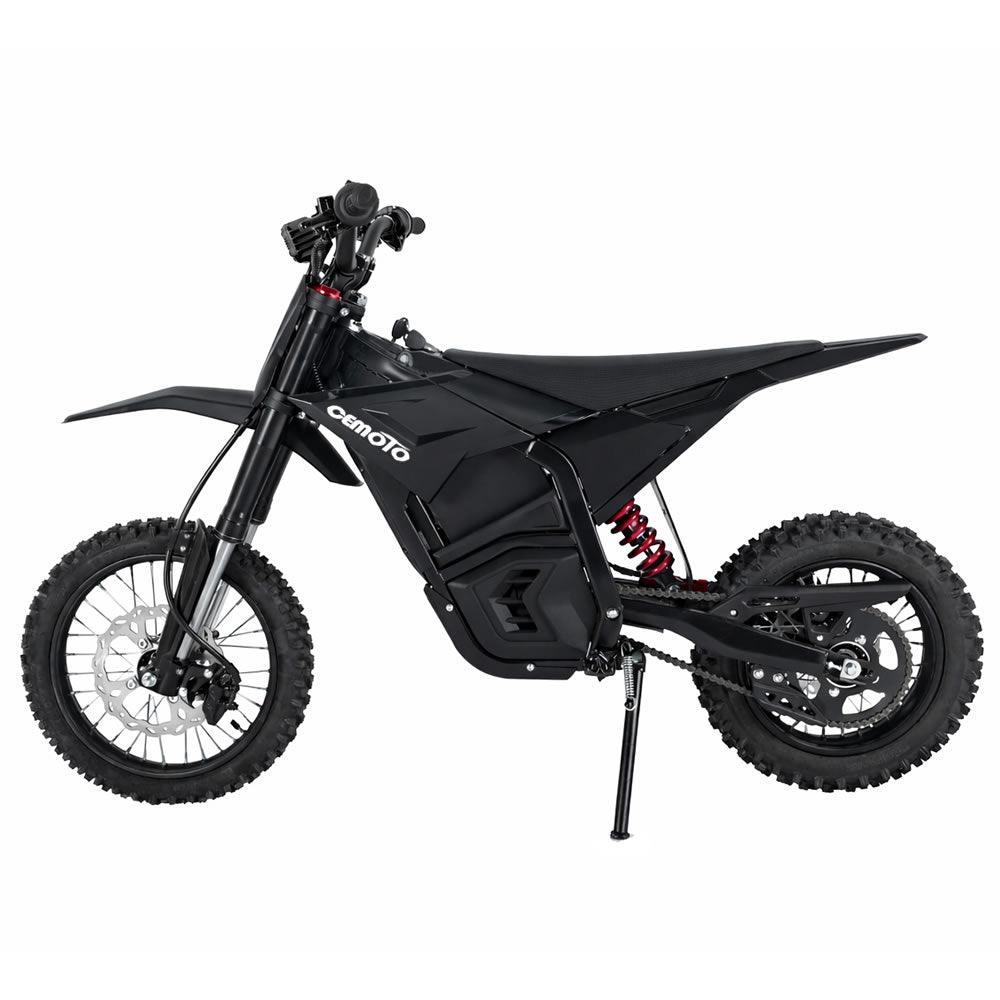
High-power 3000W-6000W e-motos deliver thrilling torque and speed on the trails, but stock components often struggle with heat buildup, voltage sag, brake fade, and chassis instability during aggressive riding. Prioritizing suspension tuning, brake upgrades, and thermal management can make these machines safer and more predictable without unnecessary spending.
Owners typically notice problems first on steep technical sections, high-speed runs, or sustained climbs. Addressing the right failure mode early improves control, reduces risk, and extends component life. This guide breaks down practical upgrades, when each matters most, and how to sequence them based on your riding style.

Understanding Common Failure Points in High-Power E-Motos
Pushing a 3000W-6000W electric dirt bike hard stresses several systems simultaneously. Lithium-ion batteries can overheat, and safe use requires managing heat exposure and charging/storage conditions carefully, as noted in official safety resources (US Fire Administration lithium-ion battery guidance). Voltage drop under load is a recognized battery behavior, so demanding riding can reduce usable power output temporarily (Modeling battery management strategies).
Brake fade is related to excessive heat, which is why braking system heat management matters on faster, heavier machines (Louisiana CDL Manual on brake fade). Suspension settings such as preload and damping affect how the bike handles bumps, terrain irregularities, and speed stability (Vehicle dynamics modeling dissertation).
These issues compound on rough trails: excessive heat reduces battery efficiency and motor performance, sag cuts acceleration, weak brakes lengthen stopping distances, and poor suspension causes bottoming out or loss of traction. Government e-bike guides recommend checking mechanical condition, including brakes and battery readiness, before riding (District of Columbia E-Bike Guide).
Suspension Upgrades for Better Stability and Control
Suspension is often the first upgrade for trail riders because it directly improves traction and control on rough terrain and can help the bike feel more stable at speed. Better suspension tuning can improve traction and control on rough terrain and help the bike feel more stable at speed.
Start with adjustable preload and damping settings. Increasing preload prevents bottoming out under the added weight and torque of a high-power motor, while proper rebound damping keeps the wheel in contact with the ground over repeated bumps. For 3000W-6000W models, reinforced fork tubes or upgraded shock absorbers help maintain geometry during hard cornering or whoops.
On steep technical trails, prioritize suspension before brakes or cooling. This upgrade is most noticeable when the stock setup sags excessively or rebounds too quickly, causing loss of control. Avoid over-stiffening, which can reduce traction on loose surfaces.
Our CEMOTO D-Series Front Shock Tubes provide sealed, rustproof construction that supports smoother damping on these powerful bikes.
Brake Upgrades to Combat Fade and Improve Stopping Power
Brake fade becomes critical as speed and vehicle mass increase. A disc brake system uses rotors, pads, and calipers, which is why pad and rotor choices affect heat handling and stopping feel. Larger diameter rotors or high-performance pads with better heat dissipation reduce fade during repeated descents or aggressive stops.
Upgrade to hydraulic systems with larger calipers if you experience spongy lever feel or extended stopping distances. Stainless steel brake lines can also improve modulation by reducing expansion under heat. This is particularly important for high-speed runs where the bike's momentum is highest.
Government micromobility guidance includes rider-safety basics that apply here, emphasizing reliable braking (New Jersey Micromobility Guide). Do not upgrade brakes first if the primary issue is suspension bottoming or tire grip—fix the chassis and contact patch before chasing shorter stopping distances.
The CEMOTO D-Series Hydraulic Disc Brake Assembly offers alloy levers and anodized calipers designed for these off-road electric bikes.
Thermal Management and Heat Mitigation Strategies
Heat management is a key safety concern. Lithium-ion batteries can overheat, and safe use requires managing heat exposure and charging/storage conditions carefully. State safety guidance recommends avoiding excessive heat and following safe lithium-ion battery storage and charging practices (Michigan EGLE Lithium-Ion Safety Tips). Official guidance also emphasizes the role of battery management systems in temperature-related risk control (CPSC lithium-ion battery safety memorandum).
Install motor protection covers with ventilation, add heat sinks to the controller, or improve airflow around the battery pack. For sustained high-output riding, consider aftermarket fans or upgraded thermal paste. Post-ride cooldown periods and avoiding full-throttle in hot ambient temperatures help prevent thermal runaway risks.
Heat becomes the limiting factor on long climbs or repeated hard acceleration. Stock cooling may suffice for short rides but not for aggressive weekend sessions. The CEMOTO D03 Motor Protection Cover provides impact and heat-resistant protection with ventilation.
Addressing Battery Sag and Maintaining Power Delivery
Voltage sag under load reduces usable power during hard acceleration or climbs. Battery performance under load can change measurably during real-world use, including transient voltage behavior. Larger capacity packs or higher-discharge cells can mitigate this, but compatibility with the controller and BMS is critical.
Optimize by using proper tire pressure, selecting efficient ride modes, and avoiding extreme cold or heat that worsens sag. Upgraded wiring with thicker gauge reduces resistance. However, more battery capacity alone does not fix overheating or poor suspension.
Refer to our guide on How to Maximize Your Electric Dirt Bike's Battery Life on the Trail for practical tips that complement hardware upgrades.
Prioritizing Upgrades: A Scenario-Based Approach
For hard riding, it usually makes sense to prioritize suspension, brakes, and thermal control before nonessential upgrades. Use this illustrative chart to match upgrades to your most common riding scenarios. Lower numbers indicate higher priority (1 = address first).
Upgrade Priority by Riding Scenario
Illustrative priority ranking for common e-moto use cases. 1 = highest upgrade priority, 4 = lowest priority in the set shown.
View chart data
| Category | Suspension | Brakes | Thermal/Cooling | Battery/Range |
|---|---|---|---|---|
| Steep technical trails | 1.0 | 2.0 | 3.0 | 4.0 |
| High-speed runs | 3.0 | 1.0 | 2.0 | 4.0 |
| Long climbs / repeated throttle | 2.0 | 1.0 | 2.0 | 3.0 |
| Mixed weekend rides | 2.0 | 3.0 | 4.0 | 1.0 |
Heuristic / illustrative ranking based on the provided myth-vs-reality, dont-buy-if, and risk-expression notes: heat can become a safety issue, brake fade rises with heat, voltage sag matters under load, and suspension most affects stability. No measured data; ranks express relative upgrade priority only.
This heuristic shows how needs shift: suspension leads on technical trails, while brakes become critical at speed. Battery improvements help most in mixed riding where range and consistent power matter.
Myth vs Reality: Common Upgrade Misconceptions
Several myths can lead to wasted spending on high-power e-motos.
Myth: Better suspension is mostly about comfort, so it is optional. Reality: Suspension becomes a safety and control issue once added power pushes the bike into more frequent hard acceleration, faster braking, or rougher terrain. If the bike bottoms out or feels unstable, suspension is a priority.
Myth: Bigger brakes automatically solve stopping. Reality: Bigger brakes help only if heat capacity and fade are the limiting problem. Fix chassis stability and tires first in many cases.
Myth: Heat is only a problem for extreme riding. Reality: Heat management matters on sustained high-output use like climbs or stop-and-go. Short bursts may feel fine, but repeated loads reveal issues.
Myth: A larger battery always fixes performance. Reality: More capacity helps sag and range but does not address overheating, poor tuning, or weak delivery. Match upgrades to the actual symptom.
Upgrade Checklist: What to Check Before Buying
Before purchasing parts, perform this self-audit:
- Identify your primary symptom (bottoming out, fade, overheating, power loss under load).
- Check current tire condition and pressure—poor grip amplifies other problems.
- Inspect brakes and suspension for wear; replace consumables first.
- Verify compatibility with your specific 3000W-6000W model and controller.
- Consider your terrain: steep trails favor suspension, high-speed favors brakes.
- Budget for installation and potential supporting mods like stronger chains (CEMOTO D03 Chains).
Do not buy upgrades if the bike has obvious safety issues like worn tires or poor fitment. Our Ultimate E-Dirt Bike Maintenance Guide offers pre-upgrade checks.

Safety and Responsibility Notes
This article discusses comfort, setup advice, and performance modifications for off-road use. It does not constitute medical advice, diagnosis, or treatment. Lithium-ion battery safety remains important—follow manufacturer guidelines for charging and storage. If you experience persistent mechanical issues, overheating, or have existing health conditions affected by riding, consult qualified professionals and adhere to local regulations. Upgrades should comply with applicable safety standards.
High-power riding increases accident risk without proper maintenance. Always wear protective gear and ride within your skill level.
Explore more in our Electric Dirt Bikes collection or the CEMOTO D-Series 3000W–6000W model page for base machines ready for these upgrades.
Conclusion
Essential upgrades for 3000W-6000W e-motos focus on solving real-world bottlenecks in suspension, braking, and thermal management rather than chasing maximum specs. By matching parts to your riding scenarios and prioritizing the most pressing failure mode, you can transform a stock high-power electric dirt bike into a more controllable, reliable trail machine. Start with diagnostics, use the priority framework above, and upgrade incrementally. This approach delivers better rideability while respecting safety boundaries and budget realities. Ride responsibly and enjoy the enhanced performance on your next trail adventure.
