
How to Choose a Non-Medical Looking Mobility Scooter in 2026


Active seniors in 2026 can enjoy greater independence on parks, trails, and neighborhood paths by selecting mobility scooters that prioritize modern styling over clinical designs. The key is evaluating aesthetics alongside critical performance factors like suspension, ground clearance, and tire choice so the scooter matches real-world outdoor use rather than just looking good in photos.

Today's options blend sleek lines, premium materials, and thoughtful details that help these devices feel more like lifestyle vehicles than medical equipment. However, prioritizing looks alone risks choosing a scooter with inadequate stability or range for actual outdoor adventures.
What Makes a Mobility Scooter Look Non-Medical
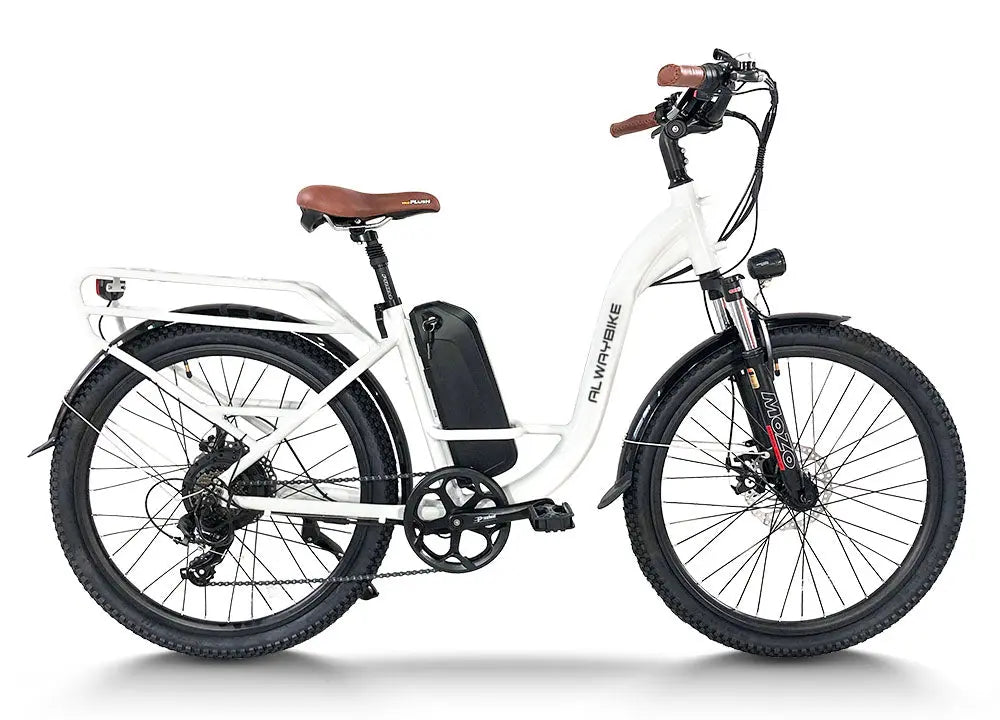
Non-medical looking mobility scooters typically feature automotive-inspired body panels, matte or metallic color options, integrated LED lighting, and streamlined frames that avoid bulky medical-style shrouds. Carbon fiber accents, sporty seating, and minimal branding further enhance the discreet profile many active adults prefer.
These design choices help the scooter blend into everyday environments such as boardwalks, campuses, or community outings. As this functional carbon-fiber mobility scooter coverage illustrates, modern materials can dramatically shift perceptions while maintaining practical function.
Yet appearance should serve as an entry point rather than the final decision criterion. Buyers still need to verify that stylish models deliver adequate stability and comfort for their intended routes.

Key Design Features That Influence Style and Performance
Frame style, colorways, and body panels most directly affect the non-medical appearance. Look for scooters with curved, sculpted panels in earth tones, deep blues, or matte blacks instead of clinical white or gray. Integrated lighting and slim profiles also contribute to a contemporary aesthetic.
Performance features must stay in balance. Higher ground clearance (typically 3-5 inches or more for light trails), pneumatic or all-terrain tires, and front/rear suspension improve ride quality on uneven surfaces without sacrificing too much style. Battery range of 15-30 miles becomes essential for longer park or community rides, while a compact turning radius aids maneuverability in tighter spaces.
According to consumer comparisons, shoppers frequently weigh comfort, usability, and price alongside visual appeal, especially in outdoor models where these tradeoffs intensify. This Forbes Health guide to mobility scooters highlights how these factors interact in real purchasing decisions.
Discreet vs Rugged: Finding the Right Balance for Active Use
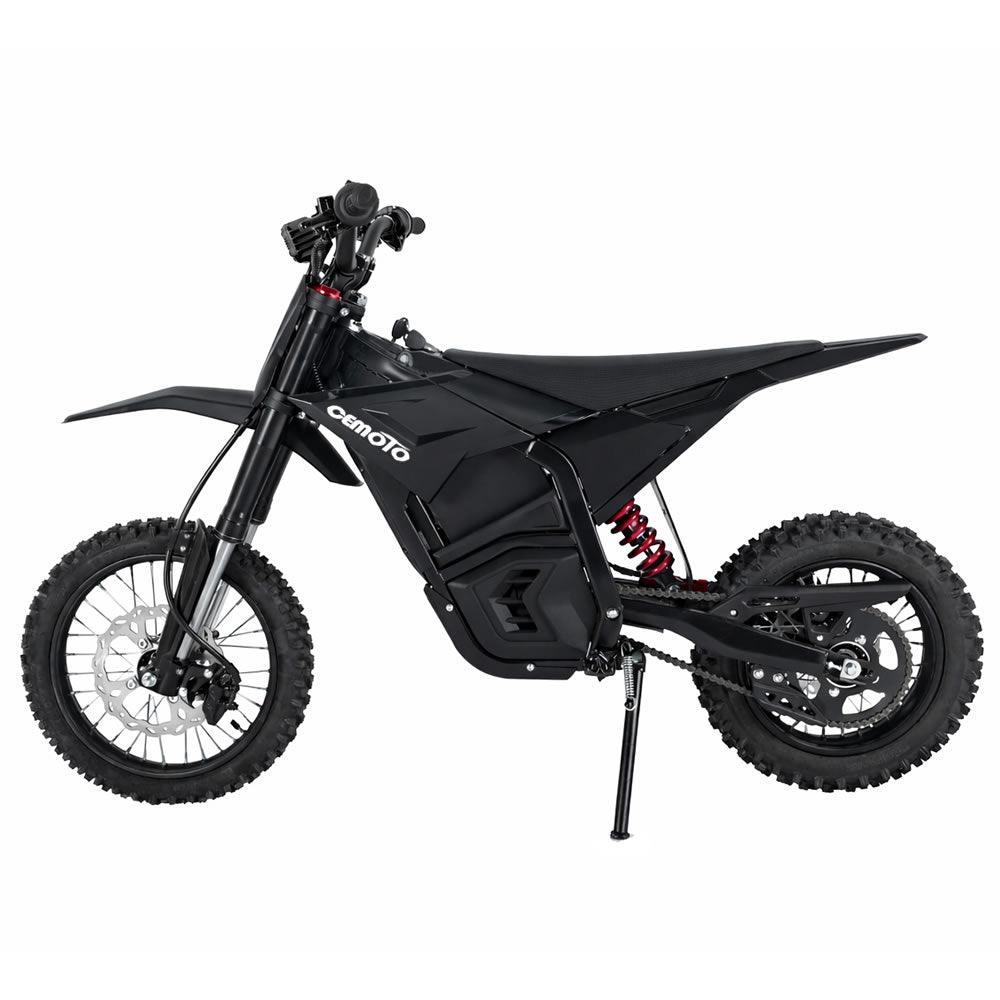
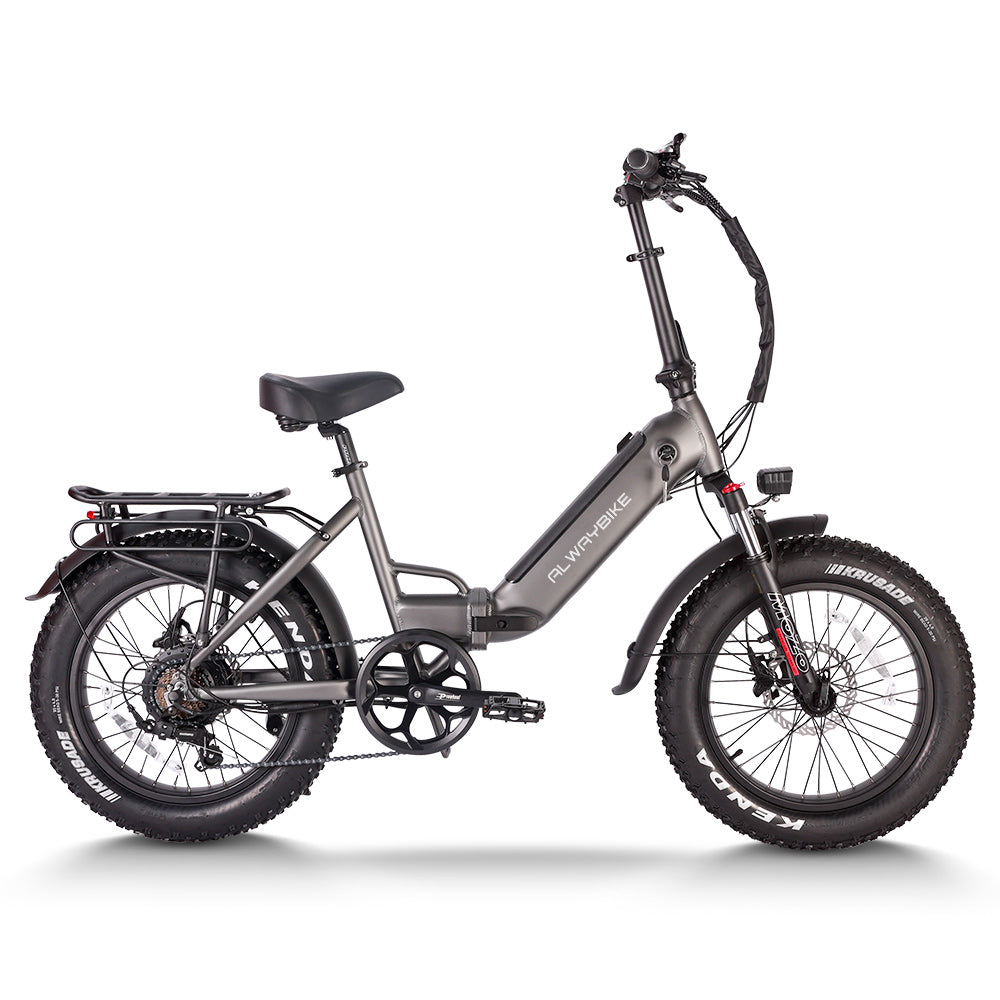
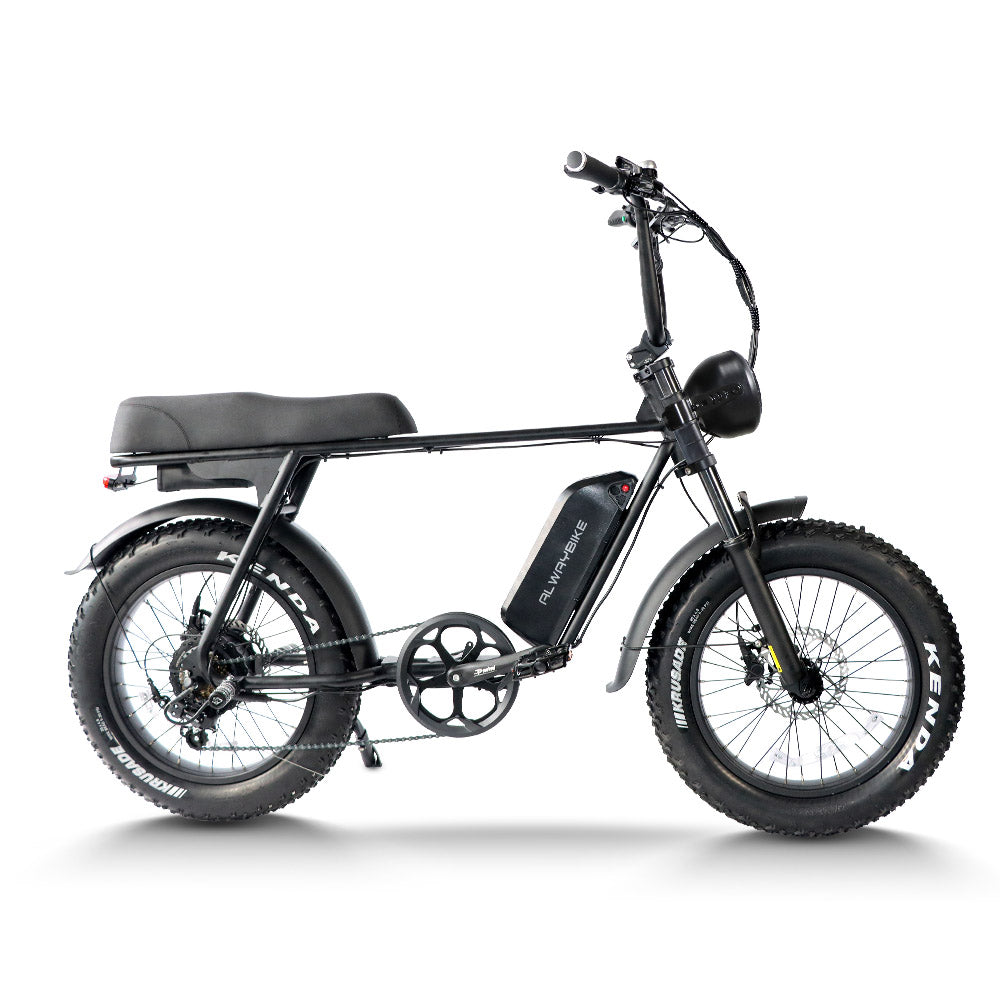
Discreet models emphasize portability, lighter weight, and low-profile styling ideal for smooth sidewalks and errands. Rugged outdoor scooters prioritize stability, larger tires, and suspension for parks, light trails, and uneven pavement.
The correct comparison framework focuses on actual usage patterns rather than category labels. Models suited to mostly smooth surfaces benefit from discreet designs that are easier to store and transport. Routes involving cracked sidewalks, curb cuts, or longer outdoor segments usually favor rugged builds that trade some portability for better comfort and confidence.
Illustrative Tradeoff: Discreet vs Rugged Mobility Scooters (2026)
Illustrative 1-10 relative scores, not measured manufacturer data.
View chart data
| Series | Modern Appearance | Portability / Weight | Suspension Comfort | Ground Clearance | Tire Grip on Uneven Terrain | Battery Range |
|---|---|---|---|---|---|---|
| Discreet models | 9.0 | 8.0 | 4.0 | 3.0 | 3.0 | 6.0 |
| Rugged models | 4.0 | 3.0 | 8.0 | 9.0 | 9.0 | 7.0 |
Heuristic / illustrative scores on a 1-10 relative scale synthesized from context: discreet models tend to favor aesthetics and portability on smoother surfaces, while rugged models tend to favor comfort, clearance, and traction on mixed or rough terrain. Not based on measured manufacturer benchmarks.
This illustrative radar chart shows typical archetype tradeoffs. Individual models vary, so always verify specifications against your routes.
Outdoor scooters generally offer higher stability and ground clearance compared with indoor-only models. This off-road mobility scooter guide notes that capability for tough terrain ultimately depends on the specific model and setup.
How to Choose the Right Scooter for Your Lifestyle in 2026
Start by auditing your typical routes. Measure the roughest surfaces you expect to encounter and note storage or transport needs. Test seating comfort and controls in person whenever possible, as ergonomic fit dramatically affects daily usability.
Consider these operational checkpoints:
- Does the scooter need to blend into social or travel settings? Prioritize discreet styling and lighter weight.
- Will you regularly navigate uneven pavement or light trails? Seek robust suspension, higher ground clearance, and all-terrain tires.
- Is battery range sufficient for real-world conditions including hills and full load?
- Can you comfortably manage the scooter's weight for lifting, folding, or vehicle loading?
- Does the turning radius and braking system feel secure on your most common paths?
Avoid overpaying for cosmetic upgrades that do not improve ride quality or safety. Premium styling can coexist with strong performance, but verify that modern looks do not come at the expense of essential outdoor features.
Our portable vs heavy-duty mobility scooters 2026 guide explores weight capacity, terrain handling, and range differences that often influence these decisions.
For broader outdoor electric mobility insights, review this 72V vs 60V electric dirt bikes trail comparison to understand power and control tradeoffs that apply across similar vehicle types.
Buyer Checklist and Common Pitfalls to Avoid
Use this practical checklist before purchase:
- Confirm aesthetics align with your social comfort level without sacrificing stability.
- Verify suspension and tire specs match your roughest expected surfaces.
- Calculate realistic range based on terrain, weight, and typical speeds.
- Test or research weight and foldability against your storage and transport reality.
- Check warranty, serviceability, and local dealer support for long-term ownership.
- Ensure the model meets basic safety standards for braking and lighting.
Common regrets include selecting overly stylish models that feel unstable on real outdoor paths or choosing heavy-duty options that prove too cumbersome for frequent loading. This e-bike battery replacement guide offers related insights on maintaining power systems in modern electric mobility devices.
Important Note on Comfort and Use: This article discusses setup advice and lifestyle considerations for mobility scooters. It does not constitute medical advice, diagnosis, or treatment. If you experience persistent discomfort, have existing mobility conditions, or need personalized health recommendations, consult qualified healthcare professionals.
Choosing a non-medical looking mobility scooter ultimately depends on matching modern design with the performance your actual lifestyle demands. By focusing first on where and how you will ride, then layering in styling preferences, active adults can find options that deliver both independence and confidence without clinical connotations. Explore our electric scooter collection for premium models that blend rugged capability with contemporary aesthetics suitable for outdoor exploration.
