
The Ultimate Guide to DIY E-Bike Repair and Modular Parts


Why Modular E-Bike Parts Matter for DIY Repairs
The e-bike industry has historically leaned toward integrated, proprietary systems that make independent repairs difficult. Batteries, controllers, and motors are often locked behind brand-specific software or physical designs, forcing owners into expensive service-center visits or premature bike replacement. This lack of serviceability contributes significantly to e-waste, as functional frames are discarded due to a single failed electronic component.
Modular parts change that equation. By utilizing standardized connectors (like Julet or Higo), bolt-on designs, and interchangeable components, riders can replace only the failed section. For budget-conscious commuters or owners of older models with discontinued support, this approach restores reliability without requiring a full-system overhaul. However, safety remains the priority. As noted in the official NFPA guidance on e-bike safety, electrical systems and batteries should meet recognized standards such as UL 2849 to ensure the components are designed to handle the thermal and electrical loads of daily use.

Battery fires are often linked to faulty charging, physical damage, or mismatched electrical systems. Therefore, treating replacement parts as safety-critical components—rather than just "cheap spares"—is essential for long-term DIY success.
Understanding Common E-Bike Error Codes and Initial Diagnosis
Most modern e-bike systems communicate failures through display error codes. Before ordering expensive replacements, a systematic diagnostic path can often reveal that the "failure" is simply a loose connection. In our experience, a significant percentage of "motor failures" are actually sensor misalignments or cable pin corrosion.
Common Diagnostic Patterns:
- Communication Errors (e.g., Error 30 on Bafang systems): Usually points to a break in the wiring harness or a loose connection between the display and the controller.
- Hall Sensor Errors: Often manifest as a "stuttering" motor. This can be a failed sensor inside the motor or simply a loose green/yellow/blue connector.
- Low Voltage/Overvoltage: Frequently caused by a battery BMS (Battery Management System) shut-off or a controller setting mismatch.
A Practical Troubleshooting Workflow:
- Record the Code: Note the exact error shown.
- The "Hard Reset": Power off the bike and disconnect the battery for 5 minutes to allow capacitors in the controller to discharge.
- The Physical Inspection: Check the "Big Three" connections: the battery-to-controller plug, the motor phase wires, and the main wiring harness. Look for blackened pins (arcing) or bent connectors.
- Sensor Check: Ensure the speed sensor magnet on the rear wheel is within 3-5mm of the sensor.
- Test Under No Load: Lift the drive wheel and apply a small amount of throttle to see if the error persists without the weight of a rider.
How to Replace an E-Bike Controller at Home
The controller is the "brain" of the bike, managing power flow. Symptoms of failure include a bike that powers on but won't move, or a motor that "shudders" under load.
Steps for a Successful Swap:
- Source Compatibility: Match your system voltage (36V, 48V, 52V, etc.) and ensure the current rating (Amps) does not exceed your battery’s continuous discharge rating.
- Document Everything: Before unplugging, take high-resolution photos of the wiring. Even "standard" controllers may use different color codes for phase wires (Yellow, Blue, Green).
- The Swap: Unbolt the old unit. If the new controller has different connectors, you may need to crimp on matching MT60 or Anderson connectors.
- Pro-Tip: When connecting the battery to the new controller for the first time, a small spark is normal as the capacitors charge. However, if the spark is excessive or followed by a smell, disconnect immediately.
- Weatherproofing: Ensure the controller is seated in a way that prevents water from "wicking" down the wires into the housing.
E-Bike Motor Replacement Kit: When and How to Install
Motor issues typically involve grinding noises (gear failure) or hall sensor faults. While internal gears can sometimes be replaced, swapping the entire motor core or hub is often more reliable for DIYers.
An e-bike motor replacement kit typically includes the motor, torque arms, and connectors.
- Hub Motors: Require transferring your tire, tube, and cassette/freewheel. Always use a torque wrench on the axle nuts; an under-tightened motor can spin out of the dropouts, destroying the frame.
- Mid-Drives: Require a bottom bracket tool. Ensure the motor is tightened against the frame to prevent it from "swinging" under torque.
For high-power setups, we recommend installing a torque arm. This modular add-on reinforces the frame's dropouts, preventing the motor's axle from rounding out the metal over time.
Right to Repair Your E-Bike Battery Safely
The battery is the most expensive and safety-sensitive component. While the "Right to Repair" encourages modularity, battery repair (opening the pack) should be avoided by anyone without specialized spot-welding equipment and thermal management knowledge.
Safe Battery Replacement Guidelines:
- System Matching: A battery swap should be checked against the full system. While the bike may be certified under UL 2849, the battery itself should ideally carry a UL 2271 certification for use in light electric vehicles.
- BMS Compatibility: Ensure the new battery's BMS can handle the peak current draw of your controller.
- Physical Fit: Never "force" a battery into a mounting bracket. Vibration during rides can cause the casing to rub against the frame, leading to a fire hazard.
If your battery shows swelling, emits a "sweet" chemical smell, or gets hot while sitting idle, do not attempt a DIY fix. Recycle it at a certified facility and purchase a reputable replacement.
DIY E-Bike Repair: When to Tackle It Yourself vs. Seek a Pro
Illustrative decision support only: higher DIY fit means the issue is more suitable for careful self-service; higher pro-service fit means the issue should be escalated.
View chart data
| Category | DIY attempt fit | Professional service fit | Risk level |
|---|---|---|---|
| Low severity / Beginner | 2.0 | 4.0 | 3.0 |
| Low severity / Intermediate | 4.0 | 3.0 | 2.0 |
| Low severity / Advanced | 5.0 | 2.0 | 1.0 |
| Medium severity / Beginner | 1.0 | 5.0 | 4.0 |
| Medium severity / Intermediate | 3.0 | 4.0 | 3.0 |
| Medium severity / Advanced | 4.0 | 3.0 | 2.0 |
| High severity / Beginner | 0.0 | 5.0 | 5.0 |
| High severity / Intermediate | 1.0 | 5.0 | 4.0 |
| High severity / Advanced | 2.0 | 5.0 | 3.0 |
Heuristic/illustrative scoring based on article evidence: low-severity issues are more DIY-friendly after checking connections and sensors first; medium-severity issues depend on rider skill and parts compatibility; high-severity issues, battery/system integrity, or UL 2849-related safety concerns should default toward professional service. Scores are relative guidance, not measured data.
Choosing Modular E-Bike Parts vs. Proprietary Components
When shopping for replacements, prioritize parts with universal connectors and accessible mounting points. Modular designs reduce long-term ownership costs because you aren't forced to buy a $500 proprietary battery when a $300 standardized one would suffice.
DIY Repair Decision Checklist:
- Voltage/Amperage: Do they match the original specs?
- Connectors: Are they plug-and-play (Julet/Higo) or will they require soldering?
- Certifications: Does the part meet CE, UL, or EN 15194 standards?
- Tools: Do you have a multimeter, Allen keys, and a torque wrench?

Safety Considerations and When to Avoid DIY Repairs
Improper DIY repair can lead to catastrophic battery failure, electrical shorts, or mechanical collapse at high speeds. This guide provides technical maintenance information and does not replace professional mechanical services. If you are working with high-voltage systems (above 48V nominal), the risk of severe electrical shock or fire increases.
Avoid DIY in these situations:
- BMS Failures: If the battery management system is tripping, there may be internal cell imbalance.
- Thermal Events: Any sign of melting plastic or scorched wires.
- Structural Damage: If the motor casing or battery mount is cracked.
- Warranty Constraints: If your bike is under a manufacturer warranty, DIY electrical work will almost certainly void it.
Extending Your E-Bike Life Through Modular Upgrades
Beyond repairs, modularity allows for performance tuning. A higher-capacity battery from a reputable supplier can extend your range, while an upgraded display can provide better data on power consumption.
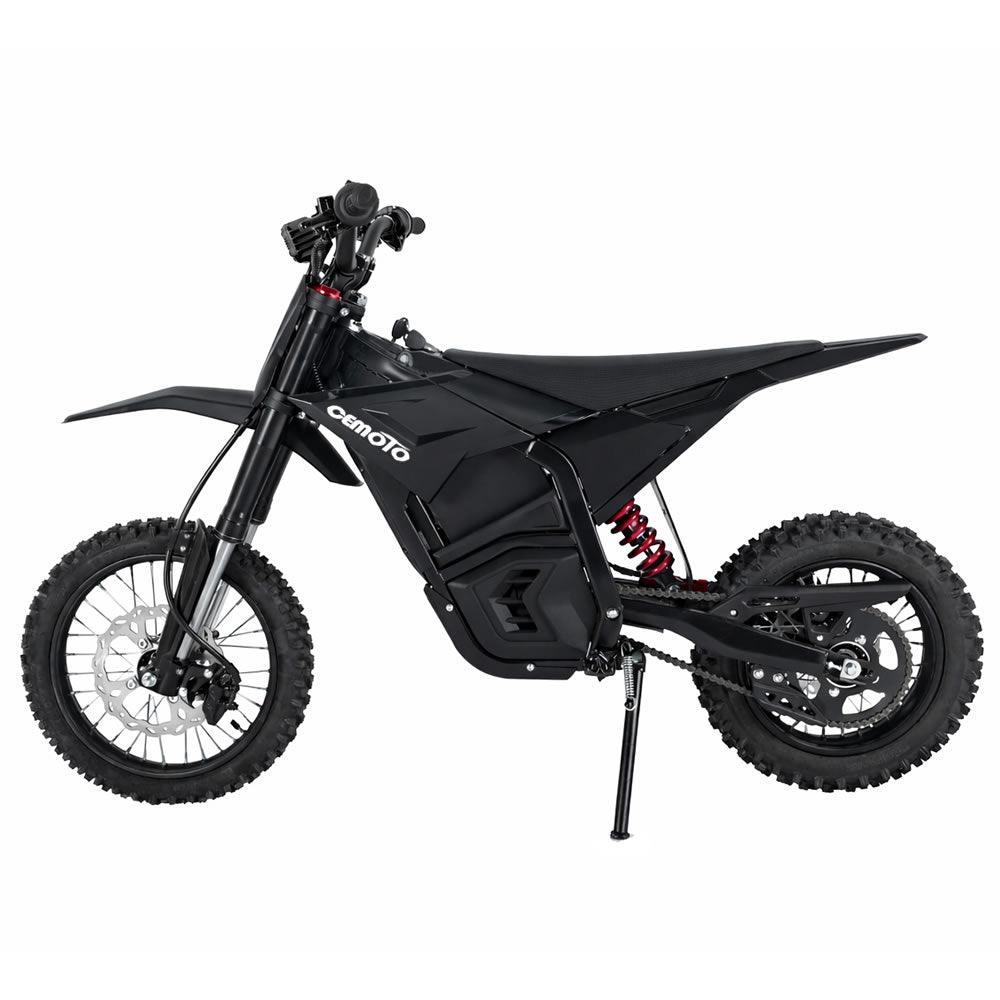
For those maintaining electric dirt bikes, modularity is even more critical due to the high-stress environment of off-road riding. Modular motor protection and heavy-duty charging accessories are essential for minimizing downtime. You can find a variety of compatible modular components in our accessories collection to support your ongoing maintenance.
Final Thoughts on Embracing Right-to-Repair
The right-to-repair movement empowers owners to keep their e-bikes on the road longer and more affordably. By learning to diagnose error codes and swap modular components safely, you break free from expensive proprietary ecosystems.
Success in DIY repair depends on three pillars: matching parts correctly, respecting safety standards like UL 2849, and knowing when to call a professional. Start with simple tasks—like cleaning connectors and adjusting sensors—and build your expertise from there. This approach not only saves money but also promotes a more sustainable, circular economy for micro-mobility.
Important Safety Note: Battery fires are a serious risk associated with damaged or incompatible electrical systems. Always prioritize certified components, follow manufacturer torque specs, and never leave a newly repaired bike charging unattended for the first few cycles.
