
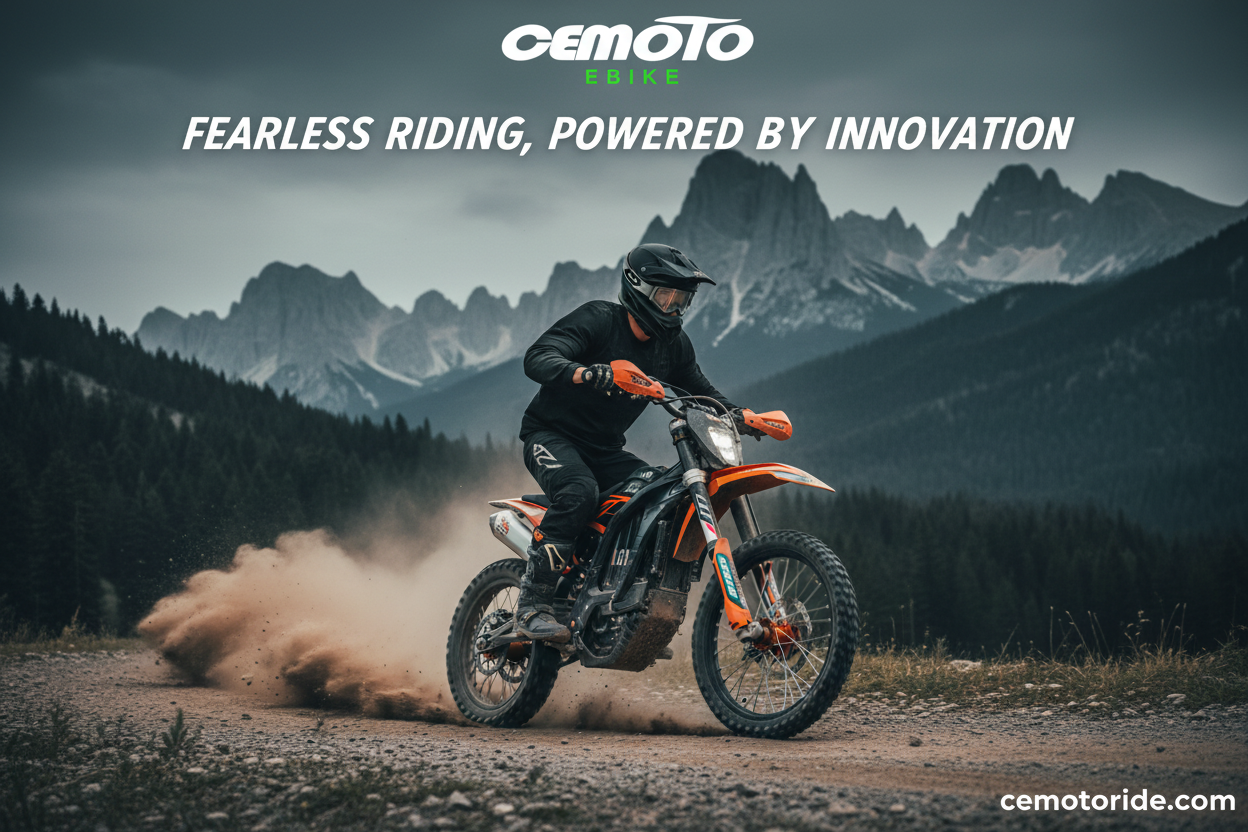
With their quiet power and quick torque, electric dirt bikes have changed the way people ride off-road. For new riders, the complicated clutch controls can be skipped, and they can get to the trail right away.
How to Select the Right Electric Dirt Bike for Your First Purchase
Choosing your first bike shapes your entire riding experience. The best electric dirt bike for you depends on physical size, skill level, and intended use.
Match Power to Your Experience Level
Adult riders should focus on adjustable power modes. Entry-level bikes offer 3-8 kilowatts, perfect for learning throttle control. Mid-range options provide 10-15 kilowatts for more aggressive trail riding. Avoid overpowered machines until you've logged significant saddle time.
Power delivery differs dramatically from gas engines. Electric motors produce maximum torque instantly. This requires different throttle management skills that beginners need time to develop.

Consider Your Physical Build
Seat height matters more than you think. Most electric dirt bikes for adults feature 33-37 inch seat heights. You should touch the ground with both feet while seated. This builds confidence during stops and low-speed maneuvering.
Weight plays a crucial role too. Lighter bikes around 110-140 pounds are easier to handle when you drop them. Heavier models offer more stability at speed but challenge beginners during recovery from mistakes.
Evaluate Battery Capacity and Range
Actual ranges will vary from the specifications. Aggressive riding will reduce the life of the batteries by 30-40%. Think about the nature of your rides. A 2-3 hour journey will need 2.5-3 kilo watt hour capacity batteries.
Batteries that are removable make life simpler. Charging can be done at home as the bike is stored in the garage. There are models that can utilize two batteries together.
| Feature | Beginner Priority | Intermediate Priority |
| Power Output | 3-8 kW | 10-15 kW |
| Seat Height | 32-34 inches | 34-37 inches |
| Weight | 110-130 lbs | 130-160 lbs |
| Battery | 2-3 kWh | 3-4 kWh |
| Suspension Travel | 8-10 inches | 10-12 inches |
Test Ride When Possible
Never buy without sitting on the bike. Dealerships often offer demo rides on beginner-friendly terrain. Pay attention to comfort, control reach, and overall feel. The best electric dirt bike is one that feels natural in your hands.
Essential Safety Gear Every New Rider Must Have Before Hitting Trails
Once you've selected your bike, proper protective equipment becomes the next priority. Trail riding demands specific gear that prevents serious injuries.
Core Protection Items
A DOT-certified helmet is non-negotiable. Full-face designs protect your jaw and chin during falls. Budget at least $200-400 for quality head protection. Replace helmets after any significant impact.
Chest protectors shield your ribs and vital organs from branches and rocks. Lightweight options provide freedom of movement while offering critical protection. Pair these with elbow guards for comprehensive arm coverage.
Lower Body Protection
Knee braces or guards prevent injuries during common falls. Hard-shell designs work better for aggressive riding, while soft pads suit casual trail exploration. Hip protection adds another safety layer without restricting movement.
Riding boots rank among your most important investments. Regular shoes offer zero ankle support or impact protection. Quality motocross boots cost $200-500 but prevent serious injuries that sideline riders for months.
Gloves and Goggles
Proper gloves improve grip and protect during hand-first falls. Look for reinforced palms and knuckle protection. Goggles shield eyes from dust, debris, and branches. Carry spare lenses for different light conditions.
Pre-Ride Safety Checks That Prevent Trail Problems
With your gear assembled, developing a pre-ride inspection routine becomes essential. These systematic checks take five minutes and save hours of trail-side repairs.
- Battery charge and connections: Verify charge shows at least 80% for extended rides. Confirm charging completed properly and connections are secure. Check for any warning lights or error codes on your display.
- Tire pressure and condition: Most dirt bikes run 12-15 PSI depending on terrain. Lower pressure improves traction in loose conditions, while higher pressure suits hard-packed trails. Inspect tires for cuts, embedded rocks, or excessive wear.
- Brake function: Squeeze each lever firmly and check for firm resistance. Spongy brakes need immediate attention before riding. Test brake engagement at low speed before committing to technical terrain.
- Chain tension and lubrication: Chain should allow about one inch of vertical movement. Too tight causes premature wear, while loose chains risk jumping off sprockets. Apply fresh chain lube if it looks dry or dusty.
- Suspension operation: Bounce the bike and listen for clunks or grinding. Suspension should compress smoothly without binding or strange noises. Check fork seals for oil leaks. Proper suspension function is critical for control and comfort.
Fundamental Riding Techniques for Electric Dirt Bike Control
After completing your safety checks, mastering basic techniques ensures a successful first ride. The instant power delivery of electric motors requires adapted skills.

Throttle Control and Power Management
Electric throttle response is immediate and linear. There's no engine rev or power curve to anticipate. Small throttle adjustments create larger speed changes than with gas bikes.
Practice smooth, gradual throttle inputs in open areas. Jerky movements upset bike balance and cause wheel spin. Most electric dirt bikes offer adjustable power modes. Start in the lowest setting while learning basic control.
Weight your outside footpeg through corners. This maintains traction and prevents sliding. Keep your vision up and look where you want to go, not at obstacles directly ahead.
Body Position and Balance
Stand on the pegs for technical terrain. This lowers your center of gravity and allows the bike to move underneath you. Bend your knees and elbows to absorb impacts.
Shift your weight forward when climbing hills. This keeps the front wheel grounded and prevents wheelies. Move back when descending to prevent going over the bars.
Tight turns require aggressive body positioning. Lean the bike while keeping your body more upright. Push the inside handlebar to initiate turns, then counter-steer to maintain the arc.
Emergency Maneuvers
Practice emergency stops in controlled conditions. The regenerative braking on electric dirt bikes adds complexity. Use both brakes together, applying front brake progressively while keeping weight back.
Low-speed balance drills build confidence. Ride slowly through cones or markers, keeping both feet on pegs. This teaches clutch-like throttle modulation and improves overall bike control.
Trail Etiquette, Legal Riding Areas, and Environmental Considerations
Beyond riding skills, responsible trail use protects access for future riders. New riders must understand where they can legally ride and how to share space.
Finding Legal Riding Locations
Public land doesn't automatically mean legal access. Check with local land management agencies about motorized vehicle regulations. Many areas require OHV registration even for electric bikes.
Private motocross tracks welcome beginners and offer controlled environments for skill development. State OHV parks provide marked trails with varying difficulty levels. Online forums and riding groups share location information and trail conditions.
Some trails ban electric bikes despite their environmental advantages. Always verify current regulations before riding new areas. Trespassing damages the sport's reputation and closes future access.
Sharing Trails Responsibly
Yield to hikers and horseback riders. Slow down well in advance and communicate your presence politely. Stop completely if horses appear nervous.
Stay on designated trails to prevent erosion. Cutting new paths damages ecosystems and risks trail closures. Ride through mud puddles rather than around them to avoid widening trail corridors.
Pack out everything you bring in. Carry a small bag for trash you encounter on trails. Report trail damage or illegal dumping to land managers.

Noise and Environmental Impact
Electric dirt bikes produce no exhaust emissions. The tire paths can also affect the vegetation. It is best to skip waterlogged paths to avoid excessive rutting. Keep to known routes to help preserve vegetation. Wear protective clothes to shield you from dirt bike abras.
Obey the quiet time rules for camping sites. Noiseless bicycles disrupt the normal activities of wildlife during dawn and dusk periods. Bicycle riding during mid-morning when animals are less active is recommended.
Start Your Electric Dirt Bike Adventure Today
Electric dirt bikes offer an accessible entry point into off-road riding. The combination of instant power, low maintenance, and quiet operation attracts new riders daily. Your preparation determines success on the trails. Invest in proper safety gear, choose an appropriate bike, and commit to developing fundamental skills through practice.
FAQs
Q1: How Long Does It Take to Charge an Electric Dirt Bike Battery Fully?
The time required for a complete charge is around 2 to 4 hours using conventional 110V power sockets. Quick chargers cut down this time to 60 to 90 minutes, but this might affect the lifespan of the batteries. Partial charges are perfectly fine for daily use because, in actual practice, batteries are less likely to be fully discharged.
Q2: Can Beginners Learn to Ride on Electric Dirt Bikes More Easily Than Gas Models?
Of course. Electric bikes don't have a clutch or gears, so newbies can focus on balance and controlling the throttle. The instant torque needs to be tweaked, but most riders get used to it after just a few runs. Power modes let you slowly boost speed as you get better.
Q3: What Is the Realistic Range for Trail Riding on a Single Charge?
Typical mileage for an electric dirtbike will be 30-50 miles over varied terrain, but rapid acceleration and high hill ascents will severely limit the range of the vehicle. Range can be expanded out to 60+ miles with conservative riding conditions over moderate trails and larger batteries.
Q4: Do Electric Dirt Bikes Require Special Licenses or Registration?
The laws are different for every state, so you must find out the laws regarding electric dirt bikes in the riding location state. Some states consider electric dirt bikes to be off-highway vehicles, which are required to be registered as OHVs. In some jurisdictions, electric dirt bikes are considered to be bicycles if their wattage does not exceed a certain level.
Q5: How Much Should I Budget for My First Electric Dirt Bike and Essential Gear?
Quality beginner bikes range from $3,000-6,000. Essential safety gear adds another $800-1,200. Include registration fees, insurance, and charging equipment in your budget. Plan for $5,000-8,000 total investment to start riding safely and legally.
Dejar un comentario
Todos los comentarios se revisan antes de su publicación.
Este sitio está protegido por hCaptcha y se aplican la Política de privacidad de hCaptcha y los Términos del servicio.