
Evaluating E-Moto Suspension and Torque for Steep Trail Riding


Choosing the right electric dirt bike for steep trail riding goes beyond peak power numbers. The key factors are how well the suspension handles repeated impacts and whether the motor delivers consistent low-speed torque without overheating on long climbs. For most riders weighing 150–220 lbs tackling rocky or loose hills, a 4000W–6000W model with at least 8 inches of suspension travel and proper sag setup often provides the best balance of control and reliability.

Steep trails demand sustained pulling power at low speeds rather than high top-end velocity. Instant torque is one of the biggest advantages of electric motors, but only if the system can maintain output without thermal throttling during extended climbs. Suspension that bottoms out repeatedly on roots or rocks quickly destroys rider confidence and traction. Rider weight plays a critical role here: heavier riders compress the suspension more, which can lead to bottoming or loss of ground clearance if the springs and damping are not matched properly.
Why Suspension Travel and Damping Matter More Than You Think
On technical off-road terrain, suspension travel determines how much the bike can absorb before bottoming out. Common recommendations for dirt bike suspension on rough trails start around 8–10 inches of travel for adult riders, though exact needs vary with riding style and terrain roughness. The goal is to maintain control over repeated bumps without the suspension packing down or becoming too soft.
Sag is a fundamental setup step that directly affects traction and handling. As this motorcycle suspension guide explains, rider sag should be set with the rider in full gear. A common heuristic is to aim for roughly one-third of total travel as rider sag, though the precise target depends on the bike and riding conditions. For example, on a bike with 9 inches of travel, you might target 3 inches of sag as a starting point.
Heavier riders generally require firmer springs or increased preload to keep sag within the desired range. Without this adjustment, the bike can sit too low, reducing available travel and increasing the risk of bottoming on steep descents or rocky sections. Free sag (bike sag without the rider) and rider sag together help dial in the correct spring rate for your weight and typical trail use.
Proper damping quality prevents the suspension from oscillating after impacts. Adjustable compression and rebound damping allow riders to tune the bike for specific conditions—slower rebound for rocky trails or faster for flowing singletrack. Many entry-level e-motos come with basic adjustable forks and shocks that work well once set up, but they may need servicing after heavy use.

Torque Delivery vs. Top Speed: What Actually Matters for Hill Climbing
For steep climbs, usable torque at low RPM matters far more than top speed. Electric motors excel at delivering instant torque, but the real-world performance depends on how smoothly that torque is delivered and whether the controller and motor can sustain it without overheating.
On loose or rocky trails, sudden torque spikes can break traction and cause wheel spin. Smooth, progressive power delivery helps maintain grip, especially when climbing out of ruts or over roots. Higher-wattage motors (5000W–6000W) typically offer more torque reserve, making them better suited for heavier riders or sustained climbs, while 3000W–4000W models can still perform well for lighter riders on moderate trails.
Heat management becomes critical during long technical routes. Motors and controllers generate significant heat under high load. Bikes with better passive cooling or thermal protection are less likely to derate power mid-climb. Look for models that emphasize sustained output rather than peak ratings alone when comparing specifications.
Power Range Guide: 3000W to 6000W for Trail Use in 2026
The appropriate power level depends on rider weight, terrain difficulty, and how aggressively you ride. In 2026, 3000W bikes can handle milder trails for riders under 180 lbs, but they may struggle with repeated steep climbs when carrying heavier loads or riding aggressively. 4000W–5000W models strike a good balance for most intermediate riders, providing enough torque reserve without excessive battery drain. 6000W options offer the most headroom for heavier riders or very technical routes.
Keep in mind that raw wattage numbers alone do not guarantee trail performance. The full system—battery capacity, controller tuning, and motor efficiency—determines real-world capability. Always check manufacturer specifications for continuous versus peak power ratings.
Steep Trail Riding: Heuristic Thresholds for Power, Suspension, and Rider Weight
Relative scenario map for steep trail riding. Higher scores indicate better fit or stronger support; the chart does not claim exact performance outcomes.
View chart data
| Category | Power support | Suspension support | Heavy rider fit | Trail capability | Risk of under-spec setup |
|---|---|---|---|---|---|
| 3000W | 2.0 | 2.0 | 1.0 | 2.0 | 4.0 |
| 4500W | 3.0 | 3.0 | 3.0 | 4.0 | 3.0 |
| 6000W | 4.0 | 4.0 | 4.0 | 5.0 | 1.0 |
Illustrative heuristic chart based on article evidence: sag around one-third of travel as a setup rule, heavier riders needing more support, and climb performance depending more on torque/support than top speed. Power range reflects product examples from 3000W to 6000W; values are relative scores, not measured performance.
This illustrative chart shows relative heuristic scores across power levels. Higher power generally improves support and reduces the risk of under-spec setups on demanding trails, particularly for heavier riders. Treat the values as guidance for comparison rather than laboratory-tested results.
Rider Weight Considerations and Setup Checklist
Your weight, including gear, directly influences suspension sag, traction, and motor workload. Heavier riders often need more suspension support to avoid excessive sag and maintain clearance. As community suspension discussions note, matching spring rates and preload to rider weight is essential for consistent performance.
Use this practical checklist before riding or purchasing:
- Weigh yourself with typical riding gear (boots, helmet, backpack).
- Check the bike’s recommended rider weight range in the specifications.
- Measure and set rider sag—aim for approximately 25–35% of total suspension travel as a starting point.
- Test the bike on a moderate hill: note any bottoming, wheel spin, or power loss.
- Monitor motor and controller temperatures during longer climbs.
- Adjust damping if the bike feels too bouncy or harsh over repeated impacts.
If you frequently ride with added weight or on very steep terrain, consider stepping up to a higher-power model with upgraded suspension components.
How to Compare Electric Dirt Bikes for Real Trail Performance
Avoid focusing solely on top speed or peak wattage. Instead, evaluate these factors:
- Continuous power rating rather than peak only.
- Suspension travel and adjustability—look for at least 8 inches and tunable damping.
- Battery capacity and thermal management for sustained climbs.
- Torque curve characteristics—smooth delivery is preferable to abrupt power.
- Overall weight and geometry—lighter bikes can feel more agile on technical trails.
Test rides on similar terrain provide the best insight. Many buyers start by comparing specs online but confirm performance through local demo rides or detailed owner reviews.
Our Gas vs Electric Dirt Bike comparison covers additional differences in torque delivery and maintenance that affect long-term trail use. For full-suspension considerations on fat-tire models, see our hardtail vs full suspension guide.
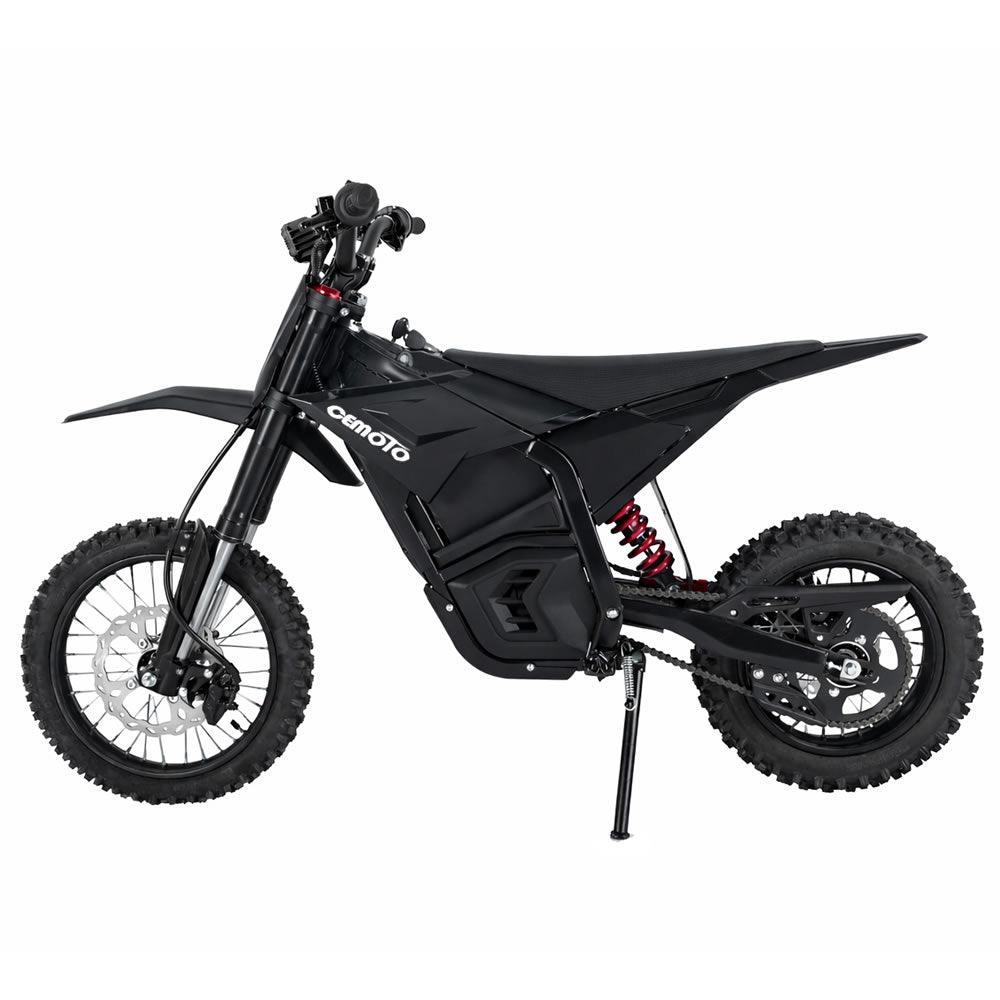
The CEMOTO D-Series offers configurable power from 3000W to 6000W with off-road suspension designed for trail conditions. Explore the full lineup to find a model that matches your weight and riding style: CEMOTO D-Series Off-Road Electric Dirt Bike.
Health and Comfort Disclaimer
This article discusses setup advice and comfort factors for off-road riding only. It is not medical advice, nor does it diagnose or treat any condition. Suspension tuning and power selection can influence rider fatigue and perceived comfort, but individual results vary based on fitness, technique, and terrain. If you experience persistent discomfort, pain, or have pre-existing conditions, consult a qualified professional. Always prioritize safety gear and ride within your skill level.
Electric dirt bikes continue to evolve, with better thermal management and tunable suspension becoming more accessible. By focusing on sag setup, torque delivery, and matching power to your needs, you can select a bike that performs reliably on the steepest trails rather than just looking fast on paper. Take time to dial in your setup and consider starting conservatively—proper preparation leads to more enjoyable and safer rides.
