
Hardtail vs. Full Suspension: Which Fat Tire E-Bike Setup Do You Need?


Master the differences between hardtail and full suspension setups. Find out if a hardtail or full suspension fits your trail riding and budget perfectly.
Fat tire electric bikes have changed how riders tackle challenging terrain. The suspension choice you make affects everything from comfort to control. Hardtail models offer simplicity and efficiency, while Full suspension systems deliver maximum cushioning. Your riding style and terrain determine which setup works best for your needs.
Quick Comparison: Hardtail vs. Full Suspension at a Glance
| Feature | Hardtail | Full Suspension |
| Best for | Snow, sand, commuting, smooth trails | Rocky trails, technical singletrack, downhill |
| Price range | $800-1,500 less expensive | Higher initial investment |
| Weight | 5-8 lbs lighter | Heavier due to rear shock system |
| Maintenance | Front fork only | Front fork + rear shock + pivot bearings |
| Efficiency | 10-15% better battery range | Some energy loss to suspension |
| Comfort level | Moderate (relies on tire cushioning) | High (absorbs impacts at both wheels) |
| Learning curve | Easier for beginners | Simple to ride, complex to maintain |
| Cargo capacity | Better for heavy loads | Requires shock adjustment for loads |
The Core Differences Between Hardtail and Full Suspension Fat Tire E-Bikes
Before diving into specific scenarios, you need to grasp what separates these two designs.
Frame Construction and Pivot Points
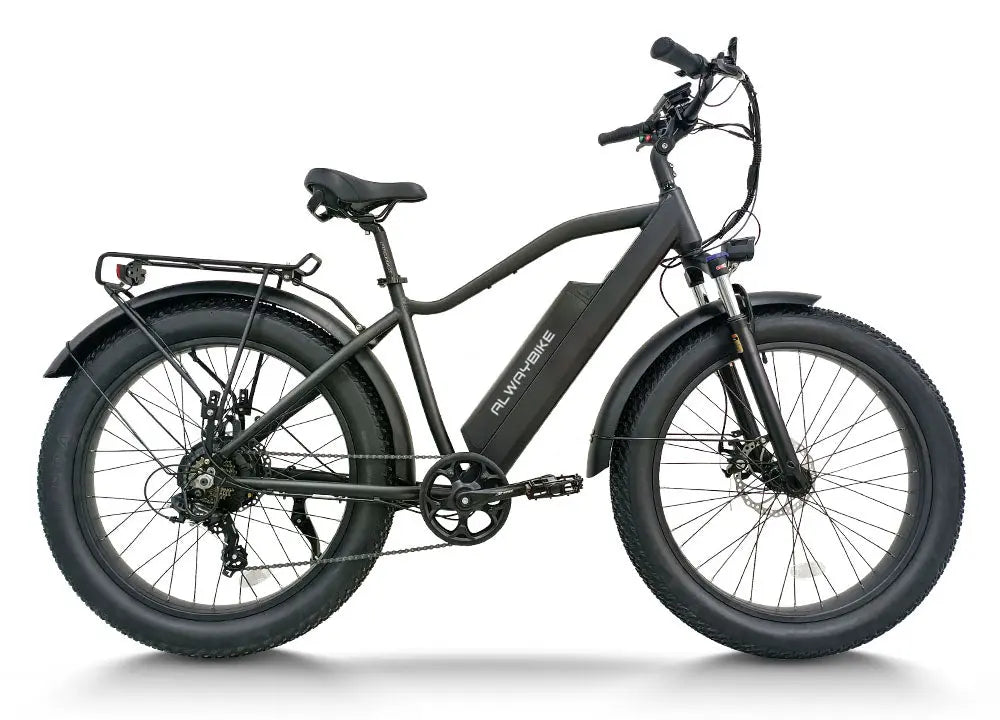
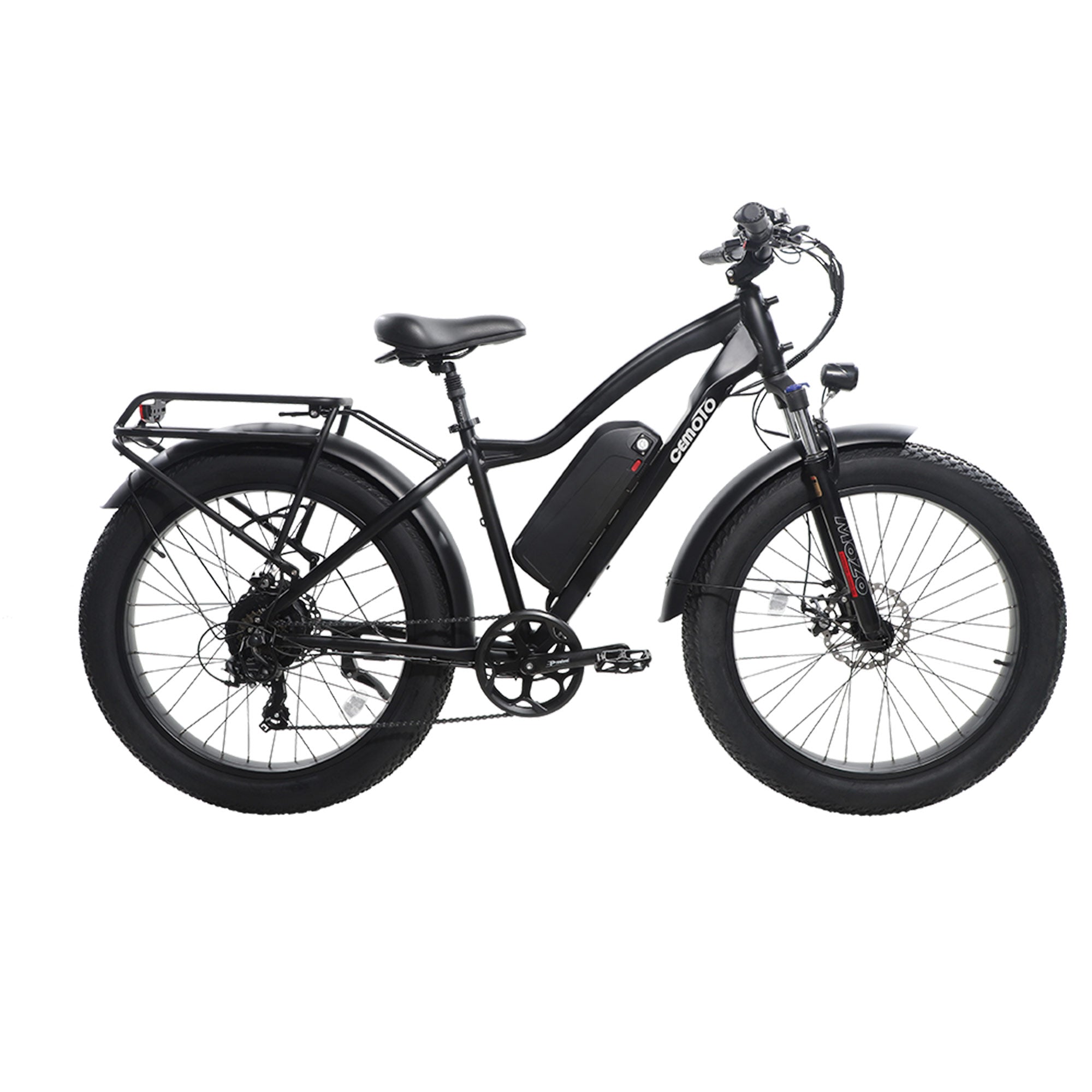
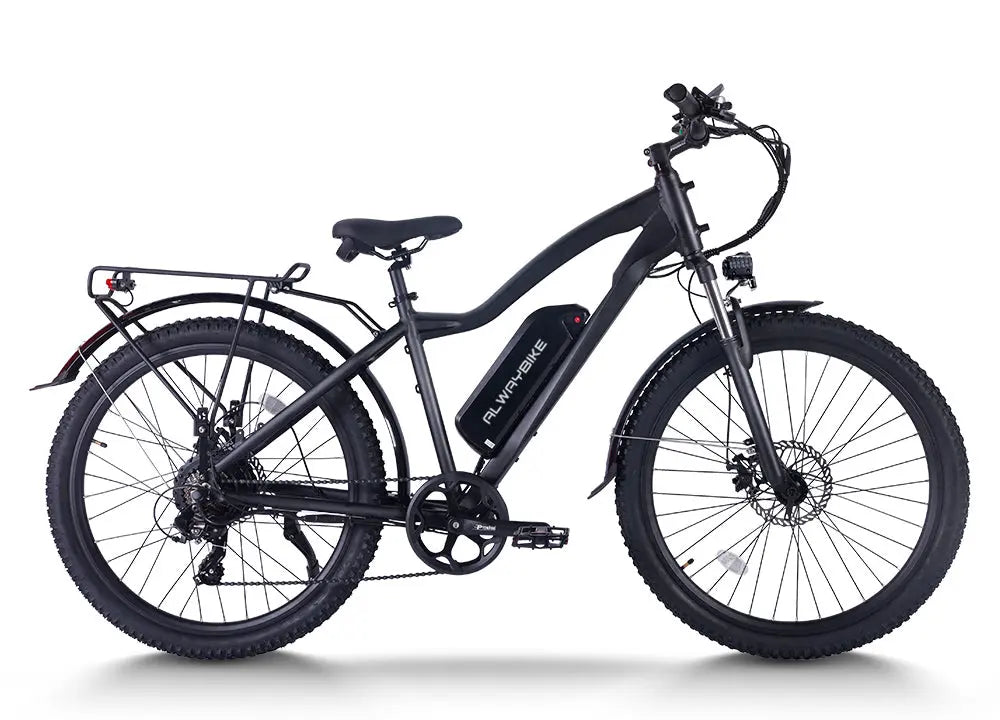
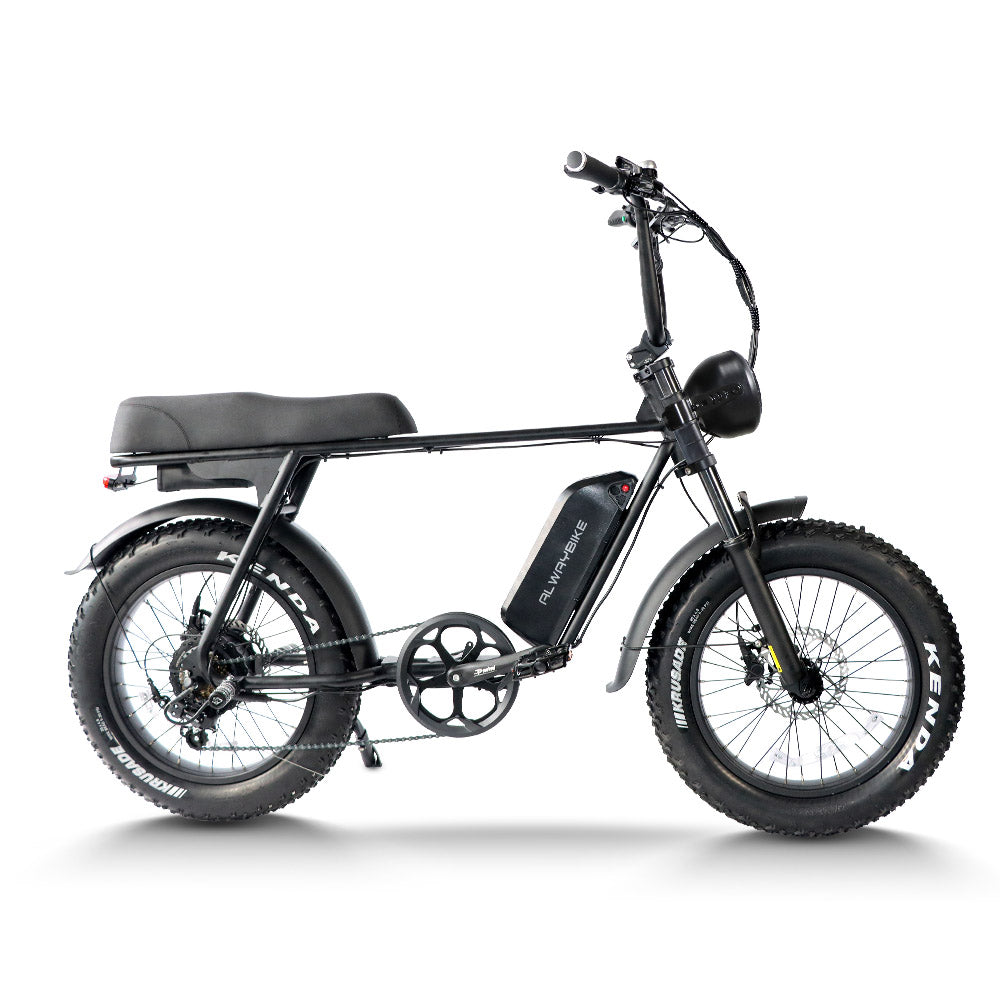
Hardtail frames feature front shock tubes only. The rear triangle stays rigid, connecting directly to the main frame. This creates a simpler structure with fewer moving parts.
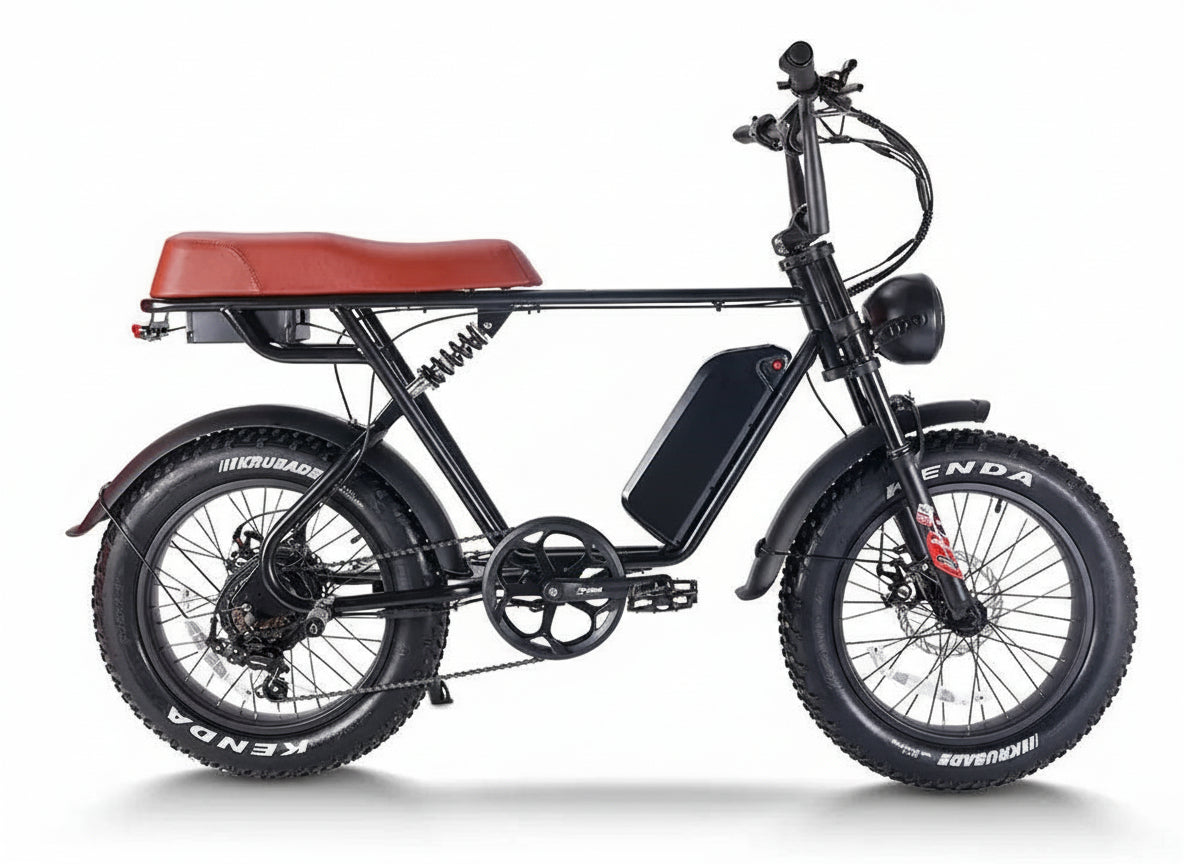
Full suspension bikes add rear shock absorption through pivot points and linkages. The rear wheel moves independently, following terrain contours. This design requires more complex engineering and additional components.
Weight Distribution Patterns
A hardtail electric dirt bike typically weighs 5 to 8 pounds less than its full suspension counterpart. The weight savings come from eliminating rear shock hardware and pivot assemblies. You’ll notice this difference when lifting the bike or climbing steep grades.
Full suspension systems add mechanical complexity. The extra weight sits low in the frame, which can actually improve stability at speed. Battery placement becomes more critical with the added rear suspension components.
When Hardtail Fat Tire E-Bikes Make the Most Sense
Certain riding conditions favor the simplicity of hardtail designs.
Snow and Sand Performance
Fat tires already provide substantial cushioning through lower air pressure. On snow and beach sand, the tire itself absorbs most impacts. A hardtail setup transfers pedaling power more directly to the ground. You get better traction when climbing soft dunes or pushing through deep powder.
The rigid rear end prevents energy loss from suspension bob. Every watt from your motor goes straight to forward motion. This efficiency matters when battery range becomes a concern on long beach rides.
Urban Commuting and Paved Trails
City riders rarely encounter obstacles that demand rear suspension. Smooth bike paths and maintained roads don’t generate harsh impacts. A hardtail electric dirt bike for adults handles these conditions perfectly while costing less.
The simpler design means fewer maintenance appointments. You won’t need to service rear shock seals or check pivot bearings. This reliability appeals to commuters who want transportation, not a hobby project.
Budget Considerations and Value
Price differences between hardtail and full suspension models can reach $800 to $1,500. That money could go toward better battery capacity or upgraded components. Many riders find hardtails offer better value for their specific needs.
Lower maintenance costs add up over time. Replacing a rear shock or rebuilding pivot bearings costs hundreds of dollars. Hardtail owners avoid these expenses entirely.

Full Suspension Advantages for Aggressive Riding Styles
Technical terrain demands the capabilities that full suspension provides.
Rocky Trail Navigation
Loose rocks and embedded boulders punish rigid frames. Your rear wheel needs to track over obstacles without bouncing. Full suspension keeps the tire planted, maintaining traction through rough sections.
The best electric dirt bike setups for mountain trails include quality rear shocks. You can ride faster through technical zones because the bike absorbs impacts instead of your body. Fatigue sets in much slower on long rides.
Root Systems and Forest Singletrack
Tree roots create repetitive, jarring impacts. A hardtail transmits every hit straight to your spine. Full suspension smooths these obstacles, letting you focus on line choice instead of bracing for impacts.
Wet roots become especially treacherous. Rear suspension helps maintain contact pressure, reducing the chance of washouts. You gain confidence to push harder through challenging sections.
Downhill Speed and Control
Steep descents amplify every terrain feature. Full suspension keeps both wheels tracking properly at high speeds. You maintain steering control even when the trail gets rough.
Braking performance improves dramatically with rear suspension. The wheel stays in contact with the ground instead of skipping. This means shorter stopping distances and more predictable handling.
Maintenance Requirements: What You’re Signing Up For
The complexity difference between these systems affects your long-term ownership experience.
| Maintenance Task | Hardtail Frequency | Full Suspension Frequency |
| Shock service | Front only (100-150 hours) | Front and rear (100-150 hours each) |
| Pivot bearing check | N/A | Every 50 hours |
| Frame inspection | Annual | Every 6 months |
| Cleaning difficulty | Low | Moderate to high |
Hardtail Simplicity
Front fork maintenance represents your only suspension concern. Most riders can learn basic fork service with online tutorials. The process takes about an hour once you’ve done it a few times.
Frame cleaning goes quickly without rear linkages to work around. You simply wipe down the tubes and check for cracks. This simplicity appeals to riders who want minimal workshop time.
Full Suspension Demands
Rear shocks require specialized tools for proper service. Many riders choose professional mechanics for this work. The cost ranges from $75 to $150 per service, depending on shock complexity.
Pivot bearings wear gradually and need periodic replacement. Neglecting this maintenance leads to play in the rear end. The bike feels vague and unresponsive when bearings deteriorate.
Mud and debris accumulate around linkages. Thorough cleaning takes extra time but prevents premature wear. You’ll spend more time with a brush and degreaser.
Power Delivery and Pedaling Efficiency Across Different Setups
Motor characteristics interact differently with each frame type.
Hardtail Power Transfer
The rigid rear triangle delivers immediate response when you hit the throttle. Power flows directly from motor to rear wheel without suspension movement absorbing energy. This directness feels snappy and engaging on smooth terrain.
pedal-assist modes work efficiently because there’s no suspension bob. Your pedaling effort translates straight to forward motion. Battery range often extends 10-15% compared to full suspension on similar terrain.
Full Suspension Energy Management
Rear suspension compresses slightly under power, especially during hard acceleration. Modern designs minimize this bob through linkage geometry. High-quality shocks include lockout features that firm up the rear for climbing.
The best electric dirt bike models balance suspension action with pedaling efficiency. You sacrifice some directness but gain traction on loose climbs. The rear wheel maintains ground contact instead of spinning out.
Terrain-Specific Recommendations Based on Real Riding Conditions
Your local trails should guide your decision more than general advice.
Gravel Roads and Fire Roads
These maintained surfaces don’t justify full suspension costs. Small rocks and washboard sections feel harsh on a hardtail but remain rideable. Fat tires at 8-12 PSI provide adequate cushioning for most riders.
Speed limits come from loose surface traction, not suspension capability. You’ll slide out before suspension becomes the limiting factor. Save money and weight with a hardtail setup.
Technical Mountain Bike Trails
Purpose-built singletrack with rock gardens and drops demands full suspension. The performance gap becomes obvious on these features. A hardtail electric dirt bike for adults will handle them, but you’ll work much harder.
Your skill level matters here. Beginners might not notice the difference initially. Intermediate and advanced riders immediately feel the traction and control advantages.
Mixed-Use Scenarios
Many riders face varied terrain on single rides. You might pedal paved paths to reach trail systems. This creates a dilemma since no single setup excels everywhere.
Consider which terrain you ride most often. If 70% of your miles happen on smooth surfaces, optimize for that. The occasional rough section won’t ruin your experience on a hardtail.
Weight Capacity and Load-Bearing Differences
Cargo carrying affects how each frame type performs.
Hardtail frames handle heavy loads more predictably. The rigid rear maintains geometry under weight. Panniers and cargo racks mount solidly without interfering with suspension movement.
Full suspension bikes can struggle with heavy loads. Rear suspension sag increases, changing the bike’s handling characteristics. You might need to adjust shock pressure frequently if load weight varies. Some full suspension designs specifically accommodate cargo better than others.
Making Your Final Decision: A Practical Framework
Several factors should influence your choice beyond simple preference.
Riding Frequency and Commitment Level
Casual riders who pedal once or twice weekly often prefer hardtail simplicity. The lower maintenance burden suits occasional use. You won’t forget to service components because there are fewer to track.
Dedicated riders who log 50+ miles weekly might justify full suspension costs. The comfort and performance benefits compound over many hours. Your body will thank you for the extra cushioning.
Physical Considerations
Back problems or joint issues make full suspension more appealing. The extra cushioning reduces impact forces transmitted to your body. Older riders often find full suspension extends their riding years.
Younger, more resilient riders might not notice discomfort on hardtails. Your body naturally absorbs impacts better. The performance trade-offs matter less when you’re not fighting fatigue or pain.
Future Upgrade Potential
Hardtail frames accept wider component ranges. You can easily upgrade wheels, tires, or drivetrain parts. The simpler design means more cross-compatibility between brands.
Full suspension upgrades often require frame-specific parts. Rear shocks come in different sizes and mounting standards. This limits your options and increases costs for improvements.
Ready to Choose Your Perfect Fat Tire E-Bike Setup?
Your terrain and riding style should drive this decision, not trends or marketing claims. Hardtail electric dirt bikes deliver efficiency and simplicity for smooth trails and budget-conscious riders. Full suspension models provide comfort and control on technical terrain where performance justifies the added cost. Test ride both types on your actual riding routes before committing. The right choice becomes obvious once you experience each setup on familiar ground.
Frequently Asked Questions
Q1: Can You Add Rear Suspension to a Hardtail Frame Later?
No, you cannot convert a hardtail to full suspension. The frame design fundamentally differs between these types. Hardtail frames lack the pivot points and shock mounts that full suspension requires. You would need to purchase an entirely new frame and rebuild the bike. Some riders add suspension seatposts to hardtails for minor comfort improvements, but this doesn’t replicate true rear suspension performance.
Q2: Does Full Suspension Significantly Reduce Battery Range on Electric Dirt Bikes?
Yes, full suspension typically reduces range by 10-20% compared to hardtails. The rear shock absorbs some pedaling energy through suspension movement. Additional weight from rear components also demands more power. However, modern linkage designs minimize this efficiency loss through anti-squat geometry. Lockout features on quality shocks let you firm up the rear for efficient climbing when needed.
Q3: Which Setup Works Better for Heavier Riders Over 250 Pounds?
Full suspension generally suits heavier riders better for comfort, but requires proper setup. You’ll need to adjust shock pressure and possibly spring rates to match your weight. Hardtails work fine if you ride smooth terrain, but impacts feel harsher at higher body weights. Check manufacturer weight limits carefully, as some frames specify maximum rider weights that exclude cargo.
Q4: How Much More Expensive Is Full Suspension Maintenance Over Five Years?
Full suspension maintenance costs approximately $400-600 more over five years. This includes rear shock services every 100-150 hours at $75-100 each, plus pivot bearing replacements at $100-150 per service. Hardtails only require front fork service during this period. The actual cost varies based on riding frequency and whether you perform service yourself or use professional mechanics.
Q5: Can Beginners Handle the Best Electric Dirt Bike Models With Full Suspension?
Yes, beginners can absolutely ride full suspension electric dirt bikes safely. The added suspension actually helps new riders by smoothing terrain and maintaining traction. However, beginners might not fully appreciate the performance benefits initially. Consider whether the extra cost makes sense before you’ve developed skills to utilize full suspension capabilities. Many riders start with hardtails and upgrade later as their abilities progress.
