

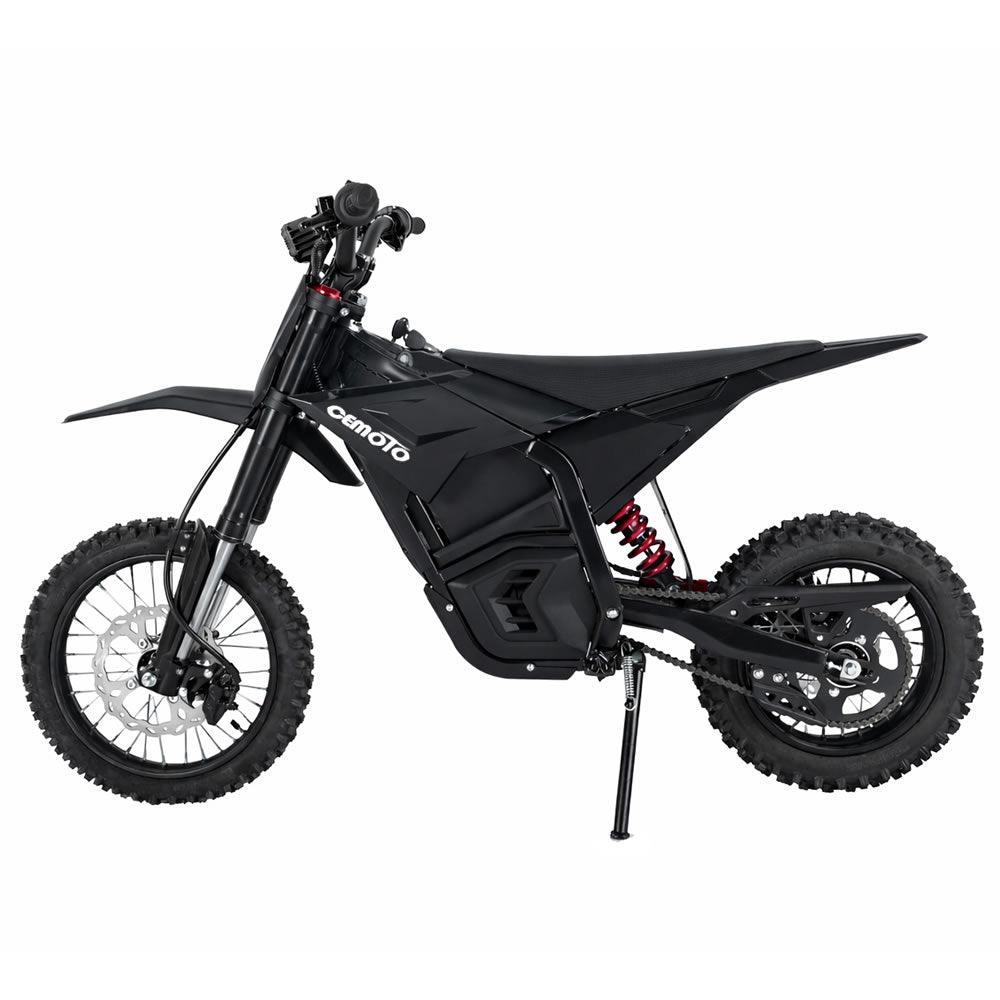
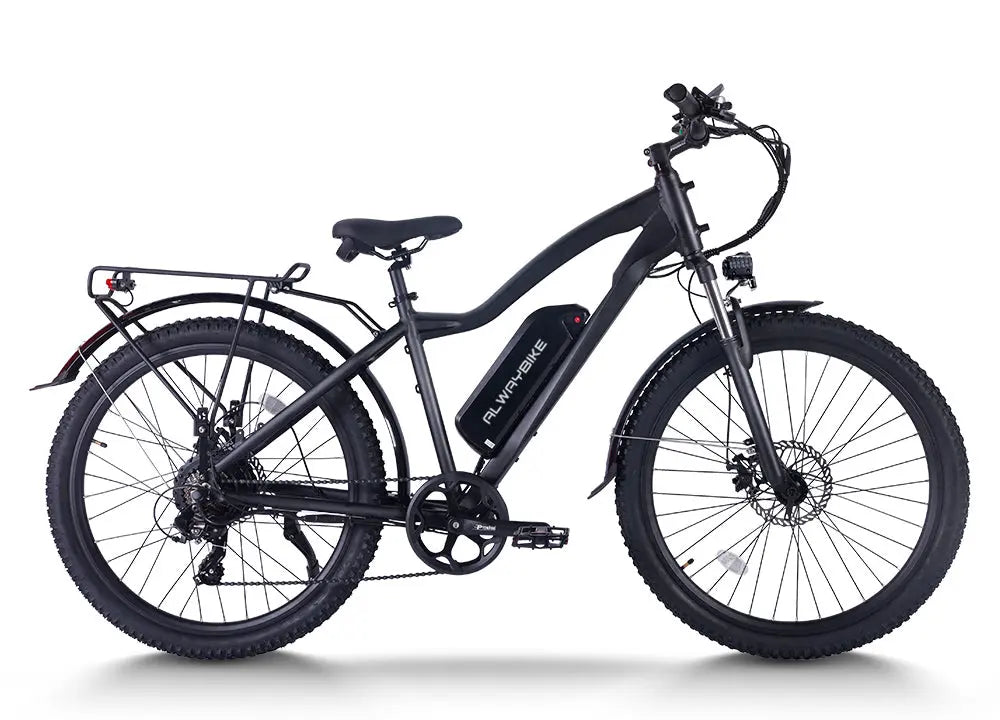
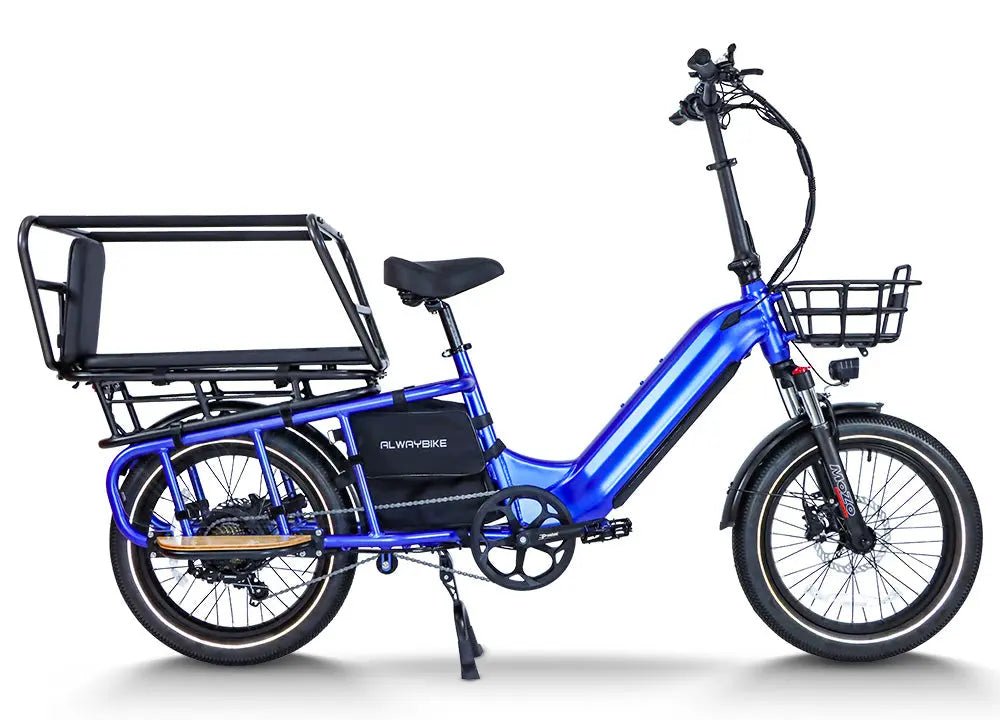
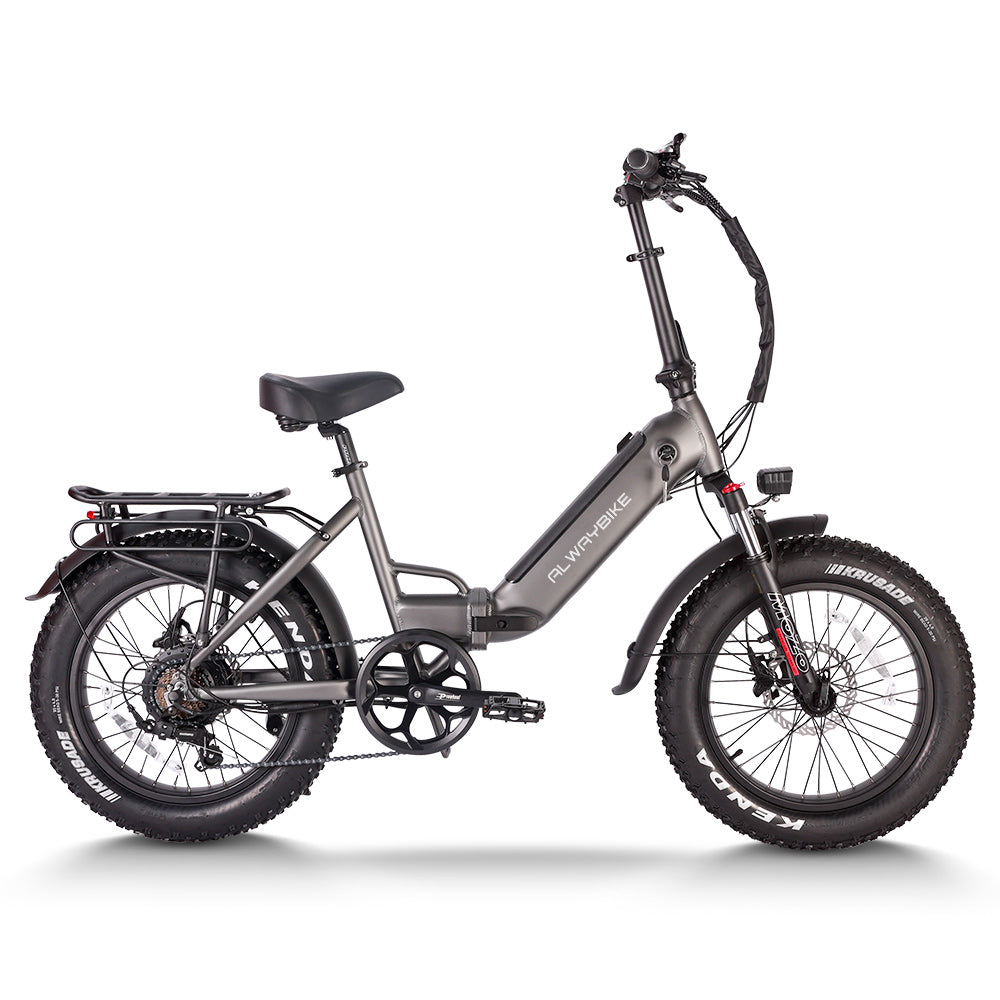


Commuter
Ebike
Range Simulator
Configure the parameters below to generate a physics-based range estimation.
1
Configure Your Bike
Select Model
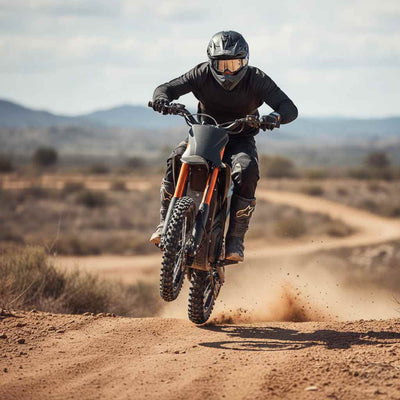
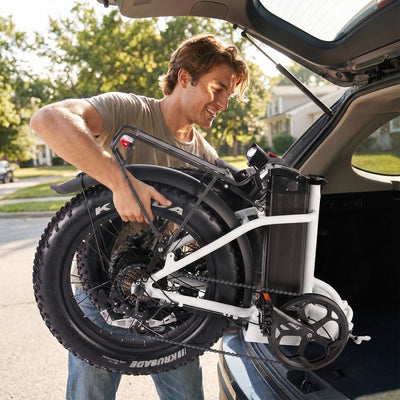
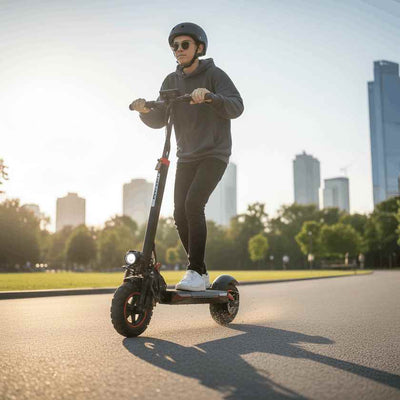
Dirt
Bike
Bike
Folding
Ebike
Ebike
E-Scooter
Power System
2
Rider & Environment
Total Payload (Rider + Gear)
Road Conditions
Headwind / High Speed
Simulate drag >20mph or strong wind
3
Select Assist Level
The Science of E-Bike Range: Why Real-World Performance Varies
When shopping for an electric bike, the "Range" specification is often the most scrutinized number. However, it is also the most misunderstood. Most manufacturers provide a range estimate based on ideal conditions: a lightweight rider, flat terrain, low wind, and minimal speed. While these numbers are technically achievable, they rarely reflect the reality of daily commuting or off-road riding.
At CEMOTO, we believe in transparency. That is why we developed the Pro Range Simulator. Instead of giving you a single, static number, this tool uses a physics-based engine to calculate energy consumption based on mass, aerodynamics, and rolling resistance. To get the most out of your e-bike, it is essential to understand the variables that affect your battery life.
The Physics of Battery Drain
An e-bike motor converts electrical energy (stored in the battery) into mechanical energy (motion). The amount of energy required to move you forward is not constant; it changes based on three primary opposing forces:
- Aerodynamic Drag: This is the resistance caused by air pushing against the rider and the bike. Drag is not linear; it increases with the square of your speed. This means that increasing your speed from 20 mph to 28 mph doesn't just use a little more power—it can nearly double the energy consumption per mile. This is why high-speed riding drains the battery so quickly.
- Rolling Resistance: This is the friction between your tires and the ground. Factors such as tire width, tread pattern, and tire pressure play a significant role. A fat-tire e-bike with low pressure on a dirt path will require significantly more watts to maintain speed than a commuter bike with high-pressure tires on asphalt.
- Gravitational Force (Grade): When riding on flat ground, the motor only needs to overcome drag and friction. However, when climbing a hill, the motor must also lift the total weight of the bike and rider against gravity. In this scenario, the total payload weight becomes the most critical factor in range calculation.
Understanding Watt-Hours (Wh) and Efficiency
To accurately predict range, you must look beyond the "Voltage" and "Amp Hour" labels and calculate the total energy capacity, measured in Watt-Hours (Wh). The formula is simple: Voltage × Amp Hours = Watt Hours.
For example, a 48V 15Ah battery contains 720 Wh of energy. Think of this as the size of your fuel tank. The efficiency of your ride is measured in "Watt-Hours per Mile" (Wh/mi), which is similar to "Gallons per Mile" in a car. A typical efficient ride might consume 20 Wh/mi, giving you a range of 36 miles (720 ÷ 20). However, aggressive riding with a throttle might consume 40 Wh/mi, cutting that range in half to 18 miles.
External Factors: Temperature and Terrain
Physics isn't the only factor; the environment plays a crucial role. Lithium-ion batteries are sensitive to temperature. In cold weather (below 40°F / 4°C), the internal resistance of the battery cells increases, which prevents them from releasing energy efficiently. Riders can expect a range drop of 20% to 30% in freezing conditions compared to warm weather.
Terrain is equally important. Stop-and-go city riding requires frequent acceleration, which consumes more energy than maintaining a constant speed. Similarly, soft terrain like sand, mud, or snow drastically increases rolling resistance, requiring the motor to work harder to maintain momentum.
Optimizing Your Ride
While you cannot change the laws of physics, you can adjust your riding habits to extend your range. The most effective method is to reduce speed. As mentioned, air resistance is the biggest energy thief at high speeds. Dropping your speed by just 5 mph can result in significant range gains. Additionally, utilizing the pedal-assist system (PAS) rather than the throttle ensures that human power is supplementing the motor, reducing the electrical load and extending the battery's life per charge.
Frequently Asked Questions
Why is my calculated range lower than the manufacturer's claim?
Manufacturers often test ranges in 'Eco' mode on flat ground with a 165lb rider. If you input a heavier weight, select 'Throttle' mode, or account for hills, our calculator shows the real-world result, which is naturally lower but more accurate.
Does cold weather affect e-bike range?
Yes, significantly. Lithium-ion batteries rely on a chemical reaction to release energy. In temperatures below freezing (32°F / 0°C), the internal resistance increases, and you may lose 20% to 30% of your total range. Store your battery inside at room temperature before riding in the cold.
How can I extend my range on a long trip?
The most effective way to extend range is to slow down. Dropping your speed from 20 mph to 15 mph can increase your range by 30%. Additionally, ensure your tires are inflated to the maximum recommended PSI and use a lower pedal-assist level.
What does "Wh/mi" mean in the results?
Wh/mi stands for "Watt-hours per mile." It measures energy consumption. A lower number means you are riding efficiently. For example, 15 Wh/mi is very efficient (Eco mode), while 45 Wh/mi is high consumption (High speed/Throttle).
Does rider weight affect range on flat ground?
On flat ground, weight has a minor impact on range compared to wind resistance. However, weight becomes the most critical factor when climbing hills or accelerating from a stop.