
The 2026 Guide to Sourcing Compatible E-Bike Replacement Parts


When your e-bike controller fails or the display goes blank, the right replacement part can get you back on the road in hours instead of days, provided you verify voltage, connector type, and system architecture before ordering. This 2026 guide shows DIY riders and commuters exactly how to identify failed components, avoid misleading "universal" claims, and source reliable modular parts that actually fit their setup.

Why Compatibility Matters More Than Ever in 2026
E-bike systems have grown more sophisticated, with tighter integration between battery, motor, controller, display, and wiring harnesses. A mismatch in any one area can prevent the bike from powering on, trigger error codes, or in rare cases create electrical safety risks. Official safety guidance emphasizes that e-bike batteries and charging connectors are not universal, so buyers should verify compatibility before ordering any replacement. The same principle applies to controllers, displays, and harnesses.
Consumer safety materials further recommend using parts that are explicitly compatible with your device rather than assuming a near-match will work. This cautious approach helps avoid wasted shipping costs, downtime, and potential warranty issues.
Common E-Bike Components That Need Replacement
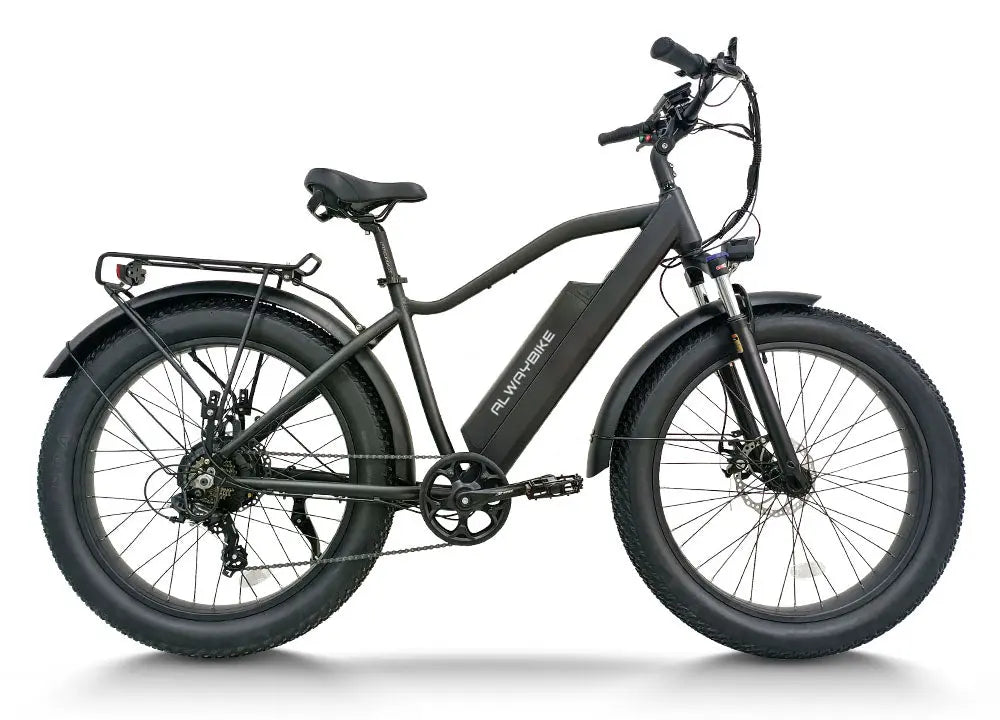
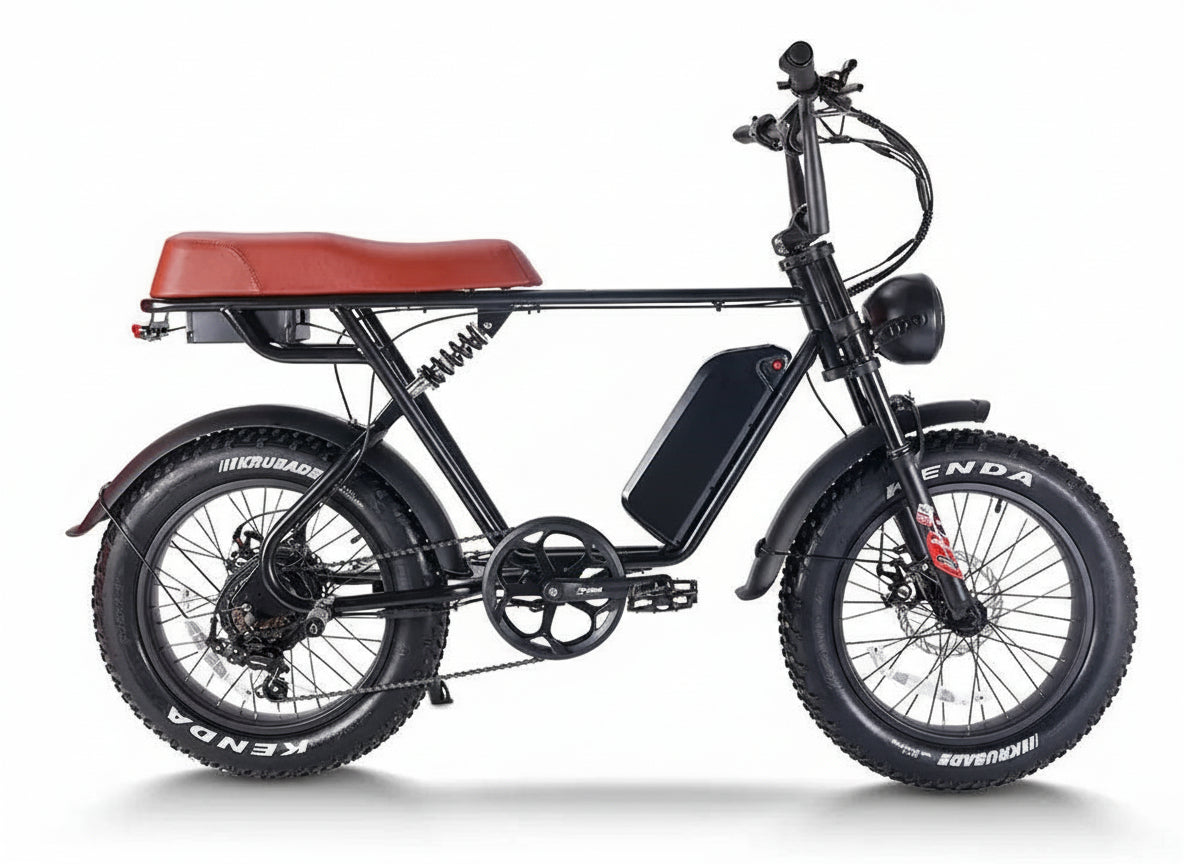
A typical e-bike system includes the battery, motor, controller, throttle, display, brake switches, and wiring harnesses. When something stops working, start by pinpointing which component has failed.
- Controller: The "brain" that regulates power from the battery to the motor. Symptoms of failure include sudden power loss, overheating, or error codes on the display.
- Display: Shows speed, battery level, assist mode, and error messages. A blank or flickering screen often points to a bad connection or failed unit.
- Wiring Harness: Carries signals and power between components. Damaged insulation, corroded pins, or loose plugs frequently cause intermittent issues.
- Throttle or Brake Sensors: These smaller parts fail less often but can mimic bigger problems when they do.
Understanding the system layout helps you test one piece at a time instead of replacing everything at once.
How to Identify Your Current Setup Before Buying
Grab your multimeter, take clear photos of existing connectors, and note the following details:
- Voltage rating (usually 36V, 48V, 52V, or 72V)
- Connector shape, color, and pin count
- Motor type (hub-drive or mid-drive) and wattage
- Display protocol or brand markings (KT, Bafang, generic LCD)
- Any visible model numbers on the controller housing or display casing
This information forms the foundation of any successful parts order. Without it, you risk buying an incompatible component that will not plug in or communicate correctly.
Key Compatibility Factors: Voltage, Connectors, Protocols, and More
Compatibility goes far beyond matching the voltage. Even when connectors appear similar, differences in pin layout or communication protocol can render a part useless.
As regulatory materials note, connector-compatibility verification remains important for electrical safety. For controllers and displays, you must also consider:
- Connector type and pin layout: The physical plug must match exactly.
- Communication protocol: Some displays use UART, others CAN bus or proprietary protocols.
- Firmware compatibility: A new controller may require specific firmware to work with your motor and display.
Wiring harnesses add another layer. Even in modular systems, the harness and connectors still need to match the intended controller or motor ecosystem.
Here is an illustrative comparison of relative verification effort required for common replacements:
Compatibility Risk by Replacement Part
Heuristic compatibility risk framework for common e-bike replacement parts. Higher values mean higher risk and more items to verify before purchase.
View chart data
| Category | Voltage Match | Connector Type | Protocol / Pin Layout |
|---|---|---|---|
| Controller | 5.0 | 4.0 | 5.0 |
| Display | 3.0 | 5.0 | 4.0 |
| Wiring Harness | 2.0 | 5.0 | 3.0 |
| Throttle/Sensor | 2.0 | 4.0 | 3.0 |
Illustrative heuristic scoring based on common compatibility checks mentioned in the article context: voltage match, connector type, pin layout, and protocol/firmware dependence. Scores are relative risk levels (1=low, 5=high), not official statistics or measured failure rates.
Controller replacements typically require the most careful checking across all three factors, while displays and wiring harnesses demand extra attention to connectors and pin layout.
OEM vs Aftermarket Replacement Parts
When the exact model is known, OEM parts are usually the lowest-risk choice for fitment and function. They are designed for your specific bike and carry the original warranty coverage in many cases.
Aftermarket and modular parts can offer significant cost savings and faster availability, especially for popular platforms. The trade-off is higher verification effort. Look for vendors that publish detailed compatibility charts, voltage ranges, and connector photos rather than vague "universal" marketing language.

Display replacement usually requires checking the controller connection and wiring harness together, not just the screen itself. A connector match does not guarantee full compatibility because controller, display, and firmware details can still differ.
Practical Buying Checklist for Compatible Parts
Use this step-by-step process before placing any order:
- Photograph and measure every connector on the failed part.
- Record the exact voltage of your battery pack.
- Note any brand markings or model numbers visible on the component.
- Cross-reference the new part's specifications against your notes.
- Confirm whether the seller offers returns for compatibility issues.
- For controllers and displays, ask the seller about protocol compatibility if it is not clearly listed.
Following this checklist dramatically reduces the chance of receiving a non-functional part. Treat any listing that claims "fits all e-bikes" with caution.
Where to Source Reliable E-Bike Parts Online
Specialized online retailers that focus on modular e-bike components generally provide better documentation than general marketplaces. Look for shops that list exact voltage ranges, connector types, and compatible motor brands.
Manufacturer-direct stores and dedicated electric bike parts suppliers often stock both OEM and high-quality aftermarket options. When shopping for your specific model, prioritize vendors who ship quickly and clearly state compatibility requirements.
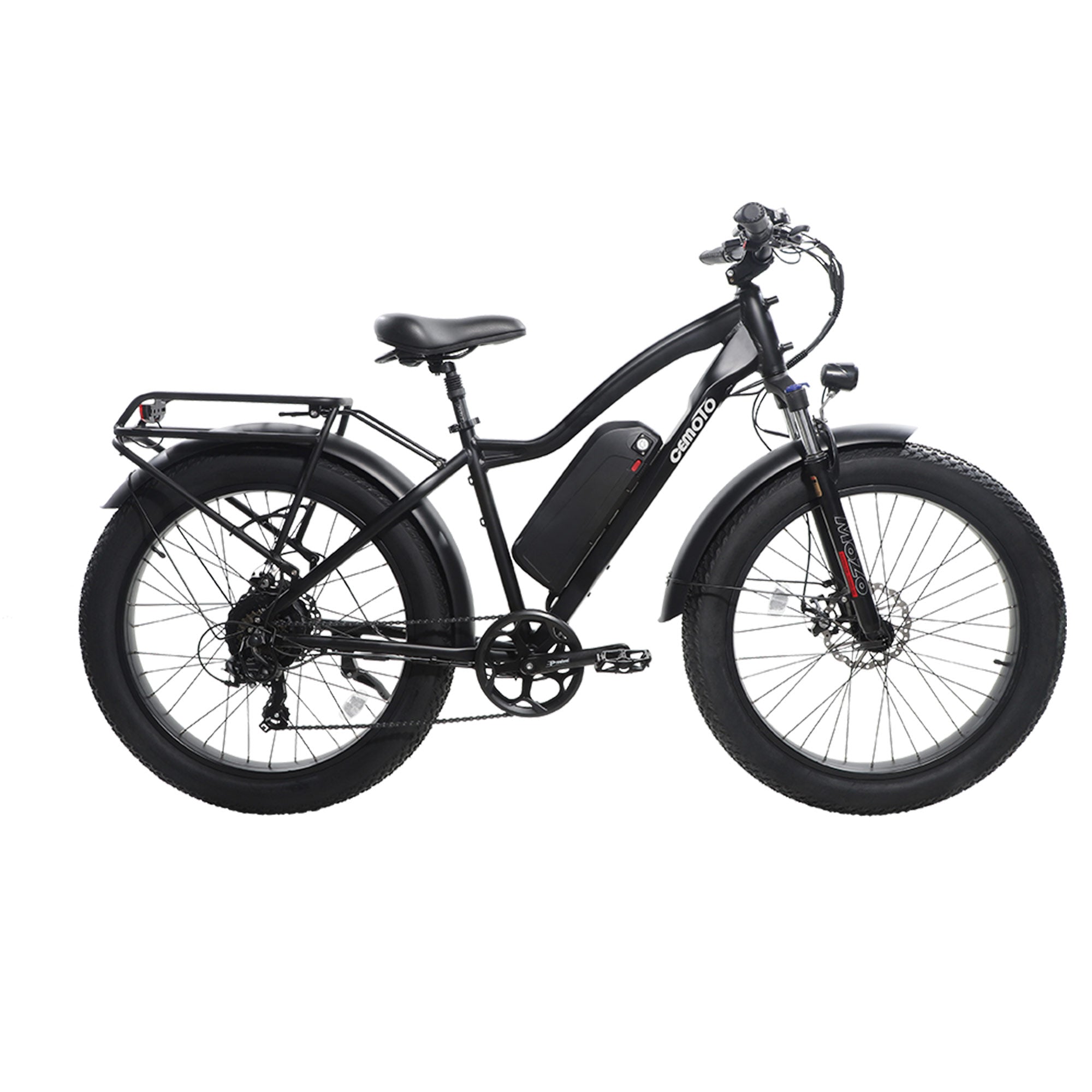
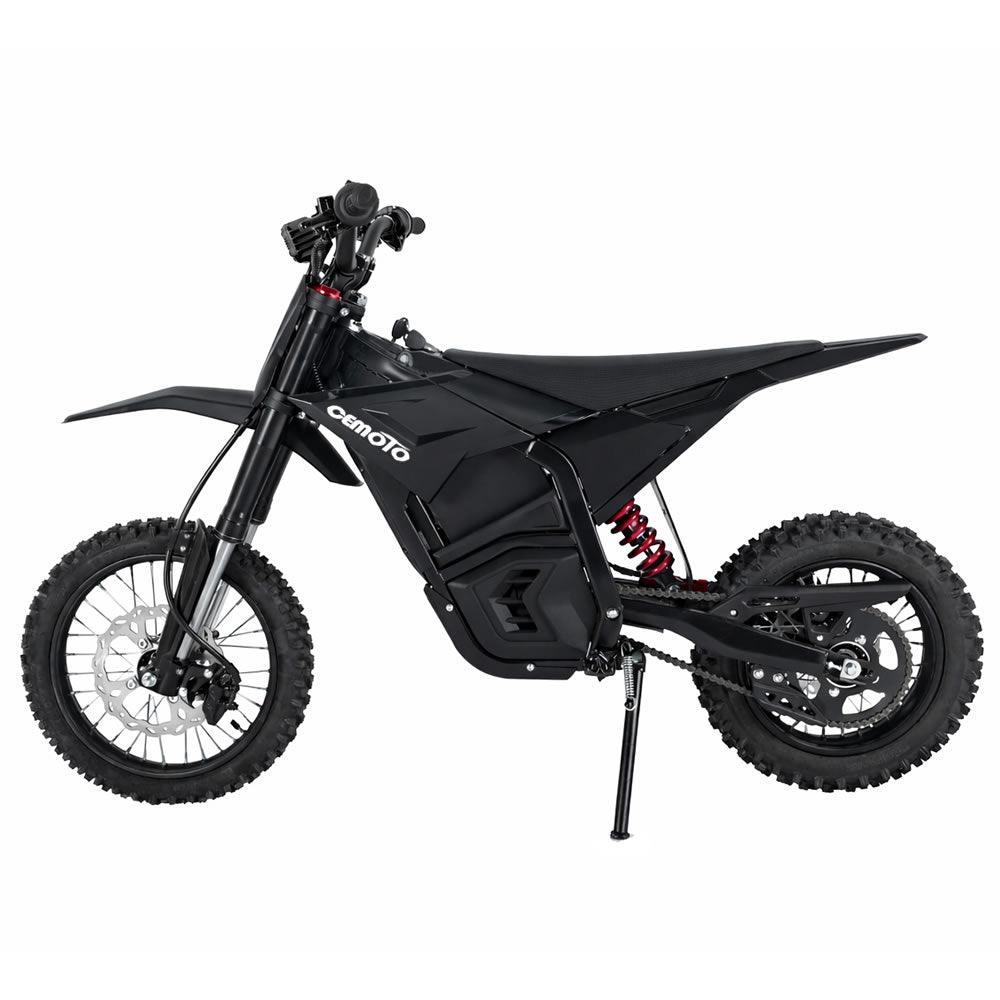
For Cemoto owners, checking the Accessories collection can be a convenient starting point for compatible modular parts. The CEMOTO D03 Dirt Bike Motor page and related component listings often include helpful fitment details that apply to the broader system.
Our companion guide on electric dirt bike maintenance also covers basic troubleshooting steps that can help you confirm which part has actually failed.
Common Myths About Universal E-Bike Parts
Many online listings advertise "universal" displays or controllers. In practice these parts only work within specific voltage and protocol families. Assuming a part will work because the connector looks similar is one of the most frequent causes of returned items.
Another myth is that any wiring harness with the correct number of pins will function. Wire color codes, pin assignments, and signal directions must also align with your controller and display.
Finally, some riders believe that aftermarket parts always void the warranty. In many cases, using compatible modular replacements does not affect warranty coverage if the installation is done correctly and documented.
Safety and Right-to-Repair Considerations
This article discusses comfort, setup advice, and practical sourcing guidance only. It does not constitute medical advice, diagnosis, or treatment. Electrical work on e-bikes carries inherent risks. If you notice burning smells, unusual heat, or repeated failures, consult a qualified technician. Persistent issues or existing electrical problems should always be evaluated by professionals.
Supporting the right to repair means choosing transparent vendors who publish specifications rather than forcing customers into dealer-only channels. Verifying compatibility upfront respects both your time and the safety of everyone on the road.
Final Tips to Minimize Downtime
Keep a basic spare parts kit if you rely on your e-bike daily. A spare throttle, spare display, and a few lengths of matching wiring can save days of waiting for shipping. Label your spares clearly with voltage and model information so future repairs go even faster.
When in doubt, contact the seller with your exact component photos and voltage reading before purchasing. Reputable shops appreciate the extra information and will steer you toward the correct part on the first try.
By treating compatibility as a checklist rather than a guessing game, you can confidently source e-bike replacement parts that restore full function without unnecessary expense or frustration. The modular nature of modern e-bikes makes independent repair more accessible than ever, provided you take the time to match the details that matter.
