

Choose E-Bike Accessories by Ride Type


Match e-bike accessories to commuting, delivery, trail riding, or a first purchase. Use the matrix to buy one compatible category before adding extras.
E-bike accessories should be chosen for the ride that creates the need—not from a generic bundle. Commuters usually start with visibility, weather protection, or carrying. Cargo and delivery riders start with supported load handling, while trail riders start with protection and model-matched repair readiness. For a first e-bike, buy one compatible category for the first planned route, then add another only when a recurring need justifies it.

E-Bike Accessories Matrix: What to Buy First by Ride Type
Choose the row that matches your primary ride. Each recommendation is conditional: confirm the specific e-bike, attachment method, clearance, and other fit details before checkout.
| Ride type | Dominant task or exposure | Buy first | Add later when | Compatibility check |
|---|---|---|---|---|
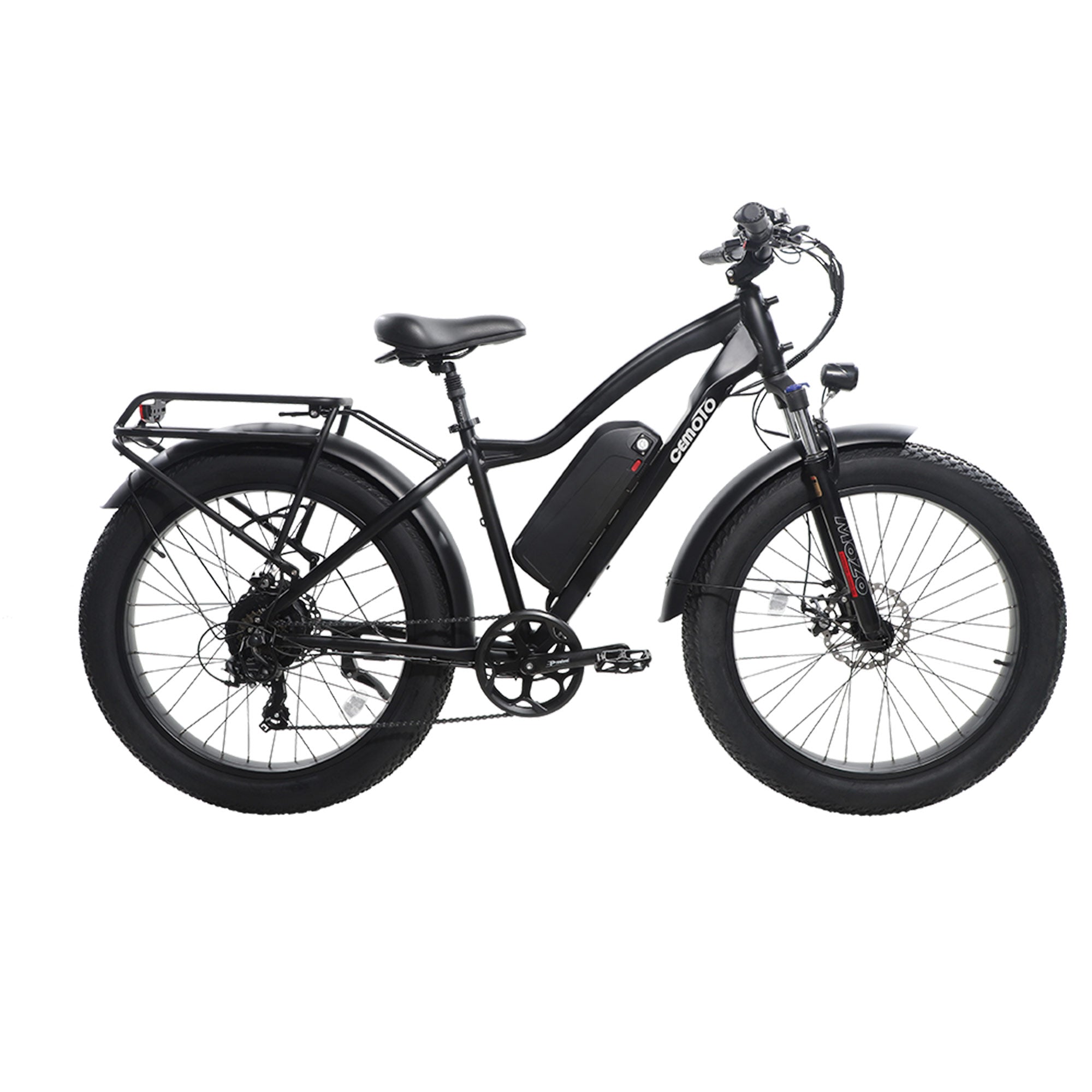
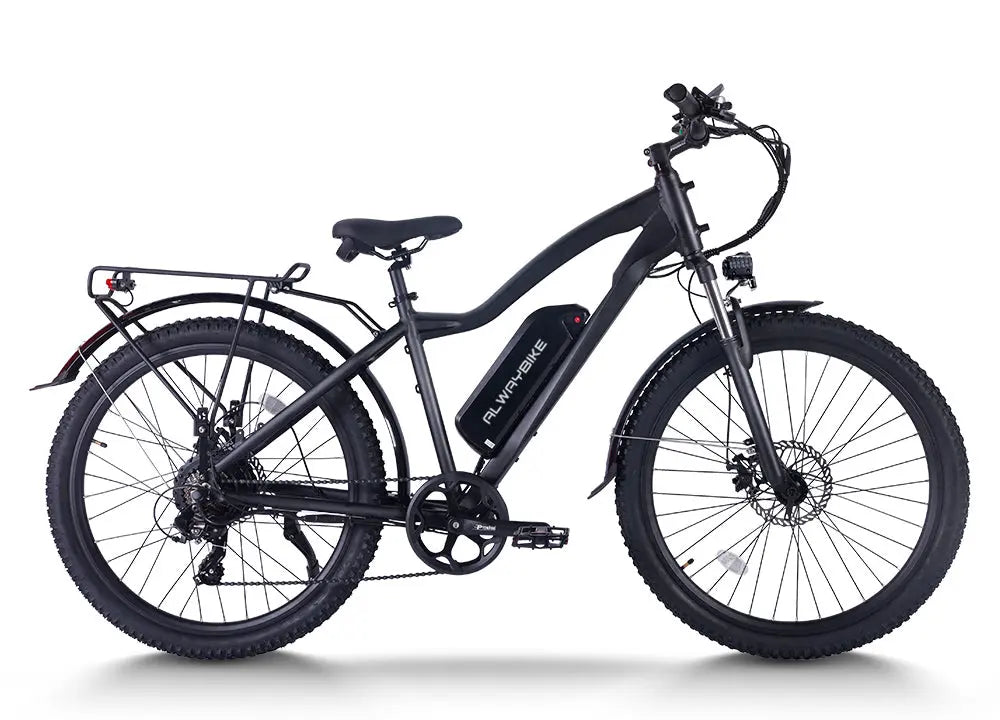
| Commuter | Low light, rain or spray, or recurring bags and groceries | Visibility, weather protection, or carrying. The CEMOTO Ebike Headlight, CEMOTO Ebike Bike Fenders, and CEMOTO Ebike rear rack are candidates for these uses | A separate route exposure or carrying need keeps recurring | Check the light's electrical connection. For fenders and racks, check mounting points, dimensions, clearance, and exact model fit |
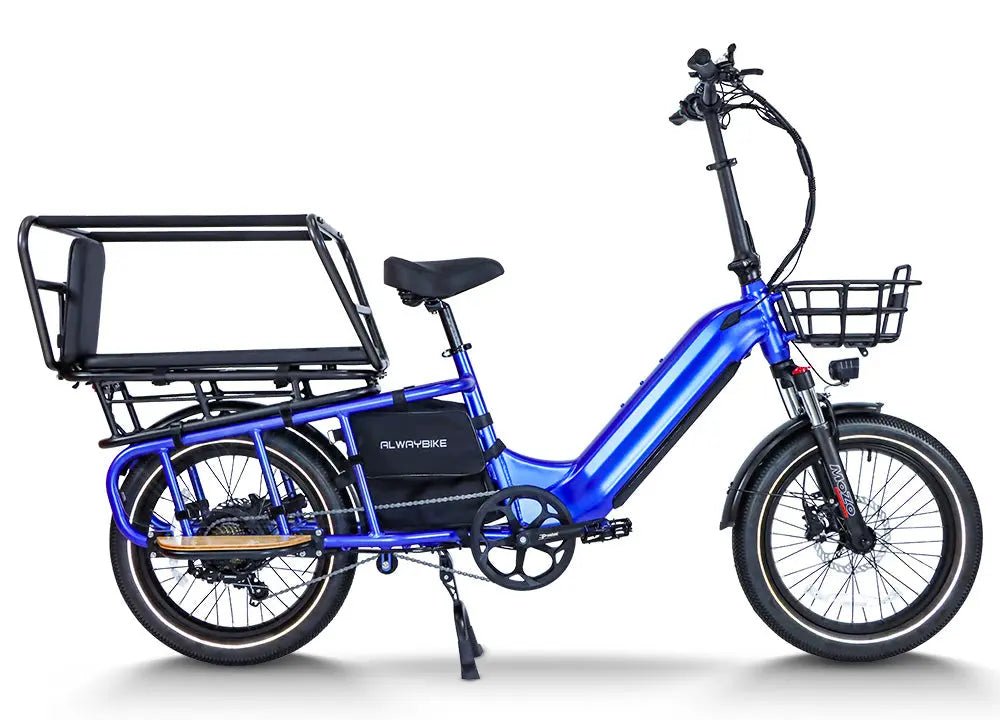
| Cargo or delivery | A planned load's size, weight, shape, placement, and access frequency | A supported rack or other carrying solution, such as the CEMOTO rear rack for bags, panniers, groceries, or delivery use | The route creates a separate weather, visibility, or frequent-access need | Confirm that the bike supports the accessory and that its capacity, attachment, clearance, and handling are suitable |
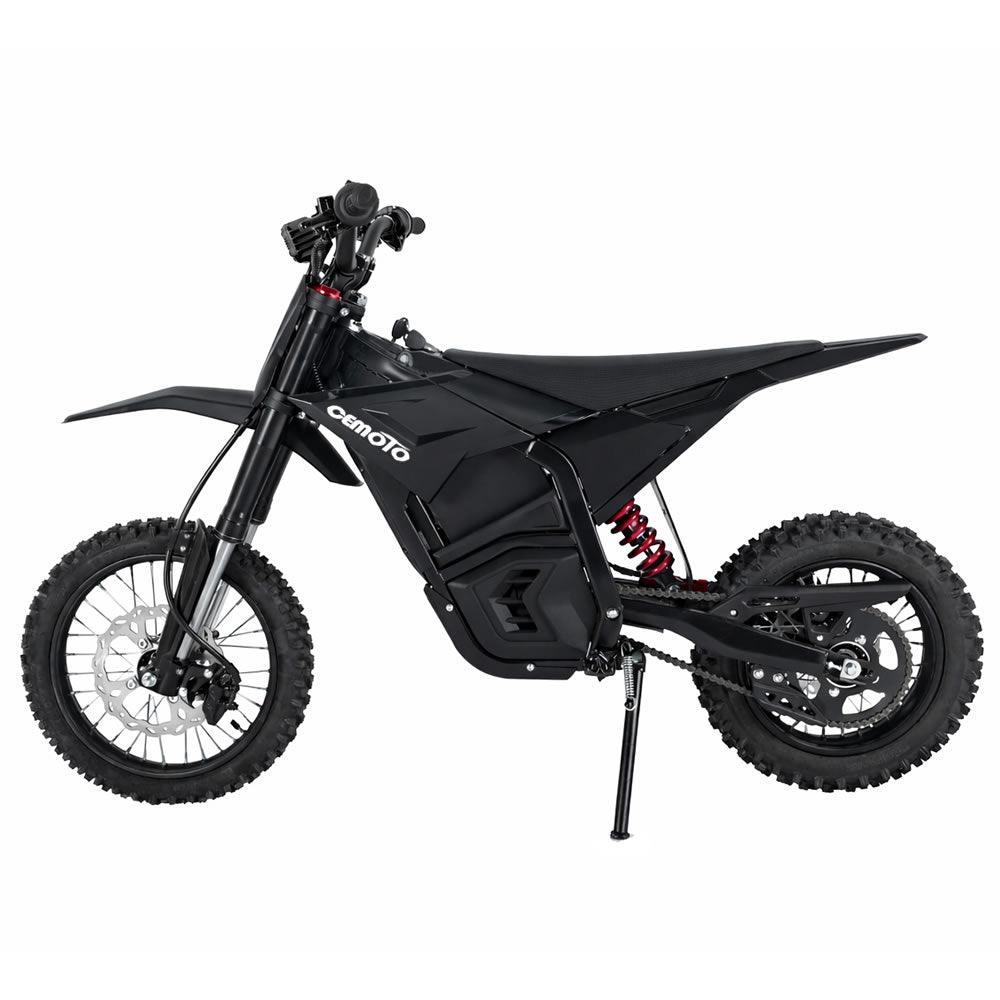
| Trail or electric dirt bike | Terrain exposure, debris, and the ability to address a route-specific equipment issue | Protection first, followed by component-matched repair readiness. Fenders are one possible choice for off-road exposure | The route regularly creates a mud, spray, debris, or carrying problem | Match repair and power items to the actual bike components. Check fender mounting, dimensions, and clearance |
| First e-bike | The first planned route's strongest need | Choose one category for low light, wet or debris exposure, carrying, or trail protection and repair readiness | A second item solves a separately stated recurring task after the first rides | Verify the exact model, mounting method, dimensions, clearance, and electrical requirements where applicable |
The matrix is a prioritization tool, not proof that a product fits every e-bike. Before selecting a row, write down the first route, usual exposure, main task, expected load, and low-light conditions. Then review the relevant accessories by ride type once the need is clear.
Build a Commuter E-Bike Accessory Purchase Order
For a commuter, start with the trip's most immediate exposure: choose visibility for regular low-light riding, weather protection for recurring rain or spray, or carrying when bags and groceries define the trip. Independent commuter guidance groups riding essentials, repair-kit items, storage, and personal gear into categories to consider before narrowing the cart to the actual route's gap, rather than treating every category as mandatory in commuter accessory guidance.
If low light is the main problem, the CEMOTO Ebike Headlight is described as a battery-connected, weatherproof LED candidate for low-light and rain scenarios. If spray or road debris is the recurring issue, the CEMOTO Ebike Bike Fenders are described as full-coverage, lightweight fenders for commuting and off-road riding. If bags, panniers, or groceries drive the purchase, the CEMOTO Ebike rear rack is described for those carrying needs and for delivery. These descriptions do not establish fit for your particular e-bike.
Before checkout, compare the headlight's stated connection with the bike's electrical system. For fenders, compare mounting points, dimensions, and tire or frame clearance. For a rack, compare attachment points, clearance, intended load use, and the bike's own specifications. Buy the first category that solves the route's strongest exposure; defer convenience additions until a separate recurring need appears.

Choose Cargo E-Bike Accessories for Delivery Loads
Cargo and delivery riders should start with the load, not the largest storage option. Record what you will carry, including its approximate size, weight, shape, placement, and how often you need to access it. Then choose one carrying solution that the particular e-bike supports.
Separately purchased racks require model-specific evaluation, as explained in this e-bike selection guidance.
The CEMOTO Ebike rear rack is described as a lightweight, high-strength aluminum rack for bags, panniers, groceries, daily rides, touring, and delivery. That makes it a candidate when those uses match your route, but the supplied information does not establish a numeric load capacity, dimensions, mounting interface, or fit for a specific cargo bike. Broad fit wording is not a substitute for those details.
After establishing load support, add an accessory only when the delivery task creates a distinct need. Frequent rain may justify weather protection; low-light routes may justify visibility equipment; frequent stops may justify easier access. If the planned load exceeds the accessory's stated capacity, conflicts with clearance, or changes how the e-bike is intended to handle, do not treat that combination as a fit; choose a supported alternative.
Prepare an Electric Dirt Bike Trail Setup
For an electric dirt bike trail ride, use protection first and model-matched repair readiness second. Add debris, weather, or carrying accessories only when the route makes that exposure recurring. This is a practical planning heuristic, not a universal or safety-certified trail kit, because the available evidence does not establish one complete trail setup.
Protection should match the terrain and the rider's exposure. Repair readiness should match the bike's actual components and the route's remoteness, so do not carry tools, spares, or power items that do not correspond to the bike. The CEMOTO Ebike Bike Fenders are described for off-road riding and can be considered for debris or wet conditions, but mounting points, dimensions, clearance, and exact model fit still need to be established.
For broader category planning, the electric dirt bike safety equipment guide can help you plan for the route without replacing the bike-specific fit check. Match every repair or power item to the actual components before leaving, and add a route-specific accessory only after covering the protection and repair-readiness priorities.
Set the First E-Bike Accessory Cart Without Overspending
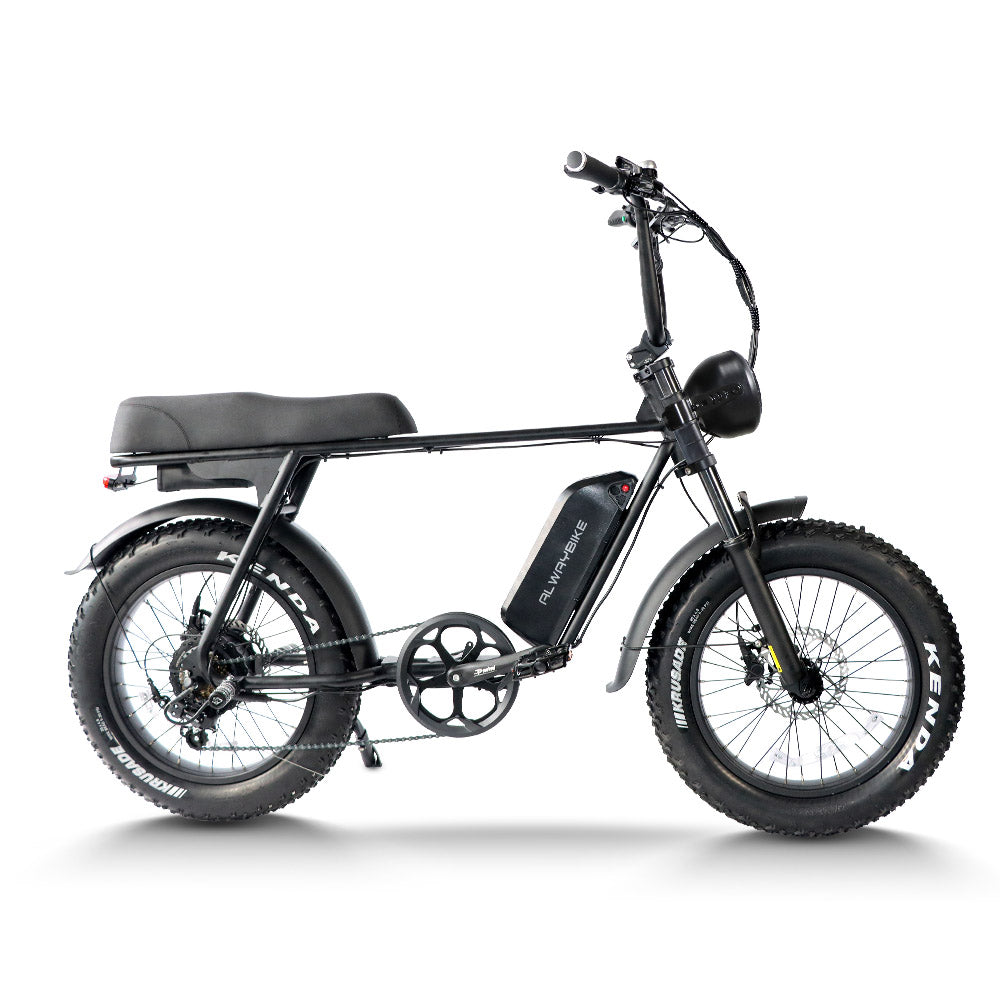
A first-time buyer should put one route-matched category in the cart, not an automatic starter bundle. Write down the first planned route, then choose the need that could otherwise keep that ride from working as intended: low-light visibility, recurring wet or debris exposure, carrying, or trail protection and repair readiness.
Repair gear, fenders, and racks are reasonable categories to evaluate, but they are not universal requirements. This bike gear essentials guide supports treating them as candidates. A second item earns priority only when it addresses a separately stated recurring task or exposure and its fit is confirmed. Comfort and convenience additions can wait until the first rides reveal a real gap.
That one-item-first rule keeps the first e-bike accessory setup tied to the planned route. After the initial rides, review the relevant category for the problem that actually recurs instead of buying every category in advance.
Verify E-Bike Accessory Fit Before Checkout
Turn a promising e-bike accessory into a checkout decision only after the fit information matches your specific setup. Record the exact e-bike model and the accessory's mounting method, then compare these points:
- Mounting points: Confirm that the bike has the attachment points the accessory requires.
- Dimensions and clearance: Compare the available measurements with tire, frame, wheel, cargo, rider, and control clearance where relevant.
- Intended use: Match the accessory to the planned rider task or load placement, not just its product category.
- Electrical requirements: For a connected light or other electrical accessory, verify the bike's system and the accessory's stated connection requirements. E-bike components can vary by installation and mounting position, so do not infer electrical compatibility from appearance alone.
- Product-specific limits: Confirm any stated capacity, fit condition, or mounting instruction for the exact accessory. Do not fill missing specifications with an assumption.
If the product page or fit guide does not establish compatibility with the exact e-bike and intended use, pause checkout and check accessory questions with support. Do not buy or mount the accessory until the mounting method, dimensions, clearance, electrical requirements where applicable, and intended load use are confirmed. Once those checks pass, review the matrix row for your ride and buy the one category that solves its dominant need.
Frequently Asked Questions
These answers apply the same ride-type framework to common first-cart and fit questions, with one priority rule for each use case.
What accessories do I need for a first e-bike?
Buy one compatible category for the first planned route. Choose visibility for regular low-light riding, weather or debris protection for recurring exposure, carrying for a real load, or protection and repair readiness for trail use. Add a second item only when a separate task recurs, and confirm model fit before checkout.
Which accessories matter most for cargo e-bike delivery?
Start with a supported carrying solution based on the load's size, weight, shape, placement, and access frequency. A rack is not automatically suitable because it appears large enough; confirm that the bike and accessory support the intended load and preserve clearance before adding weather, visibility, or access pieces.
What should I carry on an electric dirt bike trail ride?
Prioritize protection, then repair readiness matched to the bike's actual components and the route. Add debris, weather, or carrying items only when the route creates that need. Do not carry tools or power equipment that does not match the bike, and do not treat this order as a universal trail kit.
How do I check whether an e-bike accessory fits my bike?
Start with the exact e-bike model and compare the accessory's mounting method, attachment points, dimensions, clearance, intended rider or load use, and electrical requirements where applicable. If any required fit information remains unresolved, pause checkout and get the missing specification instead of assuming compatibility.
