

What is the best e bike for a child with autism?


A cautious buying guide for parents and caregivers choosing an e-bike for a child with autism. It focuses on age and speed boundaries, control feel, sensory load, and what to verify before buying.
The best e bike for a child with autism is the one that stays predictable, low-stress, and easy for an adult to supervise, not the one with the biggest motor or highest top speed. For most families, the first filter is simple: if the child cannot start, stop, and follow directions calmly on a low-speed route, the bike is not ready yet.

What Makes an E-Bike a Better Fit
For a child with autism, the real question is whether the ride feels controllable enough to stay calm and safe. That means looking at the child, the route, and the supervising adult together, not just the spec sheet.
Stability and Control
Low, predictable handling matters more than speed for most younger riders. A bike that starts smoothly, brakes cleanly, and does not feel wobbly gives the child fewer surprises to process. Wider tires and a balanced frame can help with confidence on paper, but they do not replace supervision or good fit.
Hydraulic disc brakes are worth paying attention to because they can reduce the hand force needed to stop and give better modulation, which means the rider can slow down in a more controlled way. That matters when a child has smaller hands, lower grip strength, or gets anxious about stopping.

Sensory-Friendly Design
Some children are fine with riding, but get thrown off by noise, vibration, or abrupt power delivery. In those cases, the smoother the bike feels when it starts, the easier it is to keep the ride from becoming overwhelming.
Cycling may support sensory-motor and balance development, but it should not be treated as a therapy promise or a guarantee of progress. The practical takeaway is narrower: a ride that feels steady and familiar is usually easier to tolerate than one that surges, rattles, or demands constant correction.
Size, Fit, and Confidence
Seat height, reach to the handlebars, and where the child's feet land at a stop should all be checked before you care about brand or range. If the child cannot mount, stop, and hold position without strain, the bike is too much for now.
A good fit also depends on the route. A calm neighborhood loop is a very different decision from a busy path with fast traffic, sudden turns, or a lot of visual noise. If the route is chaotic, even a well-sized bike can become the wrong choice.
Features That Reduce Overload
The goal here is not to find the most advanced bike. It is to reduce the things that can overload a child who is sensitive to motion, noise, or uncertainty.
- Smooth acceleration: A torque sensor measures the rider's effort and usually feels more natural than a basic cadence setup, which can help avoid jerky starts. That smoother torque-sensor acceleration is one reason many parents prefer it for cautious first rides.
- Predictable braking: Brakes that respond cleanly and do not require a hard squeeze tend to feel less stressful, especially for smaller riders. Hydraulic brakes with lighter hand force can make that easier to manage.
- Less vibration: Fat tires may help the bike feel steadier on uneven pavement or rough paths because they add contact area and some vibration dampening. In practice, fat tires for steadier rides may reduce the sense that the bike is bouncing around.
- Quieter, simpler controls: Fewer surprises is the point. A child who can understand the display, throttle, or assist mode without extra coaching is less likely to become frustrated.
- Lower starting intensity: Start with the calmest route, the shortest ride, and the lowest practical assist setting. A quiet loop often teaches more than a bigger, busier ride.
One practical rule: if a feature only sounds impressive but does not make starting, stopping, or steering easier, it is probably not the feature to prioritize.
When the Comfort Story Breaks Down
Even a bike with smooth power and stable tires can be a poor fit if the child is rushed, tired, overstimulated, or placed on a busy route too soon. That is why the first ride should be short, supervised, and predictable. If the child seems tense during a low-pressure test, do not move faster just because the bike looks capable.
How to Compare Candidate Models
The CPSC micromobility guidance treats speed as a screening step, not a bonus feature, and HealthyChildren.org advises a conservative approach to child e-bike use. For families comparing the best e bike for a child with autism, that means age, speed, and supervision come before style.
Use the table below to compare two or three options side by side without getting lost in marketing language.
| Factor | What To Check | Why It Matters For A Child With Autism | Deal-Breaker |
|---|---|---|---|
| Age and speed | Who will ride it, and how fast it can go in the lowest setting | Too much speed can overwhelm a child before they build confidence | Underage rider, or no safe low-speed mode |
| Fit and size | Seat height, reach, and whether both feet can be managed at stops | Poor fit makes starts and stops feel uncertain | Child cannot mount, stop, or steady the bike comfortably |
| Braking | Brake feel, hand force, and how gradually it stops | Stopping confidence affects whether the child feels safe enough to ride | Brakes feel grabby, stiff, or hard to modulate |
| Power delivery | Whether starts feel smooth or abrupt | Jerky starts are often the fastest way to trigger stress | Motor response feels unpredictable |
| Weight and handling | Whether the bike feels stable at low speed and while turning | Heavy, awkward bikes are harder to correct when balance slips | Child or caregiver cannot control it comfortably |
| Terrain | Pavement, paths, hills, bumps, and crowding | A quiet, flat route is easier to manage than a busy mixed-use path | Route is too rough, steep, or chaotic |
| Storage and transport | Where it will be kept, carried, and charged | A difficult storage setup can make the bike impractical fast | No safe charging or storage plan |
| Return policy | Test window, assembly support, and warranty | If the feel is wrong, you need a way out | No realistic return or support option |
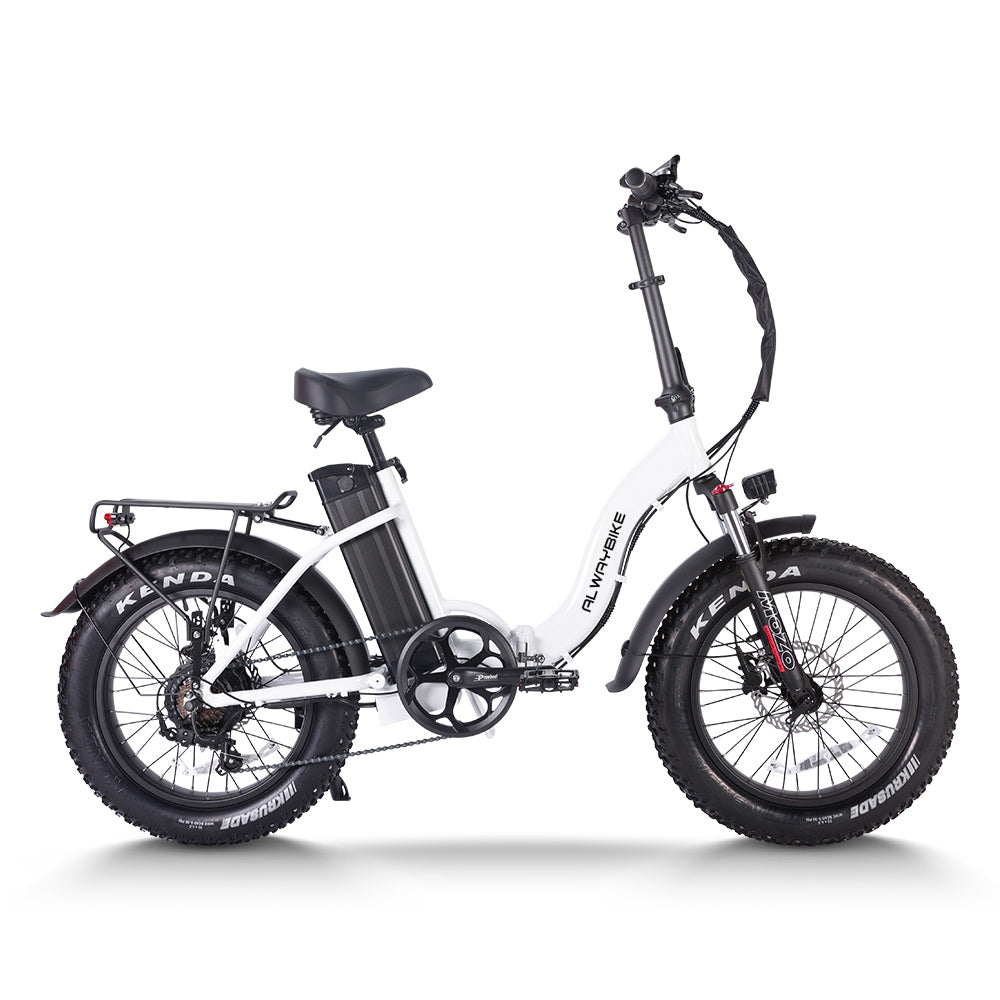
If you want a compact starting point, a foldable ebike can make storage easier, but foldability is only useful if the bike still fits the child and handles predictably. A compact frame that is hard to balance is not a win.
What to Verify Before You Buy
- Check the age and speed gate first. The AAP guidance on e-bikes for children says children under 16 should not operate e-bikes. The CPSC also treats younger-child speed limits as a key safety screen, so do not skip this step.
- Match the bike to the child's current size. Look at seat height, reach, and whether the child can place feet confidently at a stop. Do this with any helmet or shoes they will actually wear.
- Confirm the control feel. Smooth starts, manageable braking, and simple assist settings matter more here than range or style. Torque-sensor control can feel less abrupt than a basic cadence setup, while hydraulic disc brakes can reduce the hand force needed to stop.
- Map the first route. Pick a short, low-traffic, low-noise loop before you think about longer rides.
- Plan supervision. Decide who will ride with the child, how close the adult will stay, and what happens if the child wants to stop early.
- Check logistics. Assembly, warranty coverage, charging location, and return terms should all be clear before checkout.
- Only then compare models. If a bike still looks attractive after all of that, it may be worth a closer look. If not, keep shopping.
For families who want to browse a broader range after the fit checks are clear, browse all electric bikes only as a starting point, not as a shortcut around age, control, and supervision.
A Practical Buying Checklist
The safest way to decide whether an e-bike is the best e bike for a child with autism is to ask four questions in order: can the child control it, can the adult supervise it, can the route stay calm, and can the family return it if the fit is wrong? If any answer is shaky, keep comparing instead of buying fast. If all four are solid, start with a short supervised ride and adjust from there.
FAQs
How Do I Know If an E-Bike Fits My Child Well?
The best sign is not how the bike looks, but whether the child can mount, stop, and steady it without strain. Start with size, reach, and brake feel, then test one short ride on a quiet route. If the child looks tense before the ride even starts, the fit is probably too ambitious.
What Features Help Reduce Sensory Overload While Riding?
Look for smooth acceleration, predictable brakes, lower vibration, and simple controls. A torque-sensor setup often feels less jerky than a basic cadence system, and calm routes matter just as much as bike hardware. If the ride depends on constant correction or repeated coaching, it is probably not sensory-friendly enough yet.
Can a Step-Through Frame Make Riding Easier?
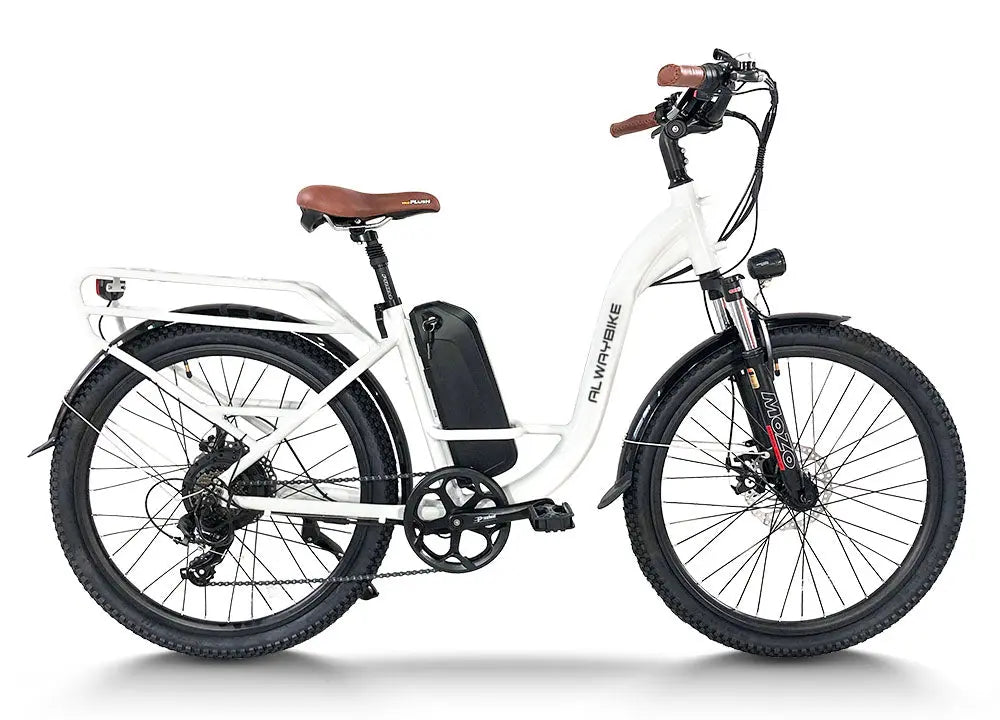
Yes, a step-through frame can make mounting and dismounting easier for some children because there is less to swing a leg over. That helps with confidence, but it does not solve fit, braking, or speed control on its own. If the rest of the bike is too tall or too fast, the frame style will not fix it.
Why Does Speed Control Matter So Much?
Speed control matters because a child who feels rushed or startled is less likely to stay relaxed and focused. A lower-speed setup on a quiet route gives the rider more time to process what is happening. If the bike cannot stay calm at its lowest useful setting, it is not a good match for this use case.
What Should We Check Before Letting a Child Ride?
Check the helmet, brakes, battery level, route safety, and adult supervision plan before the bike moves. Then do one very short test ride at low intensity. If the child needs repeated reminders just to start and stop, keep the ride shorter and simpler rather than pushing ahead.
Is a Foldable Bike a Better Choice for Families?
A foldable bike can be a good fit if storage, transport, or apartment space is tight. It is not automatically better for a child with autism, though, because foldability does not guarantee smoother handling or easier braking. Treat it as a convenience feature only after the ride feels predictable.
If you are ready to narrow choices, compare fit, speed limits, braking feel, supervision needs, and return policy before you buy. That is the safest path to a better match for a child with autism, and it keeps the decision grounded in how the bike will actually feel on the first ride.
