

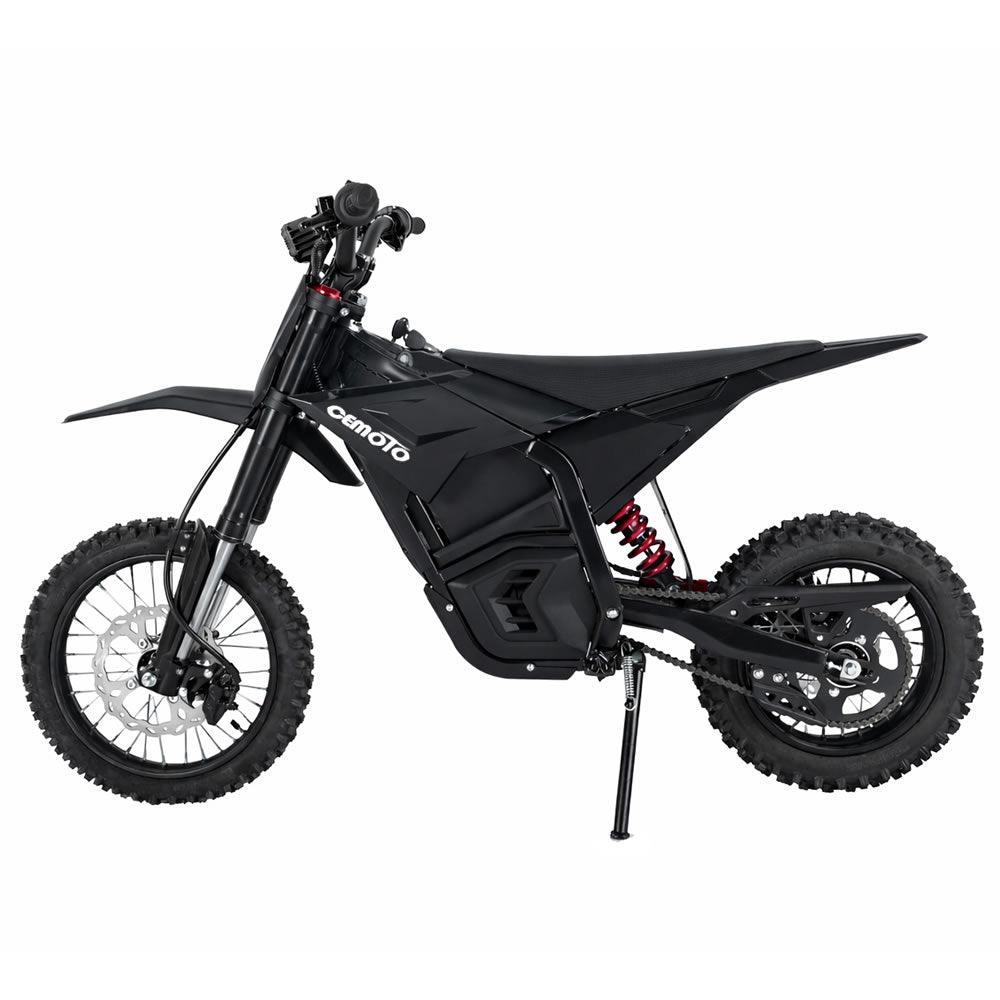
Can You Ride Electric Dirt Bikes in the Rain and Snow? All-Weather Riding Guide


Stop letting bad weather ruin your rides! Learn how to prep your electric dirt bike for rain and snow, protect your battery, and dominate wet trails safely.
Wet trails, muddy tracks, and snowy paths don't have to mean parking your bike. Many riders wonder whether their electric dirt bike can actually handle real weather. The short answer is: yes, with the right preparation. This article breaks down what you need to know about riding an electric dirt bike in rain and snow, from IP ratings to winter battery care.
What "Water Resistant" Actually Means for an Electric Dirt Bike
Before heading out into a downpour, it helps to know what your bike can actually handle. Most electric dirt bikes are built to be water resistant, not fully waterproof. There is a real difference between the two.
IP Ratings Explained
The key number to look for is the IP (Ingress Protection) rating. This two-digit code tells you how well a device resists dust and water. For electric dirt bikes, the rating applies to critical components like the motor, battery, and controller.
| IP Rating | Water Protection Level | Suitable For |
| IP54 | Splash resistant from any direction | Light rain, damp trails |
| IP65 | Low-pressure water jets | Moderate rain, mud |
| IP67 | Submersion up to 1 meter for 30 min | Heavy rain, puddles |
| IP68 | Deeper submersion | Extreme conditions |
Many electric dirt bikes have IP-rated protection on core electronics, and some manufacturers publish ratings like IP65 or IP67 for components such as the battery, motor, or controller.
What the Rating Does Not Cover
Even a high IP rating has limits. Sustained pressure washing, deep river crossings, or prolonged submersion can still push water past seals. Connectors and charging ports are often the weakest points. Always check your specific model's documentation before assuming full weather protection.
Riding an Electric Dirt Bike in the Rain
Rain riding is where most riders first test their bike's limits. The good news is that a well-built electric dirt bike handles rain reasonably well. The key is knowing what to watch for.
Traction and Braking
Wet terrain changes everything. Mud, wet grass, and slick roots all reduce grip significantly. If your electric dirt bike has regenerative braking, it can feel sharper on wet surfaces. Ease into braking earlier than you normally would. Smooth throttle inputs matter more in the rain than on dry ground.

Protecting Electrical Components
Even with a solid IP rating, a few extra steps go a long way. Before riding in rain, check that all charging port covers are fully closed. Apply dielectric grease to exposed connectors. This simple step prevents corrosion and keeps moisture out of the contact points.
Visibility and Safety
Rain reduces visibility for both you and anyone else on the trail or road. Wear bright gear. If your electric dirt bike has auxiliary lighting, turn it on. Wet visors fog quickly, so a good anti-fog insert or ventilated helmet makes a real difference.
Riding an Electric Dirt Bike in Snow and Cold Weather
Snow riding is a different challenge. The terrain is softer and more forgiving in some ways, but cold temperatures hit the battery hard. This is where preparation matters most.
How Cold Affects Battery Performance
Lithium-ion batteries, which power nearly every electric dirt bike on the market, slow down chemically in cold weather. The electrolyte inside thickens, and the battery's ability to deliver power drops. Riders often notice a 20 to 30 percent reduction in range when temperatures fall below freezing.
In very cold conditions, the battery management system may also limit output to protect the cells. This means reduced top speed and acceleration until the battery warms up. It is not a malfunction. It is the system doing its job.
Warming Up Before You Ride
Cold-soaked batteries need a gentle warm-up. Start with a slow, easy ride for the first few minutes. This lets the battery generate some internal heat before you demand full power. Avoid hard acceleration right out of a cold garage or truck bed.
Storing and Charging in Winter
- Store the battery indoors whenever possible, especially overnight
- Only charge at room temperature, never when the battery is still cold
- Keep charge levels between 40 and 80 percent during long storage periods
- Avoid leaving the bike outside in freezing temperatures for extended periods
Snow Traction Tips
Wider, knobby tires help on snow. Lowering tire pressure slightly increases the contact patch and improves grip. Some riders fit dedicated snow or mud tires to their e dirt bike for winter months. Smooth, progressive throttle control is even more important on snow than on wet dirt.
Post-Ride Maintenance After Wet or Muddy Rides
What you do after a wet ride matters as much as what you do before. Mud and moisture left sitting on components accelerate corrosion and wear.
Cleaning the Right Way
Never use a high-pressure washer directly on electrical components, connectors, or the battery housing. A low-pressure hose or a bucket of water with a soft brush works well for the frame and wheels. Spray away from connectors, not toward them.

Drying and Inspecting
After washing, dry the bike thoroughly with a clean cloth. Pay extra attention to connector areas, the battery compartment, and any seams in the frame. Leave the bike in a warm, dry space with good airflow. A fan helps speed up drying.
Once dry, inspect the following:
- Brake pads for mud buildup or wear
- Chain or belt drive for debris
- All visible connectors for signs of moisture or corrosion
- Tire sidewalls for cuts from rocks or ice
Lubrication After Wet Rides
Water washes away lubricant. After every wet ride, re-lubricate the chain or drive components, pivot points, and any exposed cables. Use a lubricant rated for wet conditions. This single habit extends the life of your electric dirt bike adult model significantly.
Choosing the Best Electric Dirt Bike for All-Weather Riding
Not every e dirt bike is built equally for wet conditions. When shopping for the best electric dirt bike for year-round use, a few specs deserve close attention.
| Feature | What to Look For |
| IP Rating | IP65 minimum, IP67 preferred |
| Battery Enclosure | Sealed, reinforced housing |
| Motor Type | Mid-drive or sealed hub motor |
| Tires | Aggressive knobby tread pattern |
| Frame Material | Corrosion-resistant alloy |
| Connector Type | Waterproof locking connectors |
An electric dirt bike adult rider planning to tackle mixed conditions year-round should prioritize sealed electronics over raw power specs. A bike with a slightly smaller motor but better waterproofing will outlast a more powerful bike with poor sealing.
Ride Through Every Season
Rain and snow do not have to sideline your electric dirt bike. With the right IP rating, smart pre-ride prep, careful battery management in cold weather, and consistent post-ride maintenance, all-weather riding is very much within reach. Respect the limits of your specific bike, and it will handle far more than most riders expect.
FAQs about electric dirt bikes and weather
Q1: Can You Ride an Electric Dirt Bike in Heavy Rain Without Damaging It?
Yes, most electric dirt bikes can handle heavy rain if they carry an IP65 or higher rating on their core components. That said, sustained exposure to heavy rain still carries some risk, especially around charging ports and connectors. Always close port covers and apply dielectric grease to exposed contacts before riding in wet conditions. Avoid deep water crossings unless your model is specifically rated for submersion.
Q2: How Much Does Cold Weather Reduce Electric Dirt Bike Battery Range?
Expect a noticeable reduction. Cold temperatures cause the battery's chemical reactions to slow down, which typically cuts usable range by 20 to 30 percent in near-freezing conditions. The drop can be even steeper in temperatures well below freezing. Warming the battery gently before riding and storing it indoors overnight helps minimize the loss.
Q3: Is It Safe to Charge an Electric Dirt Bike After Riding in the Rain?
No, not immediately. Always dry the bike thoroughly before charging, especially around the charging port and battery housing. Charging while moisture is present near connectors creates a real risk of short circuits or corrosion. Wait until the bike is fully dry and at room temperature before plugging in.
Q4: What Tires Work Best for Snow Riding on an E Dirt Bike?
Aggressive knobby tires designed for mud or mixed terrain perform best on snow. Slightly lower tire pressure increases the contact patch and improves grip on packed snow. Some riders use dedicated winter tires for consistent cold-weather riding. Smooth tires or worn-down knobs offer very little traction on snow and should be replaced before winter riding.
Q5: How Should You Clean an Electric Dirt Bike After a Muddy or Wet Ride?
Use low-pressure water and a soft brush, never a pressure washer. Direct high-pressure spray at electrical components, connectors, or battery seams can force water past seals even on well-rated bikes. After rinsing, dry the bike with a cloth, focus on connectors and seams, then re-lubricate the drive system. Store the bike in a warm, dry area with good airflow until fully dry.
