
Are High-Power E-Motos Street Legal? A Compliance Guide


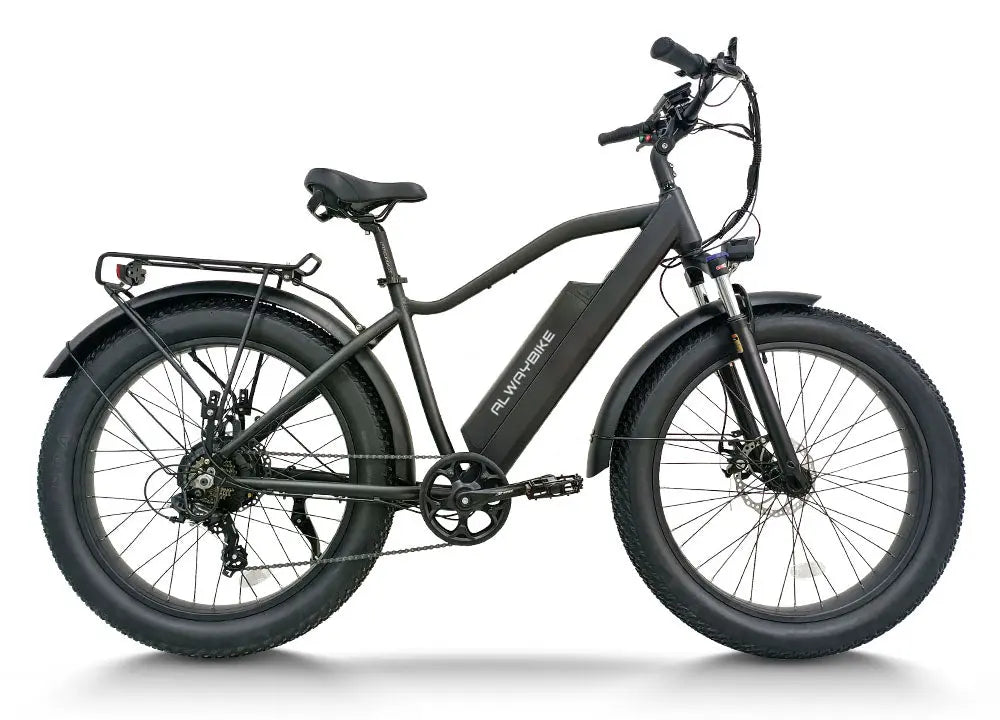
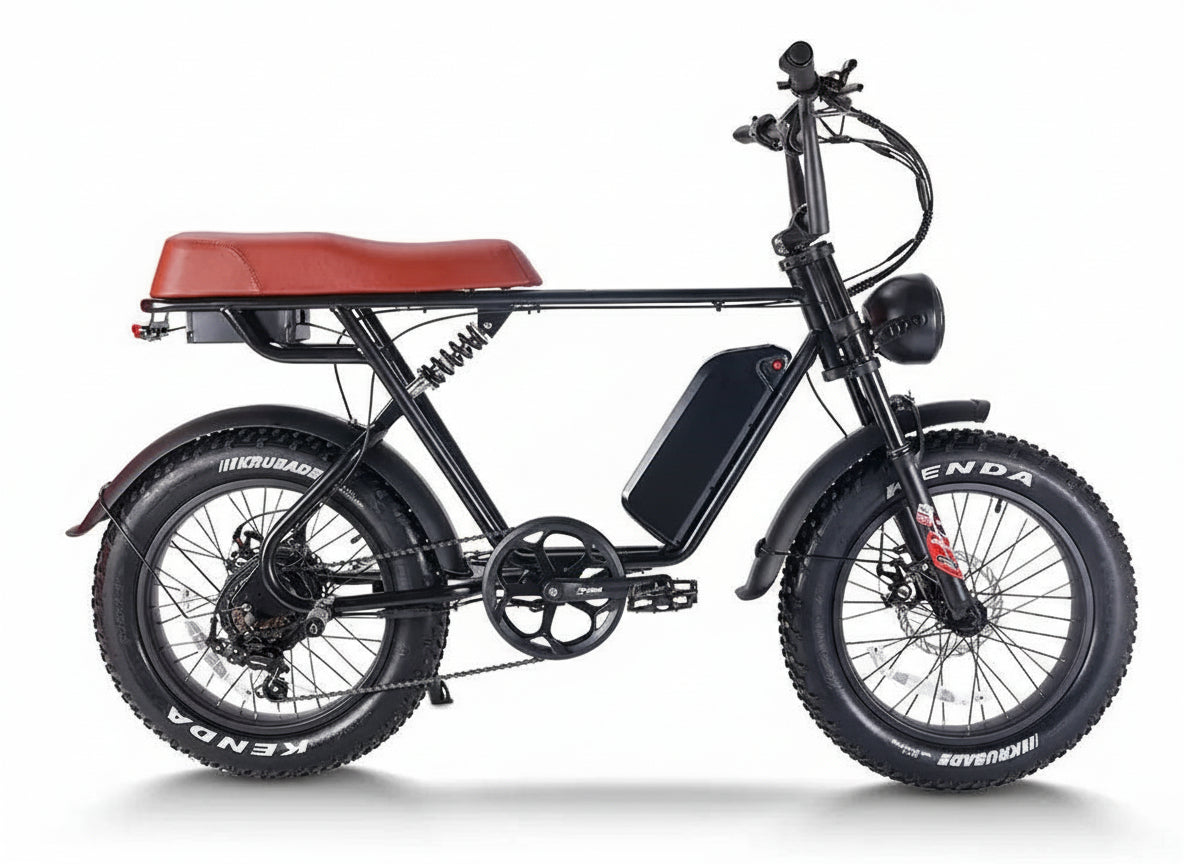
High-power e-motos in the 3000W to 6000W range rarely qualify as standard e-bikes under U.S. federal definitions, which generally cap motors at 750 watts with operable pedals. Instead, these machines are typically classified as motorcycles, mopeds, or off-highway vehicles, meaning street legality depends on state-specific registration, equipment standards, titling paperwork, and local rules rather than motor wattage alone. Buyers must verify compliance before riding on public roads to avoid fines, registration rejection, or insurance issues.

What Makes a High-Power E-Moto Street Legal?
Street legality for 3000W–6000W e-motos is determined by how a jurisdiction classifies the vehicle and whether it meets the required equipment, documentation, and safety standards for on-highway use. NHTSA guidance on vehicle importation and certification establishes that vehicles exceeding typical low-power e-bike limits fall outside simple bicycle treatment and into different regulatory categories.
Most states do not automatically treat high-wattage machines as e-bikes. Once power exceeds common 750W thresholds, the vehicle often requires motorcycle or moped registration, which brings licensing, insurance, and titling obligations. Even when marketed as an "electric motorcycle," many models are sold primarily for off-road or private-land use and may lack the features needed for public-road approval.
Local rules add another layer. New York DMV information on electric scooters, bicycles, and unregistered vehicles highlights that even qualifying e-bikes can face additional restrictions on where and how fast they may be ridden. For higher-power machines, the gap between off-road capability and street compliance is often wide.
Key Thresholds That Determine Classification
Power output and top speed serve as primary classification triggers. Under common U.S. frameworks, e-bikes are limited to 750 watts and, in many definitions, 20 mph assisted speed. Anything significantly above these numbers shifts the vehicle into motorcycle or moped territory.
A 3000W–6000W e-moto sits well beyond e-bike limits, so street legality usually requires meeting full motorcycle standards rather than lighter e-bike rules. Some states further differentiate based on whether the machine has pedals, a VIN suitable for titling, or manufacturer origin documents such as a Manufacturer's Statement of Origin (MSO).
Here is an illustrative chart showing how street-legal fit and compliance risk change across common power and speed thresholds:
Street-Legal Decision Boundaries for 3000W-6000W E-Motos
Heuristic threshold map for how power and speed boundaries affect street-legal treatment.
View chart data
| Category | Relative power level | Street-legal fit | Off-road / motorcycle risk |
|---|---|---|---|
| 750W e-bike limit | 1.0 | 5.0 | 1.0 |
| 20 mph cutoff | 0.0 | 5.0 | 1.0 |
| 3000W entry point | 4.0 | 2.0 | 6.0 |
| 6000W upper range | 8.0 | 1.0 | 8.0 |
Illustrative heuristic chart based on provided article thresholds and classification logic: 750W e-bike limit, 20 mph cutoff, and 3000W-6000W power range. Values are relative scores, not official measurements. They show how street-legal fit drops as power rises and how off-road / motorcycle risk increases when wattage moves far beyond bicycle-style limits. Legality still depends on vehicle class, equipment, paperwork, and local registration rules.
These numbers are heuristic and illustrative. Actual classification depends on how your state defines the vehicle and whether it can be titled and registered.
Off-Road vs Street-Legal E-Motos: Understanding the Line
Many high-performance e-motos, including popular 3000W–6000W models, are designed and sold as off-highway vehicles (OHV). California OHV guidance makes clear that off-highway electric motorcycles generally require separate OHV registration and do not automatically qualify for street use or standard e-bike treatment.
The practical difference comes down to equipment and documentation. Off-road models often lack street-required features such as turn signals, mirrors, horn, DOT-approved lighting, and a VIN formatted for highway titling. Converting an off-road e-moto for street use is sometimes possible but requires adding compliant components and satisfying state inspection or registration processes.
In states that allow conversion, an off-road motorcycle may become eligible for highway use only after being equipped with specific road-legal items. Washington DOL guidance on registering road vehicles and motorcycles lists typical requirements including headlamp, tail lamp, stop lamp, reflectors, brakes, and mirrors.

Compliance Checklist: What to Verify Before Purchase
Before buying or riding a high-power e-moto on public roads, run through this practical checklist:
- Classification and Labeling: Confirm whether the manufacturer or seller classifies it as a motorcycle, moped, or off-highway vehicle rather than an e-bike.
- VIN and Title Documents: Ensure a proper VIN exists and that the seller can provide an MSO, MCO, or title paperwork. Missing origin documents frequently prevent registration.
- Required Equipment: Check for DOT-compliant headlight, taillight, brake light, turn signals, mirrors, horn, and adequate braking system. Some states require specific reflector placement.
- Speed and Power Settings: Verify if the bike has a speed limiter or mode that can be legally set to comply with local limits. Manufacturer top-speed claims do not guarantee legality.
- Registration and Insurance Path: Research your state's DMV or equivalent requirements for titling, plating, and insuring the vehicle. Confirm whether motorcycle licensing is needed.
- Age and License Rules: Many jurisdictions impose minimum age, helmet, and license requirements that differ for motorcycles versus e-bikes.
This checklist is derived from patterns across official state sources and should be adapted to your location. For example, California OHV bulletins emphasize that certain popular off-highway models require specific treatment.
Risks of Riding Non-Compliant High-Power E-Motos
Operating a 3000W–6000W e-moto on public streets without proper registration, equipment, or classification can lead to significant penalties. Common consequences include traffic citations, vehicle impoundment, insurance denial in case of an accident, and potential liability issues.
Parents or guardians buying for younger riders should pay special attention. Many states apply stricter licensing and usage rules to teens, and an improperly classified high-power machine can create both legal and safety complications. Our related guide on electric dirt bikes for teens covers additional considerations for younger riders on off-road models.
Even when a bike appears street-ready, local municipal rules can impose further restrictions. Always confirm requirements in your specific city or county rather than relying solely on seller claims or general marketing language.
How to Make an Off-Road E-Moto Street Legal (When Possible)
In jurisdictions that permit conversion, the process generally involves:
- Adding required lighting, signaling, and mirror equipment.
- Ensuring brakes and tires meet highway safety standards.
- Obtaining proper title or registration documents from the manufacturer or previous owner.
- Passing any required state safety inspection.
- Registering the vehicle as a motorcycle or appropriate class and obtaining license plates.
Success is not guaranteed and varies widely by state. Some locations have limited or no conversion pathways for high-power off-road machines. Research your state's vehicle code or consult the DMV before investing in modifications.
For buyers primarily interested in off-road riding, staying within designated trails avoids these complexities entirely. Our guide on finding legal trails for electric dirt bikes provides practical help for lawful off-road use.
Scenario-Based Buying Guidance
The right choice depends heavily on your intended use:
- Pure off-road or private property riding: An off-road-only 3000W–6000W model often delivers the best performance without registration burden.
- Daily street commuting or school runs: Prioritize models sold with clear street-legal documentation, proper equipment, and a straightforward titling path.
- Parents purchasing for teens: Carefully evaluate both the bike's classification and local age, license, and usage rules. Off-road models may be simpler legally when street use is not required.
- Conversion projects: Suitable only for enthusiasts willing to handle paperwork, equipment upgrades, and potential registration hurdles.
If you need a straightforward road-legal experience, carefully screened street-legal electric motorcycles or lower-power e-bikes may be more practical than attempting to convert a high-output off-road platform.
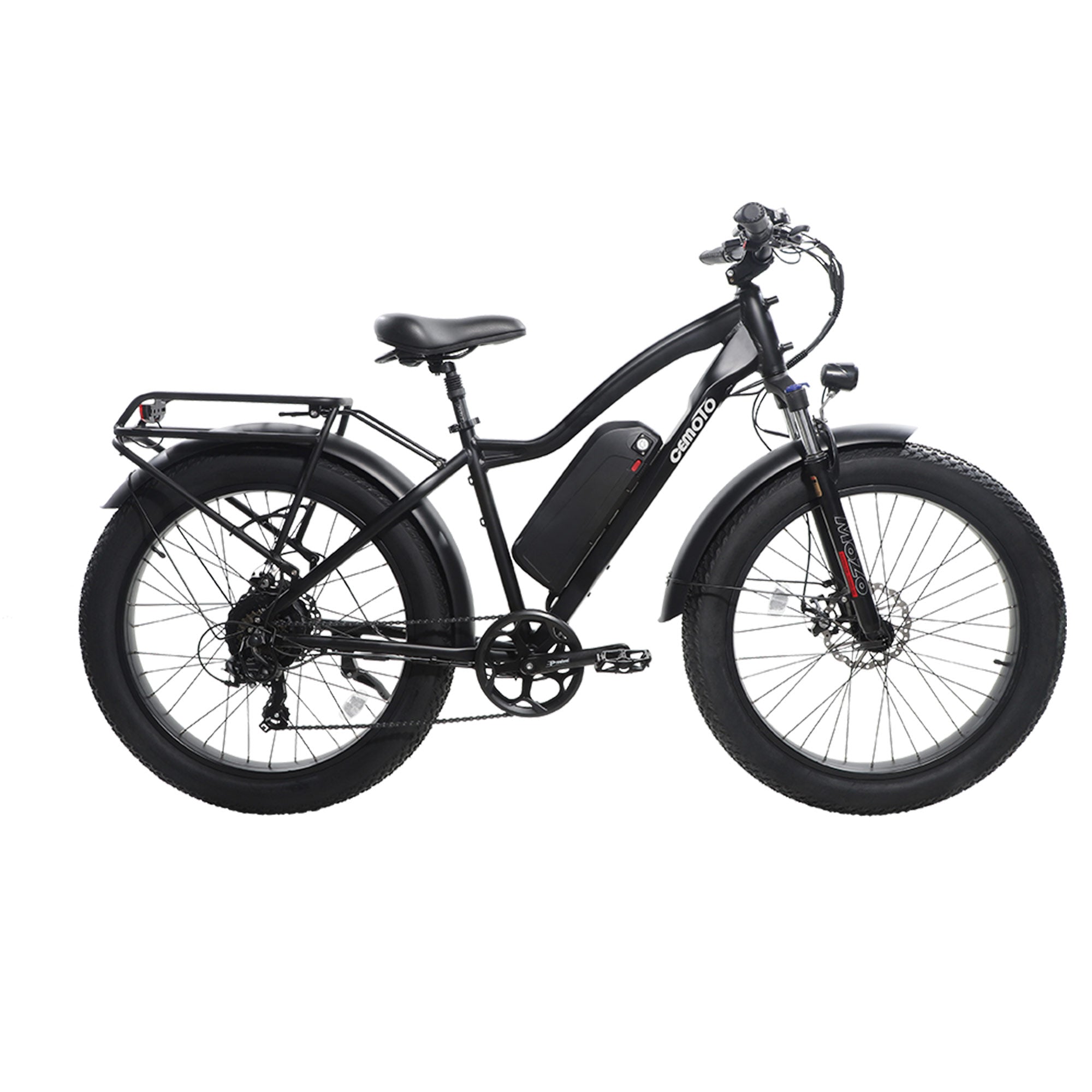
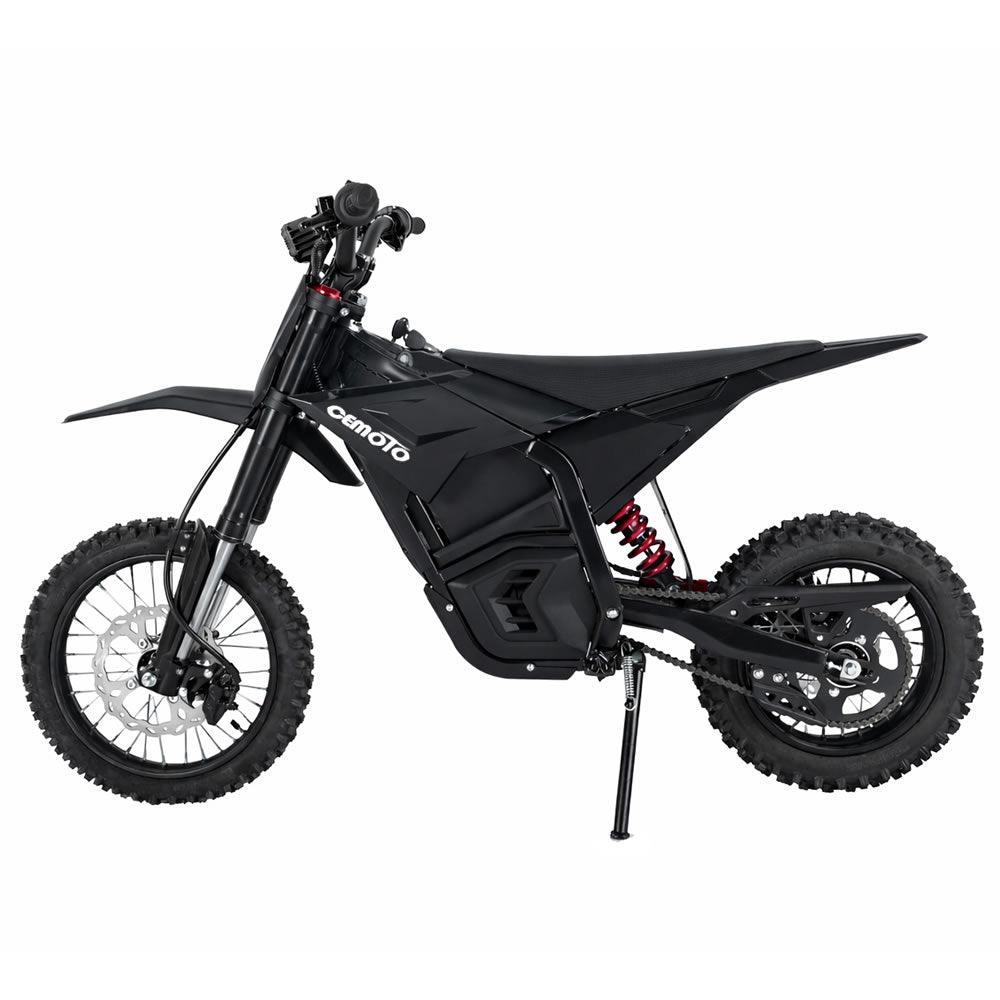
Our CEMOTO D-Series off-road electric dirt bike is designed for trail and private-land performance. Riders interested in street use should verify all local compliance requirements independently.
Final Advice for 2026 Buyers
High-power e-motos offer exciting performance, but street legality is never automatic. Treat classification, equipment, and documentation as the primary decision factors rather than wattage ratings alone. Always check your specific state's rules, confirm paperwork availability, and verify required safety equipment before riding on public roads.
This article provides general guidance based on official sources and is not legal advice. Laws change, and enforcement varies by location. For personalized compliance questions, contact your local DMV or a qualified attorney familiar with vehicle regulations. When in doubt, choose a model explicitly sold and documented as street legal for your jurisdiction to minimize risk.
Important Note on Safety and Comfort: This article discusses vehicle classification, registration, and equipment requirements for legal street use. It does not provide medical, health, or safety advice regarding riding posture, eye strain, or physical suitability. This content is for informational purposes only and does not constitute medical advice, diagnosis, or treatment. If you experience discomfort or have existing health conditions, consult a qualified professional.
For more on related topics, explore our guide to e-bike classes in the U.S. or review licensing requirements in our article on whether you need a license to ride an electric bike.
