

Modular Upgrades for 6000W E-Motos: Building the Ultimate Trail Machine


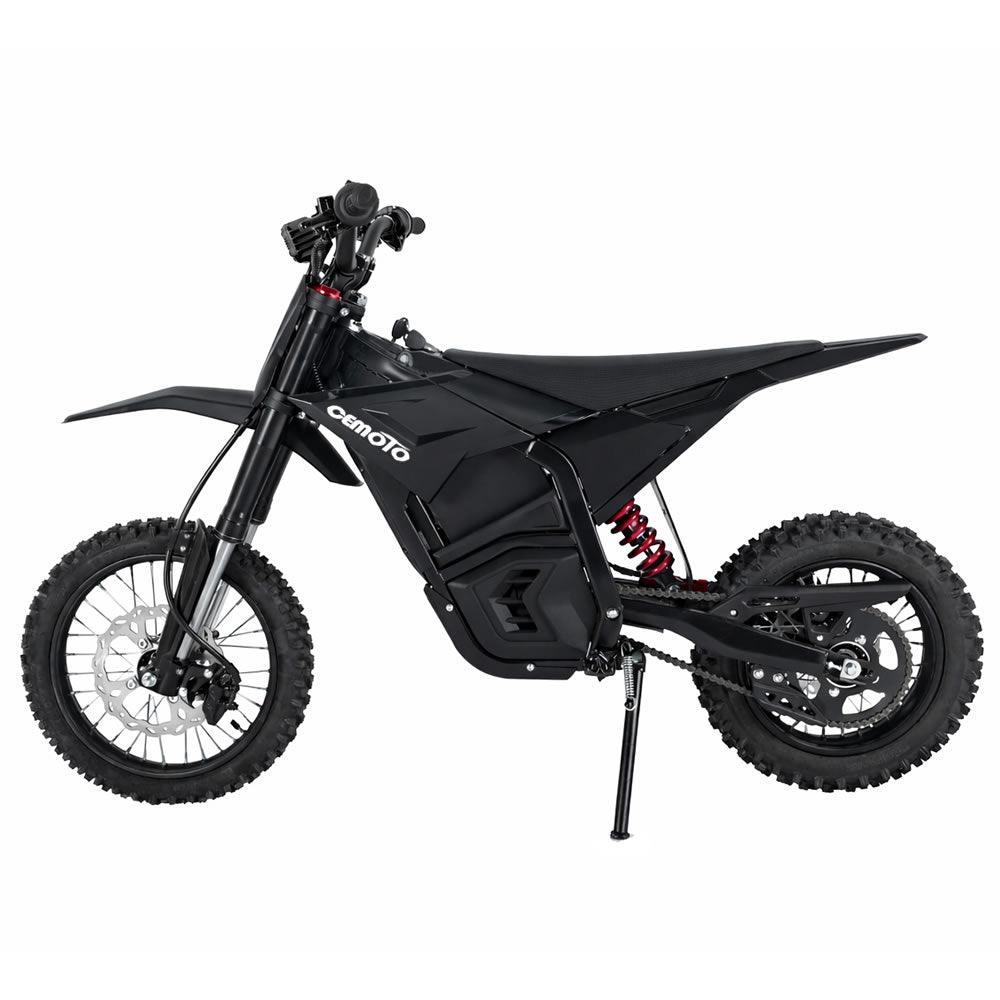
Upgrading a 6000W electric dirt bike with modular components offers a practical way to boost trail performance and durability without buying an entirely new machine. For riders pushing technical terrain, the key is matching controller, battery, and suspension upgrades to your specific riding demands, budget, and safety tolerances. When done right, this approach can deliver better power delivery, reduced overheating, and improved handling while preserving the bike's core platform.

Why Modular Upgrades Make Sense for High-Power Trail E-Motos
Owners of 6000W electric dirt bikes often encounter limits in sustained trail use. Stock controllers may overheat during repeated climbs, batteries can suffer voltage sag that cuts power mid-section, and suspension may bottom out or lose control on roots and rocks. These issues drive many riders toward incremental modular upgrades rather than full replacement.
This path aligns with the growing emphasis on e-bike serviceability and right-to-repair principles. As outlined in the 2026 E-Bike Serviceability & Right-to-Repair Standards, modular designs let enthusiasts service and improve their machines responsibly. For those upgrading from a 3000W electric dirt bike for adults, targeted changes can bridge the gap to high-output trail capability.
However, compatibility mistakes, mismatched battery management systems (BMS), and overlooked thermal demands introduce real risks. Lithium-ion micromobility batteries can pose fire risks, so riders should follow storage and charging guidance carefully, according to the U.S. Consumer Product Safety Commission micromobility guidance. Higher-power setups can also increase injury risk, making safety part of every upgrade conversation.
Common Limitations in Stock 6000W Electric Dirt Bikes on Technical Trails
Technical off-road trail riding with steep climbs, roots, rocks, and repeated throttle inputs quickly exposes stock component weaknesses. Controllers rated for peak power often lack the continuous current capacity needed for long efforts, leading to thermal throttling. Batteries may deliver impressive peak output but suffer sag or heat buildup that reduces range and reliability during weekend sessions.
Suspension frequently lacks the damping adjustment or spring rate suited to added power and rider aggression, causing fade or instability at higher speeds. These problems compound repair costs and interrupt rides. Many enthusiasts starting with a mid-power platform seek an electric moto controller and battery upgrade to reach full 6000W potential safely.
Battery systems require careful safety planning because lithium-ion failures can escalate quickly. Thermal runaway is a recognized battery hazard, so pack design and charging should prioritize fire prevention practices. Following manufacturer instructions and safe-use guidance helps minimize these risks.
Strategic Upgrade Paths: Controller, Battery, and Suspension
The safest modular route begins with verification rather than chasing peak numbers. Use manufacturer documentation to confirm BMS setup and configuration before pairing components. A practical upgrade heuristic prioritizes the battery and BMS first if they limit performance, followed by the controller matched to the pack's documented continuous current, and suspension tuned last once power and weight changes are known.
Step-by-step upgrade heuristic:
- Confirm baseline compatibility: Check battery nominal voltage, continuous discharge rating, BMS current limits, controller voltage window, wire gauge, connectors, and motor thermal tolerance.
- Address the battery/BMS if it is the bottleneck. Only upgrade if the new pack is documented for the target current; otherwise reduce controller demands.
- Select the controller second, keeping its current target inside BMS and wiring margins with headroom for trail climbs.
- Tune or upgrade suspension third, matching spring rate to rider weight plus gear and retuning damping for the new speed and mass.
- Test after each change: monitor heat, voltage sag, braking, and drivetrain strain. Stop if any subsystem reaches its limit.
This staged approach prevents weak-link failures. Suspension adjustment should follow OEM guidance for damping and setup to preserve control and comfort. Suspension brands provide setup resources to help riders tune comfort and control for trail conditions.
For many trail riders, this path transforms a capable but limited machine into the ultimate trail machine. Those coming from 3000W setups often find the biggest gains in consistent power delivery and reduced overheating during technical sections.

Upgrade Tradeoffs Visualized for Trail Performance
The chart below gives a conservative, modeled comparison of the three most common modular upgrades for a 6000W e-moto in trail riding. It is designed to show upgrade priorities and tradeoffs rather than exact performance gains; values are modeled for comparison based on typical trail rider reports and manufacturer guidelines.
Trail Upgrade Tradeoffs for a 6000W E-Moto
Modeled for comparison based on typical trail rider reports and manufacturer guidelines.
View chart data
| Series | Power Output | Thermal Management | Range / Endurance | Handling / Stability | Cost Efficiency | Safety Margin |
|---|---|---|---|---|---|---|
| Controller Upgrade | 8.0 | 6.0 | 4.0 | 4.0 | 6.0 | 4.0 |
| Battery Upgrade | 7.0 | 8.0 | 8.0 | 5.0 | 4.0 | 6.0 |
| Suspension Upgrade | 3.0 | 4.0 | 3.0 | 9.0 | 7.0 | 8.0 |
Heuristic comparison only. Values are modeled for comparison based on typical trail rider reports and manufacturer guidelines, using the article's upgrade_path and dont_buy_if modules: controller gains prioritize current delivery but raise thermal and safety tradeoffs; battery gains improve endurance but depend on BMS current limits and can raise cost/weight; suspension gains mostly affect handling/stability with limited power impact. Conservative scoring uses a 1-10 relative scale, not measured field data.
Controller upgrades typically deliver the largest power gains but can reduce thermal headroom and safety margin if the battery cannot support sustained current. Battery upgrades often improve range and thermal performance when BMS limits are respected, though they add cost and weight. Suspension upgrades excel at handling and stability with minimal impact on power or endurance. These scores are heuristic planning tools only—real outcomes depend on your exact bike, rider weight, terrain, and installation quality.
When to Skip Modular Upgrades Entirely
Not every 6000W e-moto is a good candidate for piecemeal modular changes. Avoid upgrades if the battery BMS cutoffs are unknown or undersized for the target controller current, if wiring runs hot at current loads, or if suspension is far outside its designed rider weight and terrain range. Full replacement becomes the better choice when multiple major subsystems need simultaneous changes, budget approaches the cost of a matched high-power system, or safety margin is the top priority.
Battery management and controller integration matter in electric two-wheel systems because power and safety depend on coordinated electronics. If any core component lacks clear documentation for the planned load, stop and consider a complete matched upgrade kit instead of risking mismatched parts.
Higher-power e-bikes can increase injury risk, so safety and rider experience should be part of the upgrade conversation. This article discusses comfort and setup advice only. It does not constitute medical advice, diagnosis, or treatment. If you experience persistent discomfort or have existing eye or health conditions, consult qualified professionals.
Practical Checklist for Building Your Ultimate Trail Machine
Before ordering a 6000W e dirt bike upgrade kit, run this self-audit:
- Verify all voltage, continuous current, and peak ratings across battery, BMS, controller, and wiring.
- Confirm connectors, fuses, and cables are rated for the new load with margin.
- Calculate added weight from battery or controller changes and adjust suspension spring rate accordingly.
- Plan thermal management—consider upgraded cooling or reduced current limits for long technical climbs.
- Test braking and stability after each stage; higher speeds demand reliable stopping power.
- Follow all manufacturer charging and storage instructions to reduce fire risk.
For electric dirt bike for trail riding, focus upgrades on sustained usability rather than maximum headline wattage. Riders prioritizing reliability often achieve better long-term results by staying within documented component limits.
Final Thoughts on Modular High-Power E-Moto Builds
Modular upgrades let dedicated enthusiasts evolve their 6000W electric dirt bikes into highly capable trail machines through targeted, garage-friendly changes. By following a logical sequence that respects battery limits, thermal realities, and suspension matching, riders can gain meaningful performance while controlling costs and risks.
Success depends heavily on room conditions, device quality, and careful installation. Results vary with terrain, rider weight, and maintenance habits. Always prioritize safety, consult official documentation for your specific components, and consider professional help for complex electrical work. When approached conservatively, this DIY ethos delivers years of enjoyable technical trail riding without starting over.
For more on maintaining and servicing high-performance electric off-road machines, explore our related guides on e-bike maintenance best practices and choosing the right high power electric dirt bike. Ready to source quality D-Series compatible parts? Check our performance controller collection or upgrade battery options to begin your build. Additional reading on suspension tuning for off-road e-motos and battery safety for high-output setups can help refine your approach.
