

What Actually Breaks First? 2026 Electric Dirt Bike Maintenance Guide


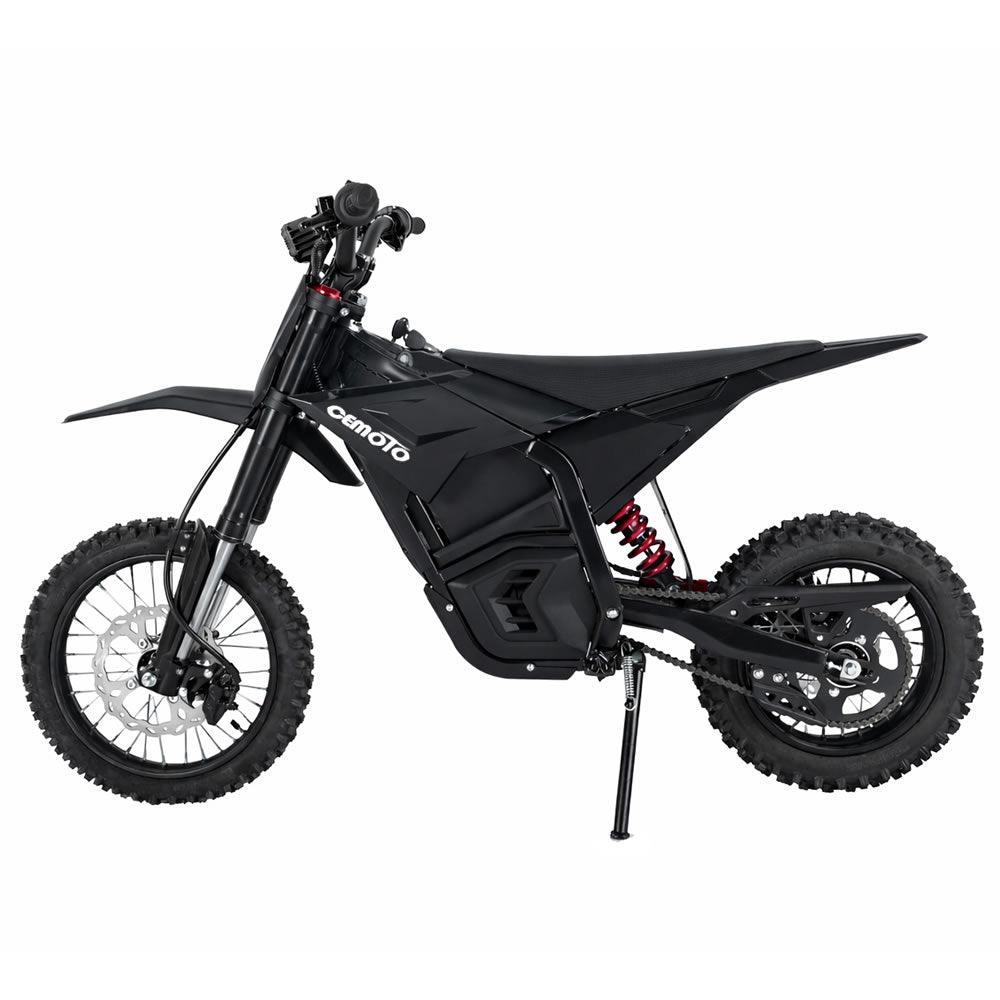
High-power electric dirt bikes in the 3000W–6000W range deliver thrilling performance on steep trails, jumps, and technical terrain, but they also experience accelerated wear on specific components compared with commuter e-bikes. Under aggressive off-road use the first parts that typically need attention are wear items such as brake pads, chains, tires, suspension seals, and fasteners rather than the motor or battery pack itself. A consistent post-ride inspection routine combined with targeted DIY maintenance can keep these machines reliable, reduce downtime, and lower long-term ownership costs.

What Actually Breaks First on High-Power Electric Dirt Bikes
When you push a high-performance electric dirt bike hard, the failure order differs from both low-power commuter e-bikes and traditional gas dirt bikes. Consumable wear parts show stress long before major electrical or mechanical assemblies. Brake pads glaze or wear rapidly on steep descents and in abrasive mud. Chains stretch, loosen, or corrode when exposed to water, sand, and insufficient lubrication. Tires lose knobs or puncture more often during repeated jumps and rocky sections. Suspension seals allow dirt ingress after heavy impacts or pressure washing, leading to stiction or leaks. Fasteners vibrate loose under constant high-frequency vibration.
In contrast, the motor, controller, and battery pack usually survive longer provided riders manage heat and avoid water intrusion. This pattern holds across 2026 models when used in aggressive trail and jump scenarios. The chart below summarizes relative wear priority based on a synthesis of repair guidance and official safety context. It is a heuristic model for guidance only; actual order varies with rider weight, terrain, maintenance habits, and exposure to mud or water.
Typical Relative Wear Priority Under Aggressive 3000-6000W Off-Road Use
Modeled for guidance: relative inspection priority after hard trail, jump, mud, and steep-climb riding.
View chart data
| Category | Wear Risk Score (1-10) |
|---|---|
| Brake Pads | 10.0 |
| Chain / Drivetrain | 9.0 |
| Tires | 8.0 |
| Suspension Seals | 8.0 |
| Fasteners / Hardware | 7.0 |
| Motor / Controller | 4.0 |
| Battery Pack | 3.0 |
Heuristic ranking synthesized from writer evidence: wear items usually show stress before major electrical components; brake pads and chains wear faster in mud, water, and steep descents; suspension seals are vulnerable to mud and impacts; controller and battery face thermal stress under repeated high-load riding; inspection after each hard ride is prudent.
This ranking aligns with the observation that wear items often show stress before major drive components, though exact timing depends on conditions (this official lithium-ion battery guidance underscores the importance of avoiding thermal abuse that can still affect battery longevity).
Realistic Service Intervals for Aggressive 2026 Off-Road Use
High-power electric dirt bikes used on steep trails, jumps, and rough terrain require more frequent checks than casual commuter riding. After every hard session involving mud, rain, stream crossings, or repeated jumps, perform a quick post-ride inspection. A full service every 10–20 hours of aggressive riding or monthly (whichever comes first) is prudent for most owners pushing 3000W–6000W machines.
Weekly visual checks become essential once you ride technical terrain regularly. This bike maintenance checklist offers a solid general framework: look for loose fasteners, wear, cable damage, and abnormal noise or play after aggressive riding. Official shipping and packaging regulations for lithium batteries also remind riders to handle packs carefully after rides to avoid hidden damage that could become hazardous (see 49 CFR Part 173).
Common myth: “Electric dirt bikes are maintenance-free.” In reality, the absence of oil changes does not eliminate drivetrain, brake, or seal service. Treating them like low-power commuters leads to premature failures and higher costs.
Chain and Drivetrain Maintenance Under Trail Stress
The chain is often the first component to demand attention. Dirt, water, and sand grind away at links and sprockets, accelerating stretch and increasing friction that can damage the motor over time. After every muddy or wet ride, clean the chain thoroughly with a degreaser safe for O-rings or X-rings, dry it completely, and apply a high-quality off-road chain lube. Check tension according to your model’s specification—typically allowing 20–30 mm of slack at the tightest point.
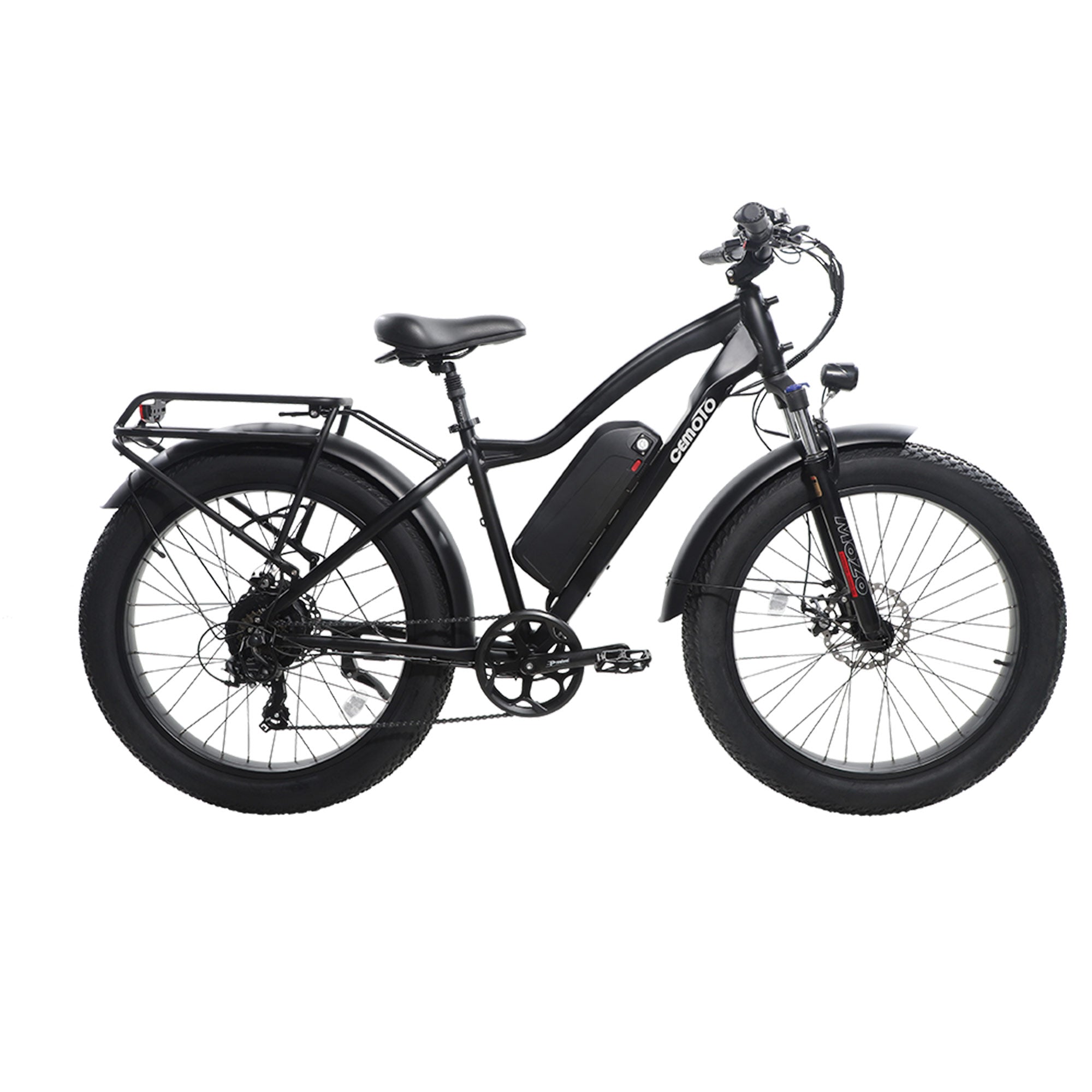
Inspect sprockets for hooked teeth or uneven wear. Replace the chain and both sprockets as a set once stretch exceeds manufacturer limits to avoid accelerated wear elsewhere. This Park Tool repair guidance explains why keeping the chain clean, lubricated, and correctly tensioned prevents knock-on drivetrain damage. For Cemoto D-Series owners, the modular design makes sprocket and chain swaps straightforward, aligning with the brand’s DIY-friendly ethos.
Quick Chain Checklist
- Clean and lube after every wet or dusty ride
- Measure stretch weekly during heavy use
- Adjust tension before each ride
- Replace chain/sprockets together when worn
Brake Maintenance for Steep Descents and Mud
Brake pads and rotors are routine wear items that degrade quickly on steep, technical terrain. Mud, water, and high heat from repeated descents glaze pads and score rotors. Check pad thickness after every 5–10 hard rides. Replace when friction material reaches 1–2 mm or when you hear metallic scraping. Clean calipers and rotors with isopropyl alcohol to remove glazing.
Bleed hydraulic brakes annually or if the lever feels spongy. This Park Tool repair resource highlights that brake pads and braking surfaces should be checked often when riding dirty, wet, or steep terrain. Always carry spare pads on long rides—changing them trailside with basic tools is one of the easiest DIY jobs and prevents dangerous stopping-distance surprises.
Suspension Seals, Pivots, and Fork Care
Suspension components endure massive punishment on jumps and rocky sections. Dust and water bypass damaged seals, contaminating internals and causing harsh action or leaks. After muddy rides or pressure washing, wipe seals clean and inspect for scoring or dirt lines. Apply suspension grease or fork oil to the stanchions. Re-grease pivot bearings every 20–40 hours or when you feel play.
Avoid using high-pressure washers directly on seals or electrical areas. FOX Suspension guidance notes that suspension seals and pivots should be inspected after mud, washing, or repeated hard impacts because contamination and shock load can shorten service life. If your Cemoto D-Series uses modular suspension parts, seal service and bushing replacement become far more accessible without specialized tools.
Controller Heat Management and Electrical Reliability
Repeated steep climbs, sand, or slow technical riding can cause controller and battery heat buildup that reduces power output or shortens component life. Watch for performance fade, unusual odors, or error codes on the display. Ensure cooling fins remain free of mud and debris. Park in shade after hard use and allow the system to cool before charging.
The U.S. Department of Energy lithium-ion battery guidance stresses that thermal stress and improper charging can create safety risks, making disciplined heat management essential. Use the CEMOTO D-Series Fardriver Programmable Bluetooth Dongle to monitor temperatures and tune performance curves for your typical riding style, preventing excessive heat in the first place.
Waterproofing Without Creating New Problems
Many 2026 electric dirt bikes carry IP65 or higher ratings, yet water resistance is not invulnerability. Pressure washing can force water past seals into connectors, controllers, or battery packs. After wet rides, disconnect and dry all visible connectors, apply dielectric grease, and inspect for corrosion. Use heat-shrink tubing or quality electrical tape on exposed wiring junctions.
This NEMA electrical enclosures standard context reminds us that waterproof claims should not be treated as permission to pressure wash or submerge sensitive components. Focus waterproofing efforts on connectors, the controller housing, and battery terminals rather than attempting to seal the entire bike. For Cemoto owners, the modular battery and controller design allows easier access for drying and inspection.

DIY Repairs vs. When to Seek Professional Help
One of the strongest advantages of modern high-power e-motos is serviceability. Modular designs let owners replace brake pads, chains, sprockets, suspension seals, and even certain controllers without dealer intervention. This reduces downtime and cost while giving riders confidence on remote trails. The guide on modular e-bike repair explains how modular parts break dealer lock-in and support right-to-repair principles that benefit owners of performance machines.
However, battery pack repairs, deep controller diagnostics, or motor rewinding involve high-voltage risks and specialized equipment. Leave those to qualified technicians. The 2026 E-Bike Serviceability & Right-to-Repair Standards provides practical checklists for evaluating modularity and compliance. Similarly, owners of fleets or multiple bikes may benefit from the insights in Beating Downtime: Why Modular Parts Win in Cargo E-Bike Fleets.
DIY-Friendly Actions You Can Perform Yourself
- Adjust chain tension and lubricate
- Replace brake pads and bleed brakes
- Clean and inspect suspension seals
- Check and tighten all fasteners
- Monitor controller temperatures via Bluetooth dongle
- Apply dielectric grease to connectors after wet rides
Actions Best Left to Professionals
- Battery pack disassembly or cell replacement
- Controller firmware flashing beyond basic tuning
- Motor bearing or winding service
- Frame crack or structural repair
Pre-Ride and Post-Ride Inspection Checklist
Make this routine non-negotiable before and after aggressive rides:
- Check tire pressure and tread condition
- Verify chain tension and lubrication
- Inspect brake pad thickness and rotor surface
- Look for loose bolts on triple clamps, axle, and footpegs
- Wipe and examine suspension seals for dirt intrusion
- Feel for unusual heat on controller and battery housing
- Test throttle response and brake lever feel
- Scan display for error codes
Performing these checks takes less than ten minutes yet prevents the majority of trail-side failures.
Preparing Your Electric Dirt Bike for Wet or Extreme Conditions
Before riding in rain, streams, or deep mud, apply extra dielectric grease to all connectors and consider adding breathable protective covers over the controller if your model allows. After the ride, rinse gently with low-pressure water, dry thoroughly, and re-grease. The modular upgrades guide for 6000W e-motos offers compatibility and safety tips that apply directly to trail performance and longevity.
Remember that over-sealing components can trap moisture and cause condensation damage. Focus on protecting entry points rather than creating fully waterproof enclosures.
Conclusion: Own the Maintenance, Enjoy the Ride
High-power electric dirt bikes reward riders who stay ahead of wear on brake pads, chains, seals, and fasteners. By adopting the inspection cadence, lubrication practices, and heat-management habits outlined here, most owners can keep their machines performing at peak levels without frequent dealer visits. The modular nature of 2026 platforms like the Cemoto D-Series makes these tasks approachable for DIY enthusiasts while the Accessories collection supplies the exact chains, displays, tools, and spare parts needed for trail-side or garage repairs.
This article discusses comfort, setup, and maintenance practices for electric dirt bikes. It does not constitute mechanical, electrical, or medical advice. Lithium batteries and high-voltage systems carry inherent risks; improper handling can lead to fire or injury. If you experience persistent mechanical issues, unusual heat, or have existing equipment concerns, consult a qualified technician. Always follow manufacturer safety guidelines and local regulations.
Consistent attention to the components that actually break first will dramatically reduce downtime and ownership costs, letting you spend more time riding the trails you love.
