
Electric Dirt Bike vs. Electric Mountain Bike: What's the Real Difference?


Master the trails with the right machine. This breakdown covers legal rules, battery range, and suspension secrets for adults choosing between moto and pedal power.
Two wheels, electric power, and a taste for rough terrain. At first glance, an electric dirt bike and an electric mountain bike seem to serve the same purpose. But they're built for very different riders, different places, and different kinds of fun. If you're trying to decide between the two, this breakdown will help you figure out which one actually fits your life.
Design Philosophy: Pedals vs. Footpegs
The most obvious difference is right in the name. An electric mountain bike has pedals. An electric dirt bike has footpegs. That one detail changes everything about how each machine is built and how you use it.
Electric Mountain Bike: Pedal-Assist Bicycle
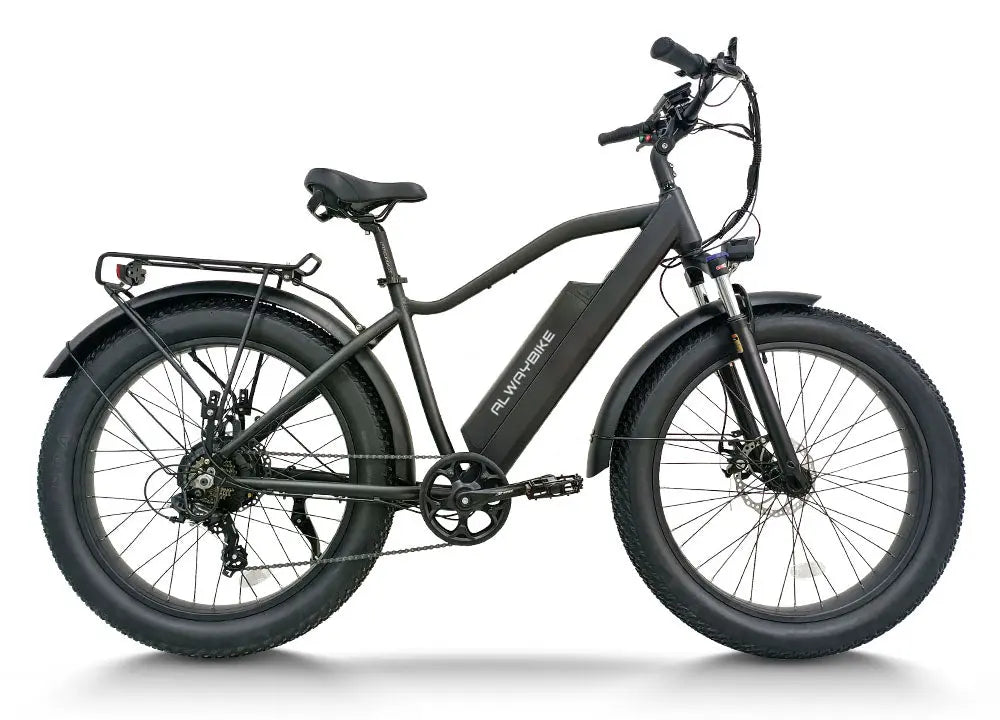
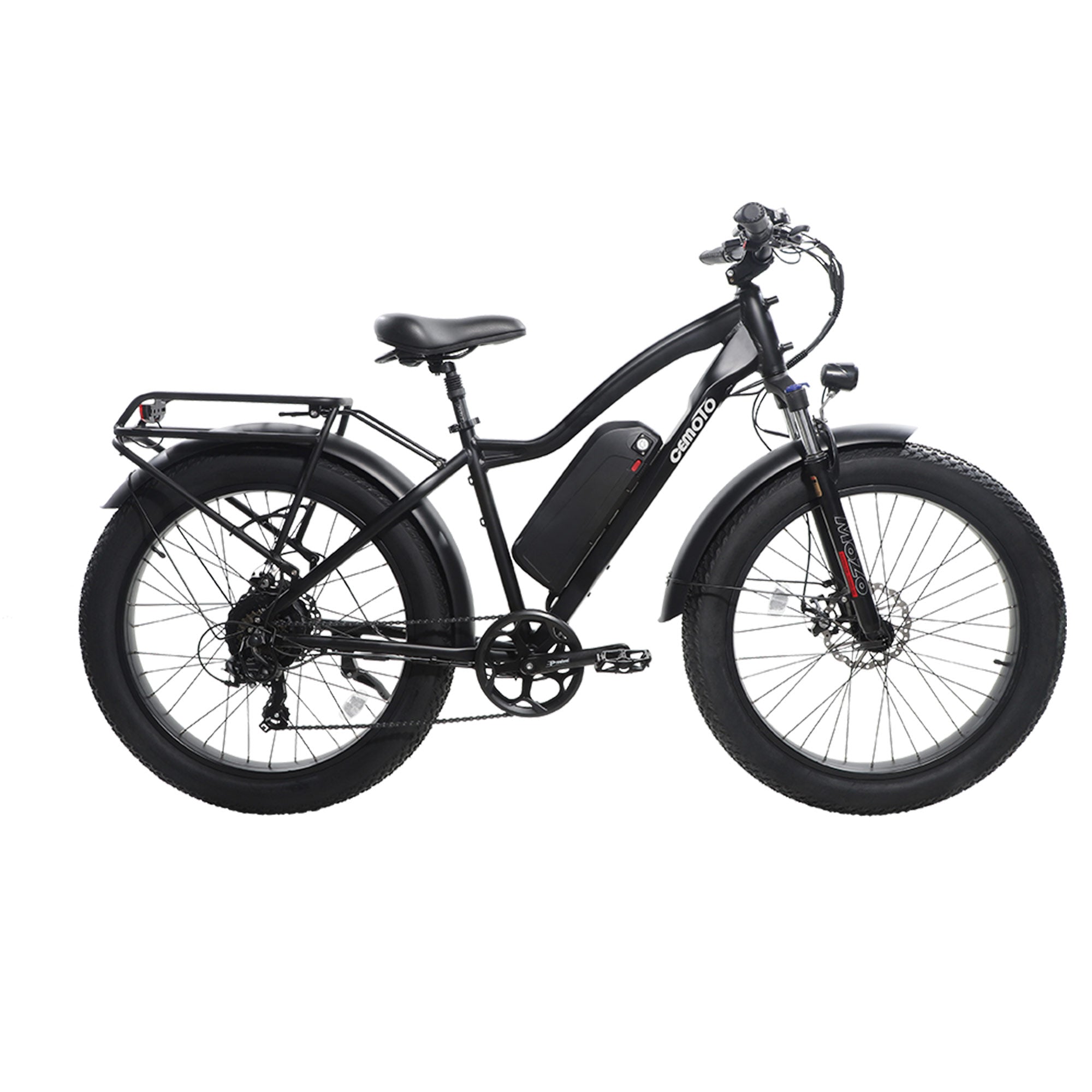
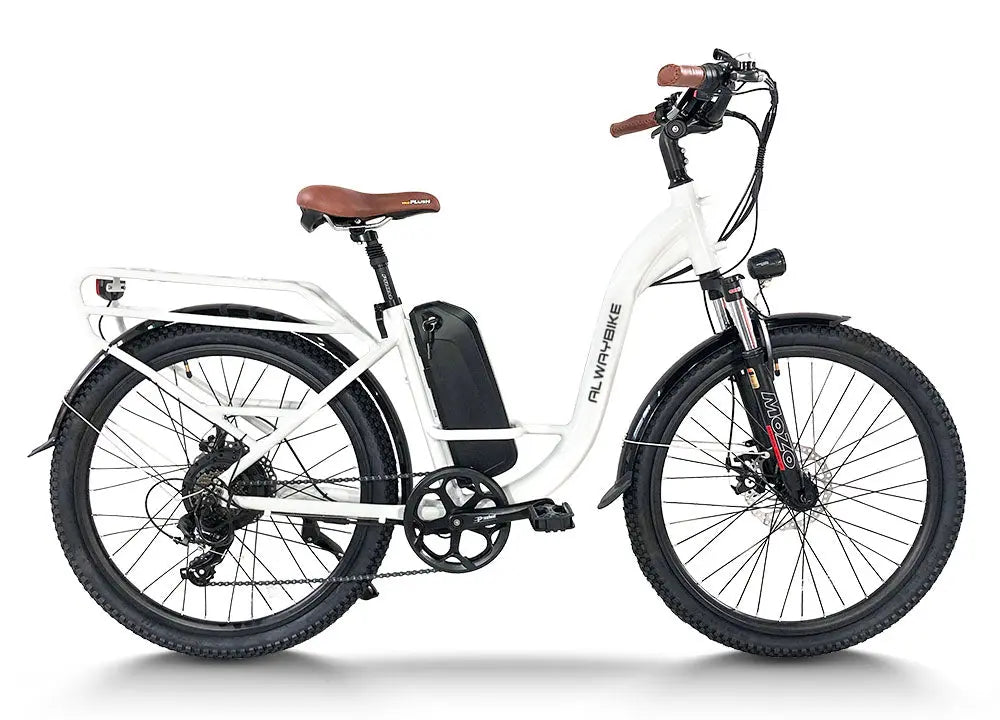
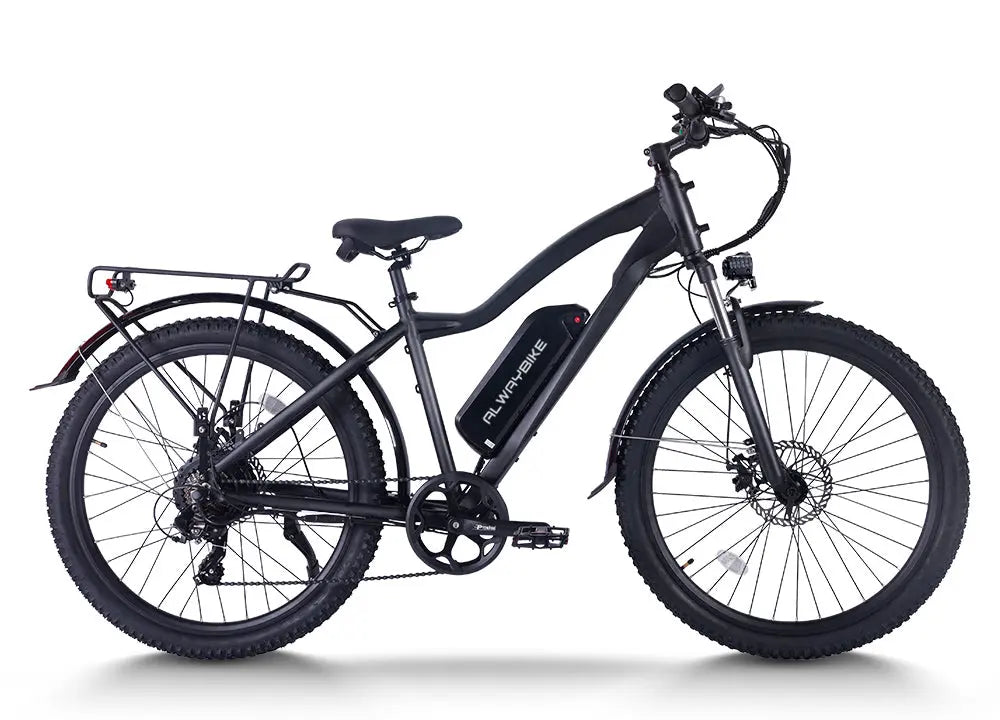
An electric mountain bike is classified as a bicycle. Its motor assists your pedaling rather than replacing it. You still put in physical effort. The frame geometry is designed for climbing, descending, and navigating trail obstacles at moderate speeds. Most models sit between 40 and 75 pounds.

Electric Dirt Bike: Throttle-Driven Machine
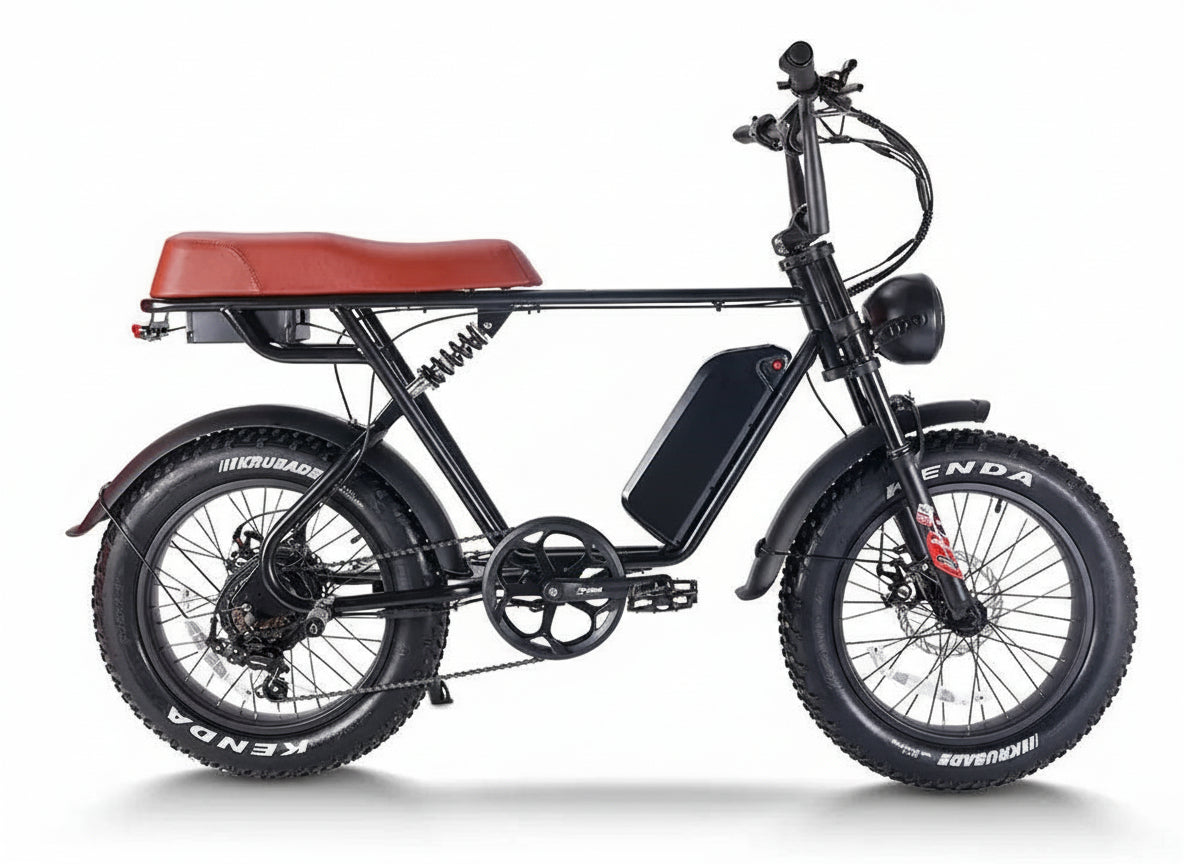
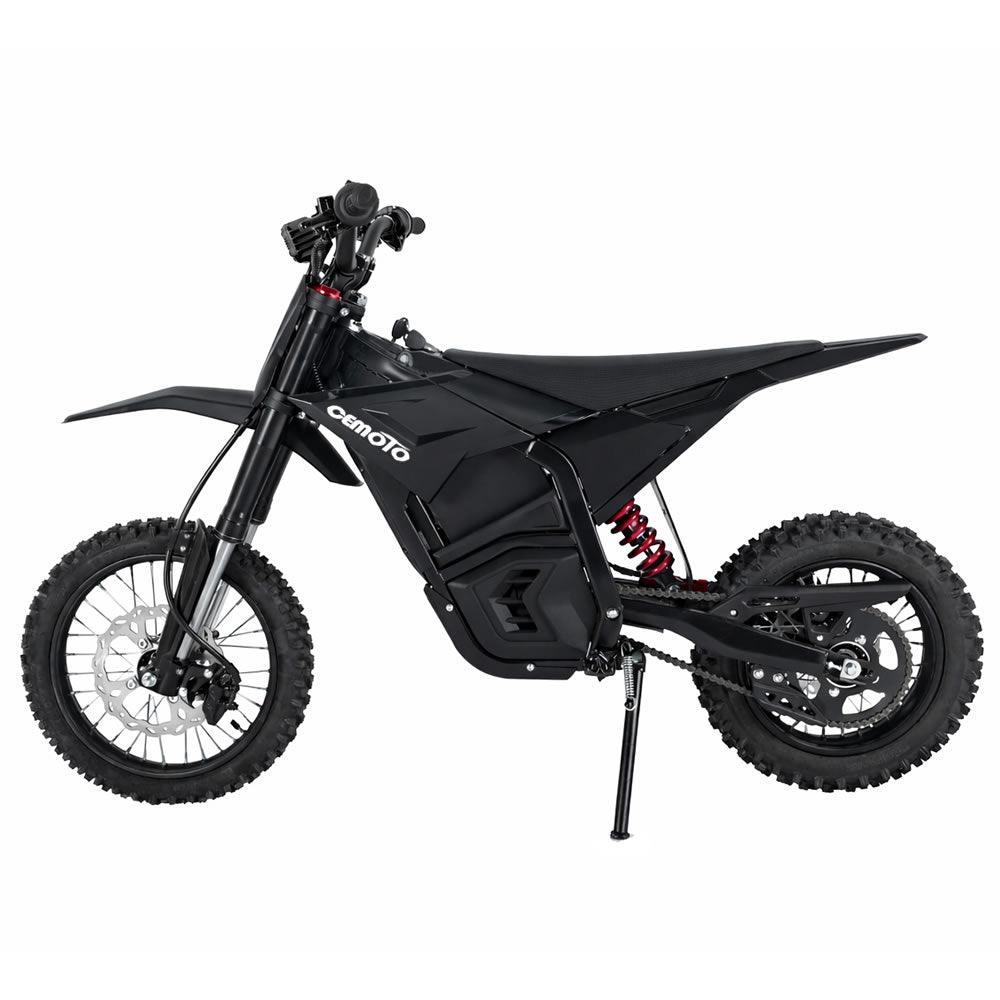
An electric dirt bike is closer to a motorcycle. You twist a throttle, and the motor does all the work. There are no pedals, no chain, no need to contribute any leg power. These bikes are heavier, often 100 to 200 pounds or more, and built to absorb impacts from jumps, berms, and rough off-road terrain.
The riding posture is different too. On an electric mountain bike, you're seated or standing over a traditional bicycle frame. On an electric dirt bike for adults, you're standing on pegs with your weight centered over a moto-style chassis. The ergonomics serve completely different riding styles.
Power and Speed: Legal Limits vs. Track Performance
How Electric Mountain Bikes Are Regulated
Electric mountain bikes sold for trail use are typically limited to 250 to 750 watts, depending on local regulations. In the United States, Class 1 and Class 3 e-bikes are capped at 750 watts and top assisted speeds of 20 to 28 mph. These limits exist so the bikes can legally access bike paths, trails, and public land.
What Electric Dirt Bikes Actually Produce
Electric dirt bikes operate in a completely different power range. Even entry-level models produce 1,000 to 3,000 watts. Performance models aimed at motocross can push 5,000 to 15,000 watts or more. Top speeds vary, but many exceed 50 to 60 mph in the right conditions.
| Feature | Electric Mountain Bike | Electric Dirt Bike |
| Motor output | 250W to 750W | 1,000W to 15,000W+ |
| Top speed | 20 to 28 mph (assisted) | 40 to 60+ mph |
| Power delivery | Pedal assist | Throttle only |
| Classification | Bicycle | Motorized vehicle |
Battery Range at a Glance
The battery systems reflect this gap too. An electric mountain bike battery typically holds 400 to 750 watt-hours and can last two to five hours on a trail ride. The best electric dirt bike options designed for enduro or track use often carry batteries in the 3,000 to 9,000 watt-hour range, though ride time can still be short under full throttle.
Where Can You Ride? Legal Distinctions
Electric Mountain Bike: Broad Access
An electric mountain bike can access most places a regular bicycle can. That includes bike lanes, paved paths, many national forest trails, and singletrack trails where e-bikes are permitted. The legal classification as a bicycle gives riders a lot of flexibility. You can load it on a car rack, ride to a trailhead, and be out on the trail in minutes.

Electric Dirt Bike: Restricted to Designated Areas
An electric dirt bike is a motorized vehicle in almost every legal sense. That means it typically cannot be ridden on public roads without registration, insurance, and a license plate. It's restricted from bike trails and most public land. Riding one legally usually means using private property, designated OHV (off-highway vehicle) parks, or sanctioned motocross tracks.
This distinction matters a lot in practice. If you live near a trail system and want something you can ride from your door, an electric mountain bike makes more sense. If you have a truck, a trailer, and a membership to an OHV park, the electric dirt bike becomes viable.
Suspension Travel and Frame Geometry
Electric Mountain Bike: Built for Trail Flow
An electric mountain bike usually has 100 to 170 mm of suspension travel. Cross-country bikes will be on the lower end of this range, while enduro and trail bikes will be on the higher end of the range.
The wheels of electric mountain bikes are usually 27.5 or 29 inches. This size of wheels glides smoothly over trail obstacles and provides riding efficiency.
Electric Dirt Bike: Built for Impact
An electric dirt bike usually has 250 to 300 mm of suspension travel. In some cases, it may be even more. This is twice as much as electric mountain bikes. This much suspension travel helps to deal with jumps and hard impacts. The frame of electric dirt bikes has been built to be upright and aggressive. This provides for a riding stance and quick directional changes.
The wheels of electric dirt bikes are 19 or 21 inches. This size of wheels is lighter and more responsive for track-style riding.
The electric mountain bike and electric dirt bike are built to solve two very different problems.
Which One Fits Your Lifestyle?
Be honest about where you’ll actually ride and how you’ll use the bike.
If access to trails and fitness level are your top concerns, an electric mountain bike is the way to go. It keeps you active, is legal for most trails, and is easier to transport and maintain in your daily life.
If speed and the thrill of riding a motorbike are your thing, then an electric dirt bike for adults is worth looking into. The best electric dirt bike models available right now are quiet, smooth, and surprisingly friendly for new riders compared to traditional gas-powered models.
A few honest questions to ask yourself:
- Do you have access to OHV parks or private land?
- Are you looking for exercise, or pure riding fun?
- How important is trail access and legal flexibility?
- What's your budget for the bike and ongoing riding costs?
Neither option is better in an absolute sense. They serve different riders in different contexts.
Make Your Move
Both electric mountain bikes and electric dirt bikes are fun and exciting bikes. The electric mountain bike offers you access, endurance, and exercise. The electric dirt bike offers you power, speed, and that moto experience without the noise and pollution. The choice is yours, depending on where you ride and not just what sounds good on paper. Either way, you are entering one of the most exciting types of outdoor activities available today.

FAQ about electric dirt and mountain bikes
Q1: Can an Electric Dirt Bike Be Ridden on Hiking Trails?
No, an electric dirt bike cannot ride on hiking or mountain bike trails. It is considered a motorized vehicle and is only permitted in OHV parks, motocross tracks, and private property.
Q2: Is an Electric Mountain Bike Considered a Motorized Vehicle?
Generally, no. An electric mountain bike is considered a bicycle in most countries and states in the U.S. and is permitted in areas that prohibit motorized vehicles. This is provided that the electric mountain bike meets specific criteria in terms of wattage and speed limits.
Q3: Which Has a Longer Battery Life: an Electric Dirt Bike or an Electric Mountain Bike?
The electric mountain bike has a significantly longer battery life. This is provided that you are riding an average speed on an electric mountain bike. A good electric mountain bike has a battery life of two to five hours. The electric dirt bike, by contrast, has a much shorter ride time. Its high-powered motor drains the battery far more quickly during sessions on the track or trails.
Q4: Are Electric Dirt Bikes Suitable for Beginners?
Yes, electric dirt bikes are good for beginners. This is provided that you are an adult and are using an entry-level electric dirt bike. The absence of a clutch in an electric dirt bike means that a beginner will find it easier to ride an electric dirt bike compared to a gas dirt bike.
