

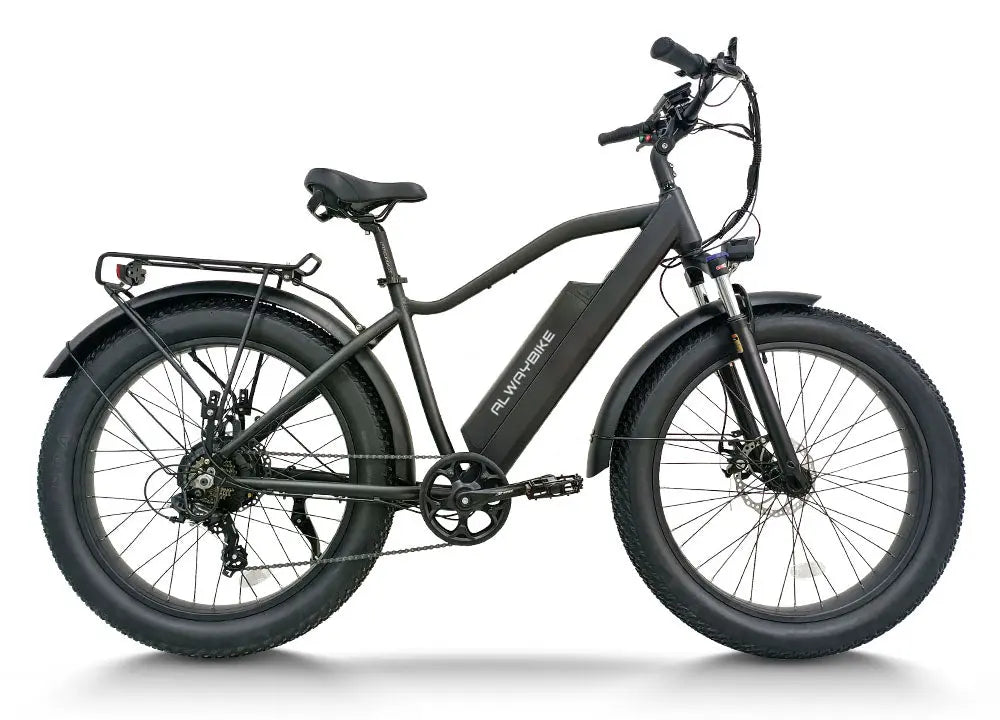
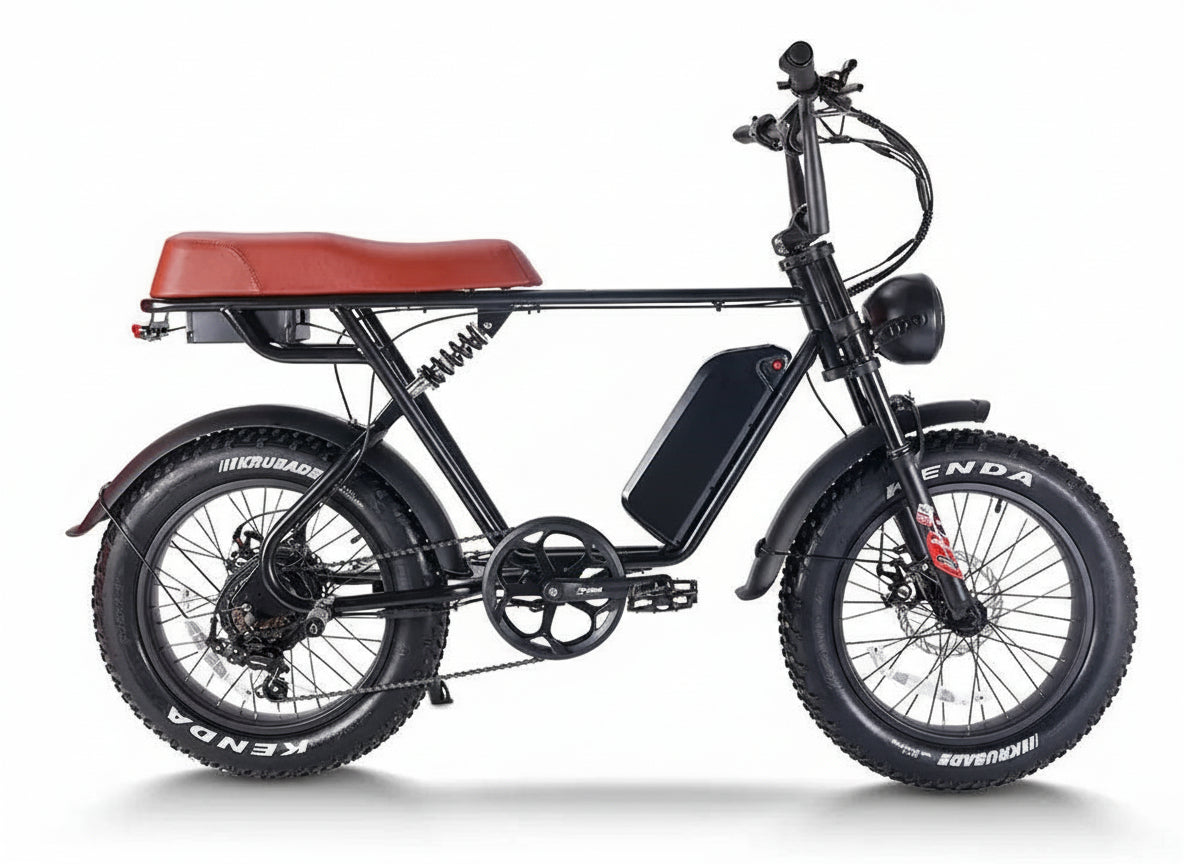
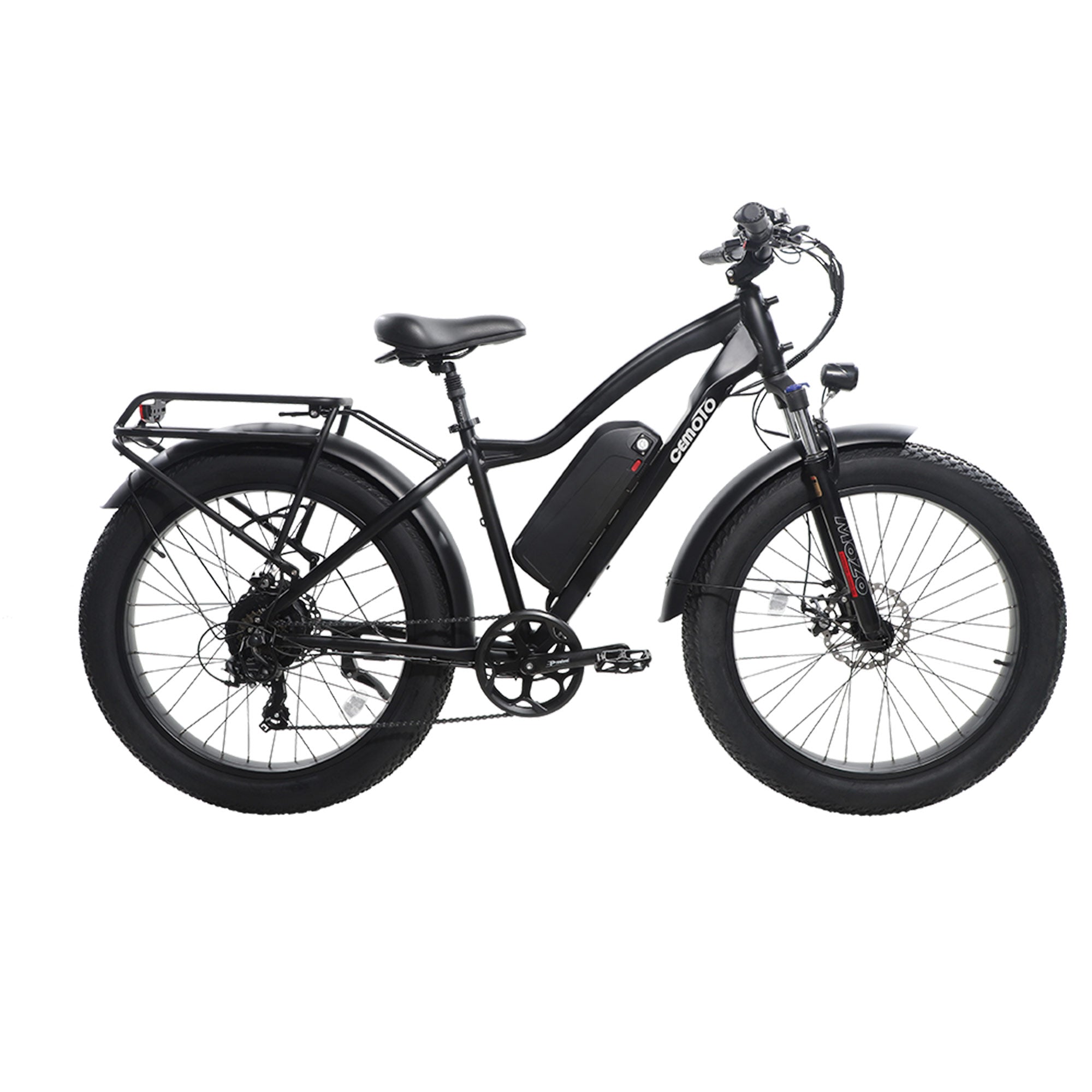
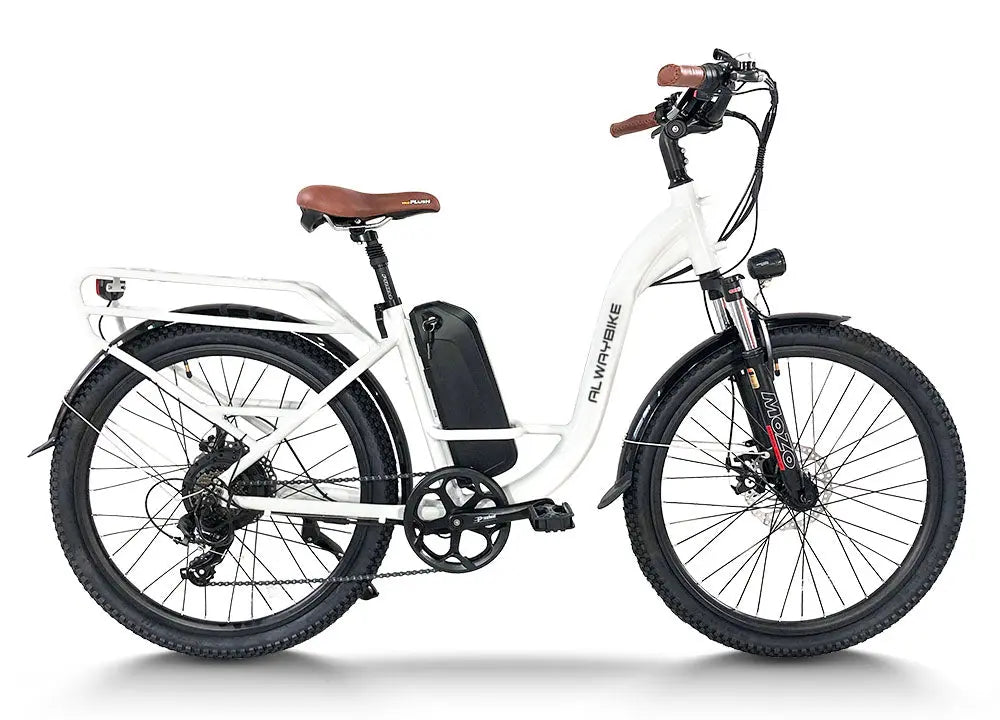
The Ultimate Guide to Fat Tire Electric Bikes for Any Season


Stop storing your bike—fat tire electric bikes crush snow, mud, sand & wet leaves. Get the best all-season e-bike tips: tires, motor, battery.
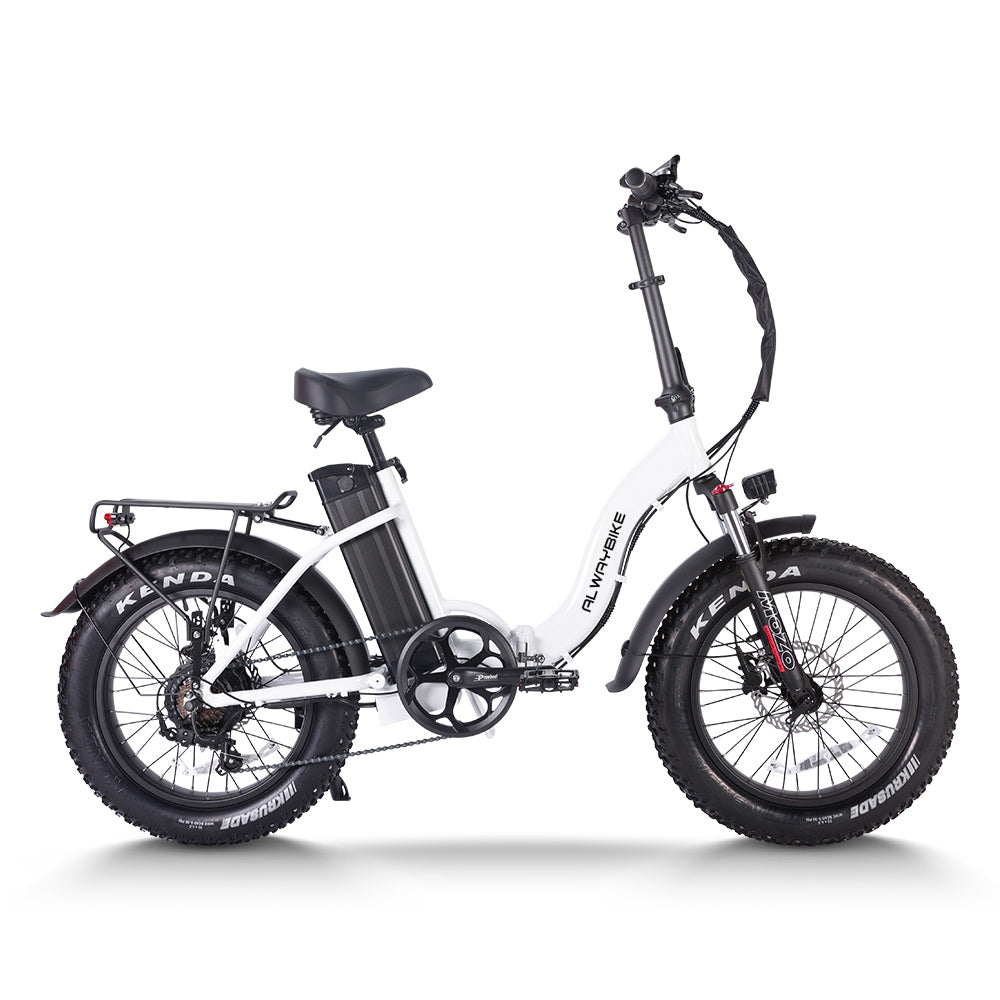
Fat tire electric bikes have transformed how riders approach challenging terrain and unpredictable weather throughout the entire year. These robust machines combine electric power with oversized tires to create a versatile riding experience that adapts to every season's unique conditions. Whether you're commuting through winter snow, spring mud, summer trails, or autumn leaves, a fat tire ebike offers capabilities that standard bicycles simply can't match.
What Fat Tire Electric Bikes Are and How They Work Across Different Seasons
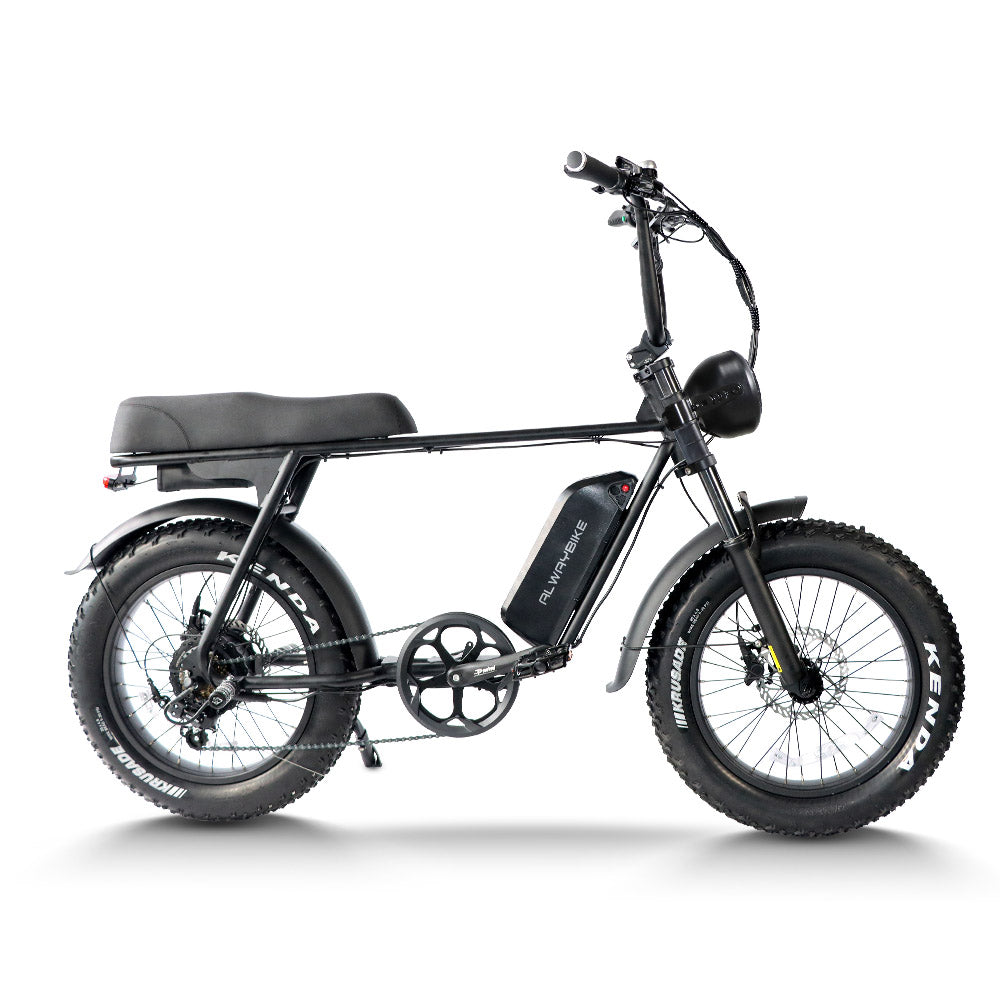
Fat tire electric bikes stand apart from conventional e-bikes through their dramatically wider tires, typically measuring 3.8 to 5 inches across. This design becomes particularly valuable when seasons change and road conditions vary dramatically.
The Physics Behind Year-Round Traction
The mechanics rely on basic physics principles that prove effective year-round. Wide tires distribute rider weight across a larger surface area, reducing pressure on any single point of contact. Most fat tire ebikes run between 5 and 15 PSI, compared to 40-65 PSI for standard bikes. This lower pressure allows the tire to conform to irregular surfaces, wrapping around obstacles rather than bouncing over them. The increased contact patch grips loose materials like winter snow, spring mud, summer sand, or wet autumn leaves.
How Electric Motors Enhance Seasonal Performance
Electric motors paired with this tire design create a powerful combination for seasonal riding. The motor provides consistent torque even when traction decreases on slippery surfaces, while the tires maintain contact with the ground. The motor compensates for the extra resistance created by snow, mud, or sand, maintaining momentum where pedal power alone would fail.
Three Major Advantages That Make Fat Tire E-Bikes Perfect for All-Season Riding
The practical benefits of electric fat tire bikes become especially apparent when you ride through different seasons. These advantages make them particularly valuable for year-round cyclists who refuse to let weather dictate their riding schedule.
Stability Through Every Season's Challenges
Wider tires create a more stable platform beneath the rider regardless of seasonal conditions. The increased footprint enhances lateral stability on icy winter roads, muddy spring paths, or leaf-covered autumn trails. The bike remains predictable even when hitting unexpected obstacles hidden by snow, water, or fallen leaves.
Natural Shock Absorption for Seasonal Terrain Changes
Fat tires act as built-in suspension systems that adapt to seasonal road conditions. The large air volume inside each tire cushions impacts from winter ice ridges, spring potholes, summer roots, and autumn debris. The compliance in the tire absorbs vibrations throughout the ride, reducing fatigue during longer journeys through changing conditions.
True Four-Season Performance
Winter riding becomes genuinely feasible with proper fat tire ebikes. The tires float on top of snow rather than sinking, while the electric motor provides steady power for climbing snow-covered hills. Spring mud and wet conditions pose fewer challenges because the wide tires resist clogging. Summer brings opportunities for sandy beaches and desert trails. Autumn's wet leaves and early frost create slippery conditions that fat tires handle with confidence.
Comparing Fat Tire and Standard Electric Bikes for Year-Round Use
Choosing between these two bike types requires understanding how each performs across seasonal changes. Standard e-bikes excel in ideal conditions but struggle when weather deteriorates.
| Feature | Fat Tire E-Bike | Standard E-Bike |
| Winter Performance | Excellent on snow/ice | Poor, often unusable |
| Spring Mud Handling | Maintains traction | Frequently gets stuck |
| Summer Versatility | Handles any terrain | Limited to paved paths |
| Autumn Wet Conditions | Confident on leaves/rain | Reduced stability |
| Weight | 65-85 lbs | 40-60 lbs |
Standard e-bikes perform well during dry summer months and mild autumn days. However, the first snowfall or heavy spring rain often forces these bikes into storage. Fat tire models sacrifice some efficiency for consistent year-round capability. Year-round commuters who face unpredictable weather will value the reliability that electric fat bikes provide across seasons.
Selecting the Perfect Fat Tire E-Bike for Your Seasonal Adventures
Different seasons demand specific features and considerations. Understanding these requirements helps you choose a bike that performs well throughout the entire year.
Motor Power for Seasonal Conditions
A 750-watt motor handles most three-season riding with ease. However, winter conditions with snow and ice often require more power. A 1000-watt or higher motor maintains momentum through deep snow and provides the extra push needed when climbing slippery winter hills. Look for specifications that clearly state continuous rather than peak ratings and verify cold-weather performance.
Choosing Tread Patterns for Different Seasons
Tire tread dramatically affects seasonal performance. Aggressive knobby treads with deep lugs excel during winter snow, spring mud, and wet autumn conditions. These patterns create more noise during dry summer riding but remain the best choice if winter use is a priority. Multi-season riders might prefer moderately aggressive treads that balance capabilities.
Essential Year-Round Features
Fenders become critical for three-season riding. Spring rain, summer puddles, and autumn moisture spray water and debris onto riders without proper coverage. Integrated lighting systems matter more during winter months when daylight hours decrease. corrosion-resistant components extend bike life when riding through winter weather and spring rain. In regions that use road salt during winter, additional corrosion protection becomes even more critical.
Seasonal Maintenance for Fat Tire Electric Bikes
Year-round riding demands attention to seasonal maintenance needs to maintain peak performance through all four seasons.
Adjusting Tire Pressure for Seasonal Conditions
Winter riding requires the lowest pressures, typically 5-8 PSI, to maximize flotation on snow and improve traction on ice. Spring mud conditions work well at 8-10 PSI. Summer allows higher pressures of 12-15 PSI for improved efficiency. Autumn conditions often require middle-ground pressures around 10 PSI. Check pressure before every ride since temperature swings cause significant air volume changes.
Battery Care Across Temperature Extremes
Winter can reduce battery capacity by 30-40% compared to summer performance. Store batteries indoors during winter nights and warm them to room temperature before riding. Summer heat also affects battery longevity. Avoid leaving bikes in direct sunlight during peak heat. Spring and autumn's moderate temperatures provide ideal battery conditions.
Seasonal Cleaning Strategies
Winter riding in regions that use road salt requires frequent washing to prevent corrosion. Spring mud demands thorough cleaning to prevent grit from damaging seals and bearings. Summer dust and autumn leaves require regular drivetrain maintenance. Wet conditions during winter, spring, and autumn accelerate brake pad wear significantly.
Adapting Your Riding Style to Different Seasons
Each season presents unique characteristics that require adjustments to riding technique and preparation.
Winter Riding Strategies
Lower tire pressure to 5-7 PSI for maximum traction, and use lower pedal assist levels to prevent wheel spin on slippery surfaces. Dress in layers that allow adjustment as your body warms. Allow extra time for winter commutes since safe speeds decrease significantly on snow and ice.
Spring and Autumn Wet Condition Tactics
Carry rain gear even when starting rides under clear skies. Wet leaves in autumn create surprisingly slippery conditions comparable to light snow. Spring's freeze-thaw cycles create challenging morning ice that melts by afternoon. Adjust tire pressure slightly higher than winter settings to prevent pinch flats.
Summer Trail Exploration
Summer's stable conditions encourage exploration of new trails and extended adventures. Higher tire pressures around 12-15 PSI improve efficiency for longer rides. Heat management becomes the primary concern. Start longer rides early to avoid peak afternoon temperatures.
Ride Through Every Season with Confidence
Electric fat tire bikes eliminate the need to choose between year-round riding capability and performance. Their unique combination of electric power and oversized tires creates a machine that adapts to each season's distinct challenges. The right fat tire electric bike transforms cycling from a fair-weather activity into a genuine four-season lifestyle.
FAQs
Q1: Can Fat Tire Electric Bikes Handle Extreme Winter Conditions Safely?
Yes. Fat tire ebikes can handle winter conditions safely. The ebikes can easily glide on packed snow and light ice if the pressure is reduced to between 5 and 7 PSI. Additionally, it is recommended that during winter conditions, you should use low assistance levels on the ebike and significantly reduce your speed.
Q2: How Does Battery Performance Change Between Summer and Winter Riding?
The battery performance during winter is reduced by about 30-40% compared to summer. It is recommended that you keep your battery indoors during winter. This will help you maintain the battery performance. Additionally, it is recommended that you warm up your battery before riding during winter. Spring and autumn seasons provide optimal battery performance. During these seasons, the battery performance is maximized.
Q3: Do I Need Different Tires for Each Season?
Most fat tire ebike enthusiasts use the same tires during all seasons. Aggressive knobby treads work well across all four seasons if you prioritize winter capability. Some enthusiasts swap tires seasonally for maximum performance but this requires additional investment and storage space.
Q4: What Maintenance Tasks Are Most Critical for Year-Round Fat Tire E-Bike Reliability?
The most important maintenance task for fat tire ebikes is regular cleaning. The most important maintenance task for year-round fat tire e-bikes is regular cleaning, especially if you ride in wet conditions or on salted winter roads. Additionally, if you live in an area where road salt is used during winter, it is recommended that you wash your ebike after each winter ride.
