

Best Heavy-Duty Electric Cargo Bikes for Delivery


Why Heavy-Duty Electric Cargo Bikes Matter for Delivery in 2026
For small businesses, independent couriers, and last-mile operators, uptime and predictable costs determine profitability more than peak speed or headline range. A well-chosen heavy-duty electric cargo bike can reduce reliance on vans, ease parking and unloading in dense cities, and lower per-delivery operating expenses—provided the model supports realistic payloads, secure storage, and fast repairs using standardized parts.
Public-sector freight planning recognizes bicycles and smaller electric vehicles as viable delivery options in dense urban areas. Delivery microhubs using cargo bikes can also reduce truck traffic while supporting safer urban freight operations. The key is selecting a platform that stays in service rather than spending time in the shop.
What Makes a Cargo E-Bike "Heavy-Duty" for Commercial Use
Commercial delivery demands more than a high payload number on the spec sheet. Real-world usability depends on cargo geometry, stability under repeated stop-and-go loading, weather resistance, and the ability to maintain the bike quickly with locally available parts.
Recent university research reports active cargo e-bike fleets already being used for delivery and light maintenance work. These operational examples highlight that modular, durable designs with easy maintenance deliver the highest uptime for businesses.
Fleet guidance emphasizes total cost of ownership (TCO) as a primary decision factor for commercial electrified vehicles. Buyers should therefore evaluate purchase price alongside battery replacement, parts availability, repair time, and downtime costs rather than focusing solely on upfront cost.
Key Thresholds for Fleet-Ready Cargo E-Bikes
Not every bike marketed as "heavy-duty" meets daily commercial demands. Use these 2026 heuristic thresholds as a quick screening tool. They represent practical boundaries synthesized from fleet usage patterns and available evidence.
2026 Commercial Heuristics for Heavy-Duty Cargo E-Bikes
2026 Commercial Heuristics for Heavy-Duty Cargo E-Bikes
Illustrative screening thresholds for 2026 delivery fleets; not test data or official market averages.
View chart data
| Category | Floor | Target | Upper |
|---|---|---|---|
| Payload (kg) | 150.0 | 200.0 | 250.0 |
| Daily range (km) | 30.0 | 60.0 | 100.0 |
| Battery life (cycles) | 500.0 | 900.0 | 1200.0 |
| Motor power (W) | 500.0 | 650.0 | 750.0 |
Heuristic thresholds synthesized from the provided viewpoint-insighter threshold table (payload 150-250kg, range 30-100km+, battery 500-1200 cycles, motor 500-750W+), internal CEMOTO B69 reference point (150kg, 750W), and fleet-use direction from UMN research plus official logistics reports. Presented as 2026 commercial screening heuristics only.
A bike that meets only the "Floor" level may work for very short, low-volume routes but will likely create friction in multi-stop daily delivery. Target or higher thresholds provide better margin for real urban conditions.

Hidden Trade-offs in Heavy-Duty Cargo E-Bikes
Higher payload and rugged construction often come with trade-offs that affect small fleets more than individual buyers.
- Durability versus upfront price: A more robust frame and components increase initial cost. This premium pays back only when the bike sees near-daily use and the fleet spreads capital cost across enough deliveries.
- Proprietary components versus standardized serviceability: Integrated systems can simplify operation but often lead to longer downtime if parts or service depend on a single vendor. Standardized parts (Shimano drivetrains, common battery formats, widely available brakes) usually reduce repair time for small teams.
- Battery life versus operating simplicity: Daily heavy use accelerates battery wear. Replacement cost becomes a major TCO item; fleets should plan for 800–1,200 cycles under managed charging rather than assuming indefinite performance.
- Stability versus urban maneuverability: Heavier chassis feels planted when loaded but can complicate parking, curb navigation, stair access, or indoor storage in tight city environments.
Publicly discussed cargo-bike projects emphasize affordability, durability, and easy maintenance as design goals. For small businesses, the winning choice usually prioritizes quick field repairs and parts commonality over flashy integration.
Cargo Storage and Security Features That Matter
Lockable, weather-resistant cargo storage is a practical business requirement for delivery bikes. Commercial setups often prioritize secure boxes that protect parcels from rain, theft, and tampering between stops.
Look for:
- Rigid or semi-rigid lockable containers with weather seals
- Mounting that keeps the center of gravity low for stability
- Adjustable internal dividers or straps for partial loads
- Capacity that matches typical parcel sizes rather than maximum theoretical volume
Cargo-bike parking infrastructure is often designed to be secure and weather resistant, underscoring the importance of matching the bike’s storage to operational needs.

How to Choose and Compare Models for Your Fleet
Apply this practical checklist before purchasing:
- Payload realism: Does the rated capacity include realistic cargo box volume and stable handling under your typical load shape?
- Drivetrain and brakes: Are components from widely available brands (e.g., Shimano gears, hydraulic disc brakes) that local shops can service quickly?
- Battery and range: Can the system support your daily route distance with margin for hills, headwinds, and aging? Check cycle life ratings and replacement cost.
- Repairability: How long does the manufacturer say common parts take to ship? Are firmware or controller updates required for routine maintenance?
- Fleet standardization: Can you buy multiple identical units with common spares to simplify training and inventory?
- Regulatory fit: Confirm the bike’s class, speed, and power rating comply with local e-bike rules for commercial use in your city.
Commercial use of cargo bikes is growing across business and public-service applications. The models that succeed long-term tend to balance sufficient payload with service simplicity.
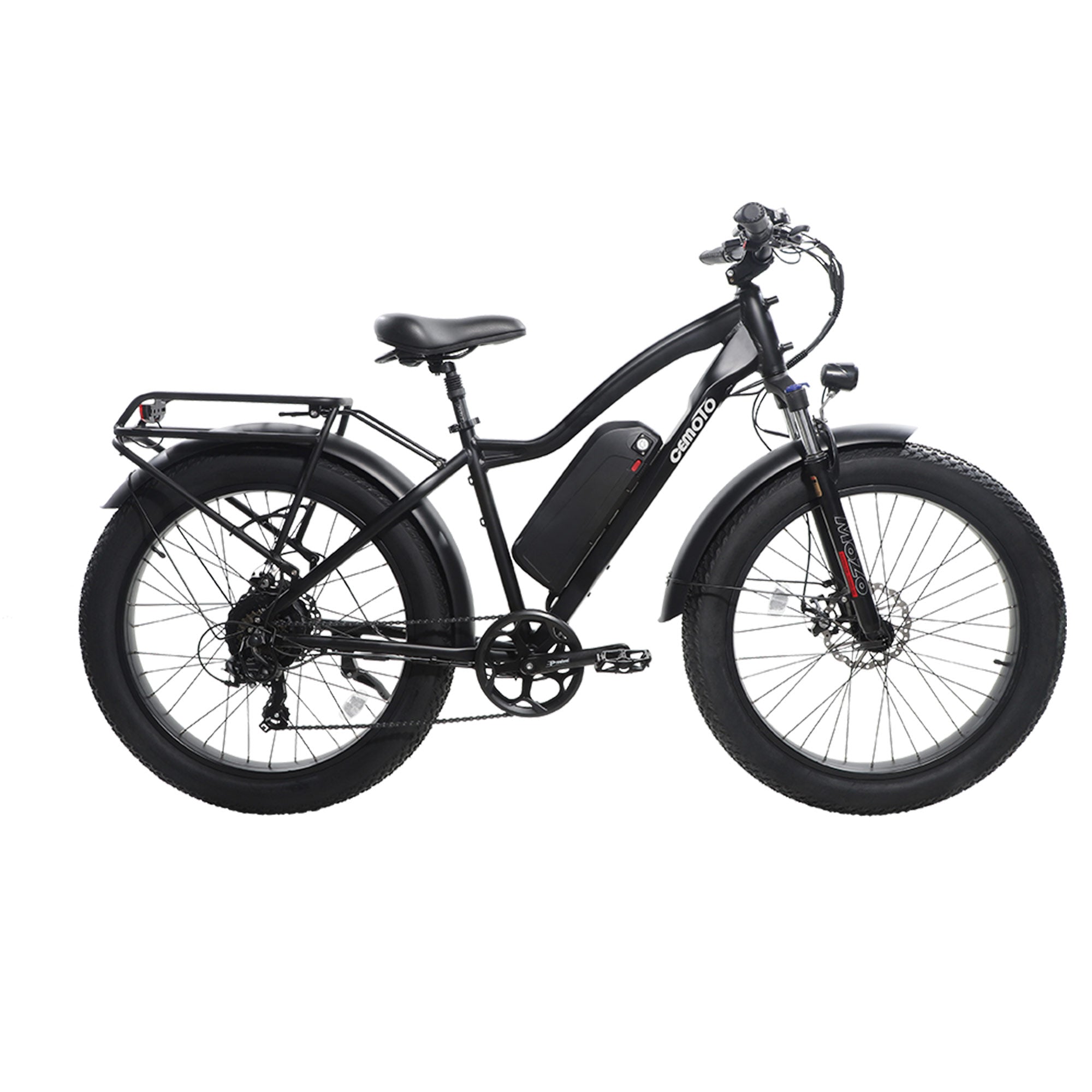
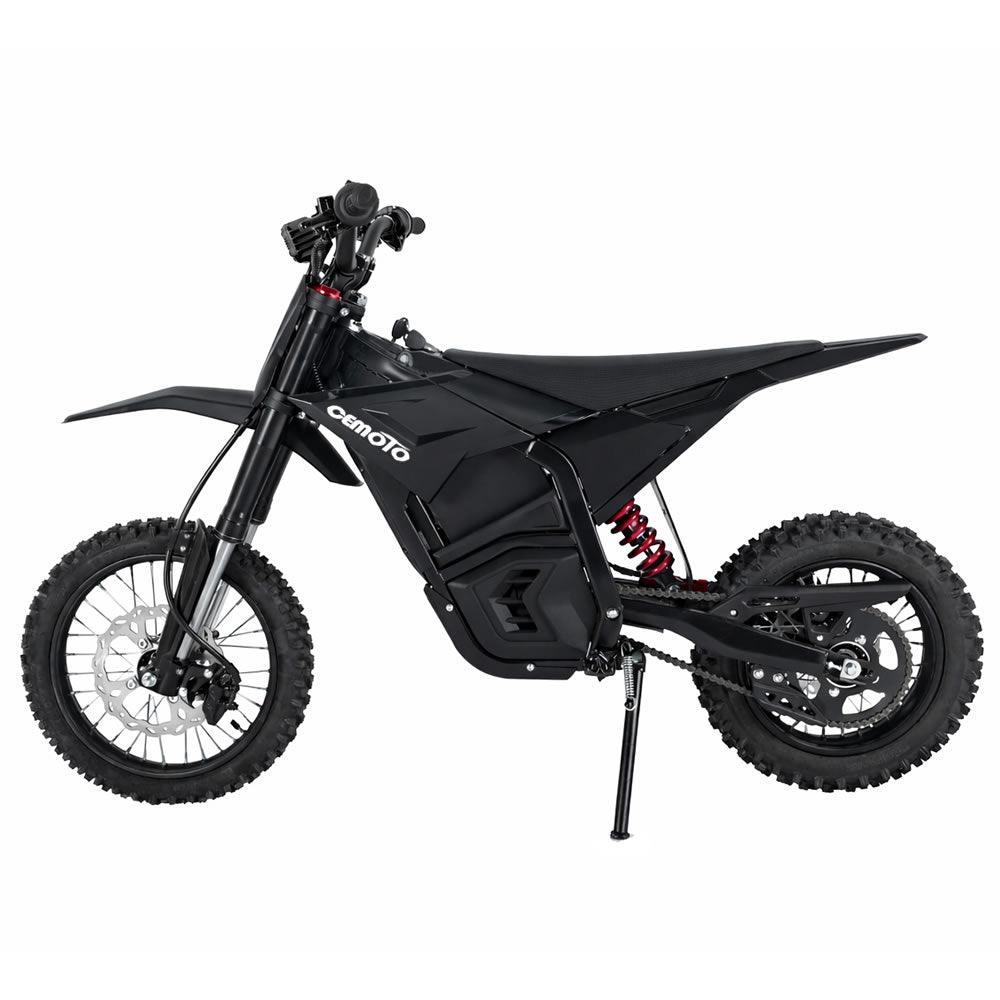
For businesses seeking a proven heavy-duty option with strong payload and standardized components, the CEMOTO B69 750W Heavy Duty E-Bike offers 150 kg capacity, a 750W motor, hydraulic disc brakes, and Shimano 7-speed gearing—features that align well with many urban delivery needs.
Read our broader guide for more background: Everything You Need to Know About Cargo Electric Bikes.
When a Cargo E-Bike May Not Be the Right Choice
Heavy-duty cargo e-bikes excel in dense urban routes with frequent stops and moderate payloads. They are less ideal when:
- Average daily loads consistently exceed 200 kg or require pallet-sized items
- Routes involve long highway segments or very steep sustained grades without charging access
- Your team lacks basic mechanical capability and depends entirely on vendor service
- Budget allows only one or two bikes with no margin for spares or downtime
In those cases, a light commercial van or purpose-built electric utility vehicle may provide better overall economics.
Final Recommendation
The best heavy-duty electric cargo bike for delivery in 2026 is the one that minimizes total cost of ownership while maximizing uptime. Prioritize models with realistic payload handling, lockable weather-resistant storage, standardized repairable components, and battery systems sized for your actual daily mileage.
By screening against the thresholds and trade-offs outlined above, small businesses and couriers can select fleet vehicles that stay on the road, protect deliveries, and deliver predictable operating costs rather than unexpected repair bills.
Comfort and safety disclaimer: This article discusses setup, maintenance, and purchasing considerations for commercial cargo e-bikes. It is not medical, safety, or legal advice. Cargo bikes involve physical demands and should comply with all local regulations. Riders with existing health conditions or concerns about fatigue should consult qualified professionals. Always wear appropriate safety gear and test any new vehicle thoroughly in controlled conditions before commercial use.
Related Resources
