

The 2026 DIY E-Bike Troubleshooting Guide: Fixing Common Faults at Home


The 2026 DIY E-Bike Troubleshooting Guide: Fixing Common Faults at Home
When your direct-to-consumer (D2C) e-bike stops working and local shops decline service, a structured DIY troubleshooting approach can often get you back on the road. The key is to start with a strict safety filter, follow a repeatable diagnostic order focused on connectors and modular parts, and know exactly when to stop before risking battery-related hazards. In 2026, modular e-bike designs make many common faults far more approachable at home than proprietary systems, provided you respect official lithium-ion safety boundaries and use model-specific guidance.

This guide translates the most frequent 2026 e-bike complaints—blank displays, charging issues, and controller communication faults—into practical steps. It draws on established troubleshooting patterns and fire-safety recommendations so you can make informed decisions without unnecessary part swapping.
Why DIY Repair Matters for D2C and Modular E-Bikes in 2026
Many owners of online-purchased e-bikes discover that local bike shops may refuse service due to insurance constraints or lack of proprietary software. This reality has driven the growth of modular component designs that allow riders to replace displays, controllers, and wiring harnesses without specialized dealer tools.
Modular systems reduce downtime, but they require a disciplined diagnostic approach. As this 2026 Right-to-Repair E-Bike Guide explains, standard connectors lower the barrier for home maintenance. However, battery and high-voltage work carry inherent risks that demand clear boundaries.
Electrical & Battery DIY Safety Responsibility Statement
Important: This guide is intended for users with basic electrical safety knowledge and access to their specific model’s manual. E-bike batteries are high-energy devices. Stop immediately and seek professional service if you notice:
- Battery swelling, unusual heat, or "sweet" chemical odors.
- Smoke, sparks, or melted plastic on connectors.
- Repeatedly tripping circuit breakers or blown fuses.
Never attempt to open a sealed battery pack or bypass internal Battery Management System (BMS) safety features. Unauthorized modifications can lead to thermal runaway (fire) and void your warranty. If you are unsure of a step, stop and consult a technician.
Myth vs Reality: Common Misconceptions About E-Bike Repair
- Myth: All e-bikes are easy to fix at home. Reality: Difficulty varies by brand. A model-specific manual is your most important tool.
- Myth: Any battery works if the plug fits. Reality: Compatibility depends on voltage, discharge rates, and BMS communication protocols. Fit does not equal safety.
- Myth: Error codes always mean a dead motor. Reality: Most errors are caused by loose connectors or "noisy" signals in the wiring harness.
DIY Feasibility Triage for Common Faults
Use this chart to decide whether a fault is worth a home check or requires professional intervention.
2026 DIY E-Bike Fault Triage: Feasibility vs. Safety Risk
Use this chart to decide whether a fault is worth a home check or should stop at safety first.
View chart data
| Category | DIY Feasibility (High=3, Medium=2, Low=1, None=0) | Safety Risk (Low=1, Medium=2, High=3) | Recommended First Action (Home fix=3, Inspect first=2, Stop and seek help=1) |
|---|---|---|---|
| Display not working | 2.0 | 1.0 | 3.0 |
| Battery / charging issue | 0.0 | 3.0 | 1.0 |
| Controller / wiring error | 1.0 | 2.0 | 2.0 |
Heuristic triage based on common e-bike fault patterns, modular connector logic, and safety guidance. Battery swelling or heat is treated as an immediate stop condition aligned with official lithium-ion warnings; display and connector issues are generally more DIY-feasible than battery internals. Values are illustrative planning scores, not measured rates.
Note: These scores are for illustrative planning only and do not represent statistical success rates or actual risk probabilities. Battery swelling is a "Hard Stop" condition; display and external wiring issues are generally the most DIY-feasible.
Essential Tools and Preparation
A basic DIY e-bike toolkit for 2026 modular systems includes:
- Multimeter: Essential for checking battery voltage and wire continuity.
- Insulated Tools: Screwdrivers and Allen keys to prevent accidental shorts.
- Contact Cleaner & Dielectric Grease: For maintaining weather-resistant connections.
- Model-Specific Manual: To decode error codes and wiring colors.
Modular Part Compatibility Checklist
Before purchasing or installing a replacement part (Display, Controller, or Battery), verify the following. If any item does not match, do not install.
- Voltage Rating: Must match exactly (e.g., 48V, 52V, 60V).
- Connector Type: Check pin count and gender (e.g., Julet 5-pin green vs. 2-pin red).
- BMS/Controller Protocol: Ensure the display and controller "speak" the same language (e.g., CAN bus vs. UART).
- Current Limits: Replacement controllers must not exceed the battery’s rated continuous discharge.
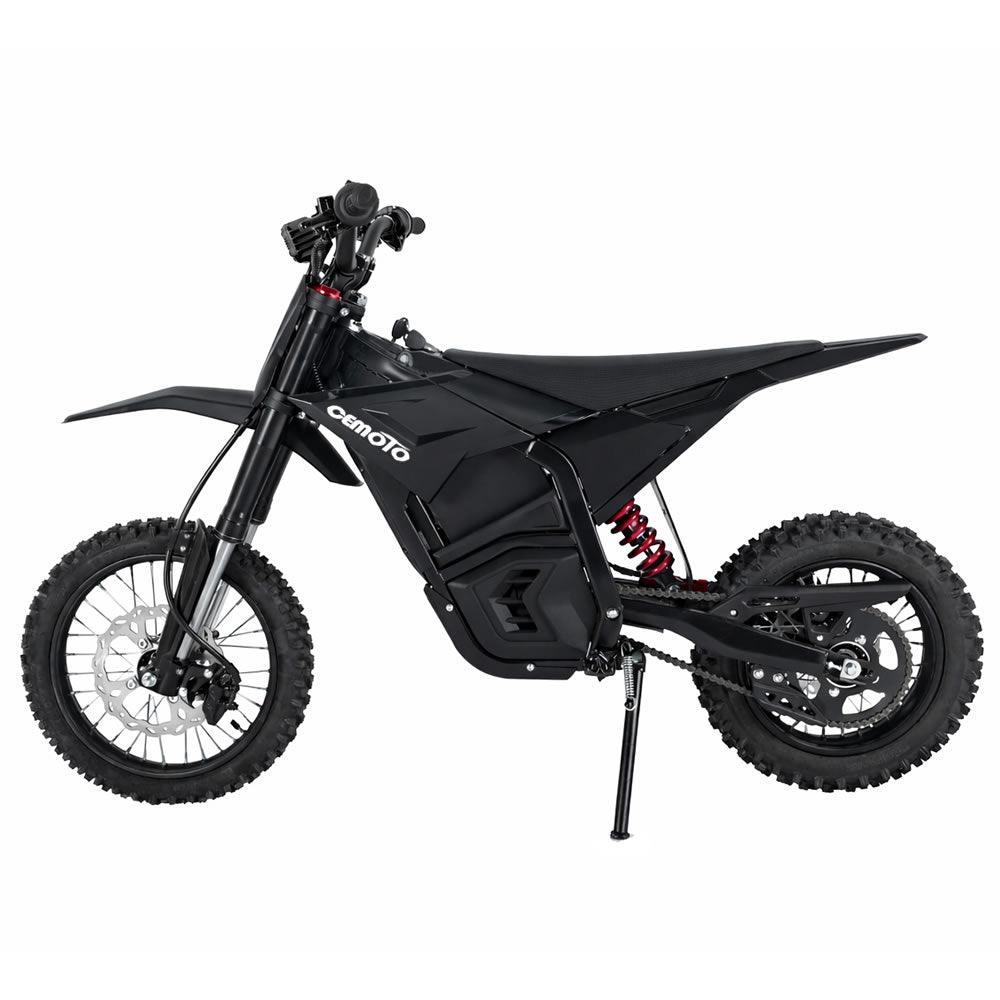
For Cemoto D-Series owners, the CEMOTO D-Series Fardriver Programmable Bluetooth Dongle and Display for Electric dirt bike CEMOTO D03 G518 are direct-fit options designed for modular compatibility.
Step-by-Step Troubleshooting for Common Faults
1. Display Not Working or Showing Error Codes
If the display is blank or showing a code, follow this isolation path before buying parts.
| Symptom | Likely Culprit | First Action |
|---|---|---|
| Completely Black Screen | Power Supply | Check battery seating and main fuse. |
| Backlight On, No Data | Communication Link | Inspect the green/yellow wires in the harness. |
| Intermittent Flickering | Loose Connection | Reseat the main harness "bus" connector. |
| Specific Error Code | Component Fault | Cross-reference manual (e.g., Error 07 = Motor). |
Diagnostic Logic:
- Check the "Handshake": Unplug the display and inspect for bent pins. Re-plug firmly.
- Voltage Test: Using a multimeter, check the power pins on the display connector (refer to your manual for pinout). You should see the battery's nominal voltage. If 0V is present, the issue is the controller or battery, not the display.
- Bypass Test (Advanced): Some systems allow you to "jump" the power pins to see if the motor spins without the display. Only do this if your manual provides a specific bypass diagram.
2. Battery Connection and Charging Issues
When the bike won't turn on, the problem is often the interface between the battery and the frame.
- Terminal Inspection: Look for "arcing" (black carbon marks) on the battery discharge ports. Clean with isopropyl alcohol if found.
- Charger Verification: A green light on the charger usually means it's not "seeing" the battery. Check the fuse inside the battery's charging port if accessible.
- Voltage Sag: If the bike turns off under load, the battery may have a "soft" cell or a failing BMS. Test the voltage at the discharge port; if it drops significantly when you hit the throttle, the battery needs professional service.
3. Controller and Motor Communication Faults
Controller errors often manifest as "Error 07" (Motor Fault) or "Error 10" (Comm Fault).
- The "Tug Test": Gently tug on the wires entering the motor hub. Chafing here is the #1 cause of controller failure.
- Phase Wire Check: Inspect the three thick wires (usually Yellow, Blue, Green) connecting the controller to the motor. If the connectors are melted, the motor is drawing too much current or the connection was loose.
- Hall Sensor Check: If the motor "stutters" but doesn't spin, one of the five small hall sensor wires is likely broken.

How to Choose the Easiest E-Bike to Repair Yourself
If you are currently shopping, prioritize repairability by looking for:
- Standardized Connectors: Look for "Julet" or "Higo" waterproof plugs.
- External Controllers: Easier to swap than those hidden deep inside the frame.
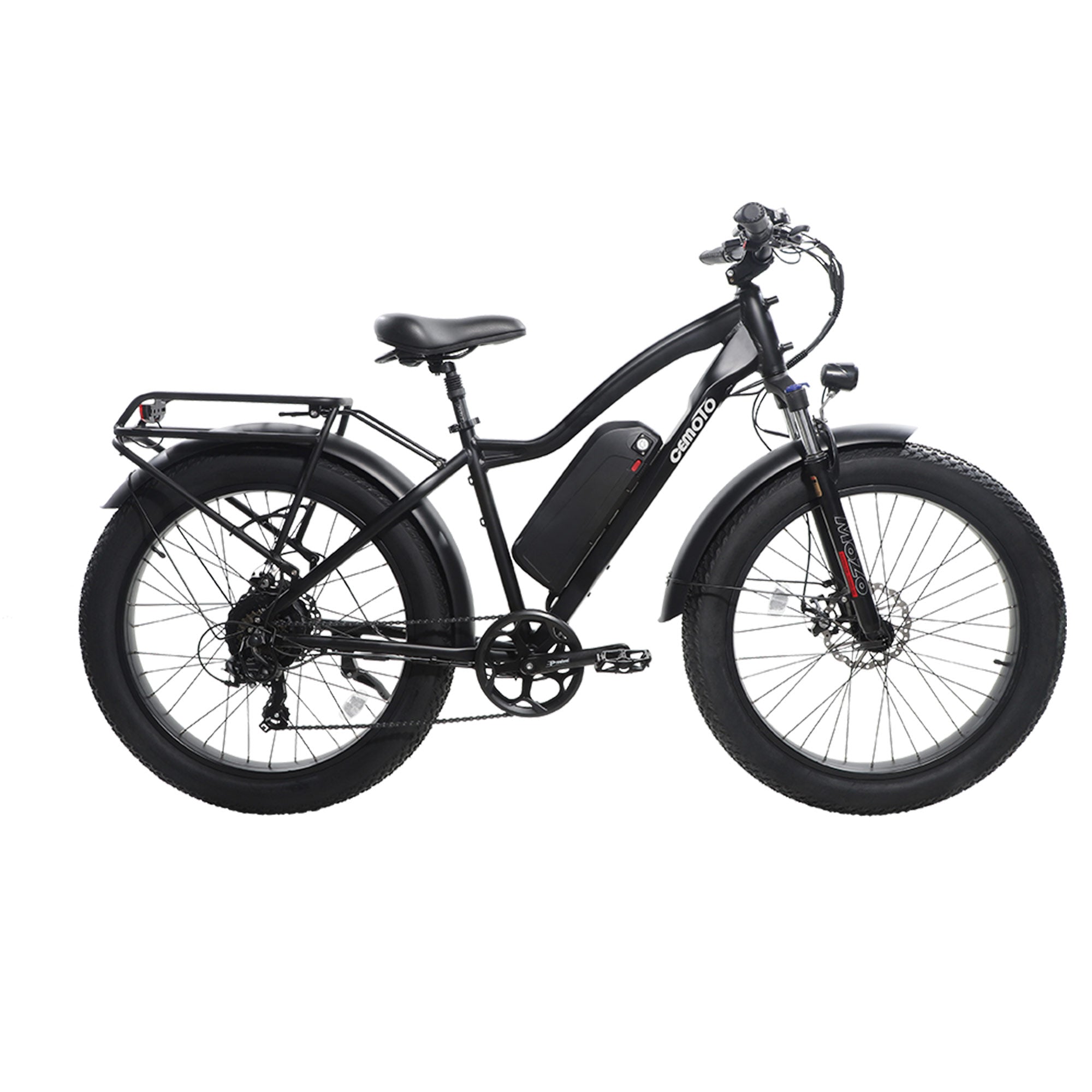
- Open Ecosystems: Brands like Cemoto that offer an Accessories collection with direct-fit parts.
For more on the benefits of modularity, see Breaking the Dealer Lock: The Rise of Modular E-Bike Repair.
Preventive Maintenance Checklist
- Monthly: Inspect the motor cable for zip-tie rub or trail damage.
- After Rain: Unplug the main display connector and ensure no moisture is trapped inside.
- Seasonally: Apply dielectric grease to all non-sealed connectors to prevent oxidation.
Final Takeaway
A modular e-bike paired with disciplined diagnostic habits can dramatically reduce reliance on reluctant service shops. Always start with the "Safety Filter," use the triage chart to set expectations, and follow the connector-first sequence. When symptoms point inside the battery pack or involve heat, hand the bike to a professional.
For related guidance on high-wear components, read the 2026 Electric Dirt Bike Maintenance Guide.
Disclaimer: This article is for informational purposes regarding DIY troubleshooting. It does not replace the manufacturer's official service manual. All electrical repairs are performed at the user's own risk.
