


Calculating ROI for Delivery Fleets: The True Cost of Cargo E-Bikes in 2026


Cargo e-bikes can deliver strong returns for urban last-mile fleets in 2026 when routes are dense enough to leverage their lower capital and operating costs, though real-world payback depends heavily on daily drop volume, payload management, and maintenance practices. Fleet managers should model total cost of ownership (TCO) with conservative assumptions around battery life and downtime to avoid over-optimistic projections.

Understanding Total Cost of Ownership for Cargo E-Bikes
Total cost of ownership provides the most reliable framework for comparing cargo e-bike delivery with traditional vans. Unlike simple purchase-price comparisons, TCO captures purchase cost, energy, maintenance, insurance, training, downtime, and eventual replacement over a typical 4–6 year ownership period.
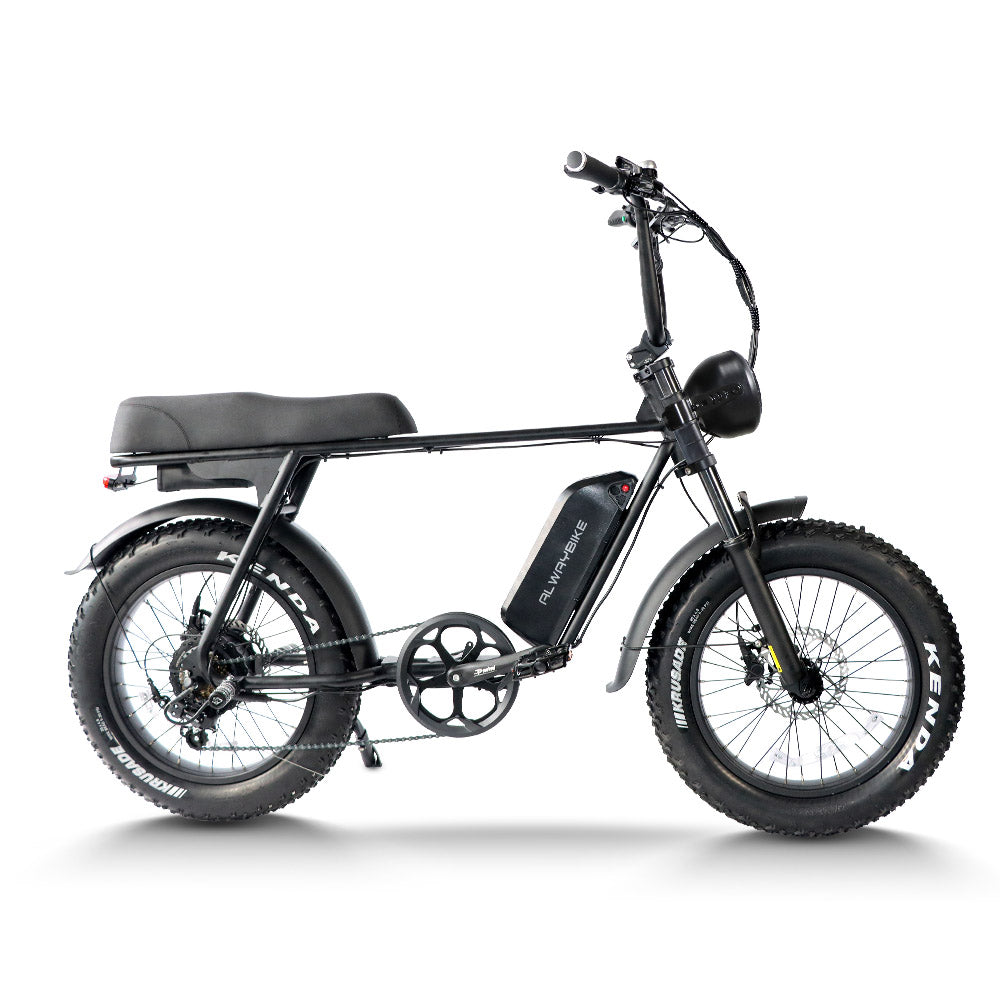
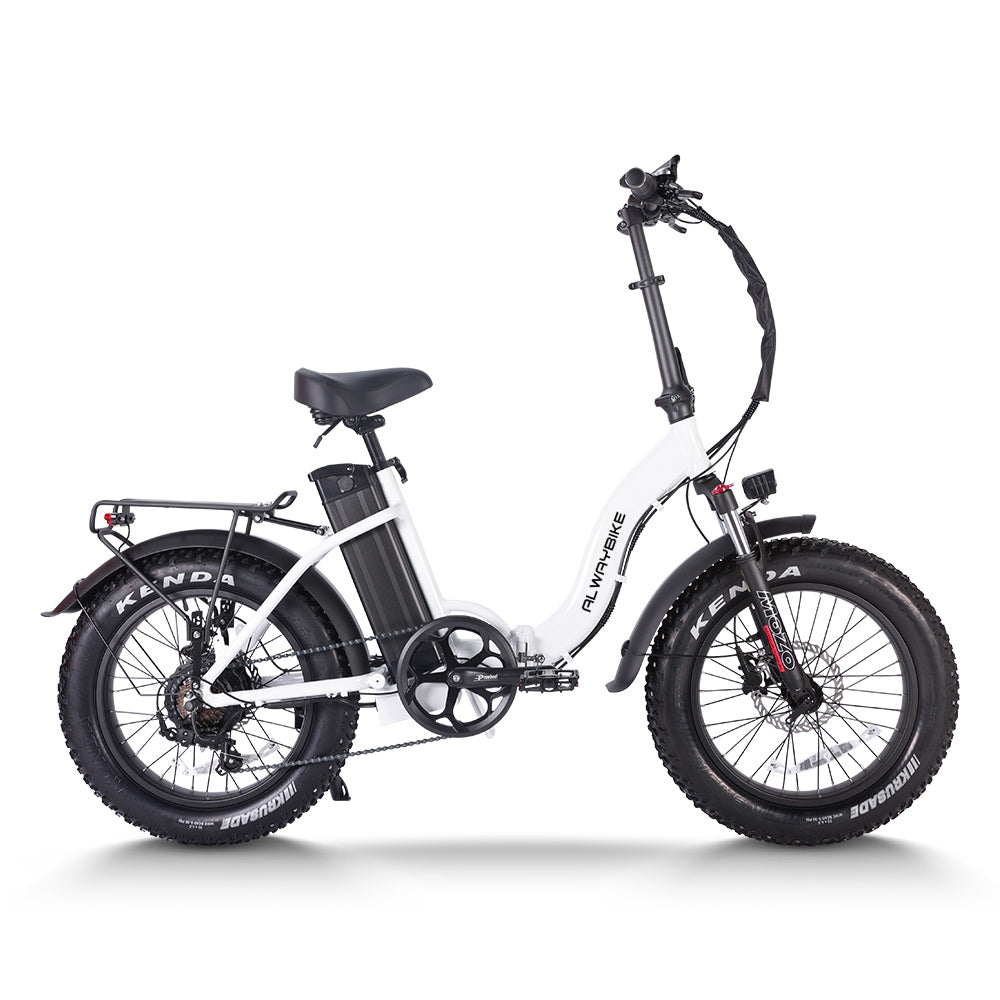
Industry analyses indicate that cargo e-bikes are typically a small fraction of the purchase price of a cargo van, making initial capital outlay much lower for urban delivery fleets. A heavy-duty cargo e-bike suitable for commercial use often falls in the $5,000–$10,000 range in 2026, while a comparable cargo van can exceed $40,000 before upfitting. This CAPEX advantage forms the foundation of most positive ROI cases, but it must be weighed against differences in payload, range, and labor productivity.
Fleet transition guidance explicitly includes uptime and maintenance as decision factors, not just vehicle price and energy costs. For cargo e-bike fleets, the largest long-term variables are battery degradation, modular component replacement, and the cost of downtime when a vehicle is out of service. Conservative models assume battery replacement every 3–5 years depending on daily cycles and depth of discharge, adding roughly $1,000–$2,500 per replacement depending on capacity.
Key Cost Components in a 2026 Cargo E-Bike TCO Model
Break down annual costs into predictable categories to build an accurate model:
- Capital cost: $6,000–$9,000 per heavy-duty cargo e-bike (including commercial-grade battery and cargo system).
- Energy/charging: $0.15–$0.40 per day assuming overnight Level 1 or 2 charging. Location efficiency and accessibility of E-Mobility matter; fleets with access to workplace or depot charging avoid expensive public infrastructure.
- Maintenance and repairs: $400–$900 annually when using modular, repairable designs. Proprietary systems can double this figure due to dealer dependency and part lead times.
- Insurance and registration: Typically $300–$600 per year, often lower than van policies because of reduced liability exposure in urban environments.
- Training and safety gear: One-time $150–$300 per rider plus annual refreshers.
- Downtime and lost productivity: The most variable and frequently underestimated factor. Each day a vehicle is offline can cost $150–$400 in delayed deliveries or overtime.
Urban logistics guidance increasingly pairs cargo bikes with microhubs or consolidation points to improve delivery efficiency and charging access. Incorporating microhub staging into route planning can reduce range anxiety and allow smaller, lighter e-bikes on certain legs of a route.
How Payload, Range, and Route Density Drive Profitability
Payload capacity and range under load are critical variables that directly affect how many drops one cargo e-bike can realistically complete per day. A typical 2026 commercial cargo e-bike might offer 150–250 kg payload with 40–70 km range when fully loaded, but real-world figures drop 20–40% in stop-start urban traffic with hills or cold weather.
Independent transport research finds cargo bikes can outperform van-based delivery on dense urban routes where congestion, access, and curb friction dominate. In neighborhoods with frequent short deliveries (under 2 km between drops), a cargo e-bike often achieves higher drops per hour than a van that struggles with parking and traffic. Route cost tradeoffs between cargo bicycles and delivery trucks depend on urban density and operating conditions.
City case studies and municipal reports describe cargo delivery bikes as reducing curb-space pressure and helping avoid congestion in dense areas. However, on suburban or low-density routes exceeding 8 km average leg length, vans regain the advantage due to higher speed and capacity. Fleet managers should map their average drop distance and payload per stop before assuming universal savings.
The Modular Advantage: Reducing Downtime and Long-Term Costs
Modular, repairable components represent one of the strongest levers for improving ROI in cargo e-bike fleets. When frames, motors, batteries, and cargo modules use standardized interfaces, technicians can swap parts in hours rather than days. This directly reduces downtime and avoids the proprietary lock-in that inflates repair costs for many branded systems.
Our internal analysis of 2026 right-to-repair standards shows that fleets adopting modular designs can cut maintenance-related downtime by 50–70% compared with proprietary platforms. Beating Downtime: Why Modular Parts Win in Cargo E-Bike Fleets provides practical thresholds and checklists that fleet operators can apply immediately.
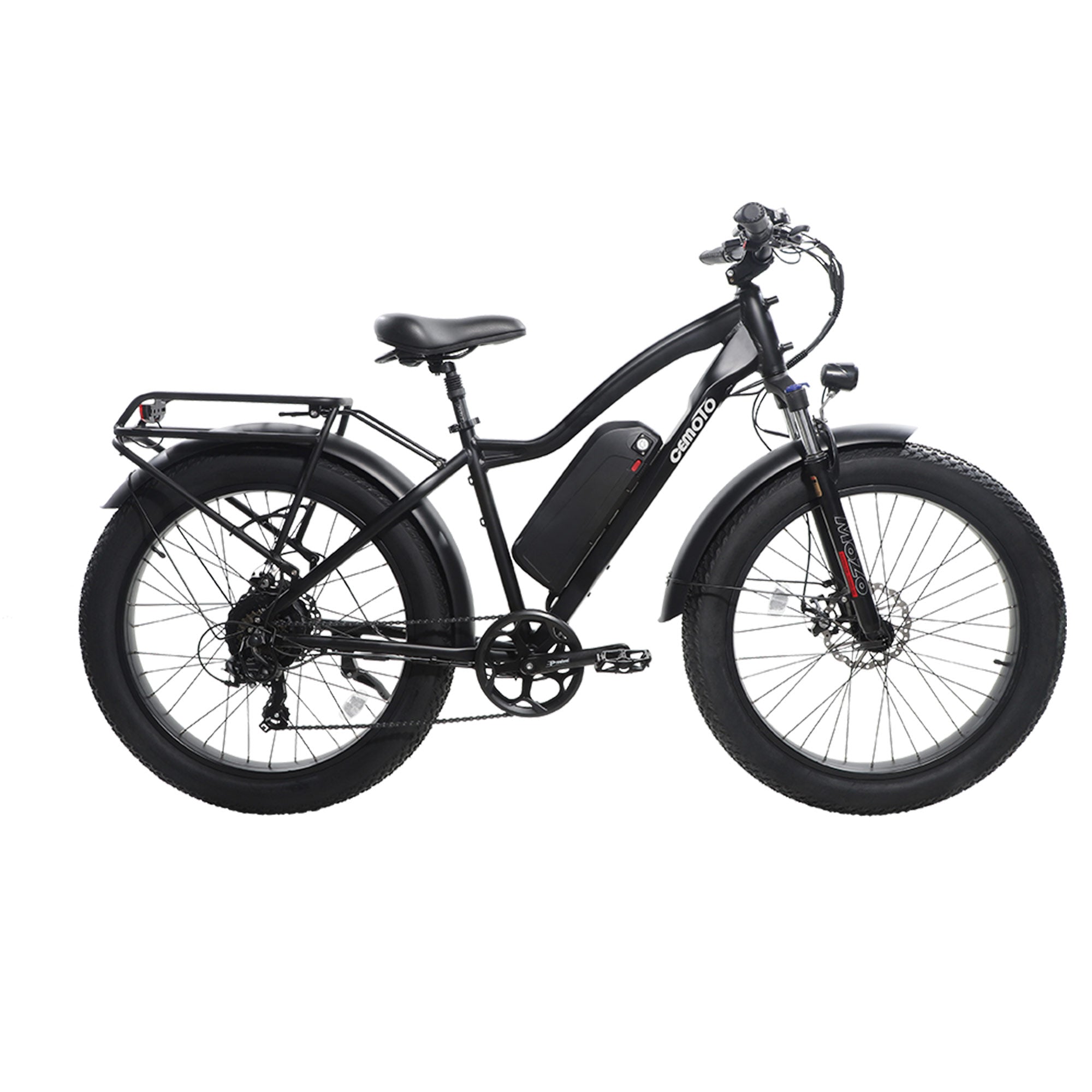
The 2026 Right-to-Repair E-Bike Guide: Escaping Proprietary Lock-In outlines red flags to watch for in procurement contracts and explains how standard parts improve uptime. For businesses already operating Cemoto heavy-duty platforms, the modular ecosystem aligns directly with lower TCO by enabling in-house or third-party repairs instead of waiting for specialized dealers.
Cargo E-Bike vs Van: Operational Tradeoffs in Urban Delivery
Official transport guidance treats last-mile delivery as a suitable use case for commercial zero-emission operations because routes are often short and predictable. Yet the comparison with vans is nuanced:
- Fuel and energy: E-bikes use roughly 5–10% of the energy cost of a van per mile.
- Parking and access: Cargo bikes can use bike lanes, pedestrian zones, and loading pads that vans cannot, saving 10–30 minutes per shift in congested cities.
- Congestion and speed: Vans average higher highway speeds but lose time in urban gridlock; bikes maintain more consistent door-to-door times on dense routes.
- Labor: One van driver can often be replaced by 1.5–2 e-bike riders depending on payload and route design, which may increase total wage cost unless productivity per rider is significantly higher.
- Maintenance and uptime: Vans have higher parts costs but established service networks; e-bikes require less routine service but suffer more when proprietary parts are unavailable.
Cargo e-bikes vs. delivery vans cost-per-drop analysis shows clear advantages for bikes on routes with more than 80–100 drops per day in dense urban cores. See our dedicated comparison for detailed scenario matrices: Cargo E-Bikes vs. Delivery Vans: Analyzing Cost Per Drop in 2026.

Calculating ROI, Payback Period, and Break-Even
A practical ROI calculation for 2026 follows this simplified framework:
- Determine net capital delta (van price minus e-bike price, typically $30,000–$35,000 savings per unit).
- Estimate annual operating cost differential (energy, maintenance, parking, insurance). Evidence suggests e-bikes can save $12,000–$25,000 per year on high-density routes after accounting for labor adjustments.
- Factor in productivity gain or loss from payload and range limits.
- Divide net capital savings by annual net benefit to derive simple payback in years.
Illustrative Payback and Annual TCO: Cargo E-Bike vs Delivery Van in Urban Delivery (2026)
Illustrative Payback and Annual TCO: Cargo E-Bike vs Delivery Van in Urban Delivery (2026)
Scenario model for fleet payback under urban route density
View chart data
| Category | Payback period (years) | Annual TCO gap (van minus e-bike, USD) |
|---|---|---|
| 50 drops/day | 4.0 | 18000.0 |
| 75 drops/day | 2.6 | 25500.0 |
| 100 drops/day | 1.9 | 33000.0 |
| 125 drops/day | 1.5 | 40500.0 |
| 150 drops/day | 1.3 | 48000.0 |
| 175 drops/day | 1.1 | 55500.0 |
| 200 drops/day | 0.9 | 63000.0 |
Modeled from urban last-mile evidence and 2026 price assumptions: cargo e-bike CAPEX about $5k-$10k versus delivery van $40k+; lower energy and maintenance for e-bike, with route-density sensitivity and payload/range constraints. Assumes 250 working days/year, one vehicle replacing one van only in routes feasible for e-bike, and annual operating cost gap scaled conservatively with daily drops/route density. Values are illustrative planning estimates, not audited fleet accounts.
This illustrative model demonstrates that payback typically falls below two years once daily drops exceed 100 on suitable urban routes. The annual TCO advantage grows steadily with route density because fixed cost savings (depreciation, insurance) are spread across more deliveries. Remember these figures represent planning estimates derived from industry studies and must be adjusted for your specific labor rates, local electricity prices, and winter range loss.
Hidden Costs and Risk Factors to Include in Your Model
Battery testing and degradation assumptions belong in the TCO model because battery life affects both operating cost and uptime. Many fleets underestimate the impact of frequent fast charging or operating in extreme temperatures, which can shorten battery life by 20–30%.
Additional considerations include:
- Seasonal variability: Range and rider comfort decline in winter, potentially requiring route adjustments or supplemental vehicles.
- Insurance nuances: Some carriers charge higher premiums for e-bike fleets until safety records are established.
- Training and rider turnover: E-bike operation requires different skills and physical demands than van driving.
- Regulatory changes: 2026 right-to-repair and battery safety standards may affect residual values and compliance costs.
Our guide to 2026 E-Bike Serviceability & Right-to-Repair Standards offers checklists that help procurement teams evaluate long-term serviceability before purchase.
Practical Checklist: Should You Switch Part of Your Fleet to Cargo E-Bikes?
Use this decision framework before committing capital:
- Calculate average daily drops and payload per stop for your highest-density routes. If most routes exceed 100 drops and stay under 200 kg per load, the case strengthens.
- Map charging and microhub opportunities. Overnight depot charging combined with midday top-ups at consolidation points dramatically improves viability.
- Audit current maintenance and downtime logs. If vans spend more than 8% of scheduled time in the shop, modular e-bikes may deliver measurable uptime gains.
- Model three scenarios: optimistic (high utilization, mild weather), baseline, and conservative (including battery replacement in year 4 and 15% winter productivity loss).
- Pilot one or two vehicles for 90 days with rigorous tracking of actual energy use, maintenance events, and deliveries completed.
- Review modular design and spare parts availability. Platforms built for easy component swaps, such as Cemoto’s heavy-duty lineup, minimize dealer dependency and support faster repairs.
For operators already familiar with high-power electric platforms, the Breaking the Dealer Lock: The Rise of Modular E-Bike Repair provides a comparison chart and buying guidance that translates directly to fleet procurement.
Conclusion: Building a Defensible 2026 Business Case
Cargo e-bike delivery offers compelling economics for dense urban routes when TCO is modeled comprehensively and operational constraints are respected. The combination of dramatically lower upfront cost, reduced energy and maintenance burden, and improved access in congested cities can produce payback periods under two years for high-volume operations. However, these benefits are not automatic. Routes with low drop density, heavy payloads, or limited charging access may still favor vans.
Successful fleet transitions in 2026 will hinge on accurate modeling of payload-range tradeoffs, investment in modular repair capability, and careful pilot programs that capture real operational data rather than theoretical assumptions. By incorporating uptime, battery lifecycle, and route-specific productivity into your calculations, you can build a robust financial case that withstands scrutiny from operations, finance, and sustainability stakeholders alike.
This article only discusses comfort/setup advice and operational economics; it does not constitute financial, tax, or legal advice. Fleet decisions should incorporate professional accounting review and on-site pilot data. If your operation involves specialized cargo, regulated goods, or existing health/safety protocols, consult qualified professionals before changing vehicle mix.
References
