

The 2026 Right-to-Repair E-Bike Guide: Escaping Proprietary Lock-In


Why Serviceability is the New Performance Standard
In 2026, choosing an e-bike that supports the right to repair can significantly lower your long-term ownership costs and reduce frustrating downtime. Modular platforms with standard parts let DIY riders, commuters, and fleet operators replace batteries, controllers, displays, and motors without dealer authorization or long waits, turning potential obsolescence into routine maintenance.
Related Resources

This guide cuts through marketing claims to show how proprietary lock-in creates hidden expenses, why standardized components deliver better uptime, and exactly what to evaluate before buying. Industry observations suggest that repair access is a consumer-protection issue that directly affects total cost of ownership, especially when parts, tools, and diagnostics remain restricted.
Why Right to Repair Matters for E-Bike Owners
Right-to-repair advocates argue that consumers and independent repair shops need access to parts, tools, and software to diagnose and fix products. When manufacturers restrict these, even routine failures can become expensive dealer-only events. For e-bikes, this often means waiting weeks for proprietary batteries, chargers, or controllers while the bike sits idle.
Repair restrictions can be a consumer-protection issue when they limit fair access to repair information and parts. This is especially relevant for e-bikes, where PIRG reporting shows that repair access is often harder than it should be, with part sourcing and dealer dependence as recurring pain points.
Repair helps extend product life and can reduce long-run ownership cost. For pragmatic riders and fleet managers, this translates into lower total cost of ownership (TCO) and higher uptime. Choosing platforms that support independent service protects your investment against planned obsolescence and supply-chain disruptions.
Battery safety concerns are real, but they should not be used to collapse every repair-access debate into the same issue. Federal materials on e-bike batteries emphasize that damaged batteries and chargers can pose fire risks, so any repair or replacement must follow safe handling procedures. However, this does not justify locking owners out of routine subsystem maintenance.
The True Cost of Proprietary Lock-In
Proprietary systems often look convenient at purchase, but they hide significant long-term expenses. A single failed controller or display can require dealer service, specialized diagnostics, and weeks of downtime. For fleets, this multiplies quickly into lost revenue or productivity.
Consumer advocacy groups often note that access to parts, tools, and software is essential to repair access. When these are restricted, even basic upgrades become difficult. Some e-bike owners and mechanics report long waits and dependence on brand support when proprietary parts or service channels are involved.
The hidden tradeoff is not just the sticker price of parts. It is the cumulative effect of higher repair labor, shipping delays, dealer markups, and lost use. Over three to five years, these factors often push the effective TCO of locked systems well above modular alternatives.
Industry discussions indicate that e-bike battery recycling is being discussed alongside disputes about independent repair, so disposal and repair access should not be conflated. Repairing or replacing individual cells or management systems can extend pack life when done safely, reducing both cost and waste.

Proprietary vs Modular: The Correct Comparison Framework
The right framework for comparing e-bikes in 2026 focuses on serviceability rather than just motor power or battery capacity. Key criteria include:
- Parts standardization: Can you source batteries, controllers, and displays from multiple vendors?
- Documentation and tools: Are service manuals, wiring diagrams, and diagnostic software publicly available?
- Software openness: Does the system allow third-party firmware updates or pairing of replacement components?
- Lead times and availability: How quickly can you obtain wear items or major subsystems?
- Warranty impact: Does independent repair void coverage, or are there clear guidelines for owner service?
Battery packs are built from cells plus a battery-management system, which is why replacement and diagnostics can be component-specific. A practical field-service model depends on maintaining and testing individual subsystems rather than treating the bike as an opaque unit.
E-bike maintenance training commonly covers charging-system components and lithium-battery basics. This knowledge becomes far more useful when the platform uses standard connectors and published pinouts instead of proprietary interfaces.
Here is an illustrative model of how lock-in affects costs over three years for a typical commuter or light fleet bike. These figures are illustrative estimates based on common repair scenarios and downtime reports, not measured market averages.
3-Year Total Cost of Ownership for Repairable vs Proprietary E-Bikes
Modeled 3-year TCO includes purchase price, repairs, downtime, and an early replacement reserve to show the effective cost of lock-in.
View chart data
| Category | Proprietary e-bike | Modular / repairable e-bike |
|---|---|---|
| Purchase price | 1800.0 | 2000.0 |
| Repair & maintenance | 1050.0 | 450.0 |
| Downtime cost | 900.0 | 180.0 |
| Early replacement reserve | 350.0 | 0.0 |
| 3-year TCO | 4100.0 | 2630.0 |
Illustrative modeled comparison for article planning, built from conservative evidence direction: proprietary repair costs assumed at 2-3x modular repair cost; proprietary wait times at 7-14 days vs 1-3 days for repairable designs; downtime cost reflects fleet/commuter lost-use value over a 3-year horizon; early replacement reserve captures the higher likelihood of lock-in pushing replacement sooner. The numbers are bounded planning estimates, not measured market averages.
This model illustrates how proprietary systems can add an estimated $1,470 in effective cost over three years under typical use assumptions. The largest contributors are higher repair expenses and downtime valuation. Your actual results will vary based on usage intensity, local service availability, and how well you can perform maintenance yourself.
Red Flags: When to Avoid Proprietary-Locked E-Bikes
A common pattern is that proprietary-locked e-bikes present higher risks if two or more of these conditions apply:
- Replacement parts are available only through the original brand or a limited dealer network.
- Service documentation is incomplete, behind a login, or deliberately restricted.
- Firmware or diagnostics require brand-authorized tools or pairing that blocks third-party components.
- Battery replacements must go through official channels with long lead times or serial authentication.
- The warranty language effectively requires dealer service for most electrical issues.
- The bike uses proprietary connectors or enclosures in high-wear or crash-prone areas.
These red flags are especially critical for DIY-minded owners, fleet operators needing predictable uptime, and off-road riders who may be far from service centers. If your riding style or business model demands fast turnaround, proprietary lock-in often creates unacceptable risk.
This article only discusses comfort, setup, and ownership-cost considerations related to repair access. It does not constitute medical advice, diagnosis, or treatment. If you experience persistent discomfort or have existing health conditions, consult qualified professionals.
Practical Checklist: How to Choose a Repairable E-Bike in 2026
Use this operational checklist when comparing models or evaluating your current bike:
- Ask for the service manual upfront. A brand that publishes complete documentation with wiring diagrams, torque specs, and troubleshooting trees demonstrates real commitment to repairability.
- Check parts availability. Search for third-party or aftermarket options for the battery, controller, and display. True modular platforms usually have multiple suppliers.
- Test diagnostic access. Determine whether you can read error codes, update firmware, or pair replacement parts without dealer software. Open-source or widely supported controllers are a strong positive signal.
- Evaluate battery policy. Confirm whether packs use standard cell formats and BMS that allow safe cell-level repair or replacement by qualified technicians.
- Calculate realistic TCO. Include estimated repair frequency, part costs, potential downtime value, and resale value after three years. Modular platforms usually retain value better because they remain serviceable longer.
- Review warranty and community support. Look for policies that explicitly allow owner maintenance and check owner forums for real-world repair experiences.
E-bike advocates and journalists consistently highlight that independent repair reduces both cost and frustration. Platforms that embrace standardized components align with this direction.
How Cemoto Supports the Right to Repair
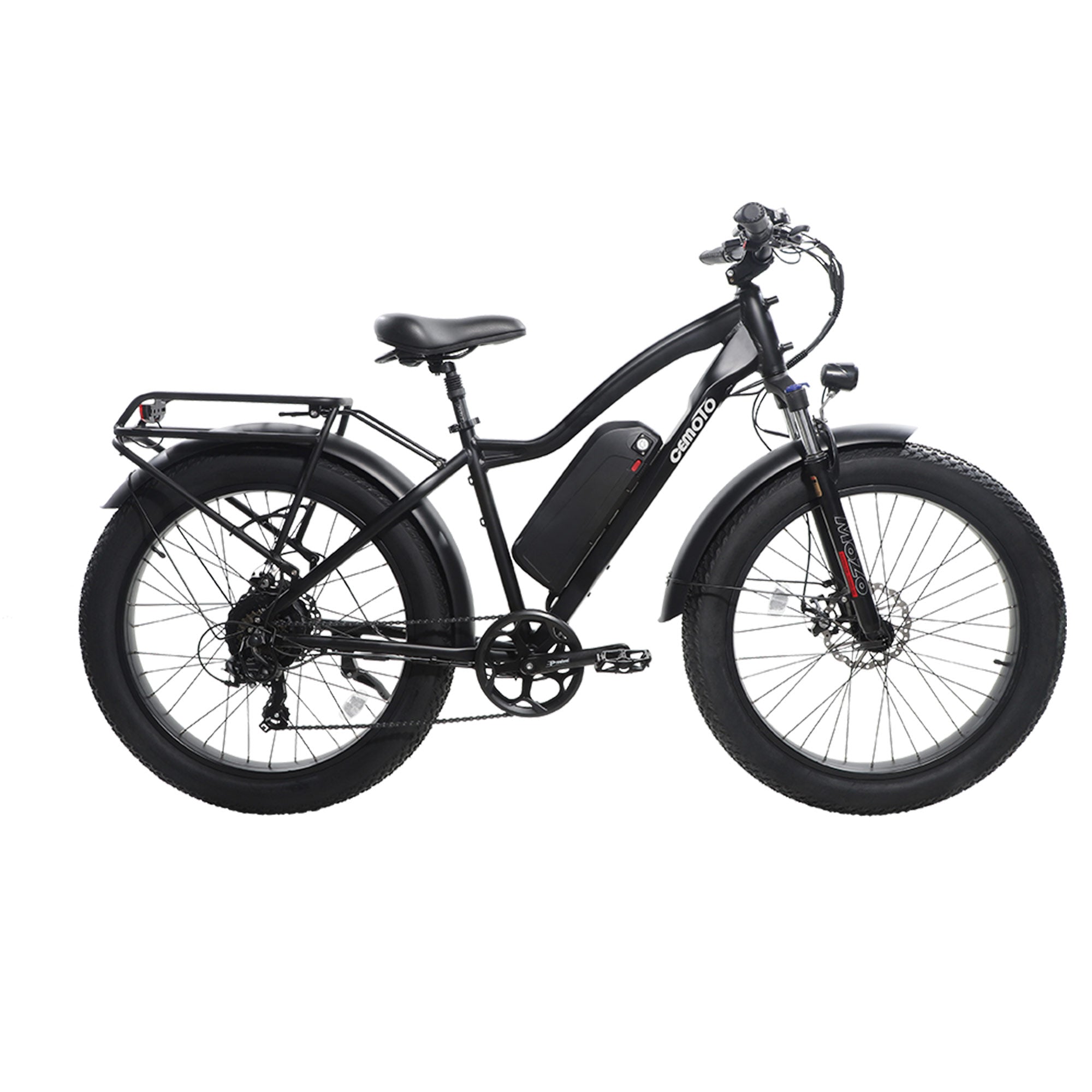
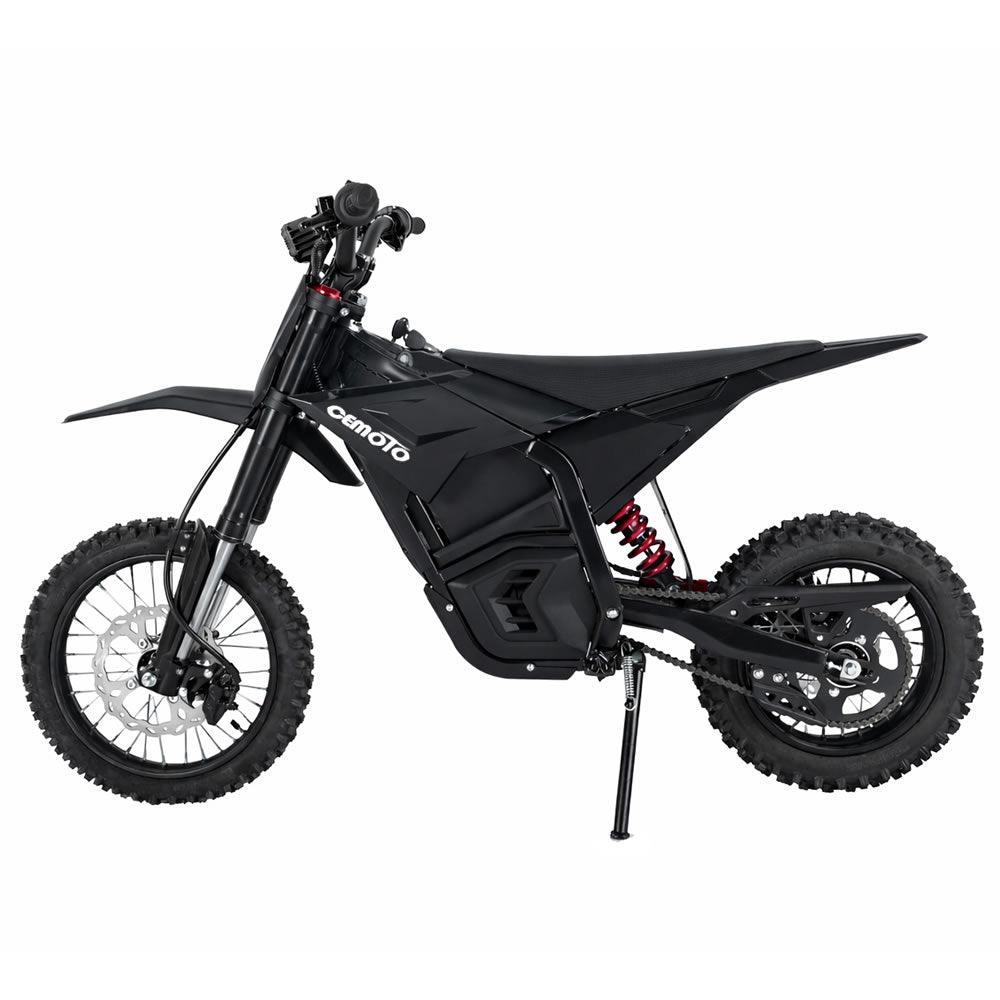
Cemoto designs its D-Series and related platforms around modular architecture and widely supported components. Owners can source and replace displays, controllers, and other subsystems using standard tools and accessible documentation. The CEMOTO D-Series Fardriver Programmable Bluetooth Dongle lets riders tune and diagnose Fardriver controllers without dealer intervention, while replacement displays for CEMOTO D03 models are available directly.
Our Accessories collection carries compatible parts that keep your build running without proprietary lock-in. This approach directly addresses the community frustration with dealer-only service and hard-to-source components.
For deeper dives into specific applications, explore these related resources:
- Breaking the Dealer Lock: The Rise of Modular E-Bike Repair provides a practical checklist and comparison chart for choosing repair-friendly builds.
- Beating Downtime: Why Modular Parts Win in Cargo E-Bike Fleets examines how standardized parts reduce total cost of ownership for commercial operators.
- Modular Upgrades for 6000W E-Motos: Building the Ultimate Trail Machine shows how to incrementally improve performance while maintaining serviceability.
Take Action: Escape Proprietary Lock-In Today
The 2026 e-bike market rewards buyers who prioritize serviceability alongside performance. By choosing modular platforms with open documentation, standard parts, and accessible diagnostics, you protect yourself against rising repair costs, extended downtime, and eventual obsolescence.
Start your evaluation with the checklist above. Verify parts availability, request service manuals, and calculate realistic three-to-five-year costs before deciding. When repair access is treated as a core design feature rather than an afterthought, your e-bike stays on the road or trail far longer and at far lower total cost.
The right-to-repair movement continues to gain momentum because it delivers measurable economic and practical benefits. For DIY owners, fleet managers, and adventure riders alike, modular design is no longer a niche preference—it is rapidly becoming the smarter long-term choice.
Important Note on Safety and Health
This article discusses repair access, serviceability standards, and ownership economics. It does not provide medical advice. Battery and electrical work carries risks; always follow manufacturer safety guidelines, use proper protective equipment, and consult certified technicians for high-voltage repairs. If you have existing eye strain, musculoskeletal issues, or other health concerns related to riding, seek guidance from a qualified healthcare professional. Repairability can improve convenience and reduce downtime, but individual results depend heavily on your specific setup, riding conditions, and maintenance practices.
