

Choosing a Heavy-Duty Commercial E-Cargo Bike for Delivery


For small businesses and fleet operators running last-mile delivery in dense urban areas, heavy-duty commercial e-cargo bikes can deliver meaningful savings in operating costs and emissions when matched to the right routes and loads. The key is selecting a model with sufficient payload margin, reliable battery range for daily duties, durable components that withstand frequent stops, and serviceability that keeps bikes on the road rather than in the shop. This guide outlines practical criteria to evaluate total cost of ownership, durability, and fit for delivery operations so you can avoid common procurement mistakes.

When E-Cargo Bikes Make Sense for Delivery Operations
E-cargo bikes are a viable option for last-mile delivery in dense urban routes, especially when paired with microhubs or other delivery-consolidation workflows. According to research on zero-emission freight strategies, cargo bikes excel on short, stop-heavy routes where vans struggle with parking, traffic, and fuel costs. They work best for food, grocery, parcel, and small business deliveries that involve frequent stops within a few miles of a central point.
Cargo bikes are a practical fit for short, stop-heavy urban delivery routes and microhub-based operations. However, they do not replace larger vehicles for every route or load profile. The right cargo bike depends on payload, distance, and urgency, not just motor power or battery size. Commercial riders benefit from training on handling heavier cargo bikes and managing assist levels safely.

Key Specifications to Evaluate
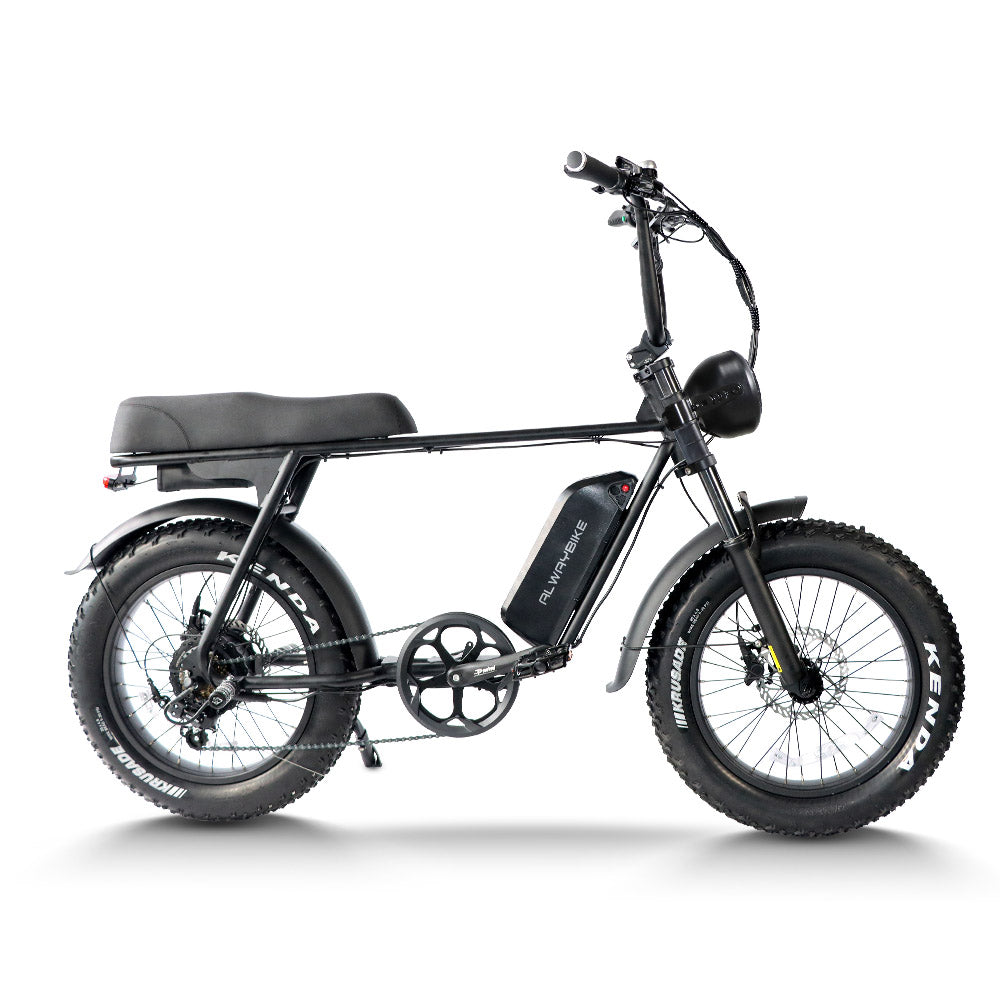
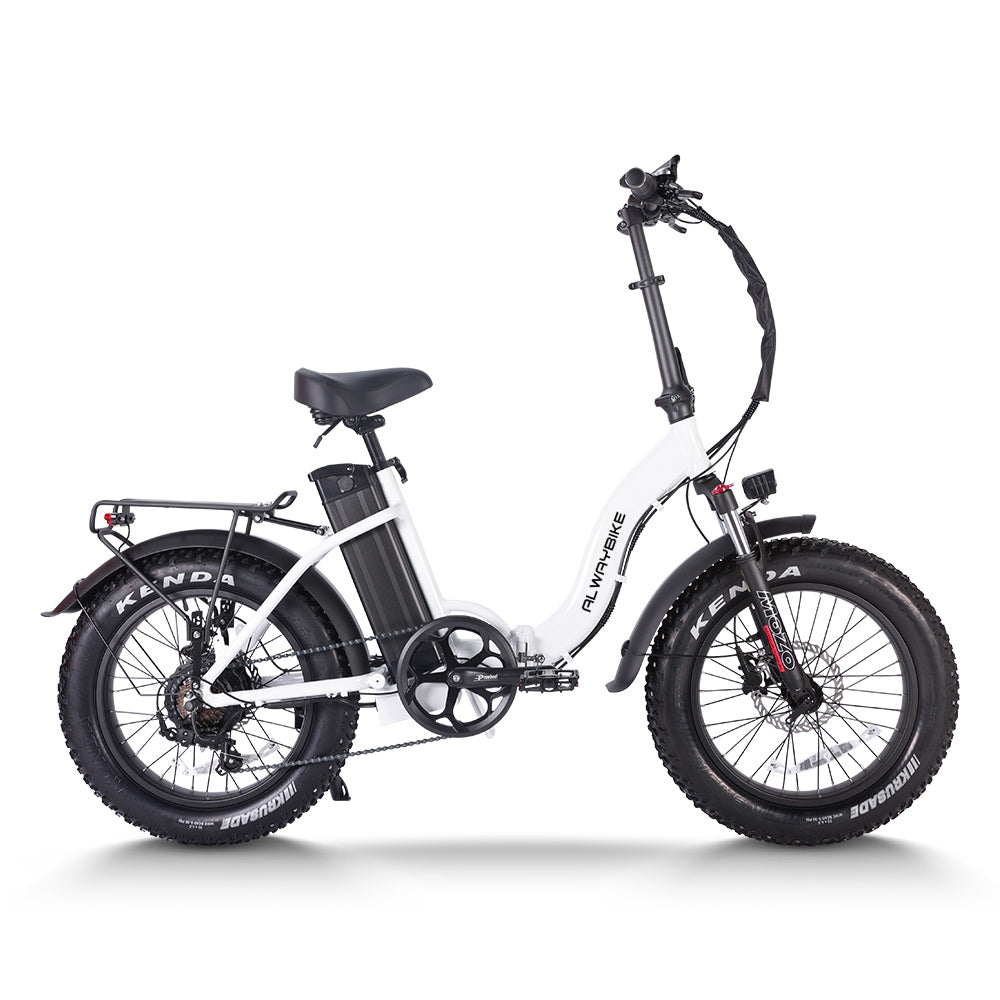
Heavy-duty commercial e-cargo bikes typically feature motors in the 750W range with peak power for hill starts under load, 48V batteries offering 20Ah or more for extended runtime, and reinforced frames rated for substantial payloads. Look for hydraulic disc brakes, sturdy cargo platforms or boxes, and weather-resistant components that can handle daily exposure.
Payload capacity varies widely by cargo-bike design, so buyers should verify the exact rated load for the frame, rack, and any trailer setup they plan to use. E-cargo bikes are purpose-built electric-assist bicycles designed for heavier loads, but their carrying capacity is still finite. Plan for typical loads to stay comfortably below rated capacity—ideally under 80%—to preserve safety margins, battery life, and component longevity.
Battery range claims must be stress-tested against real-world conditions including payload weight, hills, stop-and-go traffic, cold weather, and rider assist habits. A bike advertised for 60+ miles may deliver closer to 30-40 miles under heavy commercial use. Ensure your daily route leaves a meaningful buffer for detours, weather, and gradual battery degradation over time.
Durability and Maintenance Considerations
For commercial use, uptime and serviceability are procurement criteria, not afterthoughts. Choose frames built from high-strength aluminum or steel with reinforced welds at high-stress points. Look for easily replaceable parts, accessible battery mounting, and modular designs that align with 2026 right-to-repair principles. Regular maintenance focuses on brake pads, chains, tires, and wheels, which wear faster under heavy payloads and frequent stops.
Cargo bikes can lower vehicle and maintenance costs compared with larger delivery vehicles, though savings depend on how the fleet is used. However, fleets must budget for more frequent service on drivetrain and braking systems. Bikes that require constant shop time quickly erode ROI. Prioritize models with strong dealer or local service networks and readily available spare parts.
Safer cargo-bike operations depend on route design, infrastructure, and rider familiarity, not only on the bike itself. Invest in rider training programs that cover load securing, assist level management, and defensive riding in traffic.
Calculating Fleet ROI
Electric cargo bikes sit between standard bikes and cars in cost, payload, and range. Initial purchase prices are significantly lower than vans or scooters, with operating costs often under $0.05 per mile versus $0.30+ for fuel and maintenance on motorized vehicles. Over a 3-5 year horizon, a well-utilized e-cargo bike can achieve strong payback through reduced fuel, insurance, parking tickets, and vehicle depreciation.
However, ROI calculations must account for utilization rate, charging infrastructure, rider wages during slower speeds, and potential downtime. A bike averaging 40-60 deliveries per day on short urban loops typically shows the fastest return. Factor in battery replacement costs every 3-5 years and any incentives or rebates available for commercial zero-emission vehicles.
Illustrative Fit and ROI by Delivery Scenario
Relative scenario comparison for e-cargo bikes versus vans in last-mile delivery.
View chart data
| Category | E-cargo bike fit | Van fit | ROI potential | Payload headroom | Range headroom | Maintenance burden |
|---|---|---|---|---|---|---|
| Urban short route | 5.0 | 1.0 | 5.0 | 4.0 | 4.0 | 1.0 |
| Medium mixed route | 3.0 | 4.0 | 3.0 | 2.0 | 2.0 | 3.0 |
| High-volume long route | 1.0 | 5.0 | 1.0 | 1.0 | 1.0 | 5.0 |
Heuristic, bounded scenario model based on provided article evidence: e-cargo bikes are strongest on short, stop-heavy urban routes with microhubs; they lose fit as payload, range, and maintenance demands rise. Scores are relative (1-5), not measured outputs. Threshold cues reflected in the model: avoid near-max payload use and long routes without charging buffer.
The chart above is an illustrative scenario map, not a measured ROI study. It shows where e-cargo bikes tend to win: short, stop-heavy urban routes with enough payload and range headroom. As route length, load intensity, and maintenance burden rise, vans become the safer fit.
Safety, Stability, and Configuration Choices
Assess safety, stability, and braking performance under heavy payloads by prioritizing low center-of-gravity designs, wide wheelbases, and powerful hydraulic brakes. Test bikes with your typical load to confirm handling and stopping distance. Many fleets add reflective materials, bright lighting, and cargo securing systems for urban visibility.
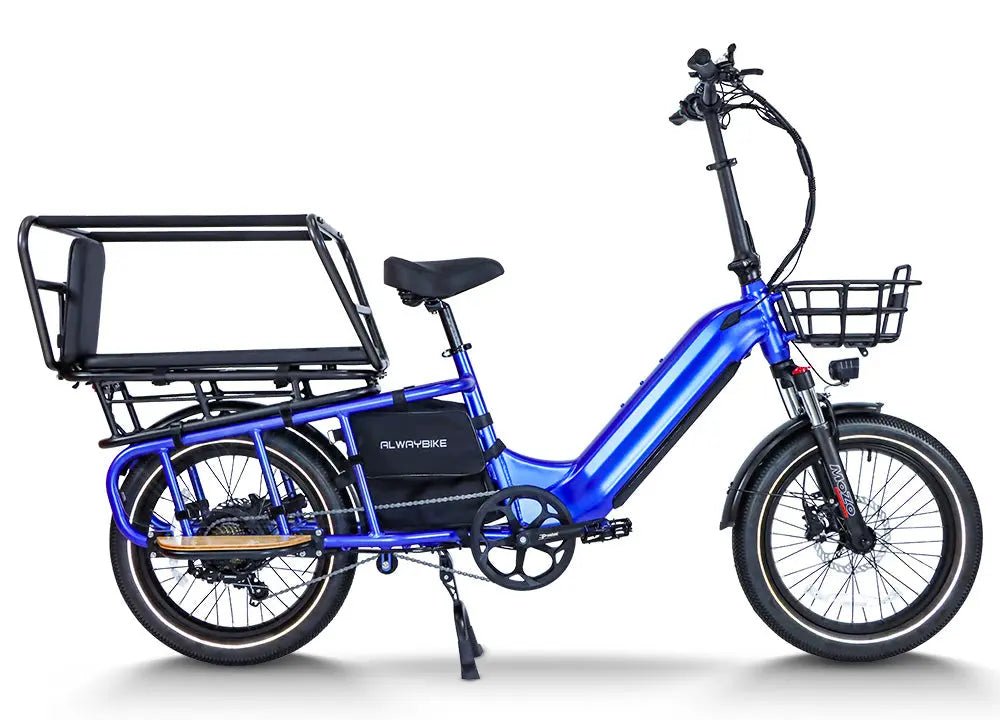
Configuration depends on your business size and delivery scenarios. Longtail or front-loader styles suit different load types—bulky parcels versus stacked boxes. Some operations benefit from add-on trailers for extra volume, while others prefer integrated cargo boxes for security. Match the bike class (typically Class 1 or 3 in the U.S.) to local regulations on speed and trail access.
Understanding the 3 classes of e-bikes helps ensure compliance with local laws while maximizing utility for delivery work.
Checklist: How to Choose the Right Heavy-Duty E-Cargo Bike
Use this practical checklist before purchase:
- Verify that 80% of your typical loads stay well below the bike's rated payload capacity.
- Confirm daily route distance fits within battery range with at least 20-30% reserve under loaded conditions.
- Check component accessibility for maintenance—can brakes, chain, and battery be serviced quickly by your team or local shop?
- Evaluate weather resistance and tire quality for year-round urban use.
- Confirm availability of spare parts and service support within your operating area.
- Calculate projected 3-year total cost of ownership including electricity, maintenance, and potential battery replacement.
- Pilot the bike on actual delivery routes with trained riders before committing to a fleet order.
When Not to Buy a Heavy-Duty E-Cargo Bike
Do not buy a heavy-duty e-cargo bike if the fleet needs sustained loads near or above its rated payload on most trips, if routes regularly require long range without reliable mid-shift charging, or if the bikes must stay on the road with minimal maintenance downtime. In practice, the category tends to break down when the job looks more like light cargo-motorcycle duty than occasional urban delivery support.
Screen out the category if most trips push the payload limit, daily distance exceeds practical range with charging windows uncertain, or the fleet cannot absorb frequent brake, drivetrain, tire, or wheel service. Steep grades, rough surfaces, or demand for all-day uptime further reduce suitability.
Cargo bikes can reduce vehicle use for many local deliveries, but they do not replace larger vehicles for every route or load profile. A cargo-bike fleet should be evaluated as part of a broader last-mile system that may include microhubs, route consolidation, and vehicle mix decisions.
Important Note on Comfort and Safety: This article discusses setup, durability, and operational considerations for commercial e-cargo bikes. It does not constitute medical advice, diagnosis, or treatment. Riding with heavy loads can involve physical demands; if you or your riders experience persistent discomfort or have existing health conditions, consult qualified professionals. Always prioritize proper training, load securing, and adherence to local traffic laws.
Choosing the right heavy-duty commercial e-cargo bike ultimately comes down to honest assessment of your delivery patterns, willingness to maintain the fleet, and integration into an efficient urban logistics workflow. When conditions align, these bikes offer a cost-effective, sustainable solution that can improve both margins and environmental impact for small businesses and independent operators.
