

Features to Look for in an All-Terrain Mobility Scooter


Active seniors seeking independence on grass, gravel, and uneven paths need mobility scooters engineered for real outdoor conditions rather than smooth indoor floors. Prioritizing features like larger wheels, adequate ground clearance, suspension, and stable battery range helps match the scooter to mixed-terrain lifestyles while avoiding models that look rugged in photos but falter in practice.

This guide breaks down the practical features that deliver usable performance on challenging surfaces, helping you evaluate options without over-relying on marketing terms like "all-terrain" or "off-road." Guidance from official sources on accessible surfaces emphasizes firm, stable ground, reminding buyers that grass, loose gravel, and rough paths remain tougher conditions for most mobility devices (Chapter 3: Floor and Ground Surfaces).
Why Terrain Matters More Than You Might Think
Rough, uneven, or bumpy surfaces quickly become limiting factors for many scooter users. Official design guidance for sidewalks and trails notes that such conditions materially reduce usability and comfort, which is why buyers should evaluate outdoor capability rather than assume any scooter will handle mixed terrain well (Designing Sidewalks and Trails for Access).
For active seniors, weekend park visits on grass, neighborhood rides over cracked sidewalks, or light trail use demand more than basic pavement performance. Independent research on mobility aids identifies uneven pavement and rough surfaces as common barriers, making traction, stability, and ride quality top priorities (Accessibility for Whom? Perceptions of Sidewalk Barriers).
However, no mobility scooter is a true off-road vehicle. Shared-use path guidelines flag heavily textured or rough surfaces as challenging, reinforcing the need to distinguish capable outdoor models from recreational all-terrain equipment (Shared Use Path Accessibility Guidelines). This article focuses on practical engineering features that improve real-world performance on grass, gravel, and uneven ground without overstating capabilities.
Key Features to Prioritize for Outdoor Capability
Wheel Size and Tire Type
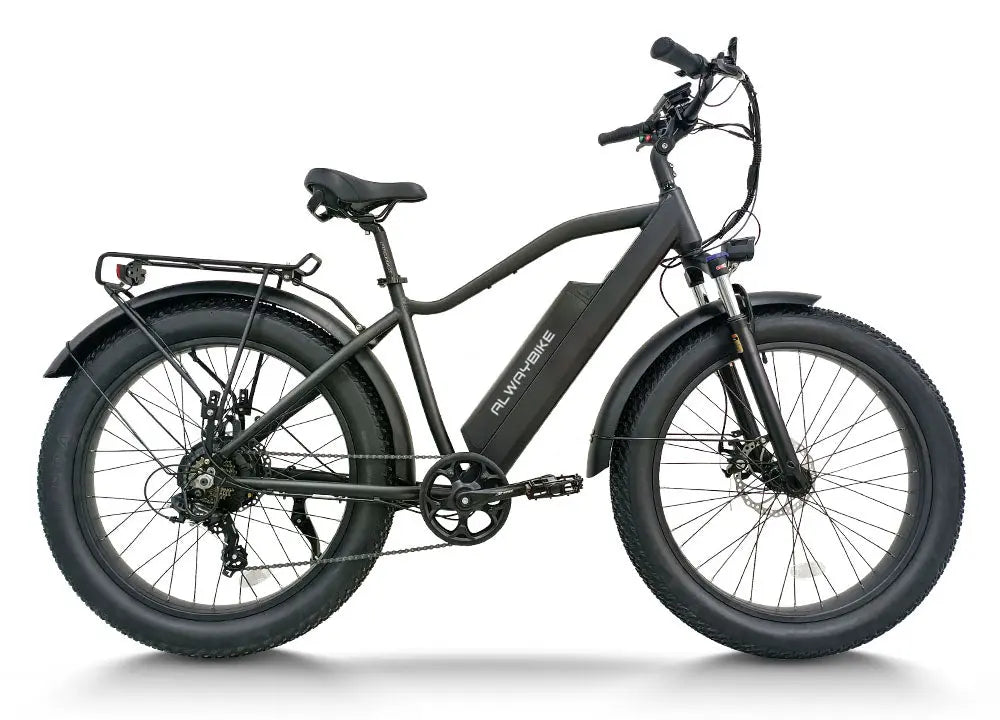
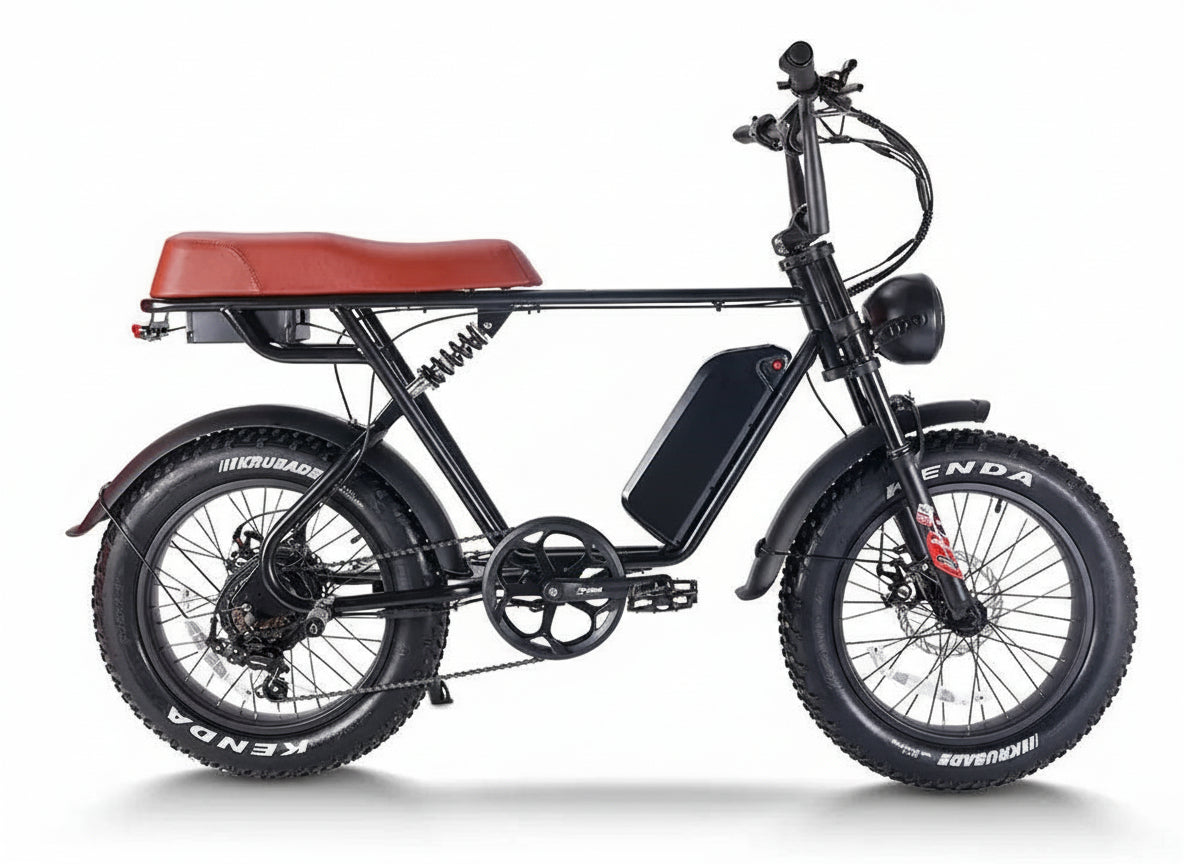
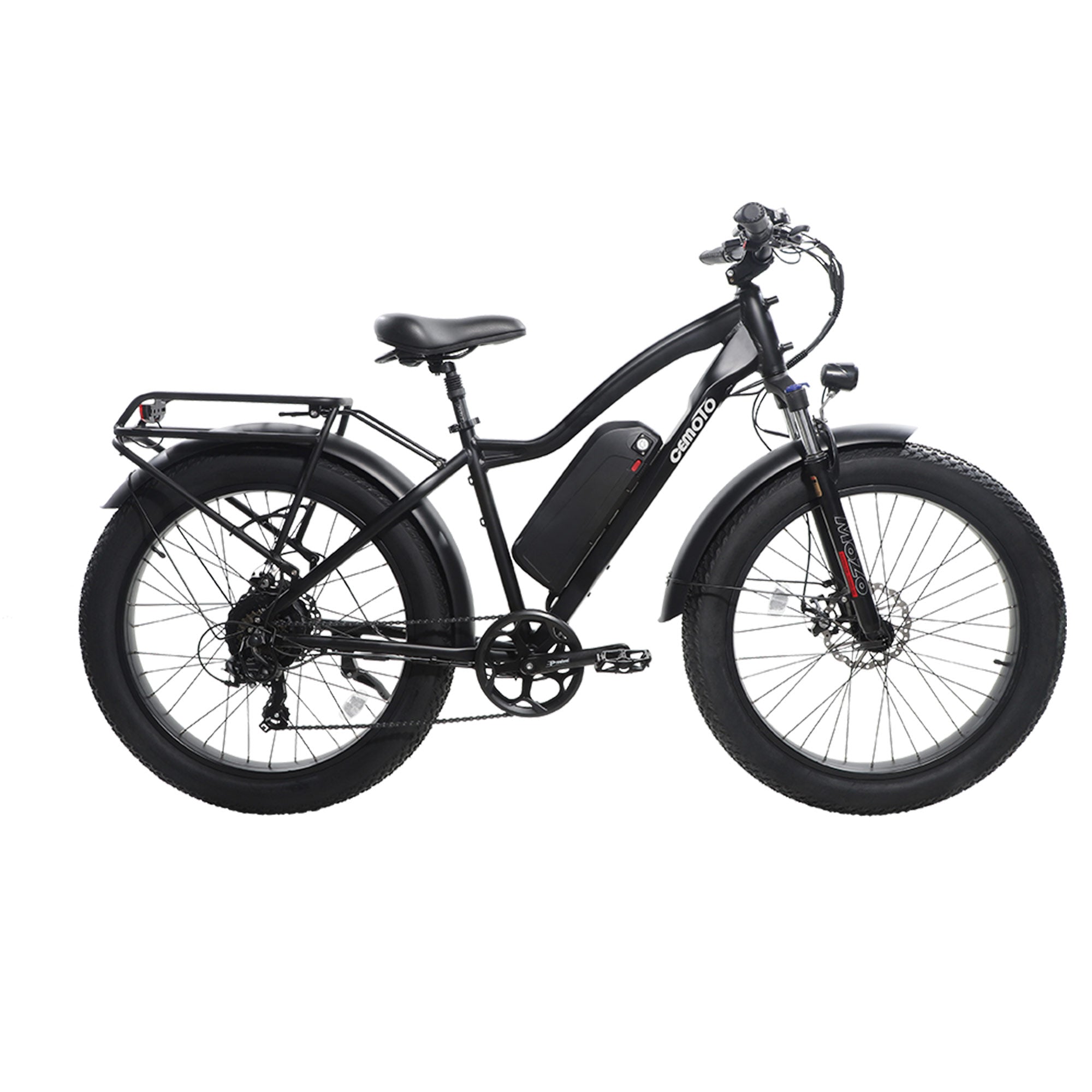
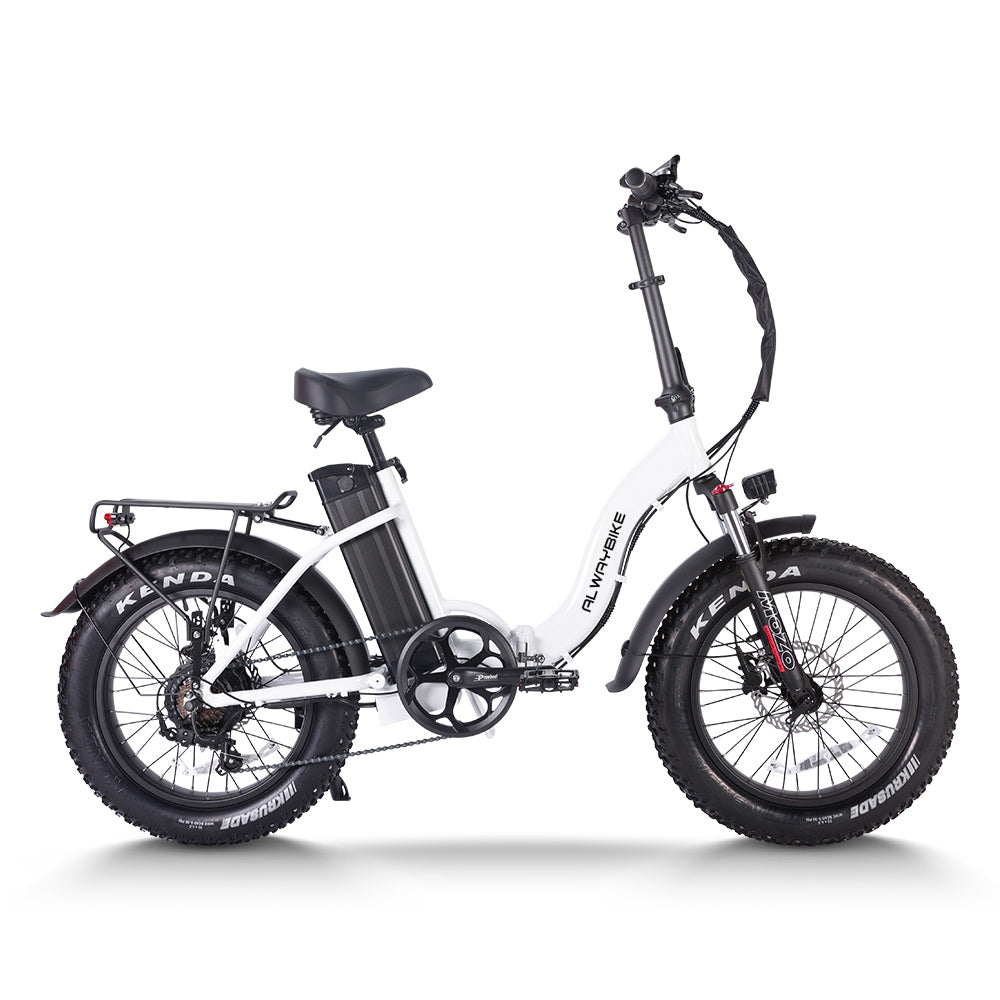
Larger wheels and wider tires are among the most visible indicators of terrain-handling potential. On rough or unpaved surfaces, smaller-wheel designs often struggle, making wheel size and chassis design important considerations for outdoor use (Phoenix Active Transportation Program Design Guidance).

Look for pneumatic or all-terrain tires with aggressive tread patterns that provide better grip on grass, packed dirt, and gravel. Fat or wider tires distribute weight more effectively and help absorb minor obstacles. However, wider tires can increase rolling resistance on smooth pavement, slightly reducing range in mixed use.
Ground Clearance and Frame Design
Sufficient ground clearance prevents the scooter from bottoming out on bumps, curbs, or uneven transitions. Models designed for outdoor use typically offer higher clearance under the chassis and at the approach angles.
Heavy-duty frames built from stronger materials improve overall stability on slopes and uneven surfaces. Yet heavier construction trades off portability. Guidance on mobility device safety encourages users to consider their ability to travel over rough or uneven ground when selecting equipment (Wheelchair Scooter & Mobility Device Safety in Central Oklahoma).
Suspension Systems
Effective suspension—whether front, rear, or full—smooths out vibrations from cracks, gravel, and roots. This directly improves rider comfort during longer outdoor sessions and helps maintain control over bumpy sections.
Independent suspension on each wheel often performs better than basic setups on inconsistent surfaces. Keep in mind that suspension adds weight and complexity, which can affect battery efficiency and ease of transport.
Motor Power, Torque, and Braking
A motor with adequate torque helps maintain speed on inclines and through grass or soft surfaces without straining the battery. Look for models with at least 500W continuous power (peak ratings can be misleading) and regenerative or strong mechanical brakes suited to varied terrain.
Disc brakes generally offer more consistent stopping power in wet or dusty outdoor conditions compared to drum brakes. Always verify actual performance claims against rider weight and surface type, as real-world results vary.
Battery Range and Weather Resistance
Outdoor use often means longer distances and exposure to elements. Seek lithium batteries with at least 20-30 miles of realistic range under mixed conditions, along with IP-rated protection against dust and light moisture.
Removable batteries simplify charging and can serve as backup power. Consider temperature effects—cold weather reduces effective range significantly, a key factor for year-round outdoor enthusiasts.
Comparison Framework: All-Terrain vs Standard Scooters
The right choice depends on how frequently you encounter rough surfaces rather than a universal "best" scooter. Standard scooters excel in mostly paved, indoor, or tight-space scenarios because they are lighter, more maneuverable, and easier to transport. All-terrain focused models become preferable when grass, gravel, curb cuts, or uneven paths form a regular part of your routine.
Here is an illustrative comparison of how priorities shift with terrain use frequency:
All-Terrain Focus vs Portability by Terrain Use Frequency
Higher bars indicate stronger fit for that priority under the stated usage pattern; this is a relative decision aid, not a performance benchmark.
View chart data
| Category | All-terrain feature priority | Portability & maneuverability priority |
|---|---|---|
| Occasional rough terrain | 4.0 | 8.0 |
| Regular rough terrain | 7.0 | 6.0 |
| Frequent rough terrain | 9.0 | 3.0 |
Illustrative heuristic scores based on the article's comparison framework: rough surfaces favor larger tires, higher ground clearance, and suspension; portability and maneuverability matter more when rough-terrain use is occasional. Scores are relative, not measured or official data.
This heuristic visualization shows that occasional rough-terrain users should weight portability higher, while frequent outdoor adventurers benefit more from all-terrain engineering even if it means accepting extra weight.
Common Myths About All-Terrain Mobility Scooters
Many online listings promise "off-road" performance that exceeds what most mobility scooters can safely deliver. Marketing often highlights peak motor power or maximum range figures measured under ideal lab conditions rather than real grass, gravel, or hills with a rider's full weight.
Another widespread claim suggests any scooter with large tires automatically handles trails or steep slopes. In reality, stability, approach angles, and rider skill play larger roles, and no mobility device replaces proper trail footwear or judgment on technical terrain.
Some buyers assume heavier, wider scooters are always more stable. Excessive weight can actually reduce maneuverability in tight outdoor spaces or make loading into vehicles more difficult, creating new safety concerns during transport.
Buyer Checklist: Matching Features to Your Lifestyle
Before purchasing, perform this practical self-assessment:
-
Measure your most common surfaces — Walk your typical routes with a tape measure or phone app to note typical bump heights, gravel depth, and slope angles.
-
Test turning radius and stability — Visit showrooms or request demos on similar surfaces; note whether the scooter feels tippy or tracks straight over uneven ground.
-
Calculate real range needs — Add 30-50% buffer to your longest planned trip to account for hills, grass, and aging batteries.
-
Check weight and transport — Confirm the folded or disassembled scooter fits your vehicle and that you (or caregivers) can safely lift it.
-
Verify component quality — Inspect tire tread depth, suspension travel, and brake type rather than relying on advertised wattage alone.
-
Review serviceability — Choose models with accessible parts and available local support, as outdoor use accelerates wear on tires and suspension.
Mobility scooters differ by model in parts and setup, so always verify the actual configuration before comparing outdoor-capability claims (iROLL Manual).
Comfort, Safety, and Responsible Use
This article discusses comfort and setup features for outdoor mobility scooters and does not constitute medical advice, diagnosis, or treatment. Ride within your skill level, wear appropriate safety gear, and avoid steep, wet, loose, or technical trails where stability cannot be guaranteed. If you experience persistent discomfort or have existing mobility or health conditions, consult qualified healthcare professionals for personalized guidance.
In public environments, remember that mobility scooters are treated as mobility devices intended to help users navigate accessible routes rather than as recreational vehicles (Appendix A to Part 35, Title 28).
Final Thoughts on Choosing Your Outdoor Scooter
The best all-terrain mobility scooter for you balances the specific surfaces you travel most often with practical considerations like storage, transport, and maintenance. Focus on verifiable engineering—larger wheels, thoughtful suspension, adequate clearance, and reliable power delivery—rather than flashy specifications.
By evaluating features against your real-world scenes like park paths or gravel driveways, you can select a capable, modern-looking scooter that supports an active lifestyle without unnecessary medical styling. Test ride whenever possible, start conservatively on new terrain, and adjust expectations based on conditions to enjoy safe, independent outdoor mobility.
For those also interested in lightweight options for travel, see our guide on Why a Lightweight Adult Scooter is Your Best Travel Companion. If exploring related powered mobility, check the Electric scooter collection for additional models.
