

The Ultimate Guide to Modular E-Bike Maintenance & Repair


The Core Principles of Modular E-Bike Repair
Modular e-bike designs, built on the foundation of right-to-repair principles, offer a path toward lower long-term ownership costs. By making routine maintenance and component replacement more accessible, these bikes move away from the "disposable" electronics model. However, successful ownership requires a clear understanding of which tasks are user-serviceable and where the boundaries of safety lie—especially regarding lithium-ion battery integrity.

Battery safety is the non-negotiable priority. According to fire safety authorities, lithium-ion batteries can become hazardous if damaged or misused. A common pattern for identifying a failing battery includes observing excessive heat during charging, physical swelling, leakage, unusual odors, or discoloration. If any of these symptoms occur, stop using the device immediately. This is a critical safety threshold that must be respected before any diagnostic attempt.
What Makes an E-Bike Truly Modular?
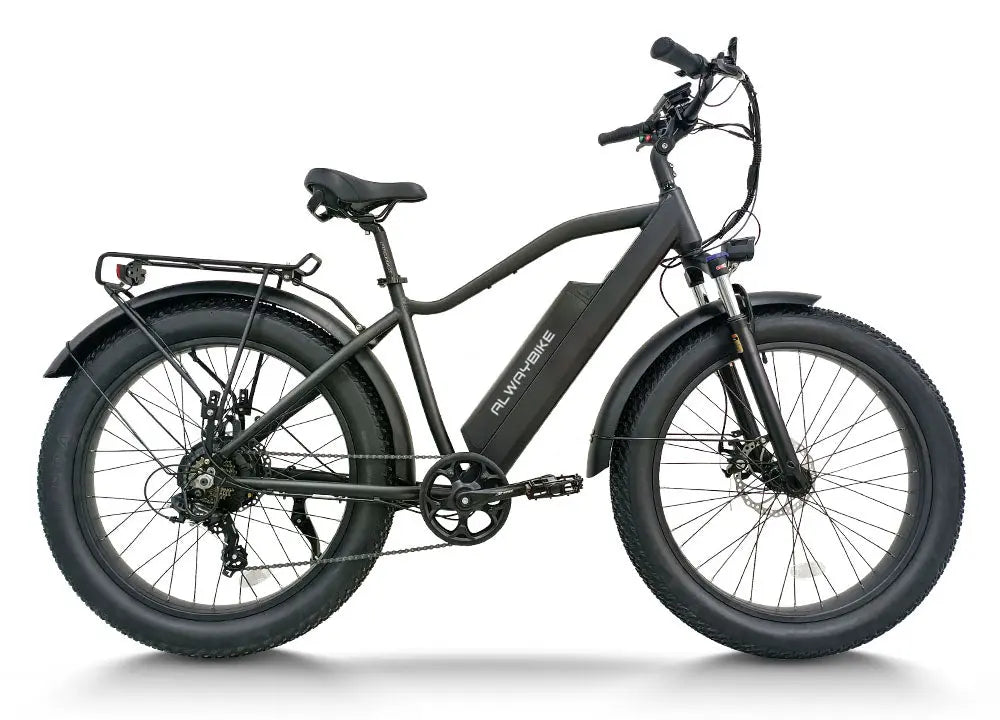
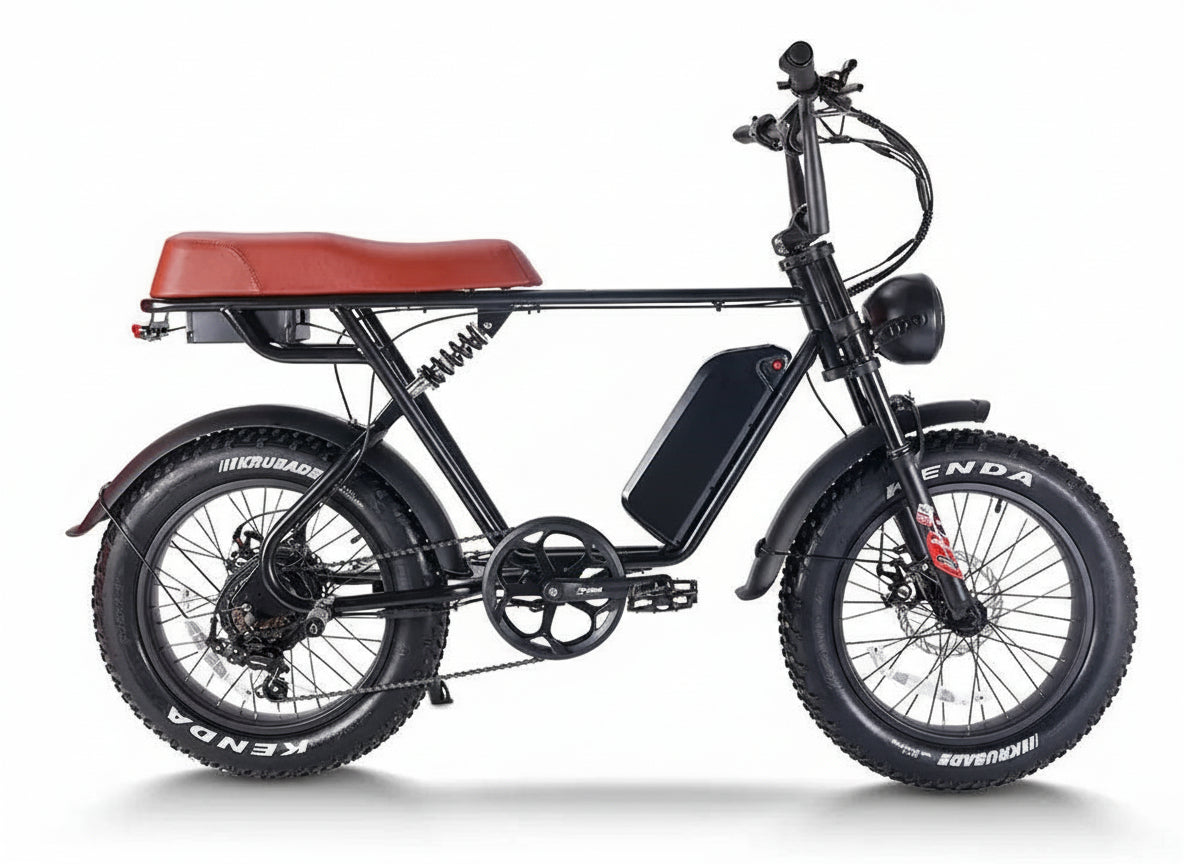
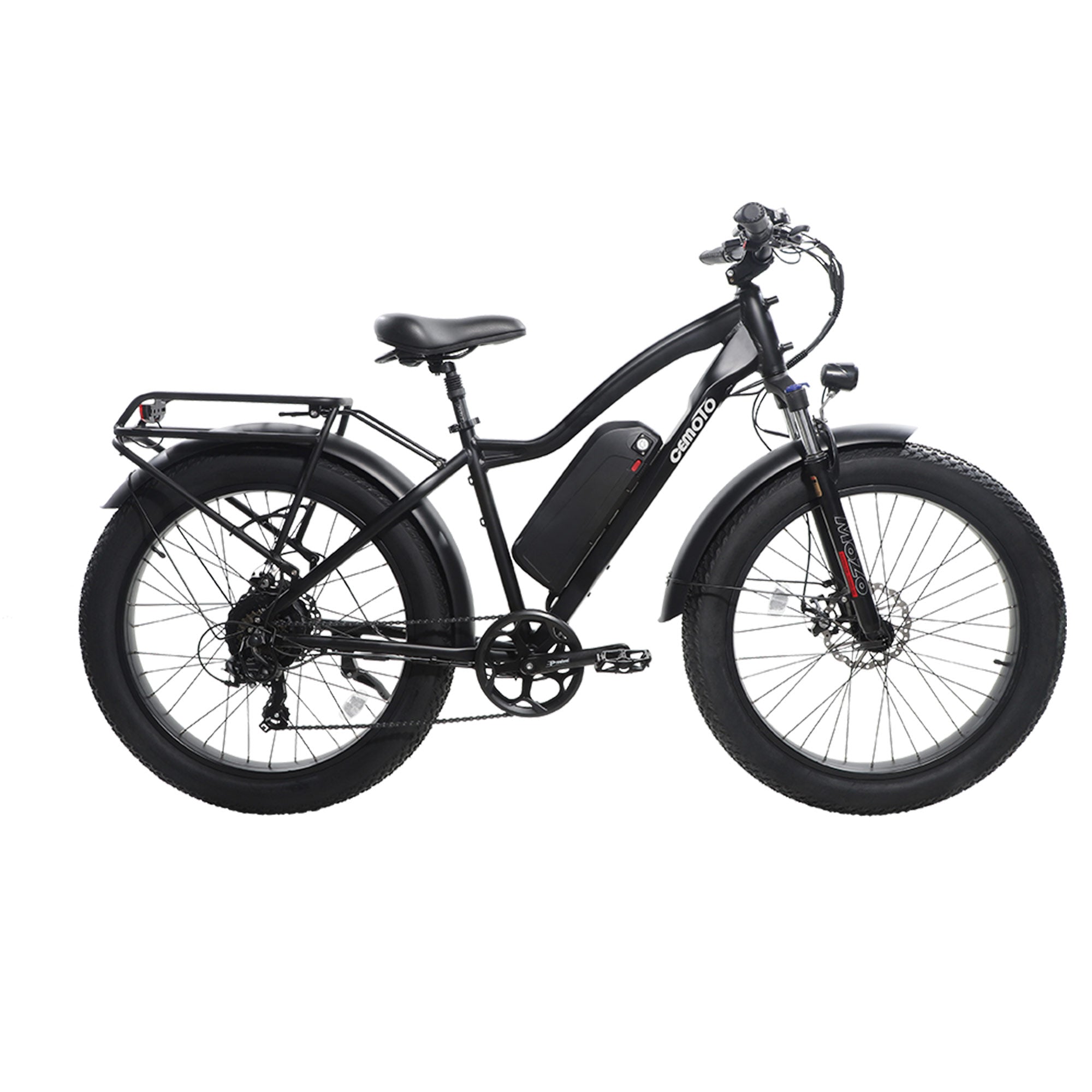
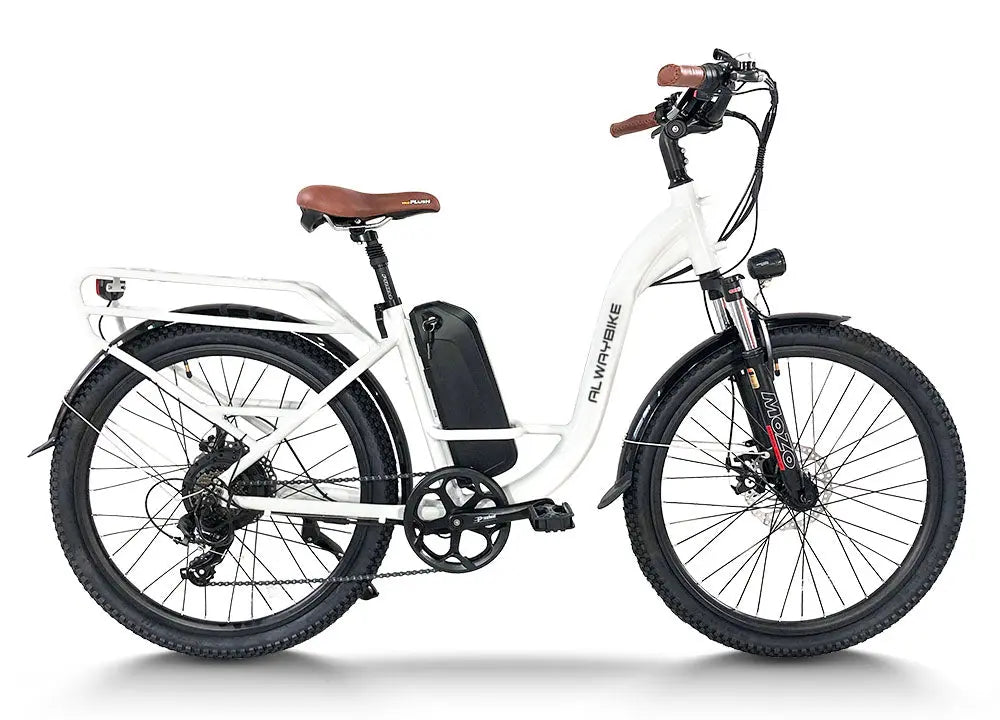
A truly modular architecture means components like the battery, motor, controller, and display can be swapped without specialized factory tools or destructive disassembly. However, "modular" does not always mean "universal." Repairability depends on the specific parts ecosystem and whether the manufacturer provides accessible service documentation.
To verify if an e-bike is truly serviceable, look for these indicators:
- Standard Fasteners: Use of common Allen (hex) or Torx bolts rather than proprietary security screws.
- Standardized Connectors: The use of recognizable plug types (such as Higo or JST connectors) for the display and sensors.
- Parts Availability: A publicly accessible spare parts catalog where individual components—not just entire motor units—can be purchased.
As highlighted in lithium-ion safety resources, maintaining these systems requires disciplined habits. While modularity is a major advantage for swapping wear items like chains or brake pads, it offers less benefit if the core electronics are "software-locked" to the specific frame.
Safety-First Decision Framework: DIY vs. Professional Service
Before starting any repair, it is helpful to categorize the task. A common heuristic used by experienced mechanics is to keep DIY work limited to mechanical wear items and basic "plug-and-play" diagnostics.
- DIY Friendly: Chain lubrication, brake pad replacement, tire pressure, and reseating loose display cables.
- Professional Required: Internal motor repairs, hydraulic brake bleeding (unless you have specific kits and training), and any work involving the internal wiring of the battery pack.
If a battery is swollen or hot, do not attempt to "reset" or "fix" it. Use only the manufacturer-recommended charger to mitigate fire risks. When purchasing or repairing, look for the UL 2849 certification label on the frame or battery. This standard indicates the entire electrical system has undergone rigorous safety testing. Treat uncertified or unusually cheap aftermarket batteries with caution, as their internal build quality and safety circuitry can vary significantly.
DIY vs Professional Service Decision Guide for Modular E-Bike Components
Heuristic decision guide based on safety guidelines; not real test data.
View chart data
| Category | DIY Safe | Escalate to Pro | Immediate Stop |
|---|---|---|---|
| Battery | 0.0 | 0.0 | 4.0 |
| Charger | 1.0 | 3.0 | 4.0 |
| Chain/Drivetrain | 3.0 | 1.0 | 1.0 |
| Brakes | 1.0 | 3.0 | 1.0 |
| Display/Sensors | 2.0 | 1.0 | 1.0 |
| Controller/Motor | 0.0 | 3.0 | 2.0 |
Illustrative heuristic scores synthesized from the provided constraint_first_filter (battery swelling/heat => escalate/stop), threshold_table (swelling=stop; chain wear limit=replace), scenario_matrix (wear items lean DIY; electrical issues lean pro), and reverse_recommendation (do not DIY swollen battery). Scores indicate relative action priority, not measured failure rates or incidence.
Note: This chart illustrates relative action priorities based on general safety patterns. Mechanical items are generally safer for DIY, while electrical systems favor professional intervention.
Monthly Maintenance Checklist for Longevity
Consistent maintenance prevents the "cascading failure" effect where one worn part destroys another.
- Battery Care: Inspect the casing for cracks. Clean the metal contact points with a dry cloth. Store the bike in a climate-controlled area (ideally 50–77°F / 10–25°C).
- Drivetrain: Use a chain checker tool. Most mechanics recommend replacing the chain when it reaches 0.5% to 0.75% stretch to prevent wearing out the more expensive cassette and chainrings.
- Braking System: Check that brake pads have at least 1.5mm of friction material remaining. If the levers feel "spongy," it may indicate air in the lines, requiring a professional bleed.
- Tires: Check for "dry rot" (small cracks in the sidewall) and ensure spokes are under even tension by giving them a light "pluck"—they should produce a similar clear tone.
For seasonal storage, a common industry rule of thumb is to charge the battery to approximately 60–80% and check it every two months. Avoid leaving a battery at 0% or 100% for extended periods, as this accelerates chemical degradation.
Step-by-Step Troubleshooting for Common Faults
Always begin with the "Rule of Three": Check the battery charge, check the display for error codes, and check that all external plugs are fully seated.
1. Power or Assist Loss
- Check: Ensure the battery is locked into its mount correctly; sometimes vibrations can loosen the connection.
- Inspect: Look for "green crust" (corrosion) on the battery pins.
- Action: If the bike won't turn on, test the battery with a multimeter if you are comfortable doing so; a healthy 36V battery should read above 30V. If it reads significantly lower, the Battery Management System (BMS) may have tripped.
2. "Ghost" Braking or Cut-outs
- Check: Many e-bikes have "motor inhibitors" in the brake levers. If a lever doesn't snap back fully, the motor won't engage.
- Action: Clean the pivot point of the brake lever and ensure the sensor wire is not pinched.
3. Drivetrain Noise
- Check: If the motor is running but the wheel isn't turning, the internal nylon gears or the freehub may be stripped.
- Action: This usually requires professional service to open the motor casing without voiding the warranty.

Sourcing Reliable Parts and Navigating Right-to-Repair
As the industry moves toward 2025 and beyond, the availability of third-party "open-source" parts is increasing. However, for modular e-bikes, the safest path is prioritizing genuine or manufacturer-approved modules.
When sourcing parts:
- Verify Voltage: Never swap a 36V controller for a 48V version unless the motor and battery are explicitly rated for "dual voltage."
- Check Firmware: Some modular displays require specific firmware versions to "talk" to the motor controller.
- Avoid "Generic" Batteries: While they may fit the mount, they often lack the high-quality cells and thermal management found in certified packs.
Right-to-repair standards are beginning to influence ownership costs by forcing brands to provide service manuals. Owners of modular bikes often find that they can perform 80% of repairs at home, significantly reducing the "lifetime cost of speed" compared to proprietary systems that require shipping the entire bike back to a factory.
Essential Tools for the Home Mechanic
To handle most modular repairs, you don't need a full workshop. A focused toolkit should include:
- Hex/Allen Key Set (2mm–8mm): For almost every bolt on the bike.
- Torque Wrench: Essential for tightening bolts to manufacturer specs (usually measured in Newton-meters, Nm) to prevent stripping threads in aluminum frames.
- Chain Checker and Chain Tool: For drivetrain maintenance.
- Contact Cleaner: A non-conductive spray for cleaning electrical plugs.
Safety Reminder: Always remove the battery before performing any mechanical or electrical work. This prevents accidental motor engagement. This guide provides general maintenance information; if you experience persistent performance issues or have safety concerns, consult a certified technician.
Final Takeaways for Long-Term Reliability
A modular e-bike is an investment in longevity. By focusing on proactive maintenance—specifically battery health and drivetrain cleanliness—you can avoid the most common causes of "e-bike graveyard" syndrome. Respect the boundaries of your technical skill: use the modularity of your bike to handle the simple swaps, and rely on professional expertise for the complex electrical heart of the machine. Always refer to your specific model's manual for exact torque values and wiring diagrams.
