
Prioritized Upgrade Paths for 3000W-6000W Electric Dirt Bikes


Upgrading a 3000W–6000W electric dirt bike offers clear performance gains for trail riding when you follow the right order. Prioritizing reliability, control, and thermal stability before chasing maximum power helps deliver better real-world results while avoiding wasted spending on incompatible parts.
The most effective path usually starts with brakes and suspension to maintain control as you add performance, then moves to battery and controller improvements for usable power delivery, and only later considers motor or voltage changes. This sequence minimizes overheating, wiring issues, and safety risks that commonly appear when riders jump straight to a high-voltage conversion.
Why Upgrade Order Matters for Trail Performance
Owners of 3000W–6000W electric dirt bikes often face the same dilemma: more power sounds appealing, but it frequently leads to overheating, reduced range, or handling problems if the rest of the bike cannot keep up. Trail riding rewards repeatable acceleration, hill-climbing confidence, and predictable stopping more than raw top speed. A mismatched upgrade can make the bike feel twitchy or less reliable on technical terrain.
As this official lithium-ion battery safety guidance explains, high-voltage battery modifications require careful attention because improper installation or charging can create serious hazards. Treating upgrades as a complete system rather than isolated parts helps avoid these issues.
The battery, controller, and motor must work together as a matched powertrain. Changing one without checking the others often forces additional modifications. For example, a larger battery alone will not deliver expected gains if the controller cannot handle the extra current or voltage.

Prioritized Upgrade Sequence for Trail Riders
A practical heuristic for 3000W–6000W class bikes puts safety and control first, followed by power delivery, then peak output. This order tends to provide the highest return on investment for riders who spend most of their time on mixed or technical trails.
-
Brakes and Suspension – As power and speed increase, stopping power and chassis stability become critical. Upgrading to hydraulic disc brakes with better modulation and improving suspension travel or damping prevents brake fade and improves traction. These changes often deliver the most noticeable trail improvement before adding watts.
-
Battery and Controller – Address voltage sag, overheating, and throttle response next. A higher-capacity battery paired with a properly rated controller reduces heat buildup and improves consistent power delivery. Check current limits and wiring gauge before purchasing.
-
Motor or Voltage Conversion – Only move to a more powerful motor or 72V setup once the supporting systems can handle it. Higher voltage can reduce current for the same power level, potentially lowering losses, but it frequently requires new connectors, thicker wiring, and updated BMS protection.
Here is an illustrative chart showing relative priority for trail-focused upgrades:
Trail Riding Upgrade Priority and Relative ROI (Illustrative)
Heuristic ranking for trail-focused upgrades on 3000W-6000W electric dirt bikes.
View chart data
| Category | Trail ROI priority | Risk-adjusted gain |
|---|---|---|
| Brakes & suspension | 5.0 | 5.0 |
| Battery & controller | 4.0 | 4.0 |
| Motor & voltage | 2.0 | 2.0 |
| 72V package (higher risk) | 1.0 | 1.0 |
Illustrative heuristic model built from the provided decision snapshot and viewpoint modules. Scores represent relative trail-riding ROI and risk-adjusted priority, not official test data or measured gains.
This model uses heuristic scores only and should be adjusted to your specific bike and riding style.
72V Conversions: When They Make Sense and When They Don’t
Moving from 48V or 60V to a 72V electric dirt bike upgrade kit can increase top speed and reduce current draw, but it is rarely the first or best step for trail riders. A 72V conversion often triggers a chain of additional changes: new controller, updated wiring harness, compatible throttle, and a battery pack with appropriate BMS rating.
A 72V conversion usually makes less sense when the bike’s existing controller, motor, or battery bay was not designed for that voltage, or when the rider mainly wants better trail control rather than higher top speed. The hidden cost is that voltage gains often trigger a chain reaction: controller replacement, battery pack changes, connector and wiring upgrades, and more heat management attention. If the rest of the system is not upgraded with it, the bike may become faster on paper but less predictable or less durable in real use.
Do not treat 72V as a default upgrade if:
- The current controller cannot safely handle the new voltage.
- The frame or battery compartment cannot fit the necessary pack without awkward compromises.
- The rider is mostly trail-riding where traction, modulation, and heat control matter more than top speed.
- The upgrade budget cannot also cover brakes, wiring, and thermal margin.
Higher voltage setups can offer performance potential, but they raise integration complexity and failure risk. Always verify connector types, wire gauge, and BMS current limits before purchasing a conversion kit.
Compatibility Checklist Before You Buy
Successful upgrades depend on matching components. Use this checklist to reduce compatibility headaches:
- Voltage matching: Confirm the controller, motor, battery, display, and throttle are all rated for the same system voltage.
- Current rating: The controller’s continuous and peak current must exceed the motor’s requirements and stay within the battery’s safe discharge rate.
- Connectors and harness: Check Anderson, XT60, or other plug types. Mismatched connectors often require custom wiring that can introduce resistance or failure points.
- Throttle signal: Many twist throttles output specific voltage ranges. Confirm compatibility with the new controller.
- BMS limits: The battery management system should protect against over-discharge and over-charge, especially important when increasing power output.
- Physical fit: Measure the battery compartment and motor mounting points before ordering larger packs or different motors.
The battery, controller, and motor need to be selected as a matched system rather than as isolated parts. Because the controller manages power delivery, its voltage and current limits should be checked before increasing battery output.

Safety and Maintenance Considerations
Lithium-ion battery and high-voltage upgrades require careful safety checks because improper charging or protection can create serious hazards. For e-micromobility batteries, the safest charging setup is outdoors and away from enclosed structures when practical.
Important Safety Note: This article discusses comfort, setup, and performance modifications for electric dirt bikes. It does not constitute medical advice, mechanical diagnosis, or a guarantee of safety. Battery and electrical modifications carry fire and shock risks. Improper installation can damage components or create hazardous conditions. If you experience persistent issues, overheating, or have existing equipment concerns, consult qualified professionals and follow manufacturer guidelines. Always charge outdoors when possible and use appropriate fire safety measures.
Regular maintenance remains essential after upgrades. Check connections, monitor temperatures during hard riding, and inspect brake pads and suspension components more frequently as performance increases. Our Ultimate E-Dirt Bike Maintenance Guide offers practical checks to keep your bike reliable.
Choosing Parts That Deliver Value in 2026
In 2026, riders benefit from improved component availability, but the core principles stay the same: match parts to your riding goals and bike platform. For most trail riders, improving control and consistency provides more satisfaction than adding peak power that cannot be used safely.
Consider your specific terrain, rider weight, and typical ride length when selecting upgrades. Budget-conscious owners achieve the best results by spreading purchases across multiple seasons and addressing one system at a time.
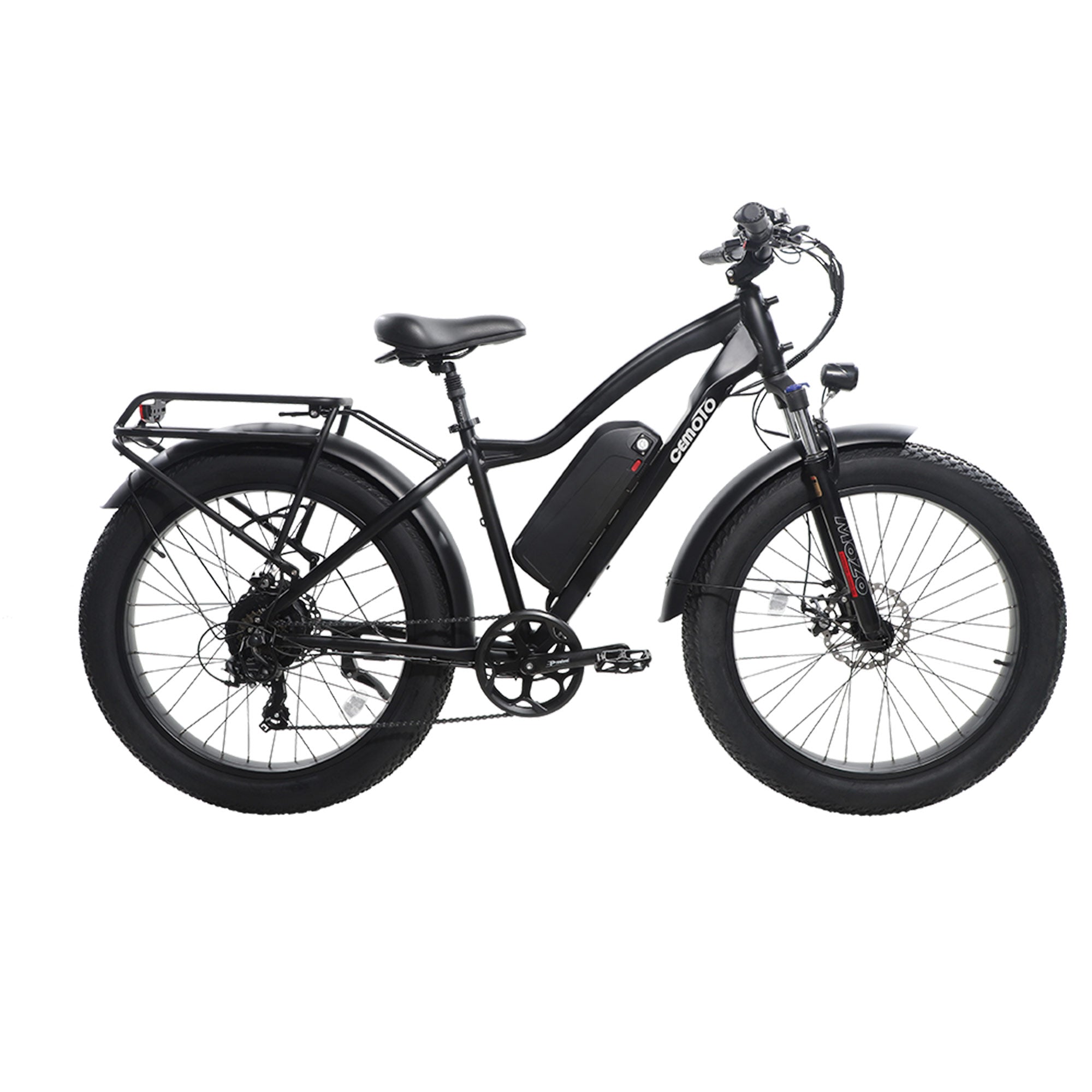
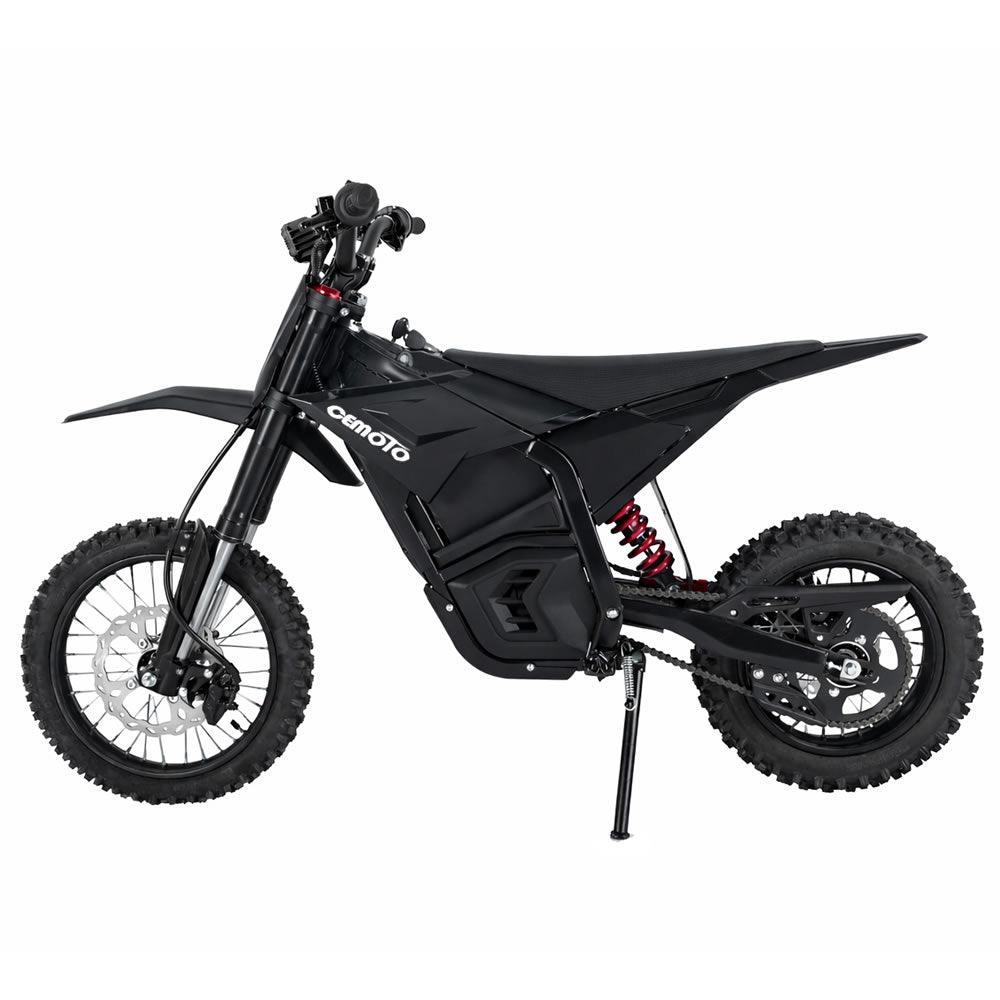
Our CEMOTO D-Series 3000W–6000W Off-Road Electric Dirt Bike serves as a strong base platform with modular upgrade potential. Compatible parts such as the CEMOTO D03 Dirt Bike Motor, CEMOTO D-Series Hydraulic Disc Brake Assembly, and CEMOTO D03 Twist Throttle allow staged improvements while maintaining compatibility.
Explore more options in the Electric Dirt Bikes collection or browse performance accessories.
Final Thoughts
The best upgrade path for your 3000W–6000W electric dirt bike depends heavily on your current setup, riding style, and specific trail conditions. Focusing first on brakes, suspension, and power delivery usually delivers more usable improvement than jumping to higher voltage or larger motors. Careful compatibility checking and respect for safety guidelines help ensure the upgrades enhance enjoyment rather than create new problems.
Approach modifications conservatively, test changes gradually, and prioritize parts that improve control and reliability. When done thoughtfully, these upgrades can transform your bike into a more capable trail partner that feels stronger where it matters most.
This article only provides general guidance based on common practices and available research. Individual results vary. Always verify fitment with your specific model and consult professionals for complex electrical work. Ride safely and within local regulations.
