

The 2026 Buyer's Guide to Future-Proof Modular E-Bikes


In 2026, the smartest e-bike purchase prioritizes more than just range or power—it focuses on whether the bike can evolve with your needs and stay repairable without forcing expensive full replacements. Modular designs with swappable batteries, motors, and controllers offer a practical path to lower long-term ownership costs and reduce e-waste, but only when the architecture truly supports independent servicing and parts availability.
Why Modular Architecture Matters for Long-Term E-Bike Ownership
E-bike buyers increasingly seek platforms that avoid premature obsolescence. Traditional proprietary systems often lock users into dealer-only repairs or costly component swaps, especially for batteries that degrade over time. A modular approach changes this by making key parts interchangeable, allowing riders to replace or upgrade specific elements as technology improves or needs change.
This shift aligns with growing right-to-repair awareness, where consumers demand access to parts, tools, and documentation. For commuters and delivery riders who depend on reliable uptime, easy battery or motor replacement can mean the difference between a quick fix and days of downtime. Sustainability-focused buyers also benefit, as extending a bike's usable life directly cuts down on electronic waste.
According to serviceability guidance, long-term ownership strengthens when batteries, motors, and controllers can be serviced or replaced instead of requiring an entire new bike. This principle forms the foundation for evaluating any future-proof electric bike.

The True Cost of Proprietary Systems vs. Modular Designs
Proprietary e-bikes can appear affordable upfront but often hide higher lifetime expenses. When a battery reaches end-of-life or a controller fails, owners may face limited options, inflated prices, or compatibility issues that push them toward a full replacement. This lock-in increases friction for repairs and upgrades while diminishing resale value.
Modular e-bikes counter this by emphasizing standardized interfaces and open access to components. For example, swappable batteries allow riders to source compatible replacements from multiple suppliers, potentially lowering costs compared to brand-specific units. Similarly, replaceable motors and controllers support customization, such as upgrading for higher torque or better efficiency as riding habits evolve.
Battery replacement stands out as one of the most significant long-term decisions. A typical e-bike battery might need replacement every 3-5 years depending on usage, making compatibility and availability critical. Modular systems that document connector types, voltage matching, and BMS requirements help avoid costly mistakes, as detailed in e-bike battery replacement guides.
Key Components That Should Be Swappable in 2026
Not all modularity delivers equal value. Focus on these core areas:
-
Batteries: Look for designs with removable packs that support standard mounting and widely available connectors. This enables both capacity upgrades for longer range and straightforward swaps when performance drops.
-
Motors: Hub or mid-drive motors that can be replaced without specialized tools extend the bike's life significantly. DIY-friendly designs, covered in resources like hub motor replacement guides, empower independent maintenance.
-
Controllers: These electronics manage power delivery and often fail due to water exposure or wear. Modular controllers that plug in easily allow quick upgrades for better features or compatibility with new batteries.
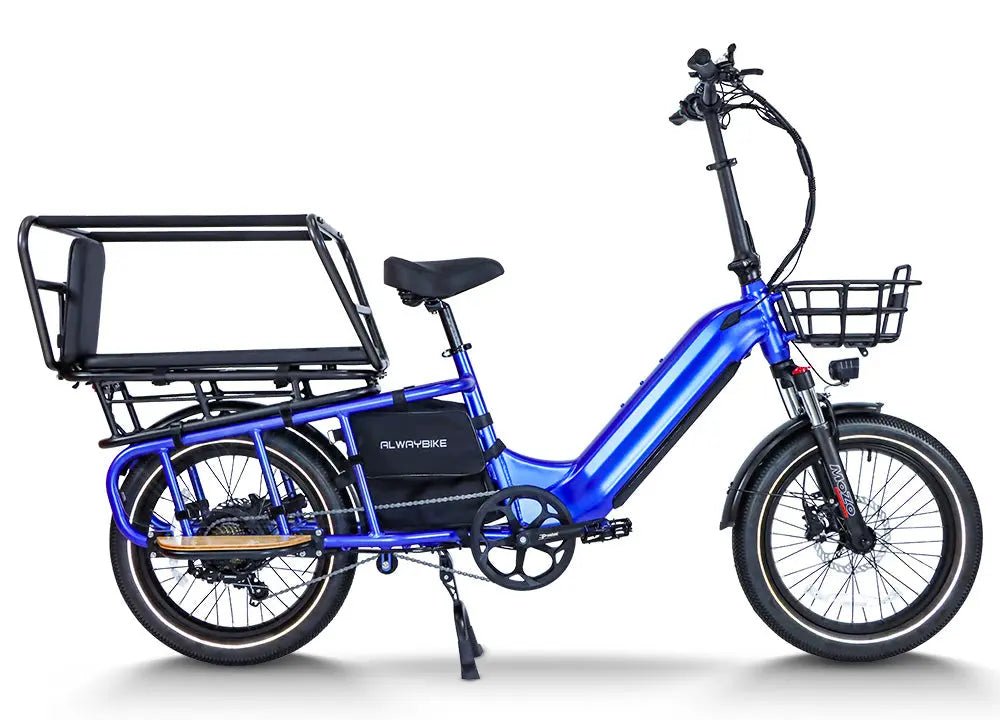
Customizable frames further support changing needs, such as adapting for cargo, passenger use, or different terrains. Interchangeable components here mean the bike grows with you rather than becoming obsolete.
Illustrative Value of Replaceable E-bike Components by Ownership Scenario
Higher scores indicate greater likely value in that ownership scenario over a 3–5 year horizon; this is an illustrative comparison, not a measured forecast.
View chart data
| Category | Cost-conscious commuter | DIY rider | Sustainability buyer |
|---|---|---|---|
| Battery | 5.0 | 4.0 | 5.0 |
| Motor | 3.0 | 5.0 | 4.0 |
| Controller | 3.0 | 4.0 | 5.0 |
Illustrative relative scores only, based on the provided scenario matrix and constraint-first filter. Focuses on true replaceability (battery, motor, controller), not accessory modularity. Scores reflect expected value over a 3–5 year ownership horizon and are not measured TCO data.
This chart illustrates how the value of replaceable components varies by rider type. Battery swapability delivers high benefits for cost-conscious and sustainability-oriented buyers, while DIY riders gain more from accessible motor and controller designs.
Common Myths About Modular and Upgradeable E-Bikes
Several misconceptions can mislead buyers in 2026:
-
Myth: Modular e-bikes are always cheaper over the long term. Reality: Savings only materialize if critical parts remain available and compatible years later.
-
Myth: Any swappable battery will work. Reality: Voltage, connectors, BMS, and mounting must match precisely to ensure safety and performance.
-
Myth: Proprietary systems are universally inferior. Reality: They can provide seamless integration when the manufacturer maintains strong support, though they often limit third-party repairs.
-
Myth: Right-to-repair automatically ensures easy parts access. Reality: Legal rights do not guarantee ongoing stock, reasonable pricing, or firmware compatibility.
-
Myth: Modular always equals future-proof. Reality: True longevity depends on continued manufacturer support for the specific platform.
These distinctions highlight why verification matters more than marketing language.
How to Evaluate a Future-Proof Modular E-Bike
Use this practical checklist before purchasing:
-
Confirm documented replacement paths for the battery, motor, and controller, including part numbers and sourcing options.
-
Check for open service documentation and compatibility guides rather than dealer-only access.
-
Verify parts availability timelines—ideally, components should remain supported for at least 5 years.
-
Assess frame modularity for your evolving needs, such as adding cargo capacity or changing wheel sizes.
-
Review real-world repair experiences for the model, focusing on independent shop compatibility.
-
Calculate estimated total cost of ownership, factoring in potential battery replacements every 3-5 years.
For fleet or commercial users, compare operational impacts like battery swap versus depot charging to optimize uptime.

Serviceability Standards and Compliance in 2026
Emerging standards emphasize repairability alongside safety. Look for bikes that align with 2026 e-bike serviceability and right-to-repair guidelines, which stress accessible components and clear documentation.
Battery safety rules also influence design, requiring proper connectors and management systems. Choosing models that meet these helps ensure both compliance and easier maintenance.
For those comparing broader options, resources like electric cargo bike versus delivery van cost analyses provide context on when modular e-bikes excel in practical use.
When a Modular E-Bike Might Not Be the Best Choice
Modular designs shine for multi-year owners who value repairability. However, they may not suit everyone. Short-term riders or those preferring fully integrated, hassle-free systems might find proprietary models simpler. Buyers in regions with limited independent repair infrastructure could face challenges sourcing parts. Always match the bike to your specific riding scenario, maintenance willingness, and local support ecosystem.
This article discusses comfort, setup, and serviceability considerations for modular e-bikes. It does not constitute medical advice, diagnosis, or treatment. If you experience persistent discomfort or have existing health conditions, consult qualified professionals.
Future-proofing your e-bike investment in 2026 means selecting a platform built for evolution rather than replacement. By prioritizing verifiable modularity in batteries, motors, controllers, and frames, riders can enjoy lower costs, greater customization, and reduced environmental impact over time. Review parts support, service options, and your personal usage patterns carefully to make the decision that best fits your needs.
Explore more on related topics with our guide to portable vs heavy-duty mobility scooters or insights into 72V vs 60V electric dirt bikes. For practical upgrades, consider electric scooters as complementary options in your mobility setup.
