

Affordable E-Bikes: Which Ownership Costs Belong in Your Budget?


Compare the listed price with setup, equipment, maintenance, upgrades, and unknowns, then use three scenarios to decide whether an affordable e-bike fits.
For affordable e-bikes, the listed price is only the starting point. Your first-year budget should also account for delivery or assembly, equipment needed for your planned ride, routine wear and maintenance, optional upgrades, and product-specific costs you cannot confirm yet. Build the total from the exact listing and cart, then test it with low, expected, and contingency scenarios before ordering.

What Affordable E-Bikes Really Cost in the First Year
The first-year cost of affordable e-bikes is the bike price and confirmed checkout total, plus the riding and ownership costs that apply to your use. Assembly, maintenance, wear parts, and local service may fall outside the bike price, so treat the listed price as one budget input—not the finished total. Consumer Reports' buying guidance also recommends checking these ownership factors before purchase.
Use this six-row worksheet. Enter a dollar amount only when you have a product-page detail, cart total, seller policy, local service quote, or clear riding-plan assumption. Leave the cell blank or write “unknown” when the amount is unresolved.
| Cost category | What to include | Budget status | Reader-entered amount |
|---|---|---|---|
| Bike price | The exact listed price for the selected model and configuration | Confirmed when shown for the chosen configuration | $_____ |
| Shipping, taxes, delivery, or assembly | Destination-specific shipping, sales tax, delivery charges, final assembly, setup, or checkout add-ons | Required when charged or needed before your planned ride | $_____ |
| Essential accessories and protection | Equipment your planned trip requires and the exact listing does not include, such as a lock, lights, helmet, or weather protection where applicable | Required only for your ride, route, local requirements, or safe use; otherwise classify separately | $_____ |
| Routine wear and maintenance | Planned service, common wear items, and maintenance based on mileage, terrain, storage, riding habits, and local service access | Routine ownership cost, not a universal average | $_____ |
| Optional upgrades | Comfort, convenience, storage, appearance, or capability upgrades you choose but do not need for the planned ride | Optional and outside the required subtotal | $_____ |
| Unknowns to verify | Unanswered battery terms, replacement parts, service access, warranty or return exposure, unexpected setup, or unplanned service | Separate contingency exposure, not a guessed price | $_____ |
Keep three amounts separate: the required subtotal covers the bike price, confirmed checkout and setup charges, and only the equipment needed for the planned ride. Add routine wear and maintenance as the ownership amount, keep selected upgrades outside the required subtotal, and leave unresolved costs visible as contingency exposure instead of replacing them with a typical estimate.

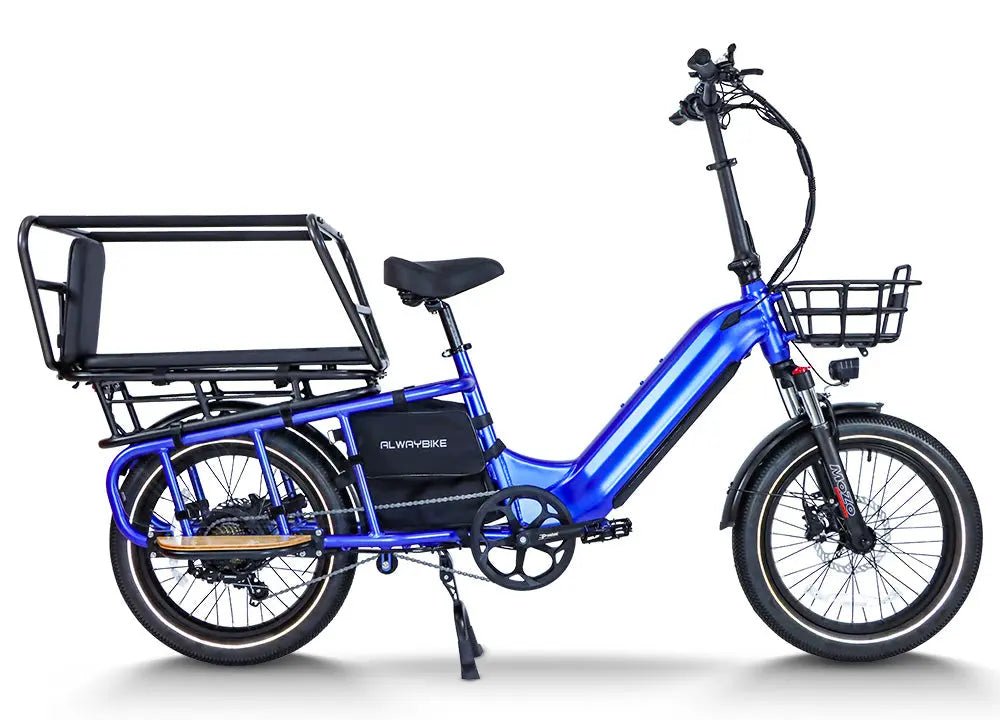
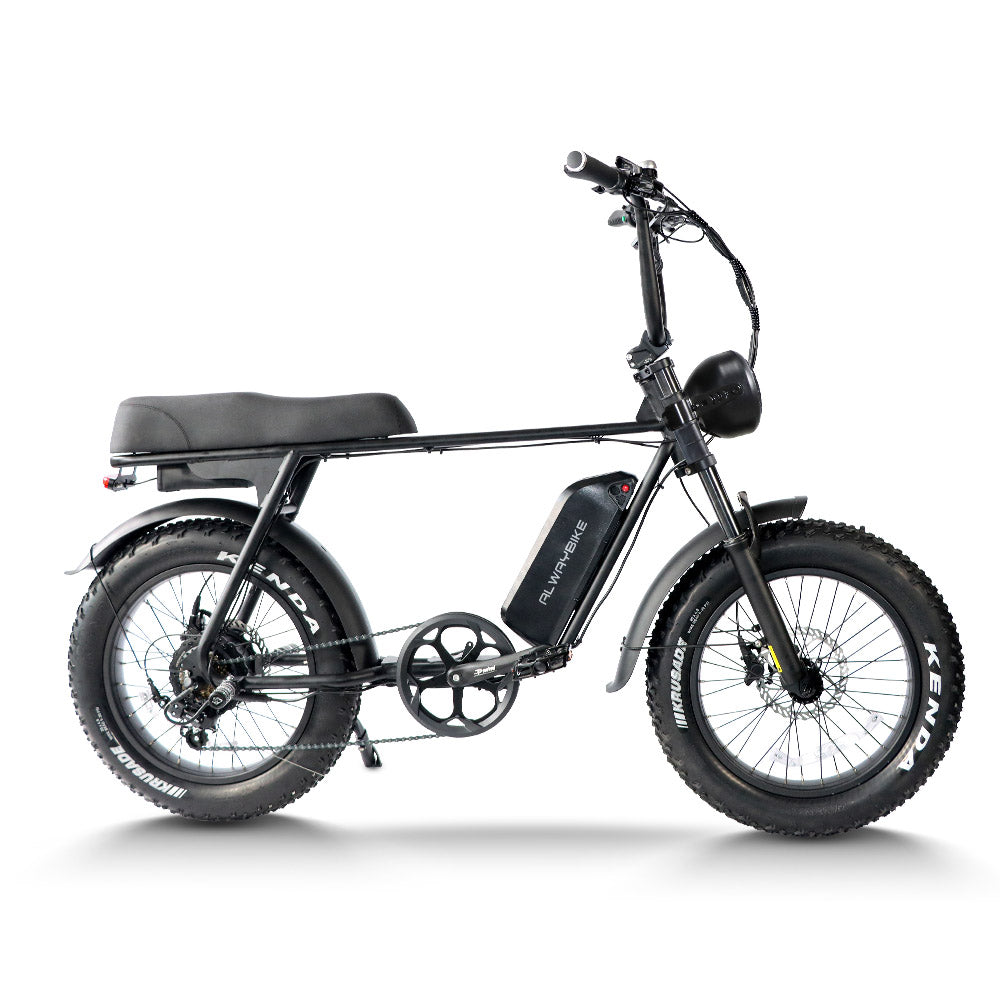
The exact listing determines what is included. Equipment and add-ons vary by model and seller, so record each item as included, required to buy, optional, or unanswered. A shopping category such as e-bike accessories can help you find possible items, but the collection is not evidence that an item is included, compatible, or required.
How to Build Your Personal First-Year E-Bike Budget
Use three reader-entered outputs rather than a generic first-year price. Your route, mileage, terrain, storage, riding habits, component type, and access to service can change the ownership costs, so a product- and use-specific method is more useful than a universal maintenance figure.
Set the low scenario as the confirmed checkout total plus necessary purchases. Start with the cart total, then add equipment and setup confirmed as necessary for the planned ride. Leave out upgrades you are merely considering; if a charge or requirement is unanswered, record it as unknown rather than treating it as zero.
Set the expected scenario as the low scenario plus planned-use wear, maintenance, and likely service. For regular commuting, account for the repeated route, storage, weather exposure, and service access. For recreation or off-road riding, use the planned frequency and terrain instead of importing a commuter assumption. This keeps the scenario tied to how the bike will actually be used.
Set the contingency scenario as the expected scenario plus unresolved product-specific exposure or unplanned service. Add amounts you can confirm for unresolved setup, parts, battery terms, warranty or return exposure, and service. If an exposure cannot be priced, label it unknown and decide whether that uncertainty is acceptable rather than creating an allowance.
Write the source or assumption beside every input: product page, cart, seller policy, local service quote, manufacturer guidance, or riding plan. Consumer Reports' individualized cost guidance supports treating maintenance and service as product- and owner-dependent inputs rather than one price for every e-bike.
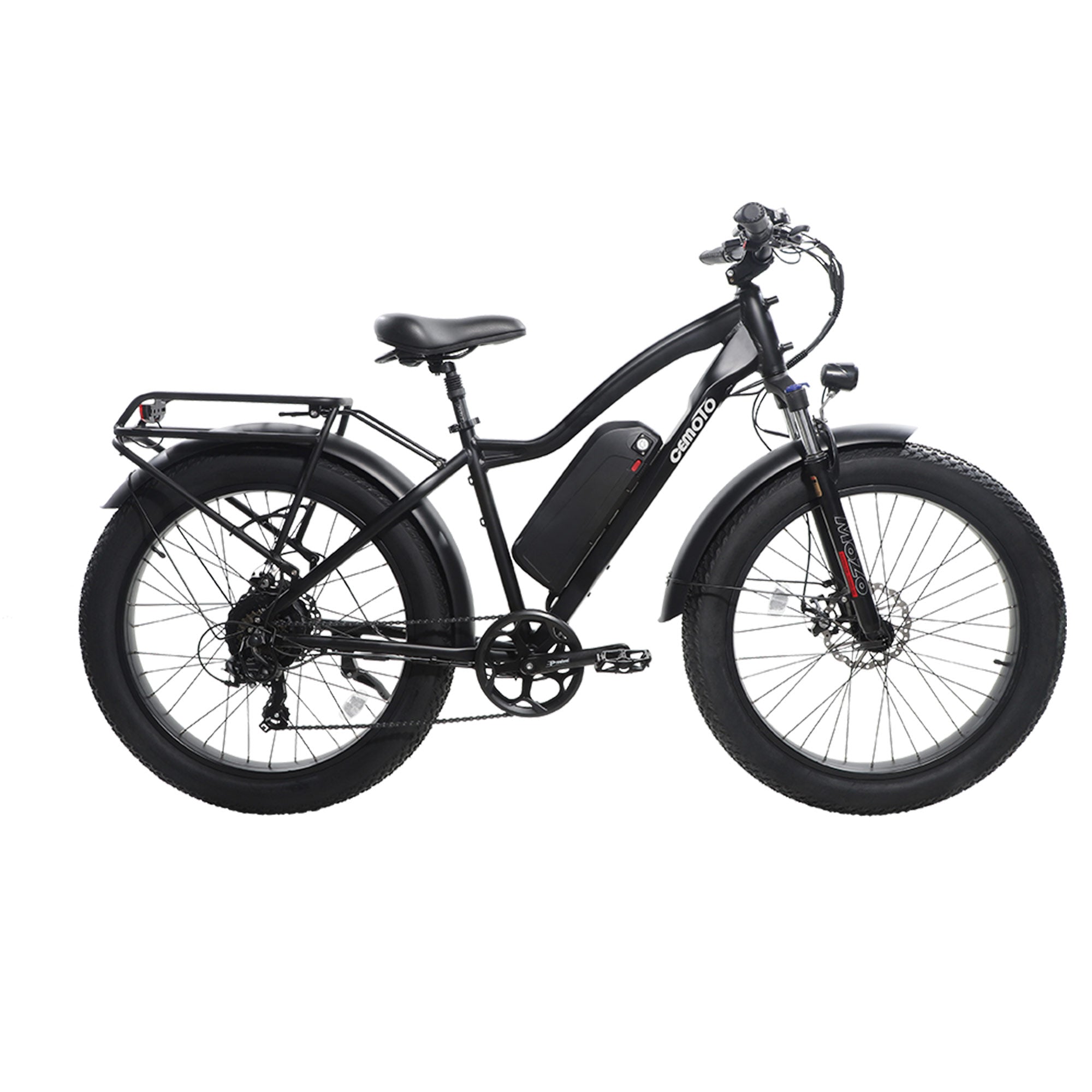
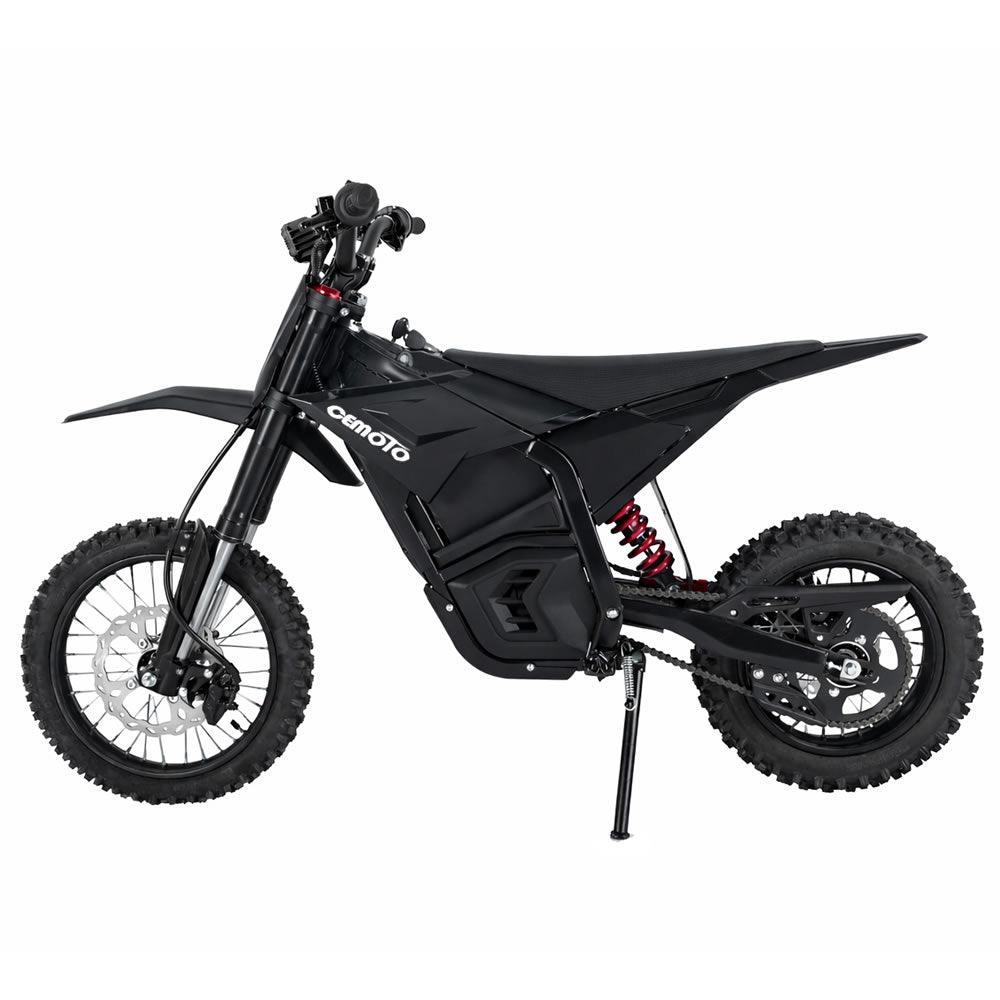
Battery exposure deserves the same discipline because wear and service pathways are system-specific. For example, Bosch documentation discusses Bosch-equipped systems; that guidance should not be generalized to CEMOTO or every affordable electric bike. Use the exact system maker's documentation when available.
The scenarios are ready for a purchase decision when the expected total fits your available first-year budget, the contingency outcome would not force you to skip essential equipment, and the remaining unknowns are acceptable. If a missing answer could change affordability or safe use, keep the purchase unresolved until you obtain that answer.
What to Verify Before You Buy an Affordable E-Bike
Verify the cart and ownership terms before treating a low scenario as realistic. Shipping, assembly, included equipment, service, parts, warranty, and returns can change the first-year total or create ownership friction, so record each answer beside the relevant budget row. Consumer Reports' pre-purchase guidance supports checking assembly, maintenance, parts, warranty, returns, and local service before purchase.
Follow this order because earlier answers can change later calculations:
- Record the delivered cart total. Add the bike price, destination-specific shipping, taxes, delivery charges, assembly or setup fees, and any checkout add-on. A shipping policy is a starting point, not proof that a term applies to your selected model, destination, or configuration.
- Classify included equipment. For each item relevant to your ride, write included, required to buy, optional, or unanswered. Do not assume that a rack, fenders, lights, lock, helmet, charger, or other equipment comes with the configuration unless the listing says so.
- Match the battery and charger. Confirm the supplied charger and replacement-battery information for the device. CPSC guidance says to use the charger provided with or recommended by the manufacturer and a replacement battery confirmed suitable and approved for that device. A plug that fits is not proof of compatibility.
- Check parts and service access. Ask which wear and replacement parts are available, whether a local shop can service the system, and what labor or parts quote applies. Keep missing service information in the unknown row.
- Compare warranty and return terms. Confirm eligibility, exclusions, required evidence, return window, return-shipping responsibility, and the process for the configuration. Use the warranty claim requirements as a navigation path, then confirm which terms apply before ordering. Do not treat shipping protection as repair coverage, warranty coverage, or a substitute for return terms.
- Recalculate the three scenarios. Move confirmed amounts into the proper row, keep optional upgrades outside the required subtotal, and carry unresolved answers into contingency exposure. Compare the result with your stated budget and planned use.
Should You Buy Now, Budget More, or Choose Another Configuration?
The right choice depends on the first-year total and the ownership questions that remain unanswered—not the headline price alone. After completing the six rows and scenarios, use one of these three paths.
Buy now when the verified total fits your first-year boundary, essential equipment and setup are covered, the expected and contingency scenarios are acceptable, and no safety or affordability answer remains unresolved. This means you are choosing with known inputs rather than assuming missing information will cost nothing.
Budget more when the configuration fits your route and intended use, but required equipment, setup, service access, or a sensible contingency is not yet funded. Keep optional upgrades separate and wait until the required subtotal and acceptable contingency are covered. This is a timing decision, not proof that the e-bike is a better or worse value.
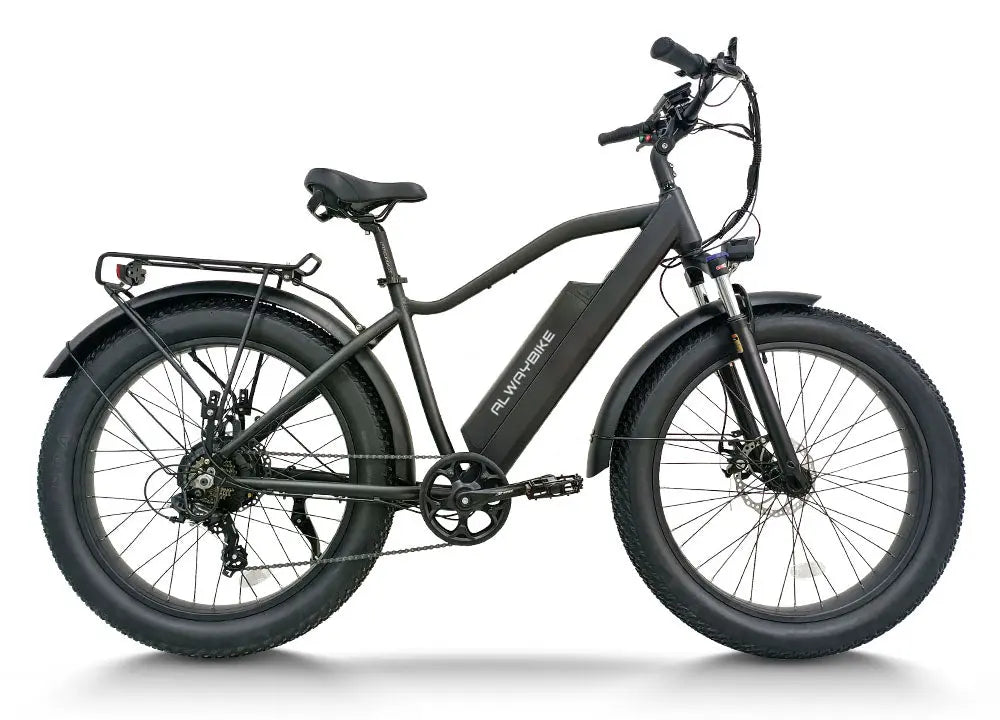
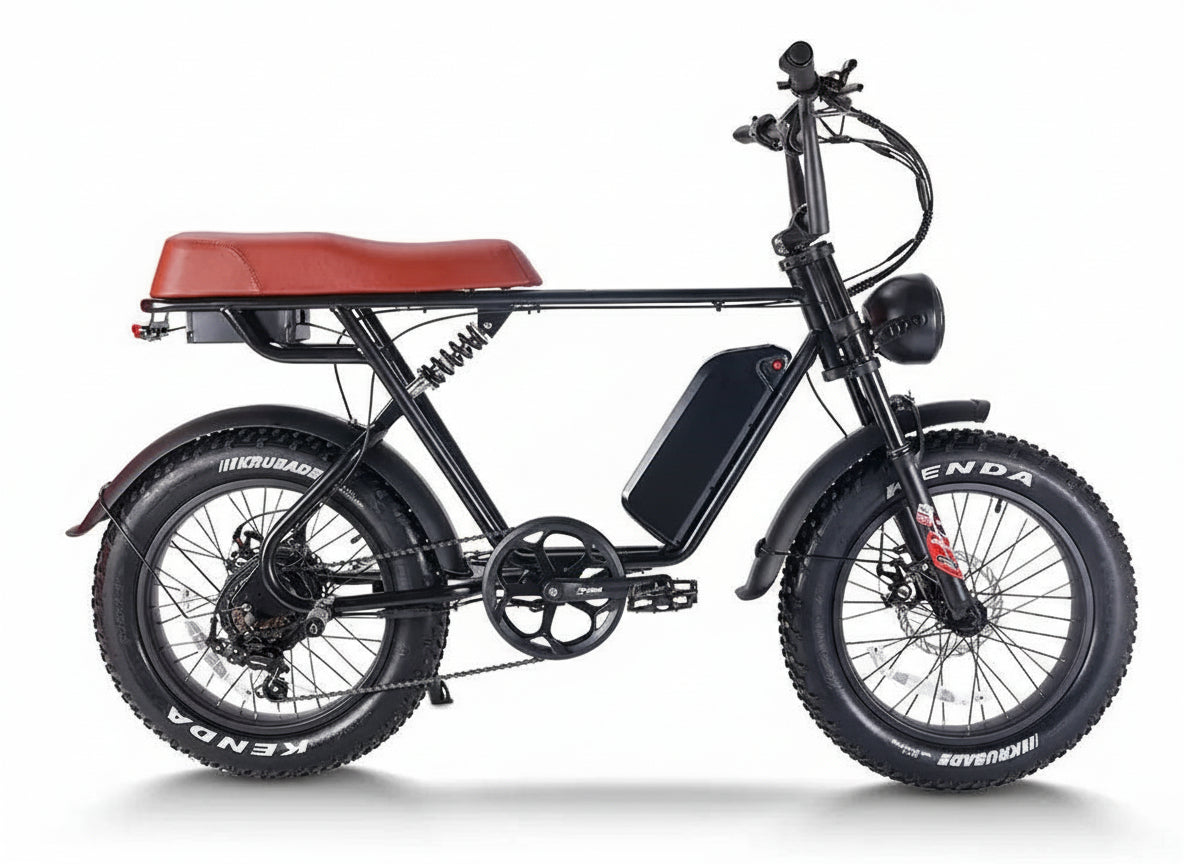
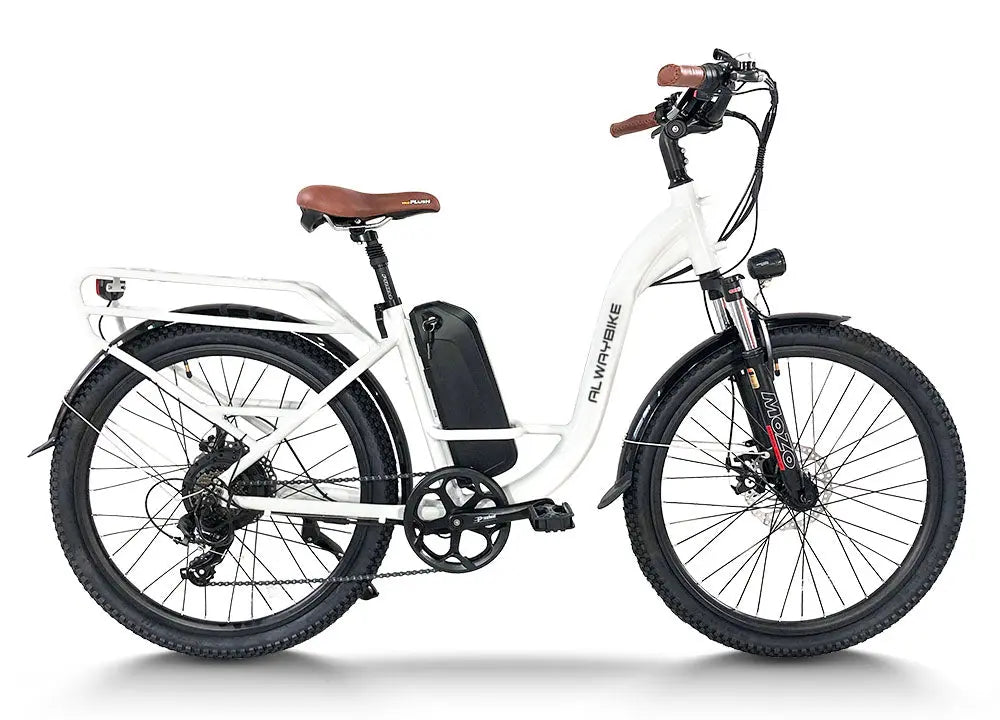
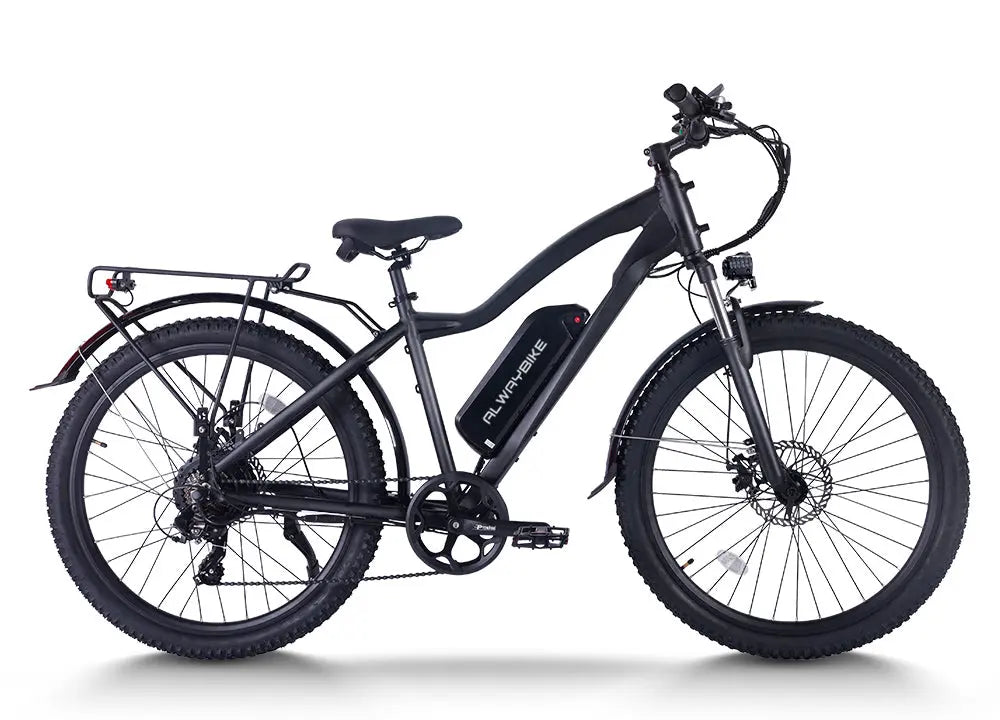
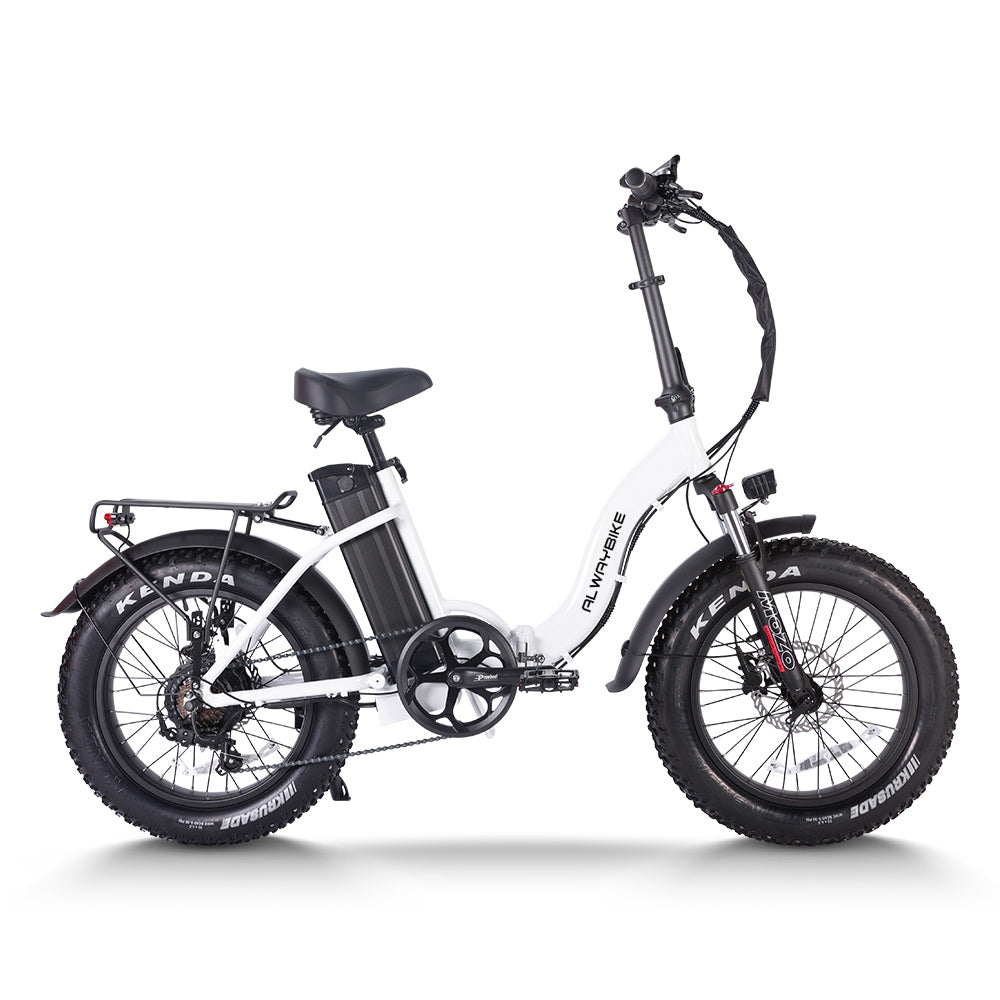
Choose another configuration when the total remains outside your budget, the route or use case does not fit, or uncertainty about parts, battery, service, warranty, or returns exceeds your tolerance. The EB40 commuter option and B28 off-road option are comparison paths for their supplied commuter and mountain or adventure contexts, not ranked recommendations. Verify each listing before comparing ownership costs.
Next, use the selected listing and cart to fill the rows, recalculate the three scenarios, and take the path that matches your budget and tolerance for unresolved ownership risk.
Affordable E-Bike Ownership Cost Questions
These short answers clarify how to use the worksheet when a headline price, maintenance question, or missing checkout detail makes the decision less clear.
What Is the Real Cost of Owning an E-Bike?
The listed price becomes a useful ownership figure only after the required subtotal and scenario amounts are known. Infrequent recreation with accessible service may create different costs from frequent commuting, rough terrain, or limited service access. Use the riding plan to interpret the result rather than treating one first-year total as universal.
Are Cheap E-Bikes More Expensive to Maintain?
Not necessarily. Purchase price alone cannot predict maintenance; the more useful comparison is whether the chosen configuration has manageable parts and service access for how you ride. If those answers are unresolved, treat that uncertainty as a decision issue instead of labeling the bike automatically cheaper or more expensive to maintain.
What Should I Budget Beyond the Listed E-Bike Price?
A missing checkout or policy answer is not a zero. When a required item or service path is unresolved, ask whether you could absorb it without skipping essential equipment; if not, budget more or choose another configuration before ordering.
