

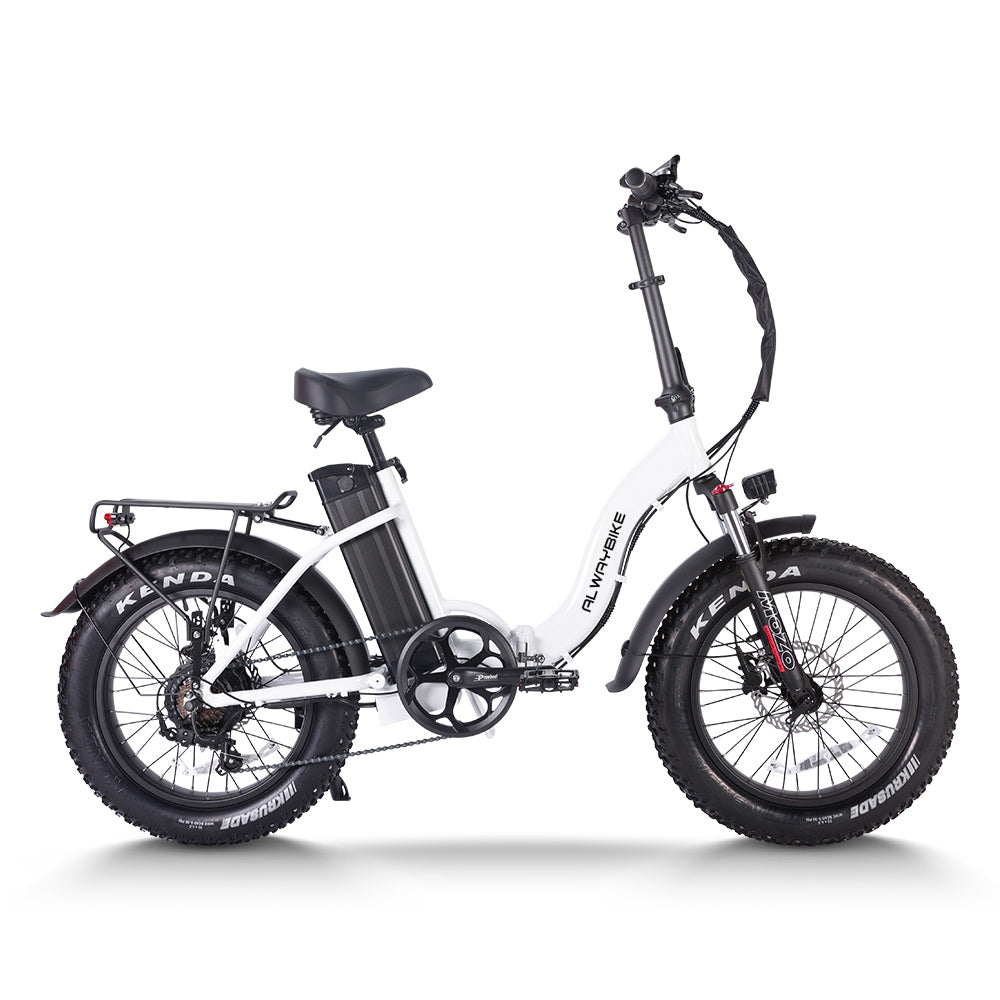
How to Choose a Folding E-Bike for a Small Apartment or Trunk

Use this practical fit guide to measure doors, elevators, storage, trunk access, carrying effort, and daily setup before choosing a folding e-bike format.
Measure the complete route before comparing features. The best foldable electric bike for a small apartment or trunk is not simply the smallest model on paper. It is the one whose verified folded length, width, height, and weight clear every opening, storage position, loading step, and routine carrying task.
Record the narrowest access point, tightest turn, usable storage space, trunk opening, and lift condition you can manage repeatedly. Then mark each candidate pass, fail, or verify later. Physical and handling fit come before wheel size, comfort, or feature preferences.
Build a Fit Selector Before Comparing Folding E-Bikes
Use one worksheet to compare your real constraints with verified product information. A folding label or compact marketing claim does not prove that the complete package will pass your route. Some folding bikes do not fold flat, and handlebars or pedals may protrude. Check the finished package instead of relying on a simple length or width claim. Consumer Reports' folding-bike guidance also recommends checking the actual folded fit before purchase.
Start by measuring. Then record the product facts, compare like with like, and decide. Use the same orientation for every measurement, and note whether the product dimensions include pedals, handlebars, racks, or other parts.
| Constraint | Your measurement or condition | Product fact to verify | Decision |
|---|---|---|---|
| Narrowest opening | Clear door, elevator, or vehicle opening at its tightest point | Complete folded width and height, including protrusions | Pass, fail, or verify later |
| Turns and lift path | Tightest turn, threshold, stair, bumper, and lift height | Folded orientation, handling points, and total weight | Pass, fail, or verify later |
| Storage footprint | Usable length, width, height, entrance, and obstructions | Folded length, width, and height in the same orientation | Pass, fail, or verify later |
| Trunk opening and interior | Opening, interior space, loading angle, cargo, and passengers | Complete folded package and loading instructions | Pass, fail, or verify later |
| Repeatable carry condition | Number of lifts, carry distance, stairs, and assistance available | Verified total weight and folding configuration | Pass, fail, or verify later |
Reject or pause a candidate when any limiting opening, space, or carrying condition fails. If a measurement convention, protruding part, folded configuration, or weight remains unclear, keep the result at verify later. Do not treat an unverified compactness claim as a pass.
Measure the Apartment Route and Storage Space
Measure from the building entrance to the bike's actual storage spot, not just the final closet or corner. The narrowest usable opening or maneuver controls the decision.
- Measure each doorway with the door in the position used for carrying. For a swinging door, measure usable clear width from the stop to the face of the door when it is open 90 degrees, as described in the U.S. Access Board's doorway guidance. This is a measurement method, not a claim that accessibility requirements apply to every private building.
- Measure the elevator door, the elevator car, and the space needed to turn or reposition the folded bike. Published elevator dimensions are reference requirements, not proof that a particular bike will fit or maneuver in your building. Your actual elevator and accessible route conditions are the relevant inputs.
- Record tight turns, thresholds, stairs, corridor pinch points, and places where you must lift rather than roll. Measure the route in the same carrying configuration you expect to use.
- Measure the final storage position for usable length, width, and height. Include the entrance to that space, shelves, walls, furniture, outlets, and any obstruction that affects the folded bike's orientation.
Use the narrowest maneuver as the apartment constraint rather than the widest hallway. Then compare the route and storage measurements with the candidate's complete, verified folded package. Route measurements tell you what must pass; they do not replace product specifications.
For more practical apartment storage ideas for a folding e-bike, focus on the actual retrieve-and-store path rather than the advertised footprint.
Measure the Trunk Opening and Loading Path
Treat the trunk or hatch opening as the first vehicle gate. A vehicle can have generous interior volume and still reject a folded bike at the opening, bumper, or loading angle.
- Measure the trunk or hatch opening at its narrowest usable point with the hatch fully open. Note whether the opening changes shape higher or lower in the lift path.
- Record usable interior length, width, and height after accounting for seat position, wheel wells, and other fixed obstructions.
- Measure lift height from the ground to the bumper or cargo floor. Note the angle at which you must rotate or raise the folded bike, and identify whether handlebars, pedals, or other parts could catch.
- Add the real routine: passengers, child seats, groceries, work gear, and other cargo. Include any seat-folding step required before loading.
- Compare the opening and loading path with the candidate's complete folded length, width, height, orientation, and total weight. Interior volume alone is not enough.
Before committing to repeated loading, rehearse the lifting direction with a safe stand-in load and measure the vehicle with the trunk or hatch open. A candidate passes only when the package clears the opening and the loading task remains manageable for the person who will do it.
Choose the Right Compactness, Weight, and Wheel-Size Trade-Off
After a candidate passes the physical fit test, choose the smallest practical format that you can carry and ride comfortably. Folded length, width, and height solve different problems, while total weight is a separate handling gate.
- Folded length: Compare it with storage depth, trunk depth, and the direction in which you will load or store the bike.
- Folded width: Compare it with doorways, elevator doors, trunk openings, and the space left beside other cargo.
- Folded height: Check shelves, closet openings, hatch shapes, and the height available during rotation or placement.
- Total weight: Compare the verified number with your actual lifts, carry distance, stairs, thresholds, and bumper height. A bike can fit dimensionally yet fail because it is too difficult to move repeatedly.
- Wheel size and folding geometry: Treat these as ride-feel preferences after physical fit is established. Folding bikes can feel different from standard-size bikes, so a test ride or workable return option is useful. Consumer Reports recommends trying a folding bike before committing when possible.
If repeated lifting or carrying is not manageable, weight and handling are a failed fit even when the dimensions work. If the route passes but the ride feel is uncertain, verify that preference separately rather than assuming a particular wheel size is universally better.
For additional lightweight folding e-bike considerations, compare verified specifications with the carrying condition in your worksheet. Do not use “lightweight” as a substitute for a stated total weight.
Check the Daily Fold, Charge, and Service Routine
A folding e-bike must work in the space where you will use it every day, not only fit when measured. Rehearse the stored-to-riding-to-stored sequence before treating compactness as a benefit.
- Identify where you will retrieve the bike and where you will unfold it. Make sure the setup area does not block a doorway, hallway, living space, or vehicle cargo area.
- Follow the manufacturer's exact folding sequence and practice it in the intended space. Folding methods and ease vary by design, so verify the instructions instead of assuming the process is intuitive.
- Fold the bike, move it through the route, and return it to storage. Notice catches, awkward orientations, thresholds, and steps that make the routine hard to repeat.
- Confirm a practical charging location and access to the charger, battery, and controls using the applicable product instructions. Do not assume that the smallest storage location is also the best charging location.
- Plan access for cleaning, tire work, adjustments, and service. A tight corner can fit the folded package yet make routine care difficult.
Before purchase, identify a specific charging location and service plan that work in the available space. If the folding sequence, charging arrangement, or service access is not verified, record the candidate as verify later.
Choose Folding or Full-Size From the Measured Routine
Choose folding when a recurring apartment, route, or trunk constraint makes a smaller transport and storage package genuinely useful, and the verified weight and handling remain manageable. Choose full-size when assembled-bike access and storage are adequate, carrying is rare, and folding would add complexity without solving a meaningful problem.
A folding electric bike is the stronger format when narrow doors, elevator access, limited indoor storage, or a restrictive trunk opening controls the purchase. It can reduce the package that must pass through the route or fit in storage, but its complete folded dimensions, protrusions, weight, and folding sequence still need verification.
A full-size e-bike is reasonable when you can store and transport the assembled bike and your routine prioritizes ride feel over compact transport. It avoids a fold-and-unfold step, but it requires enough room for the assembled bike through the storage and vehicle-loading route.
Once you have completed the worksheet, compare the foldable e-bike collection. We recommend comparing each current product's verified folded length, width, height, total weight, wheel size, and folding instructions against your limiting measurement. The collection itself does not prove that any model fits your apartment, elevator, trunk, or carrying routine. This process is the best way to narrow down the best folding electric bike for your specific space.
FAQs
Will a Folding E-Bike Fit in My Car Trunk?
It fits only when the verified folded package clears the trunk opening, fits the usable interior, and remains manageable to lift and load. Measure the opening first, then check protruding parts, loading angle, bumper clearance, total weight, passengers, and other cargo.
How Much Space Does a Folding E-Bike Need in a Small Apartment?
There is no single useful apartment-space number. Measure the clear route, tightest turn, and final storage length, width, and height together, then compare those usable measurements with the candidate's verified folded dimensions.
What Should I Measure Before Buying a Folding E-Bike?
Measure the narrowest door or elevator opening, turns and lift path, final storage space, and, if relevant, the trunk opening, interior, and loading height. Also record the repeatable carrying condition and compare it with verified folded dimensions and total weight before weighing wheel size or ride comfort.
