

Choosing a Heavy-Duty Cargo E-Bike for 2026 Delivery Fleets


Why Heavy-Duty Cargo E-Bikes Matter for Delivery Fleets in 2026
As urban centers increasingly restrict van access and implement zero-emission zones, the demand for last-mile delivery solutions has shifted from "recreational-plus" to "industrial-grade." For small businesses and independent couriers, the transition to electric cargo bikes is no longer just about sustainability—it is a strategic move to lower the Total Cost of Ownership (TCO) while maintaining service levels.
However, a common pattern in fleet failures is the deployment of "lifestyle" cargo bikes in commercial environments. These models, while excellent for family use, often lack the structural reinforcement and thermal management required for 8-hour shifts. Commercial operators should view the bike not as a consumer product, but as a complete delivery system where frame geometry, load distribution, and motor efficiency must be synchronized to ensure uptime.
Verifying True Payload Capacity vs. Marketing Claims
Marketing specifications often highlight a "Maximum Gross Vehicle Weight" (MGVW), but for a delivery fleet, the critical metric is the functional payload—the weight of the goods plus the rider that the bike can handle without compromising frame integrity or braking safety.
A common industry heuristic for "heavy-duty" classification is a payload capacity of approximately 200 kg (including the rider). However, this threshold is highly dependent on how the weight is distributed. When evaluating models, look for:
- Reinforced Stress Points: Check for gussets at the head tube and seat stay junctions.
- Low Center of Gravity: Designs that place the cargo floor below the axle line generally offer superior handling.
- Static vs. Dynamic Load: Ask manufacturers if their ratings account for the dynamic forces of emergency braking at full capacity.
Research into cargo bike emergency maneuvers confirms that added load significantly alters handling characteristics. Therefore, a "showroom test" is insufficient; fleet managers should conduct trials with sandbags or weighted crates to simulate peak-hour delivery conditions.

Choosing Cargo E-Bikes That Remain Stable Under Heavy Loads
Stability is the primary safety factor for couriers navigating dense traffic. A bike that feels "twitchy" when empty will often become unmanageable when loaded with 50 kg of groceries. Stability is typically a function of wheelbase length, tire volume, and steering geometry.
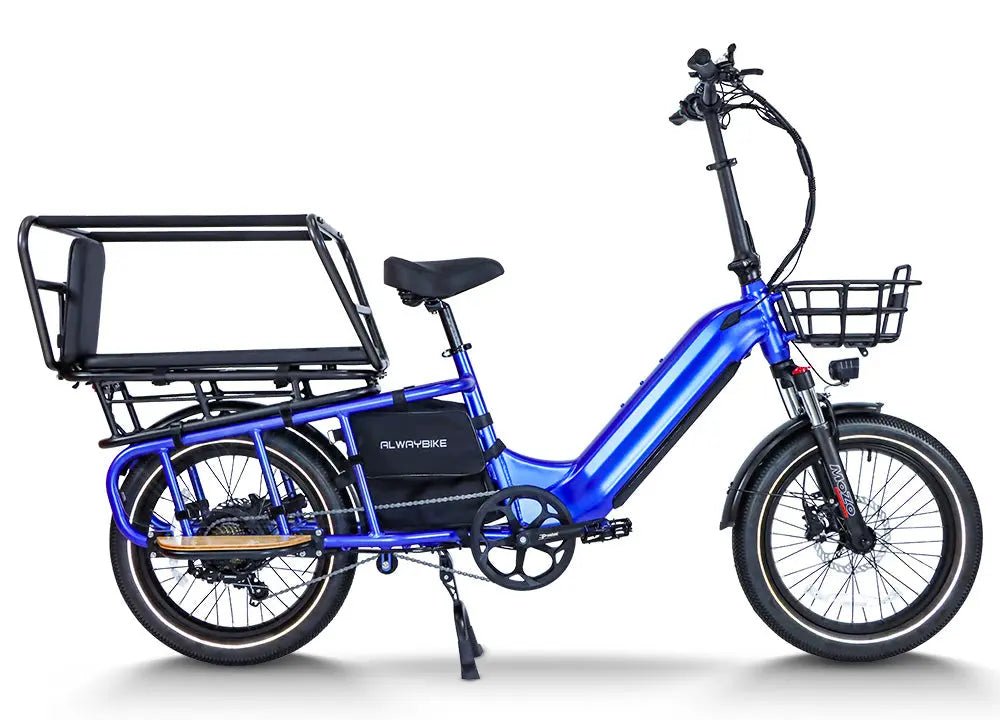
For high-volume delivery work, prioritize models with extended wheelbases and integrated cargo boxes. These configurations reduce the "pendulum effect" during sharp turns.
A Practical Stability Checklist for Fleet Buyers:
- Tracking: Does the bike maintain a straight line on uneven pavement without constant rider correction?
- Brake Sizing: Are the rotors at least 180mm–203mm with 4-piston calipers? Heavy loads require significant heat dissipation to prevent brake fade.
- Weight Bias: Does the design allow for a 60/40 or 50/50 weight distribution between the front and rear axles?
Evaluating Motor Torque and Hill Performance for Urban Routes
In the context of 2026 delivery demands, motor "wattage" is often less important than sustained torque. For routes involving frequent stops or inclines exceeding a 5% grade, a motor providing at least 80 Nm of torque is generally considered the baseline for maintaining a consistent 15–20 km/h pace under load.
While a 750W-rated motor is a common standard, the cooling capacity of the motor housing is what prevents mid-route failures. In our experience, mid-drive systems often provide better leverage for hill climbing, while heavy-duty hub motors offer simplicity and reduced chain wear. Fleet managers should test bikes on the steepest local hills with a 100% payload to ensure the motor does not enter "thermal rollback" (a safety mode that reduces power to prevent overheating).
Dual-Battery Systems for Extended Range and Reduced Downtime
A single battery is rarely sufficient for a full 8-hour commercial shift. To avoid the "range anxiety" that leads to missed deliveries, dual-battery configurations are becoming the fleet standard.
- Runtime Expectations: A dual-battery setup (typically 48V/20Ah or higher) can provide roughly 6 to 8 hours of effective runtime, though this varies significantly based on terrain, stop-start frequency, and ambient temperature.
- Charging Strategy: The choice between battery swapping and depot charging is a major operational pivot. Swapping minimizes vehicle idle time, allowing a bike to remain in service across multiple shifts.

The Importance of Standardized, Replaceable Parts for Fleet Uptime
The most expensive cargo bike is the one sitting in the shop waiting for a proprietary part. 2026 fleet trends are moving toward "Right to Repair" compatibility, favoring bikes built with modular components.
When comparing models, evaluate the "Serviceability Index":
- Standardized Connectors: Does the bike use common Higo or similar waterproof connectors for easy electrical troubleshooting?
- Off-the-Shelf Components: Are the tires, chains, and brake pads standard sizes available at any local bike shop?
- Swap Times: In a professional fleet setting, a technician should ideally be able to replace a rear wheel or a battery cradle in under 45 minutes.
Resources such as e-bike hub motor replacement guides and battery connector compatibility charts can help your maintenance team establish a standardized repair protocol.
Comparing Rugged Utility Models vs. Lifestyle Cargo Bikes
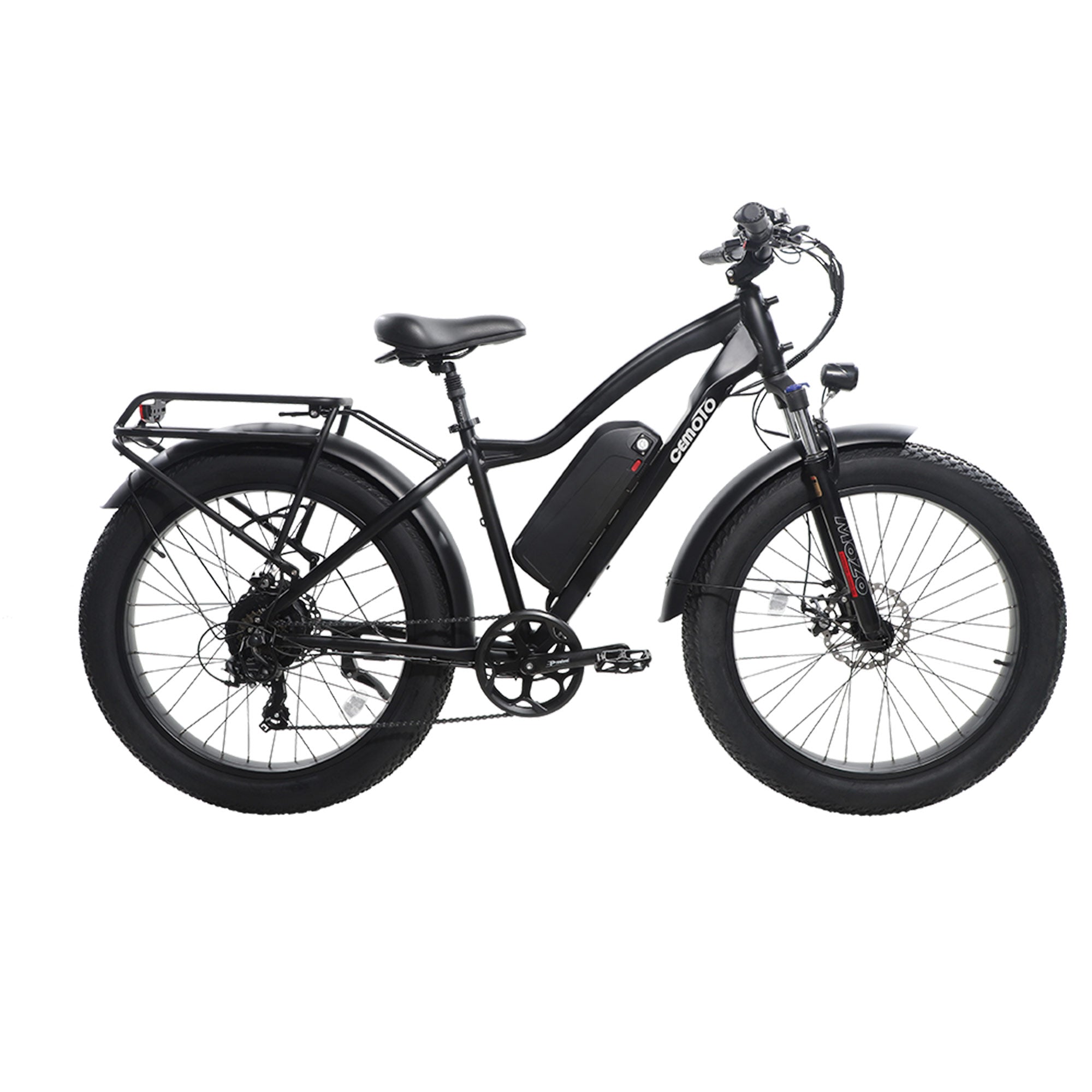
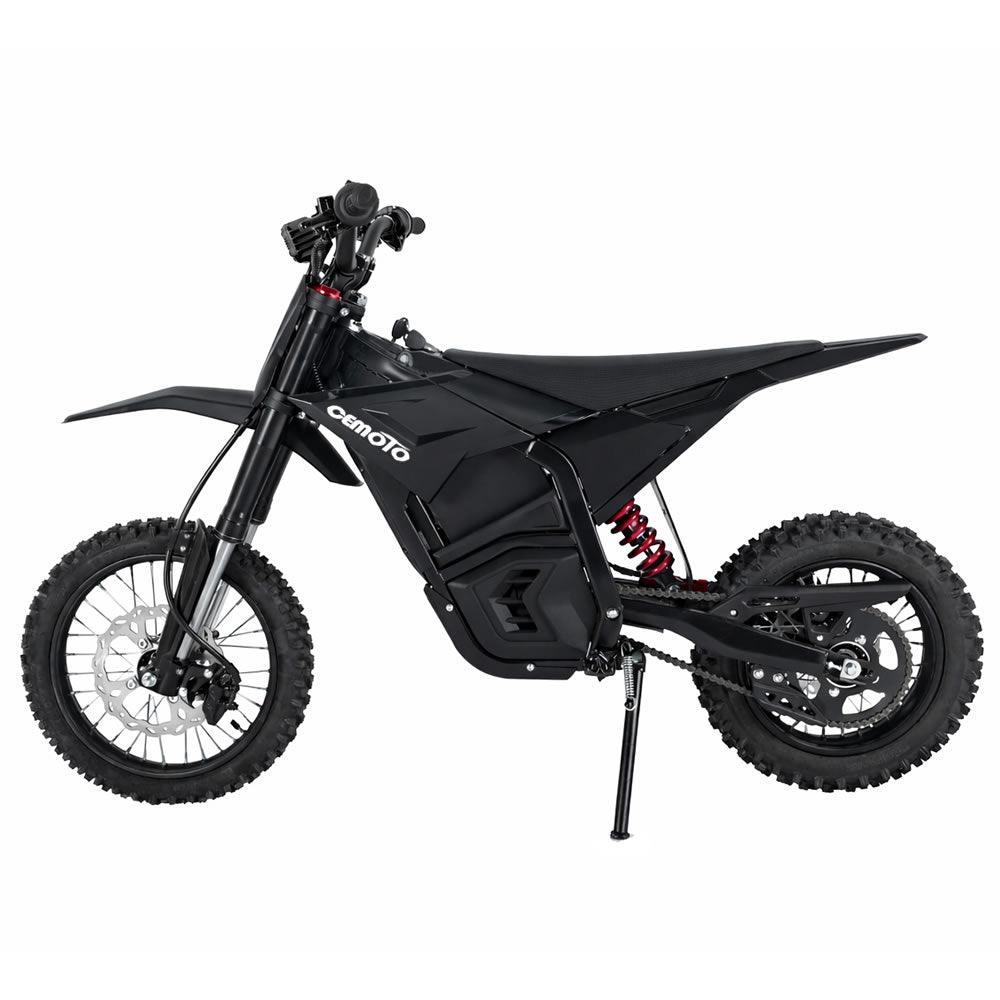
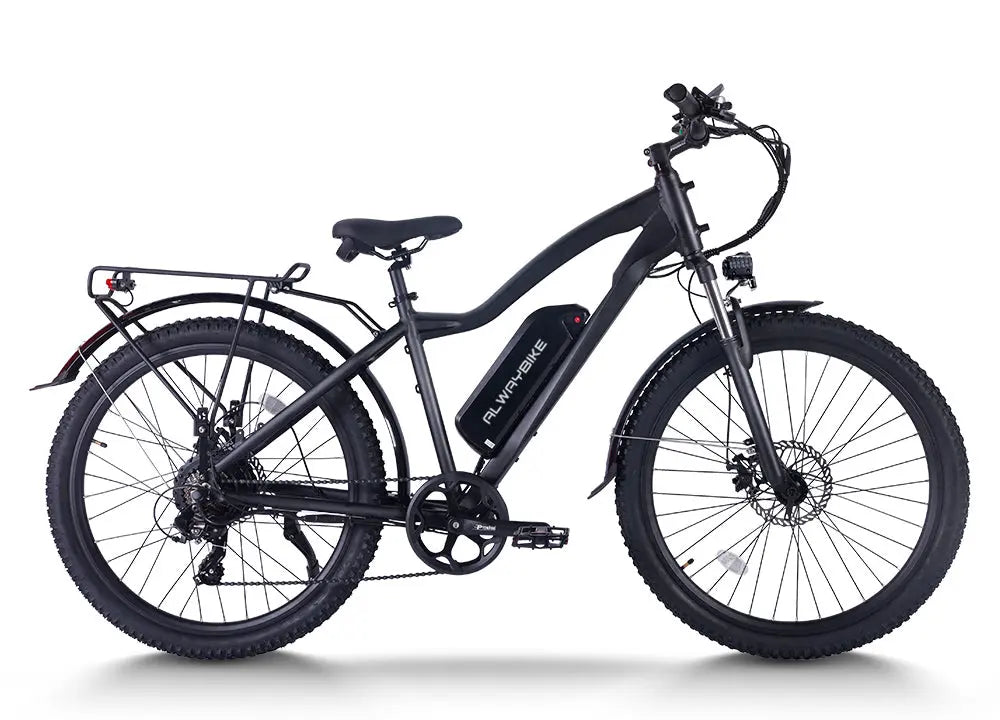
The distinction between "Utility" and "Lifestyle" is often found in the frame's fatigue rating. Utility-focused models, such as the Cemoto B69 or the 750W Heavy Duty series, are engineered for high-mileage durability rather than aesthetic minimalism.
A cost comparison between electric cargo bikes and delivery vans suggests that while the initial investment in a utility e-bike is higher than a consumer model, the TCO is lower due to reduced "Vehicle Off Road" (VOR) time.
The following table outlines heuristic thresholds used to differentiate commercial-grade performance from lighter-duty options:
2026 Cargo E-Bike Fit: Utility vs Lifestyle Trade-offs
Illustrative commercial scenario comparison. Higher is better for all four measures. Values are bounded heuristics, not official test results.
View chart data
| Category | Utility cargo bike (heuristic) | Lifestyle cargo bike (heuristic) |
|---|---|---|
| Payload capacity | 220.0 | 160.0 |
| Hill-climb torque | 85.0 | 60.0 |
| Shift runtime | 9.0 | 6.0 |
| Repairability / downtime | 4.0 | 12.0 |
Heuristic / illustrative values based on the brief's thresholds and commercial cargo-bike scenario logic: payload 200+ kg for heavy duty, torque 80+ Nm for hills, dual-battery range for 8+ hour shifts, and standardized modular parts enabling sub-30-minute swaps to reduce downtime. Not official specification data.
Note: These values are illustrative heuristics based on common fleet requirements and do not represent official certification for all jurisdictions.
How to Assess Total Cost of Ownership (TCO) for Small Fleets
To calculate a realistic TCO, look beyond the sticker price. A $3,000 bike that requires a $500 proprietary motor replacement every six months is more expensive than a $5,000 bike with a 20,000-km service interval.
Key TCO Factors:
- Battery Cycle Life: How many charge cycles before capacity drops below 80%?
- Consumables: Heavy-duty bikes eat brake pads and tires faster; factor in these monthly costs.
- Downtime Risk: If a bike is down for two weeks due to a lack of parts, what is the cost of a rental or a missed delivery contract?
Buyer Checklist: What to Evaluate Before Purchasing
Before committing to a fleet order, use this operational checklist:
- [ ] Loaded Trial: Test the bike at 100% rated capacity on a 5% grade.
- [ ] Braking Distance: Measure stopping distance when fully loaded at 25 km/h.
- [ ] Battery Swap: Can a rider swap the battery in under 60 seconds without tools?
- [ ] Parts Availability: Does the manufacturer provide a "spare parts kit" for common wear items?
- [ ] Warranty: Does the warranty cover "commercial use"? (Many consumer warranties are voided by delivery work).
Final Considerations for 2026 Fleet Deployment
Selecting the right heavy-duty cargo e-bike requires a shift in mindset from "buying a bicycle" to "procuring a light electric vehicle." By prioritizing stability under load, high-torque motor systems, and modular serviceability, small businesses can build a resilient delivery operation that thrives in the 2026 urban landscape.
Disclaimer: This article provides selection guidance based on industry heuristics and does not constitute mechanical engineering advice. Always verify technical specifications with the manufacturer and conduct independent safety testing under local conditions.
