

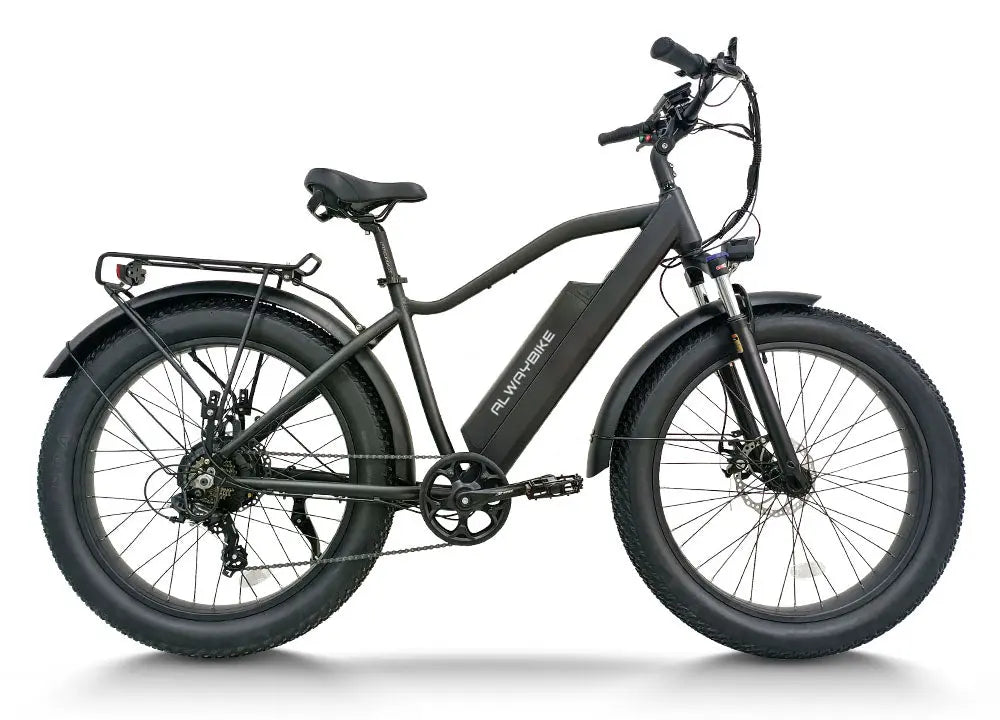
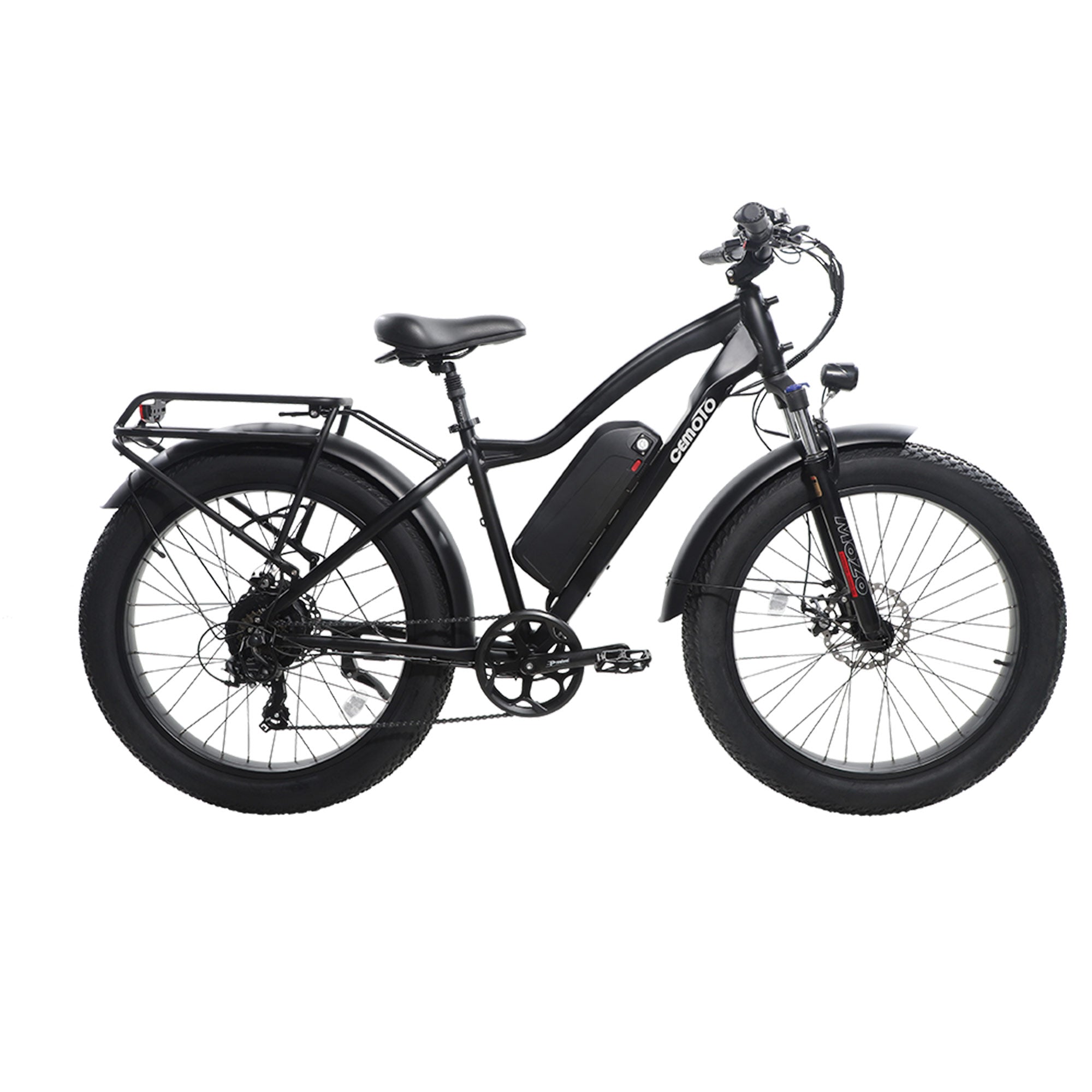
Class 3 E-Bike Rules: Check Route Access Before You Buy


Before buying Class 3 e-bikes, verify the listing, separate wattage from classification, clear every route segment, and confirm local rider obligations.
Class 3 e-bikes are not ready to buy based on a label or wattage number alone. First, verify the exact model’s assisted-speed behavior, controls, labeling, and overall vehicle category. Then check every street, bike lane, path, trail, or park segment on your planned route with the authority that controls it. A bike may fit the general description of a Class 3 e-bike and still be restricted on a particular facility.

Verify the Class 3 Claim Before You Compare Routes
Start with the exact product configuration—not a search result, category badge, or seller headline. Use these details to determine whether the listing provides enough information to research route access for Class 3 e-bikes.
- Record the exact model, trim, and configuration. Save the product-page URL, model name, configuration, and any serial number or other identifying information shown. Different versions may have different controls, labels, or speed behavior.
- Find the assisted-speed limit and cutoff behavior. The listing should explain how pedal assistance works and what the motor does when assistance reaches the stated limit. An advertised top speed is not the same as a documented assistance cutoff. The federal e-bike rulemaking overview provides background on this issue; compare it with the applicable state rule.
- Separate pedal-assist and throttle descriptions. Record whether the product uses pedal assistance, a throttle, or both, and how each control works. If the listing is unclear, ask the seller for a model-specific answer in writing.
- Find classification labeling or documentation. Look for a permanent label, a clear label photo, the owner’s manual, or equivalent model documentation. Reconcile those details with the product page and the vehicle’s overall description.
- Treat wattage as supporting information only. A 750W rating does not automatically establish Class 3 status or route permission. Federal law uses a narrower low-speed electric-bicycle definition involving fully operable pedals, a motor below 750 watts, and motor-powered speed below 20 mph. That definition is not a nationwide Class 3 or path-access rule. See the federal low-speed e-bike definition for that limited context.
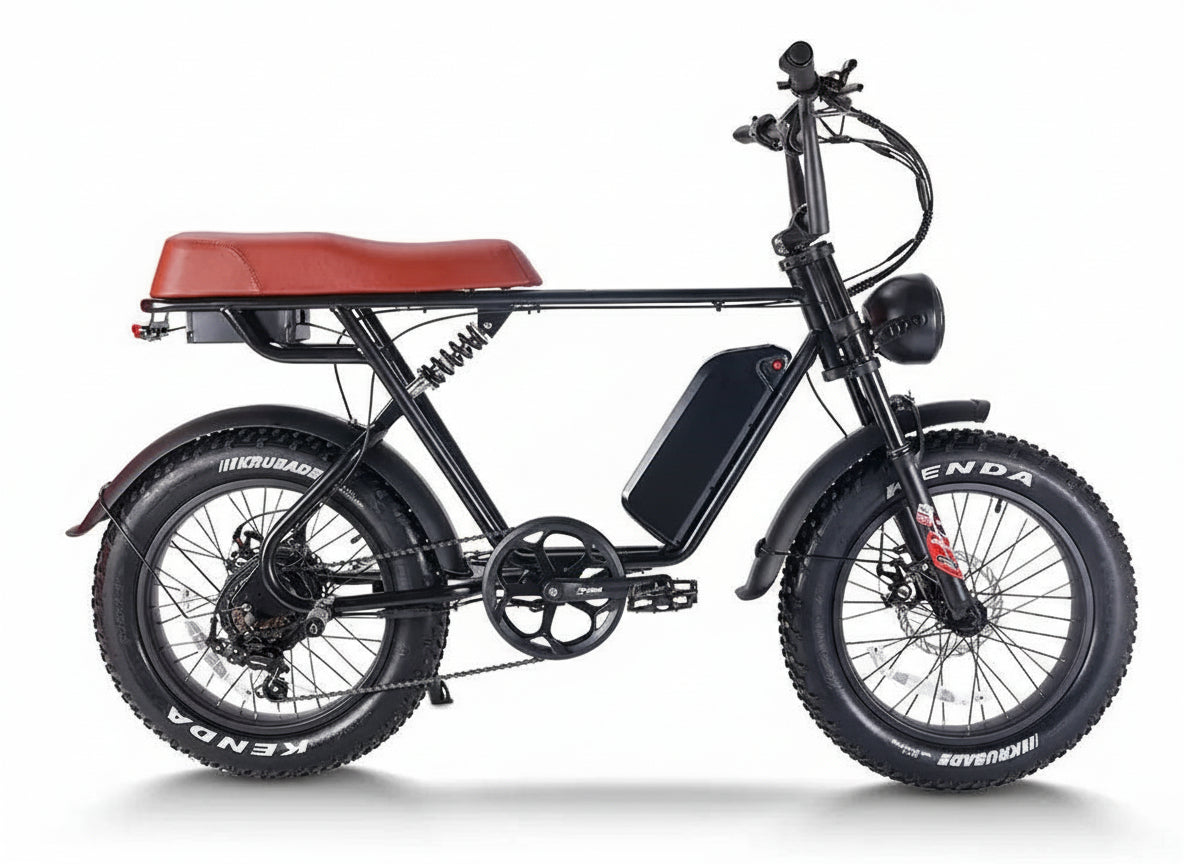
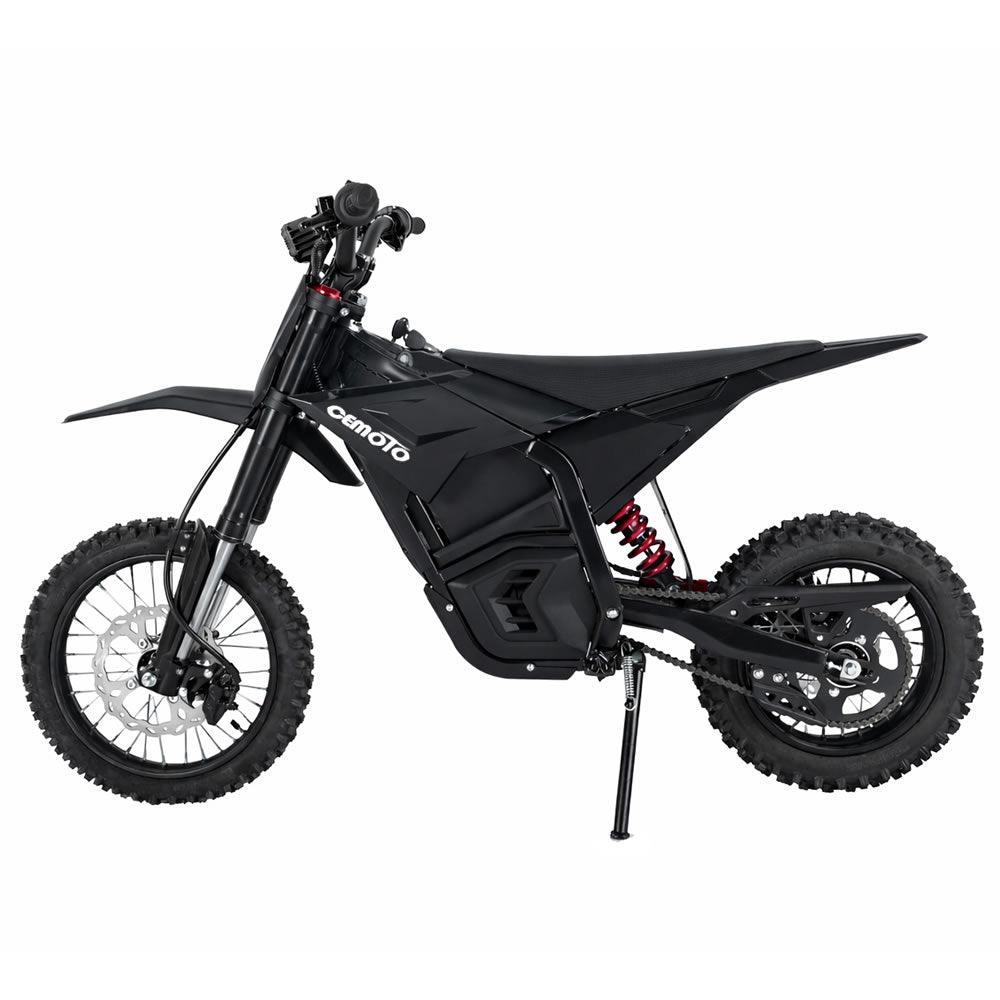
- Confirm the overall vehicle category. Dirt-bike geometry, motorcycle-like controls, high-power specifications, or language about private land and tracks may point to a different vehicle category. Do not treat a high-power e-moto or electric dirt bike as a Class 3 e-bike simply because both use electric motors.
- Pause when facts conflict or are missing. Request the label photo, manual, assisted-speed description, control behavior, and overall vehicle classification in writing. If the seller cannot provide a consistent, model-specific record, treat the product as unverified. Do not move on to route research as if the Class 3 claim were established.
A 750W listing therefore calls for reconciliation, not a shortcut.

Check Every Planned Route for Class 3 E-Bikes
Route permission is a separate purchase decision. A Class 3 e-bike may still be restricted on a bike path, shared-use path, trail, park route, or other controlled facility. The authority that controls each facility must determine access for that location.
Break the planned trip into individual segments and record the authority for each one. Include streets, bike lanes, bike paths, shared-use paths, trails, park roads, private property, and any connection managed by another agency or owner. Then check current signs and official rules using the vehicle description—not just the words “electric bike.”
| Route segment or facility | Controlling authority and question | Result and next action |
|---|---|---|
| Street or bike lane | Which state, city, or transportation-agency rule applies to this exact vehicle category? | Mark confirmed, unclear, or not permitted, and save the current rule or agency response. |
| Bike path or shared-use path | Does this facility allow the exact category, and are there posted restrictions? | Treat access as unresolved until the facility authority confirms it. Use another connection if access is restricted. |
| Trail or park route | Which park agency, land manager, or trail owner controls access, and does its rule address this vehicle? | Do not infer permission from another trail. Choose an approved alternative or reconsider the vehicle. |
| Private property or controlled segment | Does the owner or operator allow this vehicle, and are separate conditions imposed? | Obtain the owner’s answer before relying on the segment for a commute or trip. |
If a necessary segment is unclear, mark the route unresolved instead of assuming the most favorable interpretation. Ask the authority about the exact model when its controls, labeling, design, or power make it resemble an e-moto, dirt bike, or motorcycle-like vehicle. If the segment is restricted, verify an alternate route or reconsider the vehicle category before ordering. The state e-bike law overview can help identify variation, but it cannot replace a current answer from the agency, park, land manager, or facility owner that controls your route.
Confirm Local Helmet, Age, License, Registration, and Equipment Rules
There is no single nationwide answer to helmet, age, licensing, registration, insurance, identification, or equipment questions. Requirements can vary by state, city, county, agency, park, land manager, private owner, facility, and how the exact vehicle is classified. Use the table as a question list for the applicable authority—not as a claim that any obligation is universally required or absent.
| Obligation | Question for the applicable authority |
|---|---|
| Helmet | Is a helmet required for this rider, vehicle category, age group, route, or facility? |
| Minimum age | What minimum age applies, and does the rider’s age change access or equipment obligations? |
| Driver’s license | Is a driver’s license required for this exact model and intended location? |
| Registration or vehicle identification | Does the vehicle need registration, a plate, VIN, identification, or another local record? |
| Insurance | Is liability or other insurance required for this vehicle, rider, route, or facility? |
| Required equipment | Which lights, reflectors, brakes, audible warning device, and other equipment must this configuration have? |
Save the authority’s answer, date, facility, exact model, and source with your product records. Generic seller language or a product-page safety statement does not answer a jurisdiction-specific requirement. If the authority cannot clearly classify the vehicle or answer for the facility, leave that obligation unresolved and pause the purchase rather than assuming ordinary commuter-bike rules apply.
Choose the Vehicle Category That Matches the Confirmed Use
Proceed with a Class 3 commuter e-bike only when the listing details are consistent, every required route segment is compatible, and local questions about helmets, age, licensing, registration, insurance, and equipment have been answered. Pause when classification details are missing or conflicting, a necessary segment is restricted or unresolved, or the product’s design and documentation point to an e-moto or dirt-bike category.
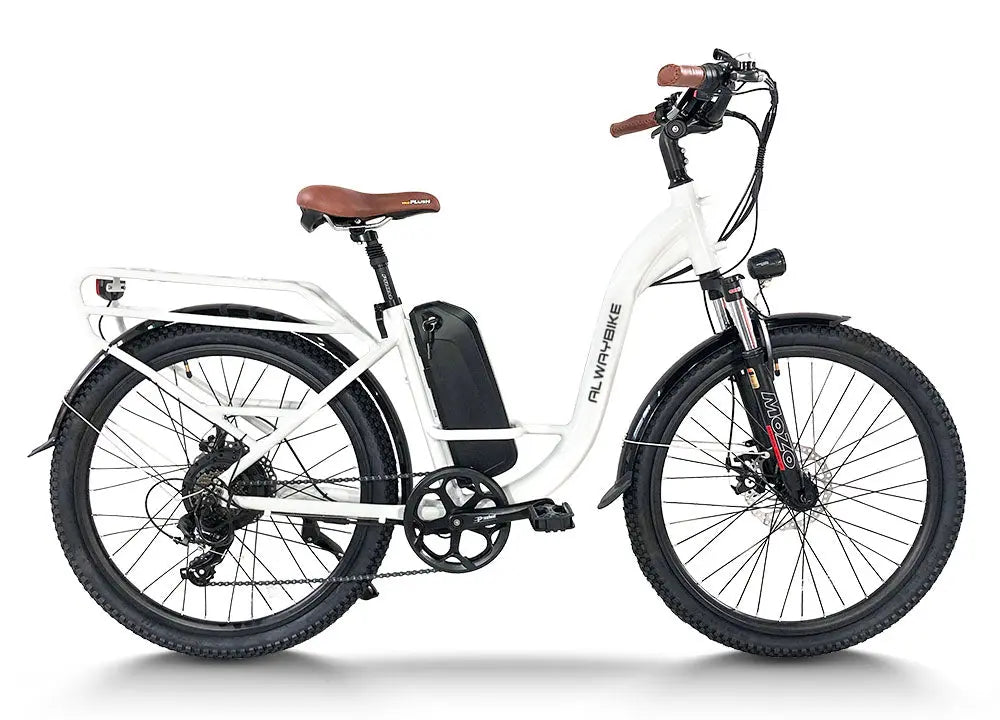
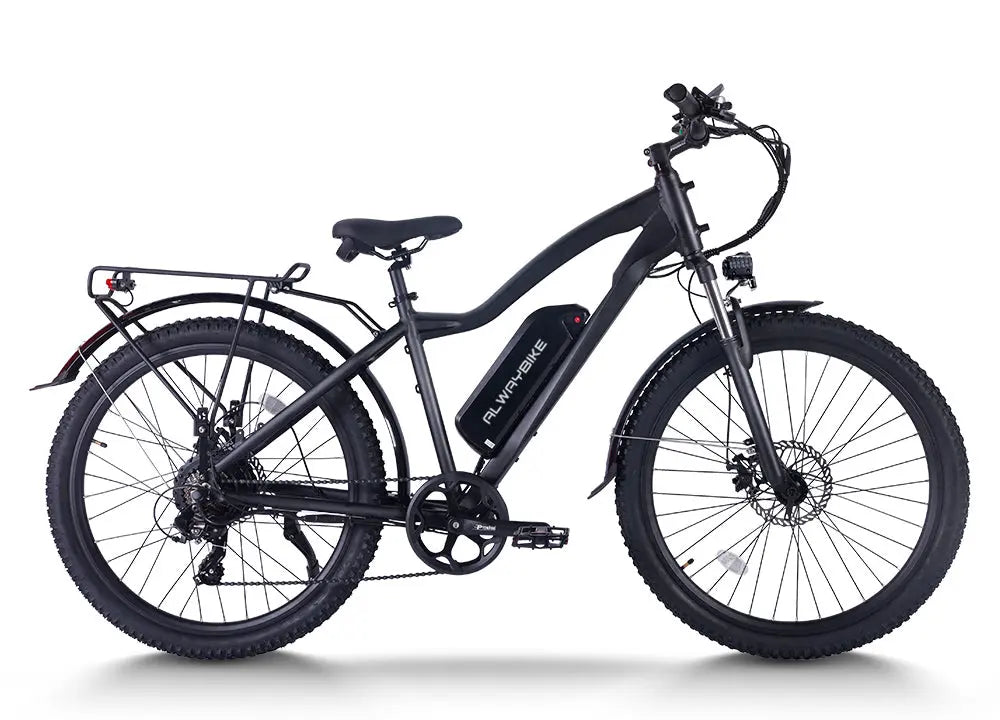
For a limited commuter comparison, the supplied EB40 product information describes a 20-mph Class 2 commuter e-bike. That makes the Class 2 commuter example useful for category comparison, not proof that it meets Class 3 requirements or access rules. Its supplied product record also contains conflicting specification wording, so do not use those disputed fields as classification evidence.
The supplied D-Series information describes a 3,000W to 6,000W off-road electric dirt bike for private land and track. Use the off-road dirt-bike example as a separate vehicle-category reference. Do not apply Class 3 commuter assumptions to its public-road, bike-path, trail, registration, or equipment treatment. Those questions require the rules governing that vehicle and location.
The final buying step is simple: save the specifications and seller responses, confirm every route segment and local obligation, and add the product to your cart only when the records align. If they do not, pause the order or choose a vehicle category whose intended use and governing rules can be confirmed.
Frequently Asked Questions
The same route-access limits apply to these common buying questions.
What makes an e-bike Class 3?
A listing should provide model-specific information about assisted-speed behavior, controls, labeling or documentation, and the overall vehicle category. A marketing badge or powerful motor description is not enough by itself. Compare that information with the applicable state and facility rules before treating the product as suitable for a planned route.
Is a 750W e-bike automatically Class 3?
No. 750W is one specification, not a complete classification result. Ask for the exact model’s classification documentation, control description, assisted-speed behavior, label or manual, and vehicle-category information. If those details conflict or are missing, pause before investigating route access.
Can Class 3 e-bikes use bike paths?
Not automatically. The answer depends on the individual path or facility, its controlling authority, and the current rule for the exact vehicle category. Check signs and official facility information before purchase, and use an alternate route if a required segment is restricted or remains unclear.
Do Class 3 e-bikes need a license or registration?
License, registration, insurance, helmet, age, identification, and equipment requirements can vary by jurisdiction, facility, and vehicle classification. Ask the applicable authority about the exact model and location, then save the answer and date with your route and product records before ordering.
