
How to Compare E-Bike Motors by Torque, Not Watts Alone


Compare e-bike torque and watts with route grade, total load, gearing, and rating conditions so you can reject weak listings and shortlist a better motor fit.
Choose a motor based on the ride you need, not the biggest wattage number. For needs involving force, such as sustained hills or a heavier combined load, start with e-bike torque. Then read e-bike motor power alongside gearing, motor layout, battery and controller context, route grade, and total rider, bike, and cargo weight. If a listing omits torque or the conditions behind its power claim, leave the comparison open until the seller provides comparable details.

Start Your E-Bike Torque Comparison With Route and Load
Start with the route grade and total load, then prioritize the motor details that match those conditions. Research on external load conditions and electric-bike route modeling supports recording slope and total mass before ranking specifications.
| Riding situation | Prioritize these documented details | Follow-up question before purchase |
|---|---|---|
| Flat or gently rolling commuting | Complete torque and wattage details, motor layout, gearing, battery and controller context, and stated capacity | Are the torque units and power-rating label stated under conditions comparable to those of the other listing? |
| Sustained or steep hills | Torque, usable gearing, the steepest and longest grade, total rider-and-bike mass, and rating or test conditions | What torque and power are available under the stated conditions at the low-speed assistance you expect? |
| Cargo or passenger use | Published capacity, torque, gearing, motor layout, battery and controller context, and the full rider-plus-bike-plus-load total | Does the documented capacity cover the actual system load, and what torque and rating conditions apply? |
| Incomplete or inconsistent claims | Exact wording of every power claim, torque and units, motor type, gearing, and missing test details | Can the seller provide the specific model's torque figure and comparable rated or continuous conditions? |
A larger number should not move a listing ahead when its label or test conditions are unclear. Complete, comparable specifications are the better starting point.
Read Torque and Watts as Different Motor Claims
Torque is the motor's turning force. Watts describe a power rating or power claim, and power depends on both torque and rotational speed, so the two figures are related but not interchangeable. Neither number alone proves how an e-bike will perform on a particular route.
This technical explanation of torque and power is useful when low-speed starts or technical climbs are part of the use case. For a force-related question, use e-bike torque as the first comparison field, then read wattage alongside motor type, gearing, route, load, assistance needs, battery and controller context, and the manufacturer's rating or test conditions.
Neither torque nor watts alone proves speed or acceleration, and neither guarantees range, hill-climbing ability, or fit for a particular rider and route. A prominent wattage claim is a reason to inspect the rest of the system, not a standalone way to rank motors. Keep e-bike motor power separate from battery energy as well: motor watts describe power, while battery watt-hours describe stored energy.
Compare the Whole Motor System, Not the Headline Number
Compare listings like for like by recording the same fields for each one. Start with the exact torque figure and units, then capture the wattage wording, motor placement, gearing, battery and controller information, stated capacity, route grade and duration, and the total rider, bike, and cargo or passenger load.
Write the real use case beside the specifications. Note whether you expect flat commuting, long grades, low-speed starts, cargo hauling, or a particular assistance level. The surrounding riding conditions determine how useful a motor claim is for the comparison.
Next, compare torque first for the force-related need and use wattage to understand the broader system claim. Record whether the page says rated, continuous, nominal, maximum, or peak power. These labels may describe different durations or operating conditions, so a larger figure should not automatically outrank a smaller, better-described one.
Set the comparison aside when two listings use different motor layouts or omit gearing, system context, or test conditions. Battery capacity and motor power are separate fields, and neither one should be converted into a promised range or hill result. Transmission research also shows why operating point and transmission context matter when interpreting motor output.
Apply the Comparison to Hills, Cargo, and Motor Layouts
The torque-first method changes emphasis with the scenario. Hills make grade, duration, low-speed support, and gearing more important; cargo makes total system load and capacity more important; and different motor layouts make the gearing context especially important.
For Hills, Compare Sustained Route Demands With Low-Speed Support
Compare the steepest and longest grades on your actual route with torque, usable gearing, combined rider-and-bike load, and any stated test or rating conditions. There is no universal torque cutoff that establishes whether every e-bike will climb every hill.
A higher wattage claim may add context, but it does not establish better climbing by itself. Without torque, gearing, or the conditions behind the claim, the available details do not establish hill fit.
For Cargo or Passengers, Start With the Total System Load
Add the rider, bike, cargo, and passenger before judging motor fit. Check the published capacity together with torque, battery and controller context, gearing, motor layout, and braking information as one system. The listed capacity is a boundary to compare with your actual load, not proof of a particular hill or speed result.
Do not apply one "best" torque number to every cargo use. Match the capacity and motor details to the real route and load.
For Hub Motors and Mid-Drives, Read Gearing in Context
When motor placement differs, compare torque with the bike's gearing and intended assistance rather than treating figures from different layouts as directly equivalent. A technical review of e-bike motor drives explains why motor placement and transmission context matter when comparing how output reaches the wheel.
Hub and mid-drive systems are not automatically better or worse in every use case. If the listing does not identify the motor type, gear system, or rating conditions, the figures are incomplete for a close performance comparison.
Verify Incomplete, Peak, or Unclear Motor Claims
A wattage-only listing is insufficient for a torque-focused comparison. Ask for the motor's torque rating and units, the exact wattage label, and the conditions used for each figure before placing it beside a more complete listing.
Record whether the page says rated or continuous, nominal, maximum, or peak power. Those labels may describe different conditions or durations, so ask what duration, cooling assumptions, battery state, temperature, and test conditions apply. Keep the figures separate unless the seller explains how they were measured.
Also confirm the specific model, motor type, gearing, battery and controller context, rider-and-load capacity, and whether the figures refer to comparable tests. If the seller cannot make the claims comparable, leave the listing out of a confident shortlist. Missing torque is a reason to ask for the specification, not proof that the motor has little torque.
Use Documented Product Facts to Shortlist a CEMOTO Fit
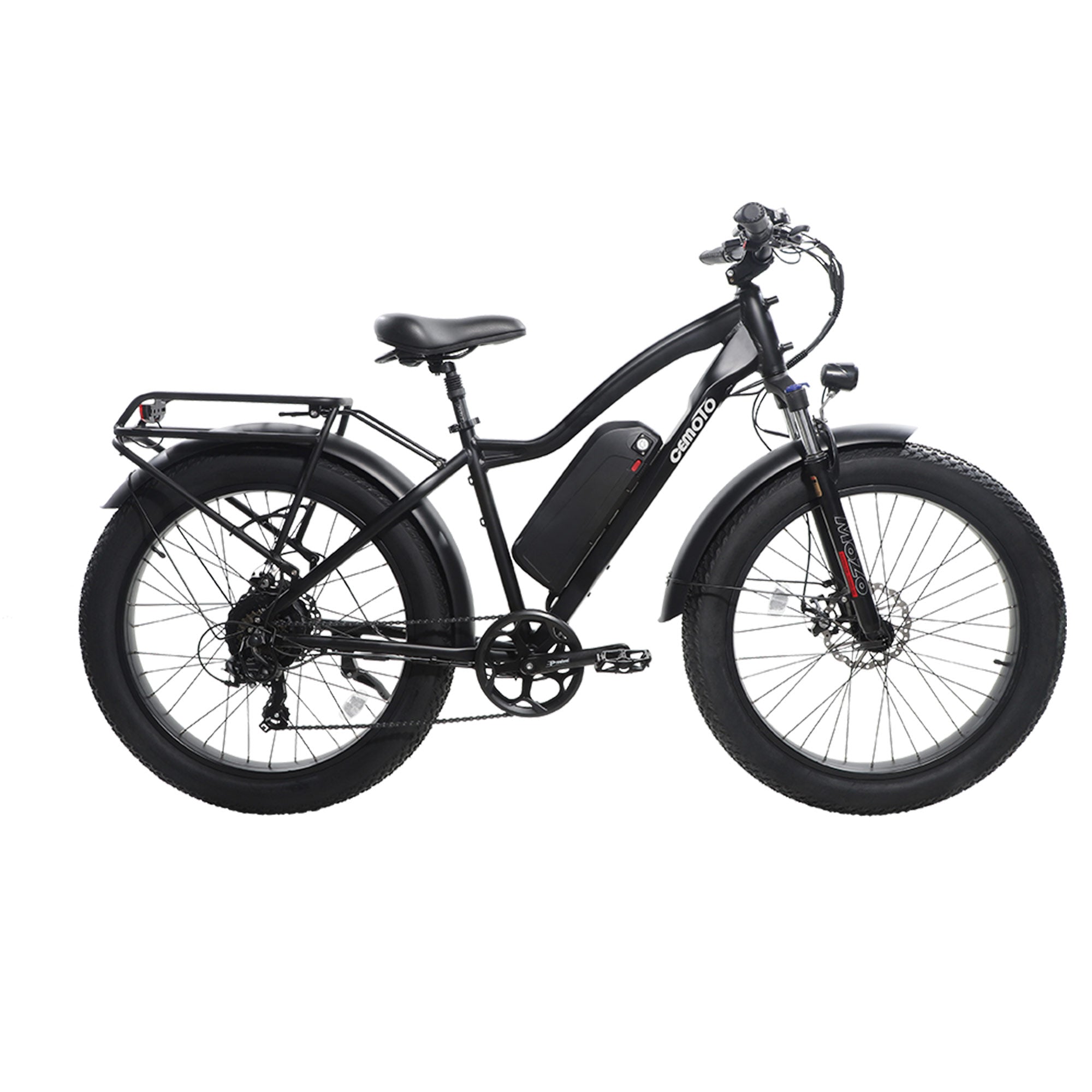
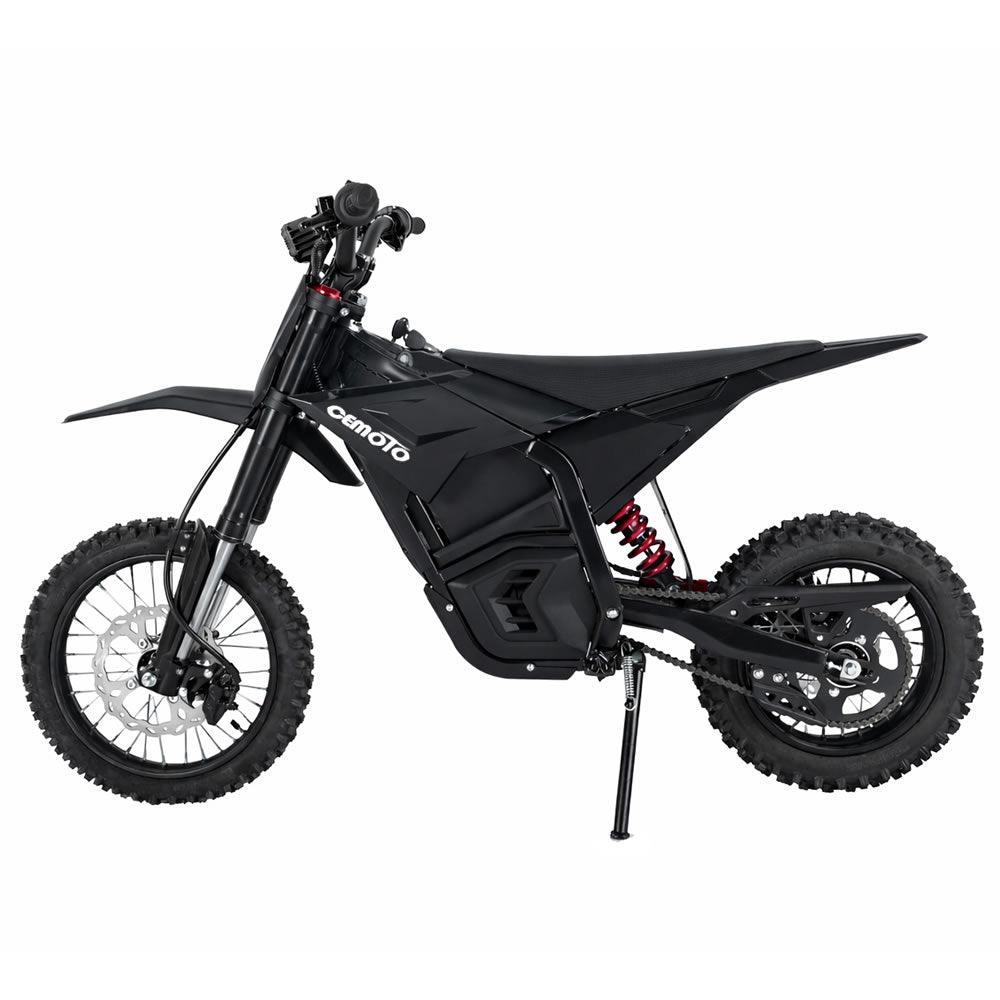
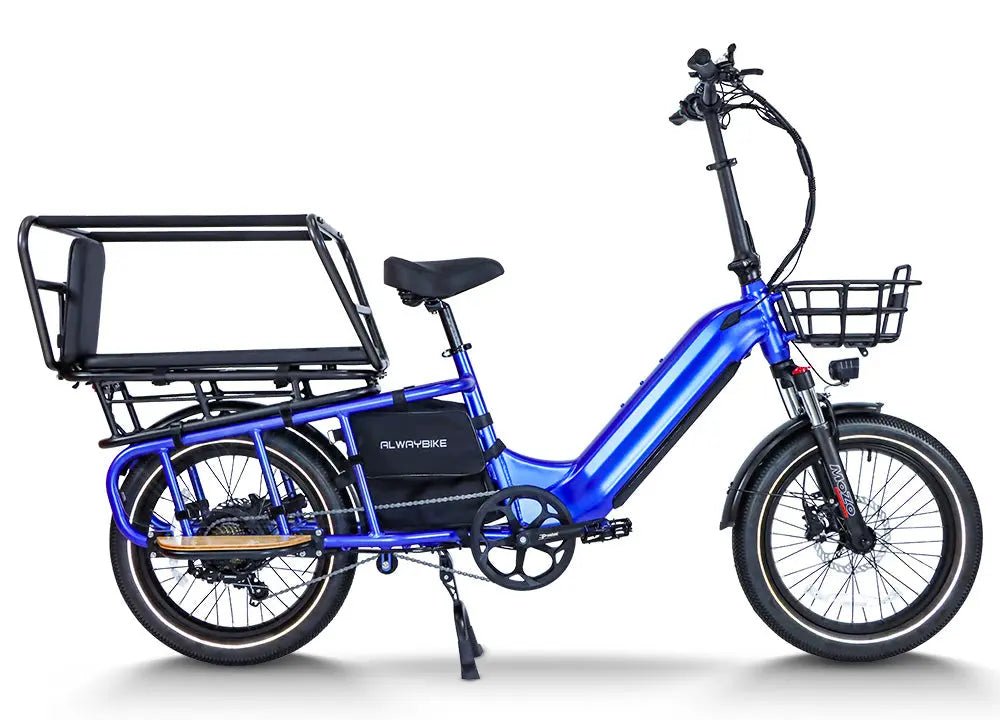
The two supplied products fit different inspection paths: the CEMOTO B69 for cargo-oriented use and the CEMOTO D-Series for private-land or track use. Their listed wattage and capacity details narrow what to inspect, but torque, gearing, motor layout, actual load, and rating conditions still determine whether the comparison is useful.
For urban delivery or family hauling, inspect the CEMOTO B69, listed as a 750W heavy-duty cargo e-bike. Its B69 specifications include a 750W brushless gear-rated motor claim, a 48V 20Ah battery, and a 150 kg load capacity. Before purchase, compare the specific model's torque, gearing, motor layout, actual combined load, route conditions, and power-rating details.
For private-land or track riding, inspect the CEMOTO D-Series, listed as a 3000W–6000W off-road electric dirt bike for teens and adults. Its D-Series specifications list 3000W to 6000W peak-power specifications for high-torque brushless motor options. Use that range only as a model-specific starting point for private-land or track comparisons, not as a universal hill, road, or public-commuting recommendation.

Use the B69 for a cargo-oriented comparison and the D-Series only for private-land or track use. Neither listed wattage figure establishes a particular grade, speed, range, or load outcome.
Put Two Listings Side by Side Before You Buy
Open the two or three product pages you are considering and fill in the same fields for each: torque and units, wattage rating type, motor placement, gearing, battery and controller context, stated capacity, route grade and duration, and total expected load.
- Remove listings that cannot provide a like-for-like comparison.
- Ask the seller for unresolved torque, power-rating, motor-layout, gearing, or test-condition details.
- Add a listing to your cart only when its claims are clear enough to compare with your intended route and total load.
Do not let the larger wattage headline decide when the conditions are unclear. Move forward with the listing whose specifications can be compared directly, while treating that comparison as a buying aid rather than a guarantee of real-world performance.
FAQs
These questions address the remaining e-bike torque and wattage choices without replacing the route, load, and listing comparison.
Is Torque or Wattage More Important on an E-Bike?
Neither replaces the other. For hills or heavier loads, start with e-bike torque, then use wattage as supporting context while checking gearing, route, total load, and rating conditions. Missing fields should prompt a seller question rather than a watts-based ranking.
How Much Torque Does an E-Bike Need for Hills?
There is no universal torque cutoff. Compare the steepest and longest grade, combined rider-and-bike load, gearing, assistance preference, and the manufacturer's stated conditions. A product-specific answer requires those details together.
Does Higher Wattage Mean an E-Bike Climbs Hills Better?
No. A higher wattage claim does not guarantee better climbing because torque, gearing, total load, motor layout, battery and controller context, and rating conditions also affect the comparison. Treat the number as context and resolve the missing fields before choosing.
