


E-Bike Battery Shipping in the US: What Owners Must Confirm


For a US e-bike battery shipment, identify the condition and configuration, confirm federal and carrier requirements, then ship, use qualified help, or stop.
An intact, identifiable e-bike battery may have a legal domestic shipping path, but e-bike battery shipping is never automatically allowed. Before buying a label, identify the battery's condition and configuration, check the applicable federal requirements, and get confirmation from the carrier you plan to use. A damaged, defective, recalled, swollen, leaking, overheated, burned, or otherwise abnormal battery should not enter ordinary shipment. Stop and get case-specific instructions instead.

Classify the Battery and Shipment Before Choosing a Carrier
First, determine whether the battery is ready for formal review. If it is intact and its identity and configuration are clear, move on to the federal and carrier checks. If its condition or essential shipping information is unclear, pause rather than guess.
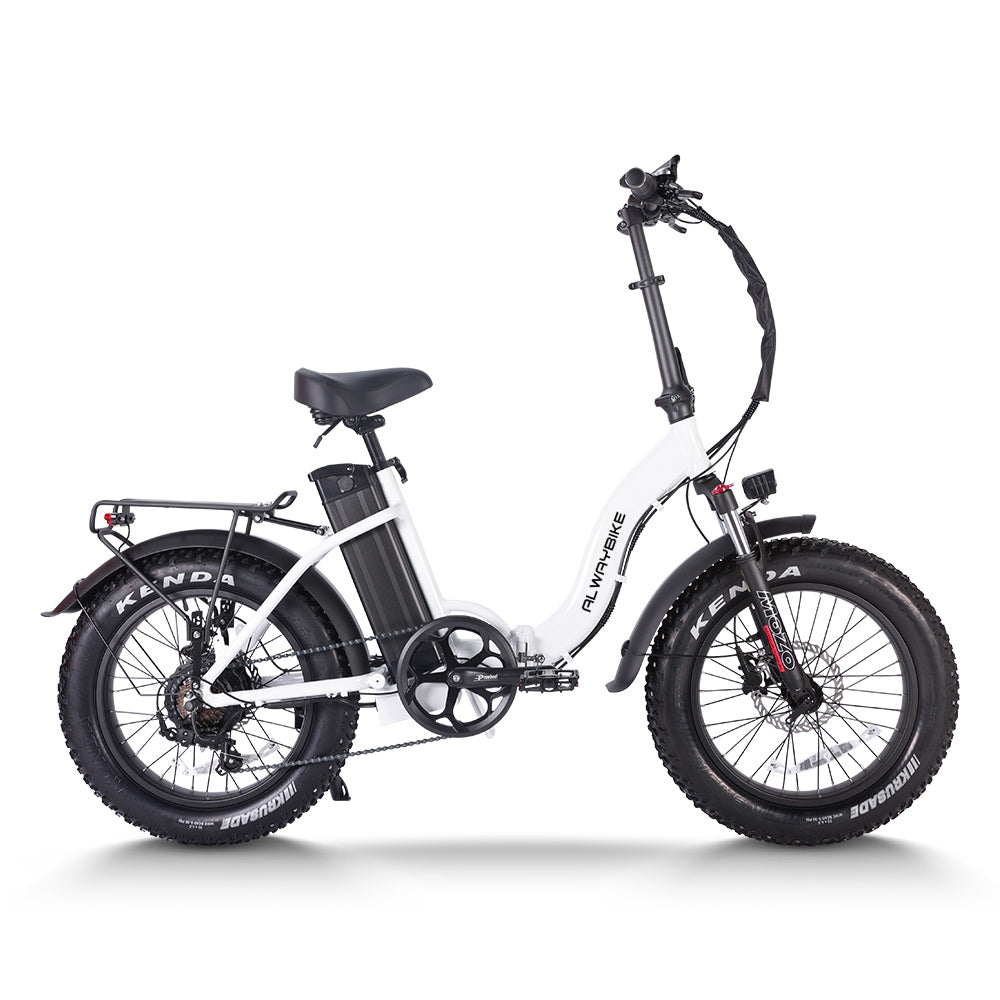
A battery installed in an e-bike and a battery shipped separately may follow different paths. PHMSA's interpretation of installed and uninstalled batteries distinguishes the vehicle or equipment configuration from an uninstalled battery. Settle the installed-versus-uninstalled distinction before choosing packaging or a carrier.
| Identify first | What to record | Why it changes the next step |
|---|---|---|
| Condition | Intact and normal, or any sign of damage, defect, recall, swelling, leakage, overheating, burning, or another abnormal condition | An abnormal battery is not eligible for the ordinary-shipment path |
| Configuration | Installed in the e-bike, packed with the bike, or shipped alone | Different configurations may use different regulatory pathways |
| Battery information | Battery identification and watt-hour rating shown on the outside case | Do not estimate missing or uncertain information |
| Shipment details | Return, warranty, refund, repair, relocation, or another purpose; domestic destination; intended transport mode | The purpose, destination, and mode affect the applicable confirmation process |
For a repair, warranty, refund, or relocation shipment, ask the manufacturer, retailer, or service provider whether it manages the return and which configuration it wants. General service guidance does not replace transport instructions.
The practical decision is straightforward: an intact, identified configuration can move to rule verification; a potentially permitted shipment that you cannot classify or prepare correctly belongs with a qualified provider; an abnormal or unresolved shipment must stop and be escalated.
Confirm the PHMSA Requirements for the Identified Configuration
Lithium batteries are hazardous materials regulated under the U.S. Department of Transportation's Hazardous Materials Regulations when offered for or transported by air, highway, rail, or water, according to PHMSA's lithium-battery guidance. For this shipment, confirm the current rule for the exact battery, configuration, and mode. Federal eligibility does not guarantee carrier, service, destination, or retail-location acceptance.
Use the current text of 49 CFR § 173.185 for lithium-cell and battery requirements. For a shipment involving an e-bike or other battery-powered equipment, also review § 173.220 when it applies to the identified configuration. The current eCFR Part 173 provisions provide the official text. Treat these references as a verification step, not as a complete classification decision for every e-bike battery.
For the exact shipping path, confirm only what the applicable rule requires. That may include eligibility, packaging performance, terminal protection, isolation, movement prevention, marks or labels, documentation, and transport-mode restrictions. Do not apply a requirement for a standalone battery to an installed battery, or a requirement for one mode to another, without checking the relevant provision.
PHMSA's overview directs shippers to the detailed requirements and warns that noncompliance can have serious enforcement consequences. If the battery's classification, rating, configuration, or required controls remain uncertain after you review the applicable rule, do not infer an exception. Ask a qualified hazardous-materials or service provider for help.
Verify E-Bike Battery Shipping: Carrier Acceptance and Transport Service
Federal eligibility and carrier acceptance are separate gates. Before paying for a label or visiting a drop-off location, ask the selected carrier to confirm the exact battery type, condition, configuration, destination, transport mode, and service.
Use the carrier's current instructions to confirm:
- whether the carrier accepts the exact shipment;
- which service and transport mode are available for the destination;
- the required inner and outer packaging, terminal protection, isolation, and movement controls;
- required marks, labels, and documents; and
- whether pickup, a staffed location, advance approval, or another tendering method is required.
UPS states that battery requirements vary by type, configuration, and size. Its battery shipping guidance is therefore an example of a carrier-specific gate, not a universal rule for every carrier or e-bike battery.
USPS provides a different example: for eligible standalone lithium-ion batteries without equipment, Publication 52 identifies domestic surface transportation and the applicable UN3480 mark and surface-only wording. Do not generalize that USPS rule to UPS, another carrier, an installed battery, or every standalone battery. Confirm eligibility and the complete current instruction before tendering.
If the carrier cannot confirm acceptance for the exact configuration, or the required hazardous-material process is beyond your capabilities, use a qualified provider instead of buying a label and hoping a retail counter can resolve it.
Prepare and Tender the Battery Only After the Path Is Approved
Prepare the battery only after confirming the applicable federal path and the selected carrier's service. A battery that looks intact is not, by itself, approval to package or tender it.
- Confirm the approved path. Match the battery condition, configuration, transport mode, destination, and service to the instructions you received.
- Protect the terminals. Use the terminal-protection and isolation method required for that exact configuration. Do not substitute an improvised method because it worked for another shipment.
- Use the required packaging. Follow the specified inner and outer packaging, cushioning, isolation, and physical-damage controls. Installed-bike and battery-only instructions are not interchangeable.
- Prevent movement. Secure the battery or e-bike as the applicable instructions require so the shipment cannot shift or suffer physical damage in transit.
- Apply required hazard communication. Use only the marks, labels, and wording required for the approved path. Complete any required documentation rather than assuming a label replaces it.
- Recheck the handoff. Confirm the package description, condition, paperwork, package integrity, and approved pickup or drop-off method immediately before tendering.
If any required control cannot be met, do not tender the shipment. Return to the carrier or a qualified provider for a compliant path. Do not use this ordinary preparation sequence for a damaged, defective, recalled, swollen, leaking, overheated, burned, or otherwise abnormal battery.
Stop Ordinary Shipment for a Damaged, Defective, or Abnormal Battery
Do not package or tender an e-bike battery as ordinary freight if it is damaged, defective, recalled, swollen, leaking, overheated, burned, or otherwise abnormal. According to PHMSA's lithium-battery guide, damaged, defective, or recalled batteries have greater potential than undamaged batteries to short-circuit, release heat, or cause a fire. The correct next step is to disclose the condition accurately and get case-specific handling guidance, not to print a faster return label.
Stop the planned shipment and describe the condition to the manufacturer, service or return provider, the selected carrier's dangerous-goods contact, or a qualified hazardous-materials professional. PHMSA describes a specialized pathway for eligible damaged or defective batteries, with specialized packaging and highway, rail, or vessel limitations. That guidance is not a DIY ordinary-shipment recipe.
UPS specifically says it does not accept damaged, defective, or recalled lithium batteries prepared under the ordinary § 173.185(f) pathway. Its separate DOT-special-permit service requires UPS preapproval and a specialized service agreement, as stated in its current DDR shipping instructions. Treat that as a restricted, carrier-approved process, not a normal consumer drop-off option.
USPS also distinguishes abnormal devices from ordinary intact shipments. Its rules state that used, damaged, or defective electronic devices containing or packaged with lithium batteries are not eligible for air transportation and may use domestic surface transportation only if they meet the applicable eligibility requirements, according to USPS Publication 52.
If the battery is smoking, burning, rapidly heating, or creating an immediate hazard, do not package or tender it. Stop and get case-specific instructions from the appropriate responsible or qualified source.
Make the Pre-Shipment Decision Before You Pay or Hand It Over
Use one of these three outcomes for the specific battery in front of you:
- Ship after confirmation: The battery is intact and correctly identified, the configuration and mode have an applicable federal path, all required controls are satisfied, and the selected carrier confirms its current service and tendering requirements. Retain the applicable PHMSA or HMR reference and any manufacturer or carrier confirmation.
- Use a qualified provider: Shipment may be possible, but you cannot determine the classification, meet the approved packaging or documentation controls, or obtain acceptance for the exact configuration. Have a qualified hazardous-materials or service provider control the process.
- Stop and escalate: The battery is damaged, defective, recalled, swollen, leaking, overheated, burned, or otherwise abnormal, or the official instructions conflict or remain unclear. Do not pay for a label or hand over the package until the responsible authority provides the next path.
That is the answer to how to ship an e-bike battery in the US: do not begin with a box or carrier. Begin with the battery's condition and configuration, complete the federal and carrier checks, and escalate whenever the battery or instructions do not support ordinary shipment. Before paying or handing it over, use the documented result for this exact shipment. If every required control and carrier acceptance is complete, follow the approved tendering method; if not, pause and contact a qualified provider or responsible source.
Frequently Asked Questions
These questions cover the condition, federal, and carrier checks that shape the shipping decision.
Can I ship an e-bike battery in the US?
Possibly, if the battery is intact, correctly identified, and matched to an allowed configuration, transport mode, federal pathway, and carrier service. A damaged or abnormal battery must not enter ordinary shipment. Confirm the exact path before buying a label.
How do I package a lithium-ion e-bike battery for shipping?
Package it only after the applicable PHMSA and carrier instructions approve that exact configuration. Follow their required terminal protection, isolation, movement and damage controls, marks or labels, and documents. Do not improvise when a requirement is unclear.
Can a damaged e-bike battery be shipped?
Do not place it in ordinary shipment. Stop packaging and tendering, describe the condition accurately, and contact the manufacturer, service provider, carrier dangerous-goods contact, or a qualified hazardous-materials professional for the approved next step.
What should I confirm before sending an e-bike to a repair shop?
Ask the repair shop whether it wants the battery installed, removed, or handled through its own return process. Then confirm the condition, configuration, transport mode, applicable federal requirements, and carrier acceptance before handoff.
Sources
These official sources support the federal, carrier, and abnormal-battery boundaries above. Use the current applicable guidance for the exact shipment rather than treating this list as shipment-specific approval.
- PHMSA: Transporting Lithium Batteries
- PHMSA Interpretation 21-0037
- PHMSA: Lithium Battery Guide
- eCFR: 49 CFR Part 173, Subpart E
- UPS: How to Ship Batteries
- USPS Publication 52
