

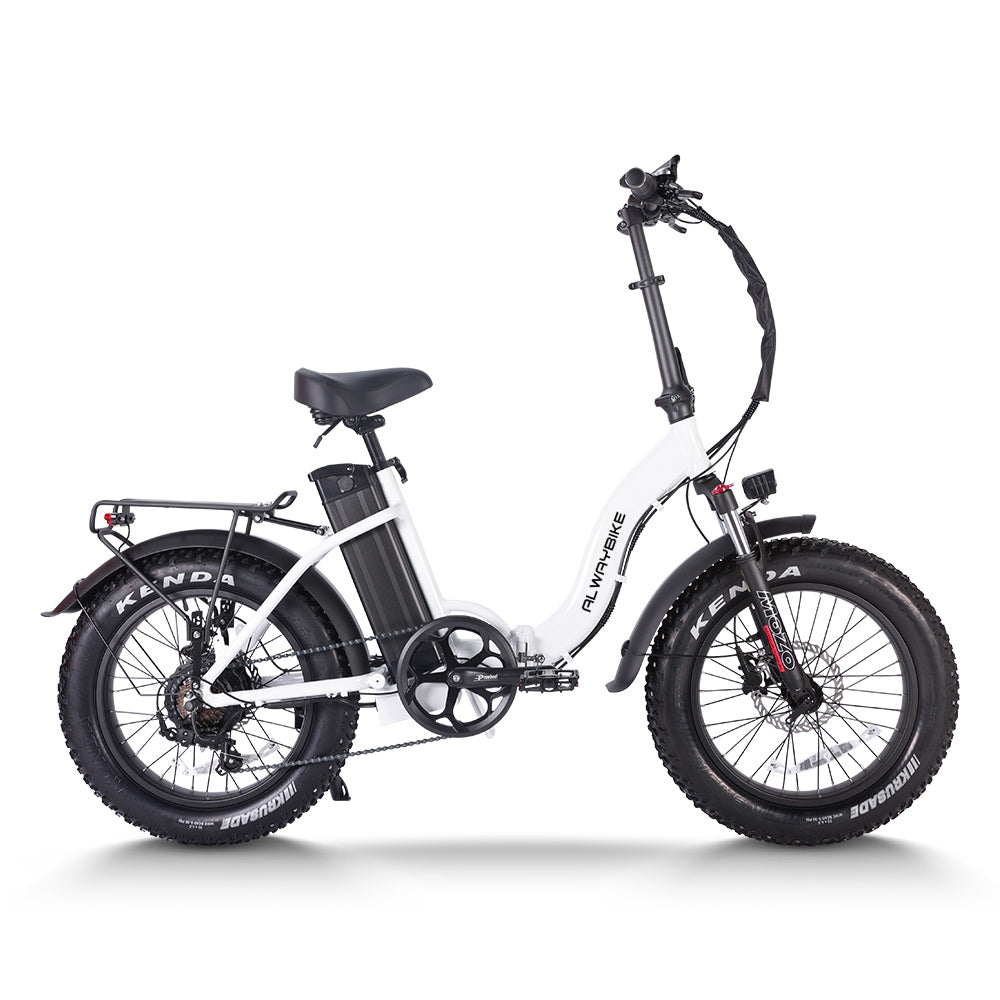

E-Bike Battery Storage by Temperature, Charge Level, and Location


Plan e-bike battery storage with model-specific charge guidance, temperature checks, a dry visible location, and a clear inspection routine before reuse.
E-bike battery storage is safest when you start with the exact battery or bike manual, match its storage-charge guidance to how long the battery will sit, and choose a dry, visible location within the stated temperature range. Inspect the battery and charger before charging or riding again. This guide covers the battery only—not whole-bike parking, range, charging-system installation, or garage organization.

Start with the manufacturer's storage instructions
The first step in e-bike battery storage is to find the instructions for the exact battery or bike model. They cover storage temperature, charge level, removal, charging conditions, and the steps for putting the battery back into service. The U.S. Consumer Product Safety Commission's micromobility guidance also directs owners to follow the manufacturer's charging instructions.
Before putting the battery away for a season, note five details from the manual: permitted storage conditions, storage charge level, whether the battery should be removed, charging conditions, and any inspection or recheck instructions. Do not substitute a universal temperature or percentage for a missing model-specific value.
Assess the actual space rather than relying on its label. A garage, shed, apartment, vehicle, or indoor bike area can have very different levels of heat, cold, moisture, sunlight, and impact exposure. Choose a dry, visible location that fits the manual, then follow the charge guidance for the actual storage period. Inspect the battery and charger before the next ride or charge.
Decide whether winter cold or a hot garage requires relocation
Temperature affects your storage decision when the actual environment falls outside the battery or bike manufacturer's stated conditions. Storage and charging after exposure are separate decisions, so do not assume that a battery can be charged simply because it was stored in the same place.
How to store an e-bike battery in winter
For winter storage, compare the garage, shed, vehicle, or other cold location with the model's cold-storage instructions. If the space does not meet those conditions, move the battery to a suitable location identified by the manual. A decision about cold storage does not automatically determine whether charging is allowed afterward.
After cold exposure, follow the model's return-to-use instructions before charging or riding. A normal appearance alone does not show that the battery is ready. If the manual is unavailable or does not address the situation, defer the charging decision and seek guidance from the manufacturer or a qualified service provider.
E-bike battery storage in a hot garage
A hot garage is suitable only when its actual conditions stay within the model's storage limits. Check for direct sunlight, heat from nearby equipment, repeated temperature swings, and exposure similar to that inside an enclosed vehicle. Shade may not solve a problem if the location repeatedly becomes excessively hot.
If the garage or another heat-exposed space falls outside the manual's conditions, move the battery. NFPA's E-Bike and E-Scooter Safety Tips advises avoiding extreme temperatures and direct sunlight. Use that general guidance alongside—not instead of—the exact model instructions.
Temperature decision matrix
| Actual exposure | Manual comparison | Next action |
|---|---|---|
| Winter, freezing, or rapidly changing cold | Check storage conditions and post-exposure charging instructions | Keep the battery there only when conditions fit; otherwise move it or defer charging |
| Hot garage, direct heat, or strong sunlight | Check storage limits and heat-related charging conditions | Move the battery when actual exposure falls outside the manual |
| Enclosed vehicle or other uncontrolled space | Check the full exposure, not the location label | Use a more suitable location or defer the next step until permitted |
Use the model-specific charge level for the storage period
There is no single storage percentage that applies responsibly to every e-bike battery. The correct charge level depends on the exact model and on whether the battery will sit between rides or through a longer seasonal period. Use the battery or bike manual instead of automatically storing every battery full, nearly empty, or at the same percentage.
For short between-ride storage, follow the manual's routine instructions for that interval. For seasonal storage, use its longer-term charge guidance and any stated recheck or maintenance schedule. If the instructions vary by storage duration, choose the one that matches how long the battery will actually remain stored.
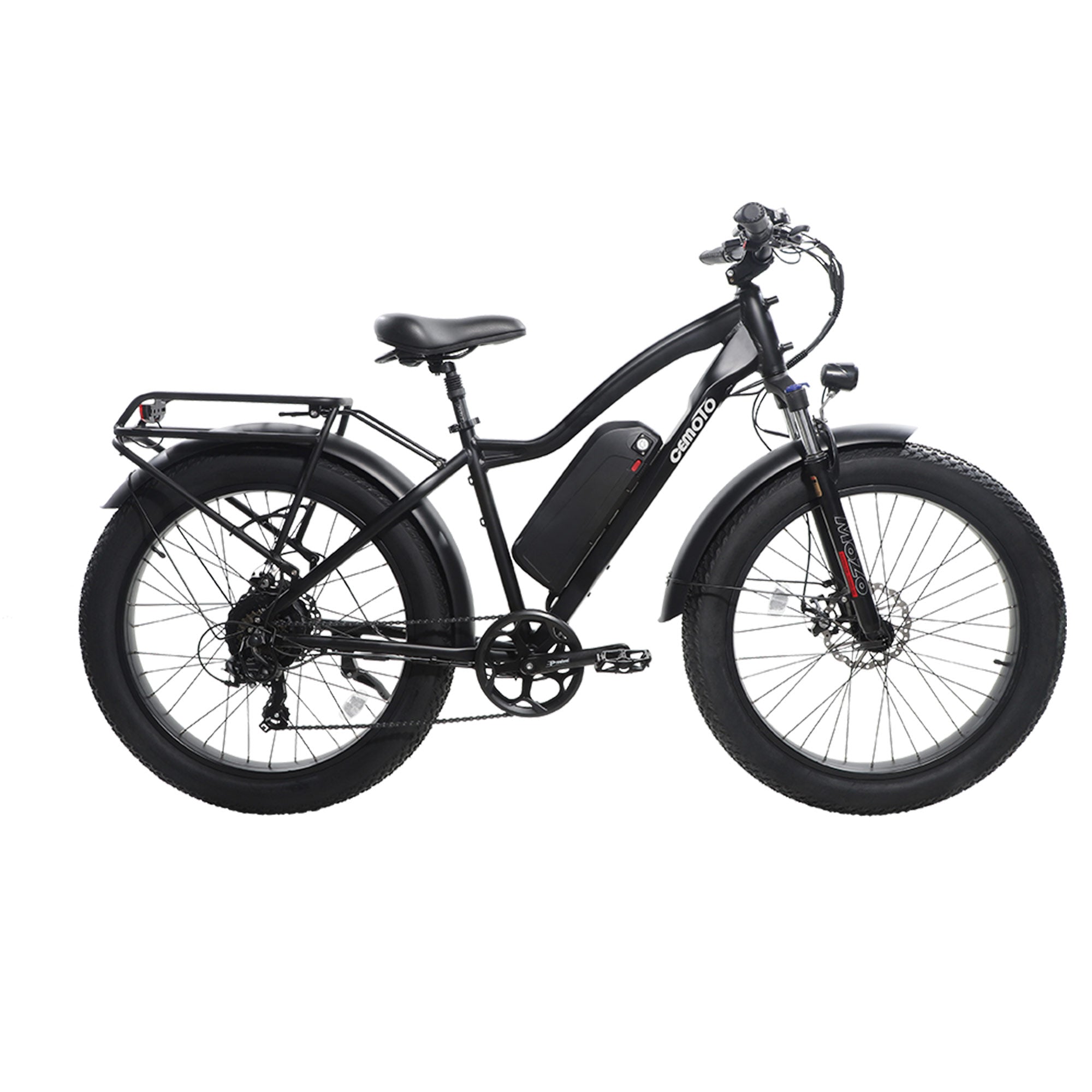
Record the storage-period category, required charge level, and any recheck instructions with the model information. This helps prevent a short-term routine from being reused for seasonal storage without checking. The available information does not establish a CEMOTO-specific percentage, interval, or seasonal schedule, so do not infer one from another manufacturer's battery.
If you cannot find the applicable instructions, contact the manufacturer or a qualified service provider before choosing an exact charge level. The next step is to resolve the model-specific requirement—not guess a number.
Choose a dry, visible location with controlled exposure
Choose the driest, most stable, visible location available that fits the model's instructions. A suitable spot protects the battery from liquids, condensation, direct sunlight, extreme heat or cold, impact, and household activity that could hide damage. It should also avoid blocking an exit or obstructing a path out of the room.
Assess the location before removing or securing the battery. Look for roof or plumbing leaks, damp floors, condensation, sunlight that reaches the battery, nearby heat sources, falling objects, and places where the battery could be knocked over. Keep it away from open flames and wet areas. Do not assume that an apartment, garage, shed, container, or outdoor space is safe based on the name alone.
Visibility makes changes in the battery easier to notice and helps prevent it from being forgotten behind household storage. Impact protection should prevent knocks without trapping moisture or adding heat. Use a cover or enclosure only if it is consistent with the manufacturer's instructions; do not improvise an airtight or heat-retaining container.
For a potentially flooded battery, ordinary drying or relocation is not a return-to-use procedure. The U.S. Fire Administration's flooding guidance says not to charge potentially flooded lithium-ion batteries and directs people away from smoke or gases, with fire-department notification in those conditions.
Remove, inspect, and supervise charging before reuse
Use this routine whenever you put the battery away or bring it back into service. Removal, charging, and return-to-use details remain specific to the model.
- Identify the battery design. Determine whether the battery is removable or intended to remain mounted on the bike. If it is removable, follow the manual's removal steps. If it is bike-mounted, do not force it off or improvise a removal method.
- Read the applicable instructions. Confirm the model's storage temperature, storage charge level, charging conditions, removal procedure, and return-to-use requirements for the actual storage period.
- Prepare the location. Place or secure the battery in the selected dry, visible spot, protected from liquids, direct sunlight, impact, extreme exposure, and blocked exits. If the battery stays on the bike, secure the bike-side area according to the manual.
- Inspect before charging or riding. Examine the housing, contacts, cable, and charger for visible damage, wetness, swelling, leakage, unusual heat, odor, discoloration, smoke, gas, popping, or hissing.
- Stop for an abnormal or flooded battery. Do not charge or continue using a battery that is hot, wet, visibly damaged, swollen, leaking, discolored, unusually odorous, smoking, emitting gas, popping, hissing, or otherwise abnormal until qualified manufacturer or service guidance confirms the next step. Do not dry, open, test, repair, or reuse a potentially flooded battery on your own. If there is smoke, gas, popping, or hissing, move away and contact the local fire department.
- Use specified charging equipment. Connect only the supplied charger or a replacement confirmed by the manufacturer for that exact device. A connector that fits does not prove compatibility, as explained in the CPSC warning about universal micromobility chargers.
- Stay present during charging. Charge only under the model's stated conditions, remain present, and disconnect when the charge cycle is complete. CPSC guidance says not to charge micromobility products while sleeping or away from home and to use the supplied or manufacturer-approved charger.
- Record the routine. Note the model, storage-period category, charge instruction, removal direction, and return-to-use condition so the same model-specific process is available before the next seasonal or between-ride storage period.
If the battery passes the condition check, the charger is confirmed compatible, and the manual permits charging under the actual conditions, proceed while present. If any of those conditions is unresolved, leave the battery out of service until the correct guidance is available. For general abnormal-battery context, NFPA's lithium-ion battery guidance advises stopping use for signs such as unusual odor, excessive heat, popping, swelling, or discoloration.
The practical next step is to locate the exact manual now and write down its storage and charging conditions beside the battery's usual storage location. Repeat the inspection before each return to service, especially after winter cold, heat exposure, moisture, or a long seasonal pause.
FAQ
How should I store an e-bike battery in winter?
Compare the actual cold location with the model's storage conditions. Move the battery when required, use the model's seasonal charge guidance, and follow its instructions before charging or riding after cold exposure.
Can I store an e-bike battery in a hot garage?
Only if the actual heat and other exposure remain within the manufacturer's storage limits. Direct sunlight, repeated temperature swings, or excessive heat can make relocation the better choice even when the garage is convenient.
Should I remove the battery for storage?
It depends on the battery design and manual. Remove a removable battery only according to the manufacturer's procedure and when the storage plan calls for it. Do not force a bike-mounted battery off the bike.
What charge level is best for storing an e-bike battery?
The correct charge level depends on the exact model and storage period. Use the battery or bike manual for between-ride versus seasonal storage instead of relying on a universal percentage.
