

How to Choose an E-Bike Repair Shop for an Online Purchase


Before buying online, compare an e-bike repair shop’s system support, battery policy, parts path, labor terms, and seller warranty responsibilities.
Before placing an online e-bike order, contact a nearby e-bike repair shop with the exact model and system details. Separate routine mechanical work from motor, controller, display, wiring, diagnostics, charger, and battery-related service. A general “yes” to e-bike service is useful only if it covers the work you may actually need. Record whether each answer is clear, conditional, or refused, then proceed, verify the missing fact, or choose another shop or bike.

Ask an E-Bike Repair Shop These Questions Before Ordering
A focused call should test the candidate bike, not just the shop’s general experience. Ask these questions and record the answer beside each one.
- Accepted work: “Do you accept this exact online model? Which routine mechanical work do you handle, such as brakes, tires, wheels, chain, or drivetrain?” That answer defines the shop’s mechanical scope; it does not establish electrical support.
- Exact-system compatibility: “Do you recognize this motor and electrical system? Do you accept its motor, controller, display, wiring, charger, and communication or diagnostic issues?” A clear system-specific answer supports the next step; “bring it in and we’ll see” is conditional.
- Diagnostics and information: “What diagnostic access, software, technical information, labels, or manuals do you need before accepting the work?” If information is missing, make it a specific follow-up task.
- Parts and responsibility: “Who identifies and sources compatible parts? Do you install customer- or seller-supplied components, and what responsibility applies to those parts?” A usable parts path matters as much as a willing technician.
- Battery-related policy: “Which battery-related work do you accept, refuse, or refer for this system? What intake requirements apply?” An unclear answer leaves battery support unresolved.
- Labor and intake: “Is inspection or diagnosis handled separately from repair labor? How is labor approved, and how must an online-purchased bike be brought in?” Cost is job- and shop-specific, so ask about the relevant factors instead of relying on a universal price.
- Seller and warranty boundaries: “Who supplies warranty parts, authorizes the work, and pays for or performs local labor?” A seller warranty does not automatically establish local labor coverage.
Use the answers to sort the candidate into a workable path, a named follow-up, or a reason to keep shopping. Clear support across the categories supports proceeding. A limited answer identifies the fact to resolve. Refusal of work you may need, or the absence of a workable parts and documentation path, points toward another shop or bike.

Prepare the Candidate E-Bike’s Service Profile
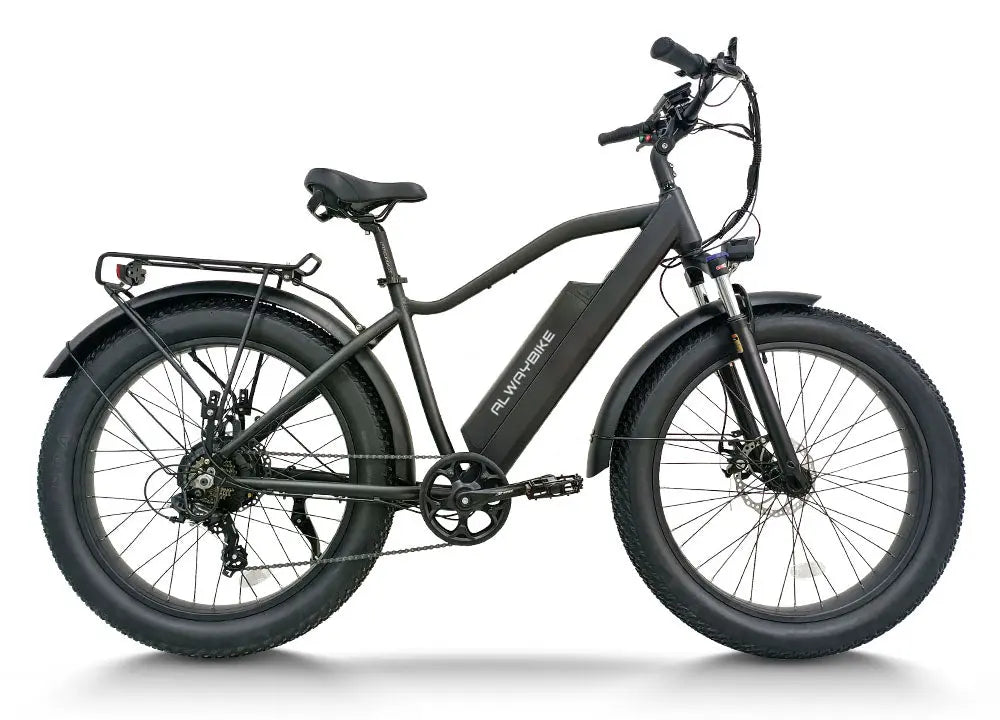
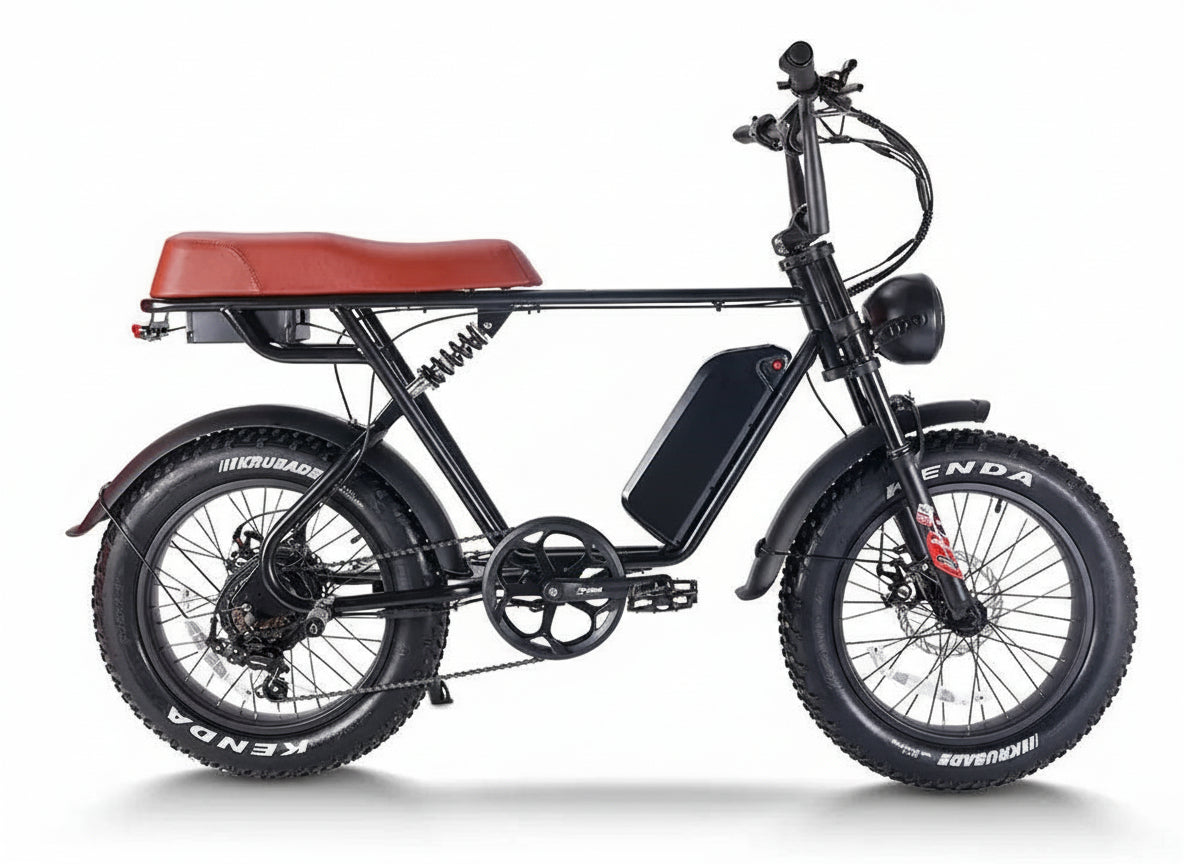
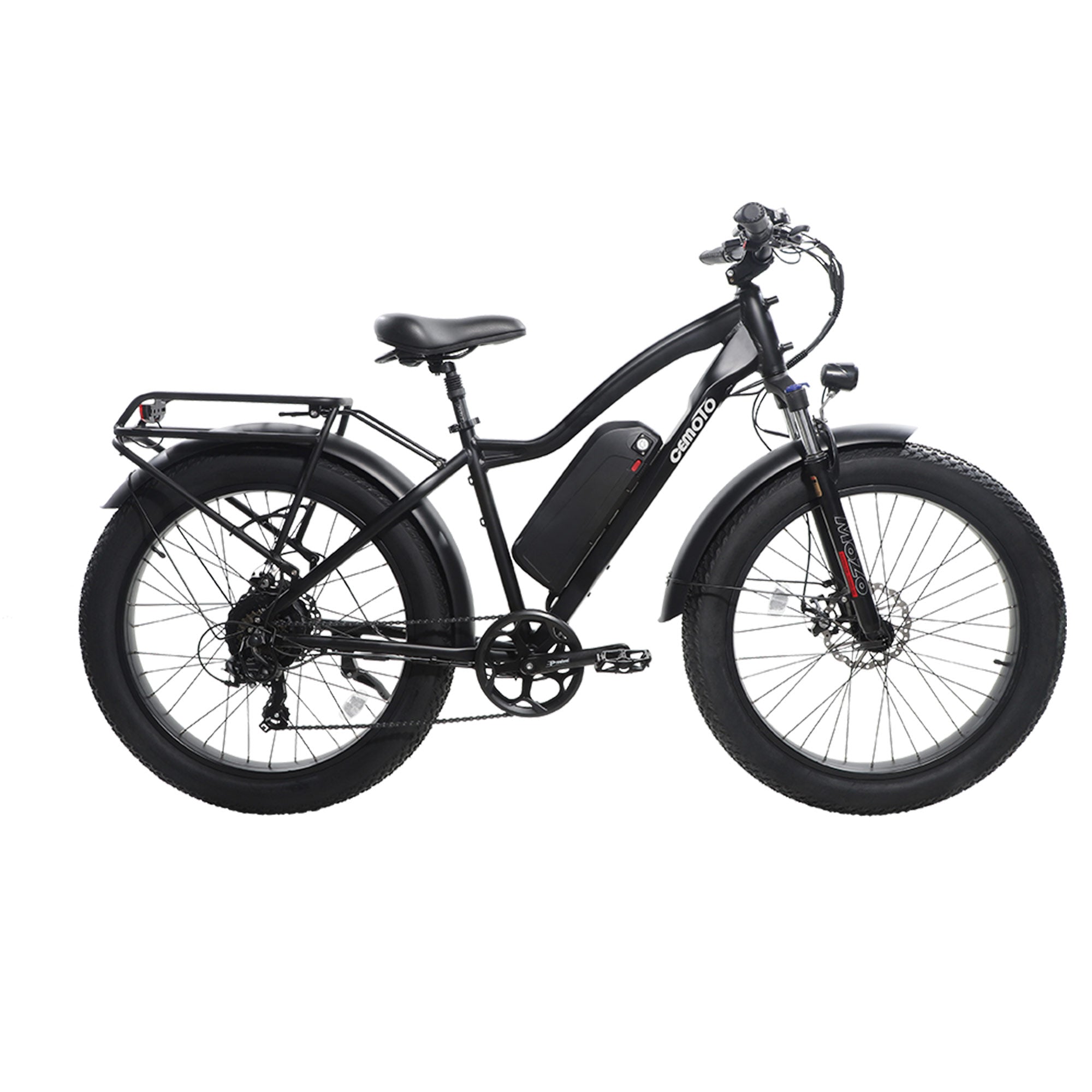
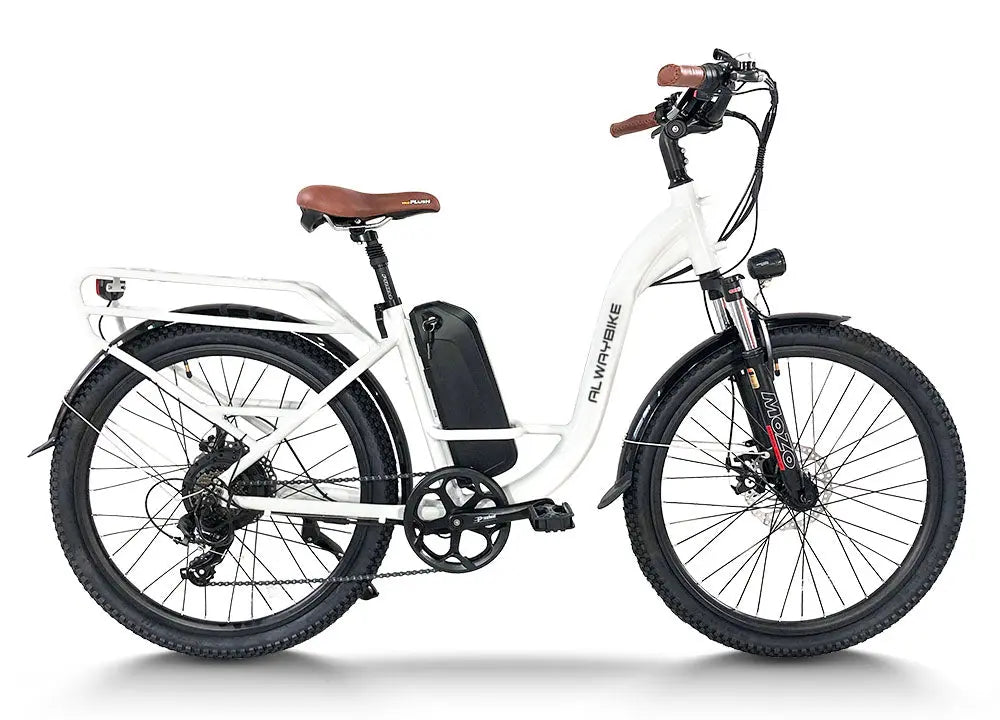
Before calling, build a service profile from information the seller actually provides. Write down the exact model and version, then collect available motor, battery, display, controller, charger, wiring, and system-label details. Add photos, manuals, service documents, parts information, warranty terms, and the seller’s support contact.
List missing identifiers as unknown rather than guessing. Seller specifications describe the candidate bike, while the shop must assess its own service scope. Separate the work you may need into mechanical, diagnostic, motor or controller, display or wiring, charger, battery-related, and warranty categories. This lets the shop give a narrower answer than “we work on e-bikes.”
Use this repairability checklist to flag proprietary parts and battery-replacement questions before asking the shop about support. It helps organize the service conversation, but it does not establish compatibility with any particular shop.
Confirm Motor, Electrical, and Diagnostic Compatibility
A shop that accepts brakes, tires, chains, or other bicycle work may still lack a service path for the candidate’s electrical system. Ask whether it has worked on the exact motor and system, accepts the work only after inspection, or refers specific electrical categories elsewhere.
Ask separately about the motor, controller, display, wiring, charger, communication faults, and diagnostic process. Some branded systems use system-specific diagnostic access or trained service personnel. For a Bosch-specific example, Bosch describes trained specialist dealers and its professional DiagnosticTool for reading e-bike information, loading software updates, and making individual adjustments. That example applies to Bosch systems, so ask about the candidate system’s own diagnostic path.
Record each category as accepted, referred, refused, or conditional on inspection or documentation. If the shop confirms only mechanical work, you have not confirmed complete e-bike service. The purchase has a workable local path only when the accepted categories match the problems you reasonably expect to handle locally.
Check Parts, Documentation, and Seller Support
A willing technician still needs a usable information and parts path. Ask who identifies compatible mechanical and electrical replacement parts, who supplies them, and who takes responsibility if a customer- or seller-supplied component does not fit or cannot be supported.
Request the shop’s requirements for manuals, wiring information, part numbers, diagnostic information, and seller contacts. Keep the seller’s warranty terms and support contact with those documents so you can compare them with the shop’s labor and intake response. For batteries and chargers, ask who approves replacement components for the exact system. The CPSC’s battery-charging guidance provides background for that question, but it does not determine whether a particular component fits your system.
Proceed only when the shop and seller give you a practical identification, supply, and responsibility path. A general accessories listing cannot establish fit, availability, or repair-shop acceptance.
Clarify Battery, Labor, and Intake Policies
Battery-related work deserves a separate policy answer because routine mechanical service does not establish battery acceptance. Ask whether the shop accepts battery inspection, testing, replacement, referral, or other battery-related work for the candidate system. Also ask which work it refuses and what intake requirements apply to the bike or battery.
Keep the conversation at the policy and referral level. The CPSC’s micromobility battery guidance provides safety background for treating battery scope as a distinct service boundary. Manufacturer rules can also be system-specific. Bosch says opening its e-bike batteries is reserved for qualified, trained personnel, which is why you should ask about the shop’s battery-opening and qualified-service boundaries, rather than request a generic promise to “fix the battery.” That Bosch rule is an example for that system, not a universal rule.
Ask whether inspection or diagnosis is billed separately, how repair labor is approved, and what responsibility applies to customer-supplied components. No single repair price or standard fee is supported here. If the shop cannot explain its battery-related acceptance or referral process, treat that missing answer as a purchase condition to resolve.
Resolve Refusal and Online-Purchase Warranty Boundaries
Interpret a shop’s answer by the work it covers, not by whether it says it works on e-bikes. A clear yes covers the mechanical and electrical categories you may need and explains the relevant parts, diagnostic, battery, intake, and labor boundaries. Save that response, preferably in writing.
A limited yes is different from approval. Mechanical-only service, an unfamiliar system accepted only after inspection, a customer-supplied-parts condition, or a need for seller documentation each identifies a fact to resolve before ordering. Compare the saved seller warranty terms with the shop’s response rather than assuming the seller warranty covers local labor.
A refusal matters when it covers work you may reasonably need, such as system-specific electrical or battery-related service. The same is true when the bike cannot be identified or there is no usable documentation, parts, intake, or seller-support path. In that situation, a general service promise is not enough for local support.
Choose Whether to Proceed, Verify Further, or Walk Away
The final decision is categorical: proceed when the needed support is confirmed, verify further when one named fact could change the answer, and choose another shop or e-bike when the required service path is refused or unusable. Keep the shop’s responses and seller terms with the purchase record.
| Answer status | What is confirmed | Unresolved condition | Buyer action |
|---|---|---|---|
| Clear support | The shop confirms a workable path for the exact system and expected mechanical, electrical, diagnostic, parts, battery, and labor categories. | No decision-changing condition remains. | Proceed while retaining the shop response and seller terms. |
| Conditional support | The shop accepts some work or needs a label, manual, inspection, seller part, or warranty clarification. | The named fact could change acceptance or responsibility. | Verify that fact before ordering. |
| Refusal or unusable path | Needed electrical or battery-related work is refused, or the system, parts, documentation, or intake path cannot be established. | The required support path is not workable. | Choose another shop or bike rather than assuming support. |
If one detail is missing, get that exact confirmation from the shop or seller before placing the order. If the needed condition cannot be resolved, do not treat the candidate as locally supported. This is the practical way to choose an e-bike repair shop before buying: match the shop’s confirmed scope to the bike’s actual system and your likely ownership needs.
FAQ
These answers address the service and purchase questions that commonly remain after the shop conversation.
Will a local bike shop repair an online e-bike?
Possibly, but the answer must come from the shop’s policy for the exact model and system. Ask separately about mechanical work, electrical diagnostics, battery-related service, parts, and online-purchase intake. A general yes or no about online bikes is not enough to establish support.
How much does e-bike repair cost?
There is no universal figure supported here. Ask whether inspection or diagnosis is billed separately, how labor is approved, who supplies parts, and what rules apply to customer- or seller-supplied components. Treat any quote as specific to that job and shop.
What should I ask an e-bike repair shop before buying online?
Ask what exact systems and work categories the shop accepts, what diagnostic and documentation path it uses, how parts are sourced, what battery-related work is refused or referred, and how warranty labor is handled. Request the one missing answer that could change your purchase decision.
Will an e-bike repair shop work on the battery or electrical system?
Mechanical acceptance does not establish battery or electrical support. Ask whether the shop accepts, refuses, or refers battery, charger, motor, controller, display, and wiring work for the candidate system. If its battery process is unclear, resolve that condition before ordering.
