

Electric Bike With a Bench Seat: Who Needs the Extra Length?


See when an electric bike with a bench seat earns its extra length, then check passenger approval, load limits, storage, and local riding rules.
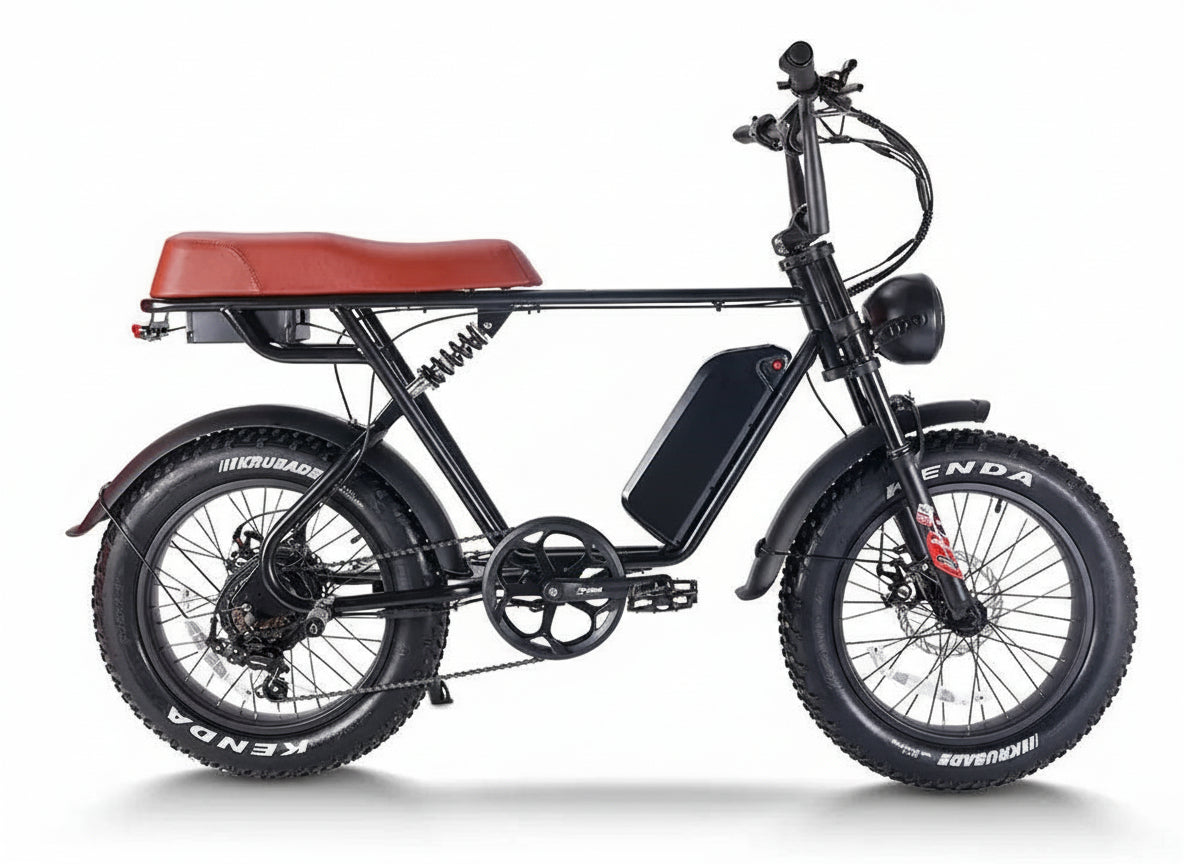
An electric bike with a bench seat is most useful when you regularly need a longer shared loading or seating area for bulky cargo, work gear, or an expressly permitted passenger. Extra length is not automatically an invitation to carry someone: the specific product must authorize that configuration, meet combined-load and component limits, and comply with the rules where you ride. If you mainly commute alone and carry compact loads, a standard commuter is usually the simpler fit. Choose a purpose-built cargo setup when dedicated passenger protection or frequent high-volume hauling is central to your needs.

Which electric bike setup fits your use case?
Choose a standard commuter for compact solo use, a bench-seat utility bike when a verified, recurring need for shared loading or seating justifies the extra length, and a purpose-built cargo setup for dedicated passenger or high-volume cargo demands. The bench-seat option takes up more space and requires additional handling, configuration, and permission checks, so choose it only if you can store and manage the complete bike. Independent cargo-bike coverage describes an extended rear section as space for transporting cargo or passengers, but that category description does not establish passenger approval for a specific bike.
| Setup | Best fit | Main trade-off | What to verify |
|---|---|---|---|
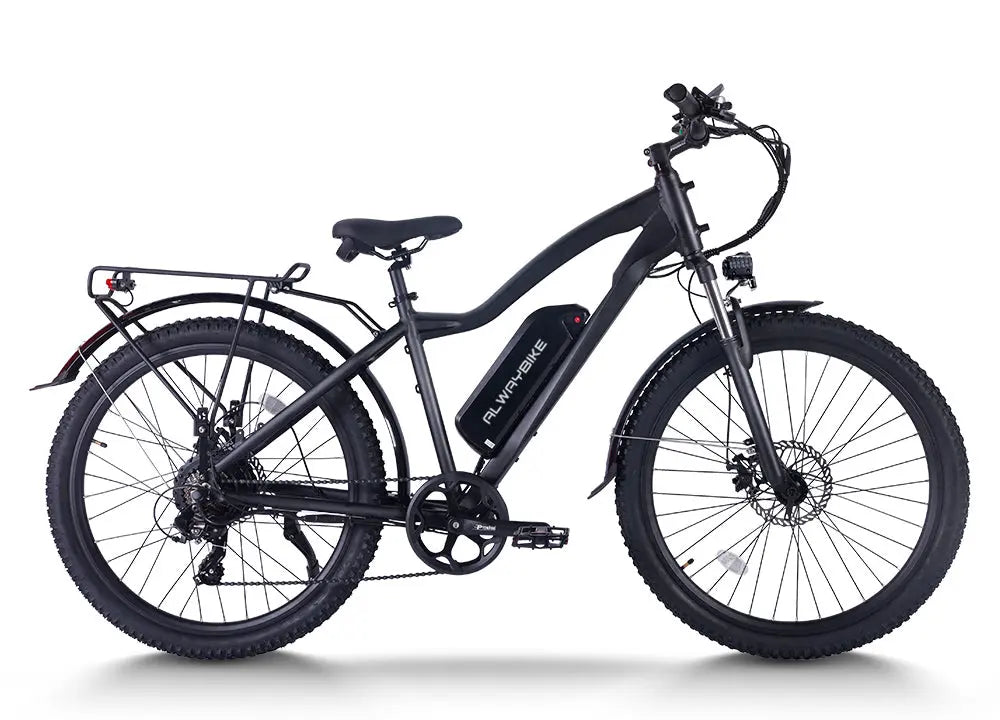
| Standard commuter | One rider with light personal cargo | Less room for bulky or shared loads | Confirm solo fit, storage, and rack limits |
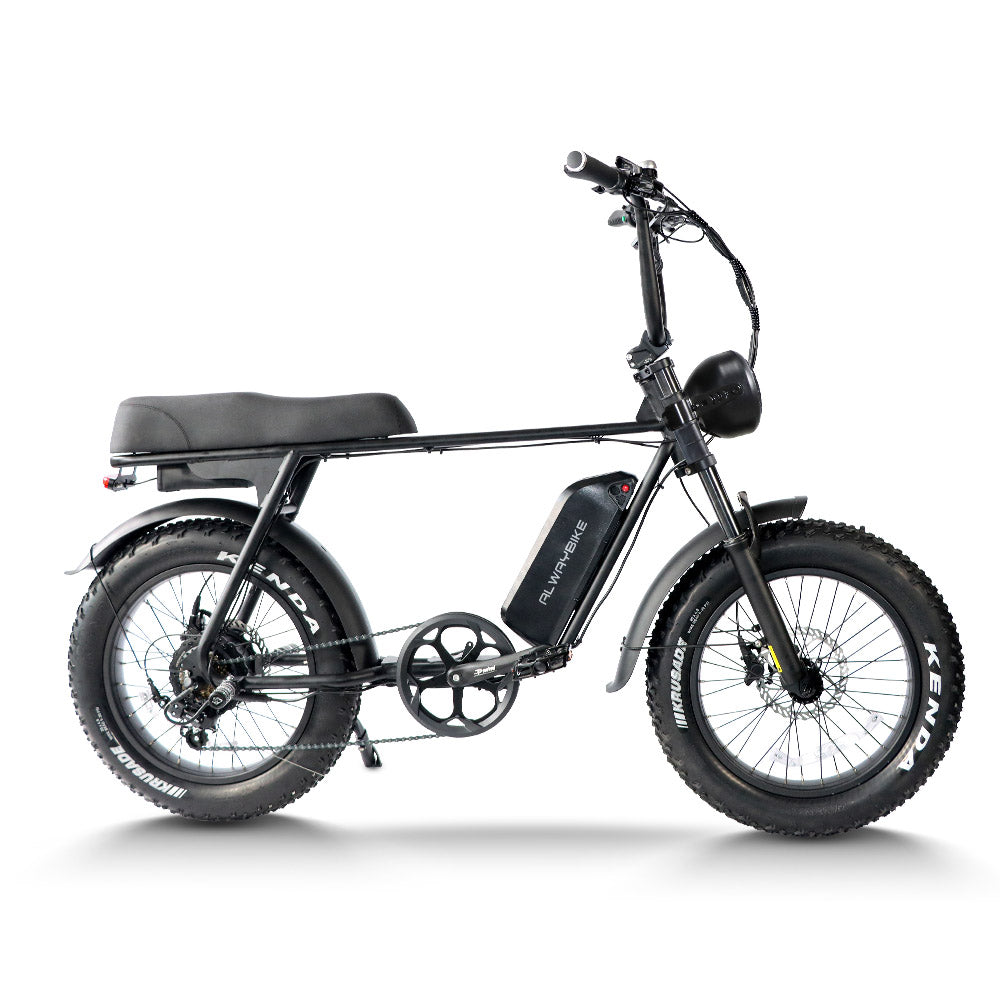
| Bench-seat utility bike | A recurring household or work need for a longer shared loading or seating area | More length, space requirements, and configuration questions | Confirm dimensions, total and component limits, equipment, and any passenger permission |
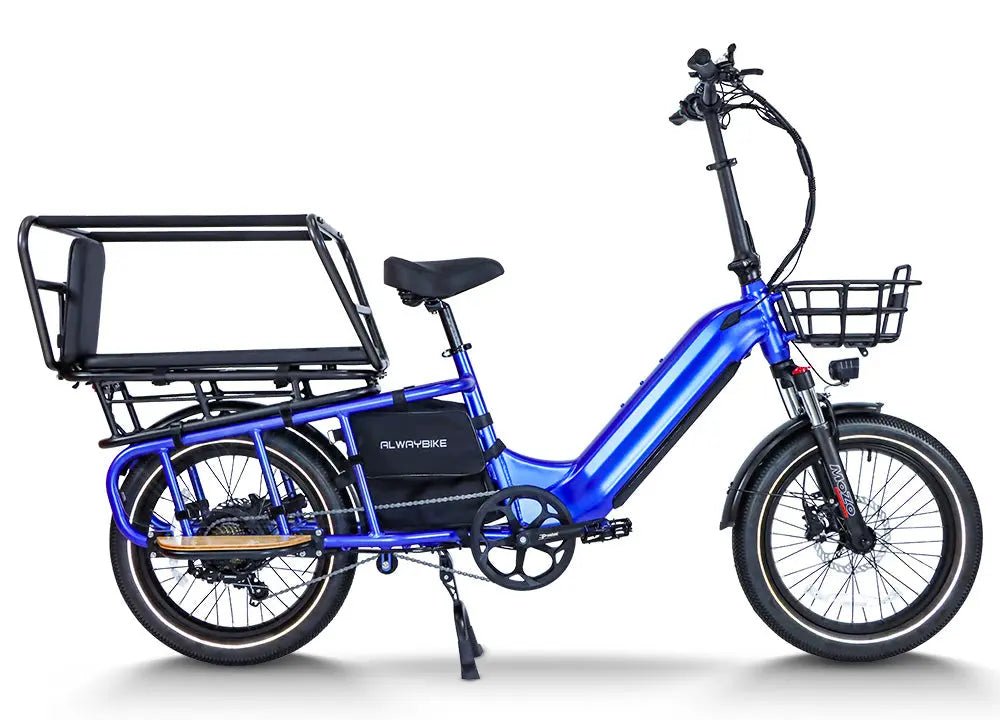
| Purpose-built cargo setup | Dedicated passenger protection, high-volume cargo, or frequent heavy loading | Greater space and verification burden | Match the exact cargo or passenger equipment and all applicable limits |
The bench-seat option makes sense only when the longer surface solves a recurring problem and you can handle, store, charge, and transport the complete bike. If the intended load or product permission is unclear, start with the setup that leaves fewer assumptions: a standard commuter for solo use or a cargo model whose documentation directly matches the job.

What does the extra length change while riding and storing the bike?
Extra length changes the physical-fit question before it answers the capacity question. Evaluate the bike with the intended load position, then measure the route from the delivery or parking space to storage, charging, and transport.
How will posture, mounting, and balance change?
Check whether you can reach the controls comfortably, place your feet securely when needed, and mount or dismount without the bench, passenger, or cargo blocking your path. Confirm clearance between the rider, intended load, wheels, and controls.
Handling depends on where the load sits, how high it is, how securely it is attached, and how evenly it is distributed. Assess starts, stops, steering, braking feel, and low-speed balance with the intended setup rather than assuming an empty bike will feel the same when loaded. These are physical-fit checks, not evidence that the product permits a passenger.
How will dimensions affect storage and transport?
Measure the bike's overall length, width, and height using the current specifications, then compare those dimensions with every part of the route: doorways, elevators, turns, parking, charging space, vehicle transport, and indoor storage. Include room to maneuver, not just the opening's nominal size.
A bike can meet a stated load limit and still fail the practical space test. Before buying, sketch or measure the storage route and confirm that you can park and charge the bike without blocking access or relying on a transport method you do not have.
Does an electric bike with a bench seat allow passenger use?
A bench surface, rear rack, cargo label, or comfortable seating area does not by itself authorize passenger use. Treat passenger approval as a separate product requirement that must match the exact configuration and the rules in the places where you ride.
What must be confirmed for an adult passenger?
Look for explicit manufacturer support for an adult passenger and a stated rider-plus-passenger configuration. Confirm the intended passenger position, foot support, restraints or other required equipment, and the applicable rider, passenger, cargo, and component limits.
If the documentation for the exact bike and configuration is silent, classify the adult-passenger scenario as unverified. Do not infer approval from the bench's length, the bike's motor rating, a rack, a headline payload, or the fact that a longtail category can carry cargo or passengers.
What must be confirmed for a smaller passenger?
Treat a child or smaller passenger as a separate configuration. Follow the product's specific instructions for age, size, seating position, foot support, equipment, and limits when those conditions are provided. Do not transfer approval from an adult-passenger setup, a cargo-only arrangement, or an accessory listing.
Confirm the complete configuration before buying and again before carrying anyone. If either the manufacturer's instructions or applicable local rules are unclear, use the cargo-only decision path until the intended passenger setup is confirmed.
How do you calculate and verify the usable load?
The examples below use illustrative assumptions. They are not product limits, safety margins, or universal rider categories:
- 180 lb rider + 120 lb expressly permitted passenger + 20 lb cargo = 320 lb total.
- 180 lb rider + 50 lb cargo = 230 lb total.
- 200 lb rider + 75 lb cargo + 10 lb accessories = 285 lb total.
Use the relevant result only as a planning number. Then apply this sequence to the exact bike and configuration:
- Define the load case. Write down the rider, any passenger only if the manufacturer expressly permits that passenger configuration, cargo, accessories, and any equipment mounted on the bike.
- Add every load in the same unit. The result is the combined weight for that scenario. Do not treat bench length or motor rating as a capacity estimate.
- Compare the result with the governing limits. Check the manufacturer's total payload and every applicable rider, passenger, cargo, rack, bench, axle, wheel, brake, and accessory limit. The setup must satisfy the total limit and each relevant component limit.
- Resolve configuration details. Confirm whether the bench, passenger equipment, rack, and other accessories are included, compatible, and approved for the intended arrangement. If product values conflict, resolve them with the current exact manual or specification before buying.
This method separates a headline payload from usable capacity. It also prevents a listed cargo number from being treated as a passenger limit without product-specific evidence.
Which local rules should you check before carrying anyone?
Product capability and local permission are separate questions. Identify every place you plan to ride, then ask the relevant current authority about the exact passenger configuration before buying or carrying anyone.
Start with city streets, state routes, shared-use paths, parks, private property, and any other regular destinations. For each location, check the bike's classification or designation, passenger restrictions, required equipment, age or helmet provisions, and permitted riding locations. A general US e-bike class guide can provide background, but it is not a final answer for a particular route.
California illustrates why location matters: California-specific passenger guidance from CalBike says that e-bikes set up to accommodate passengers may carry a passenger and that riders and passengers under 18 must wear helmets. That is California-specific secondary guidance, not nationwide law or a substitute for current state, city, park, or transportation-authority rules. If the applicable authority does not clearly address your intended passenger configuration and location, do not assume permission.
What should you inspect in a Cemoto cargo-bike option?
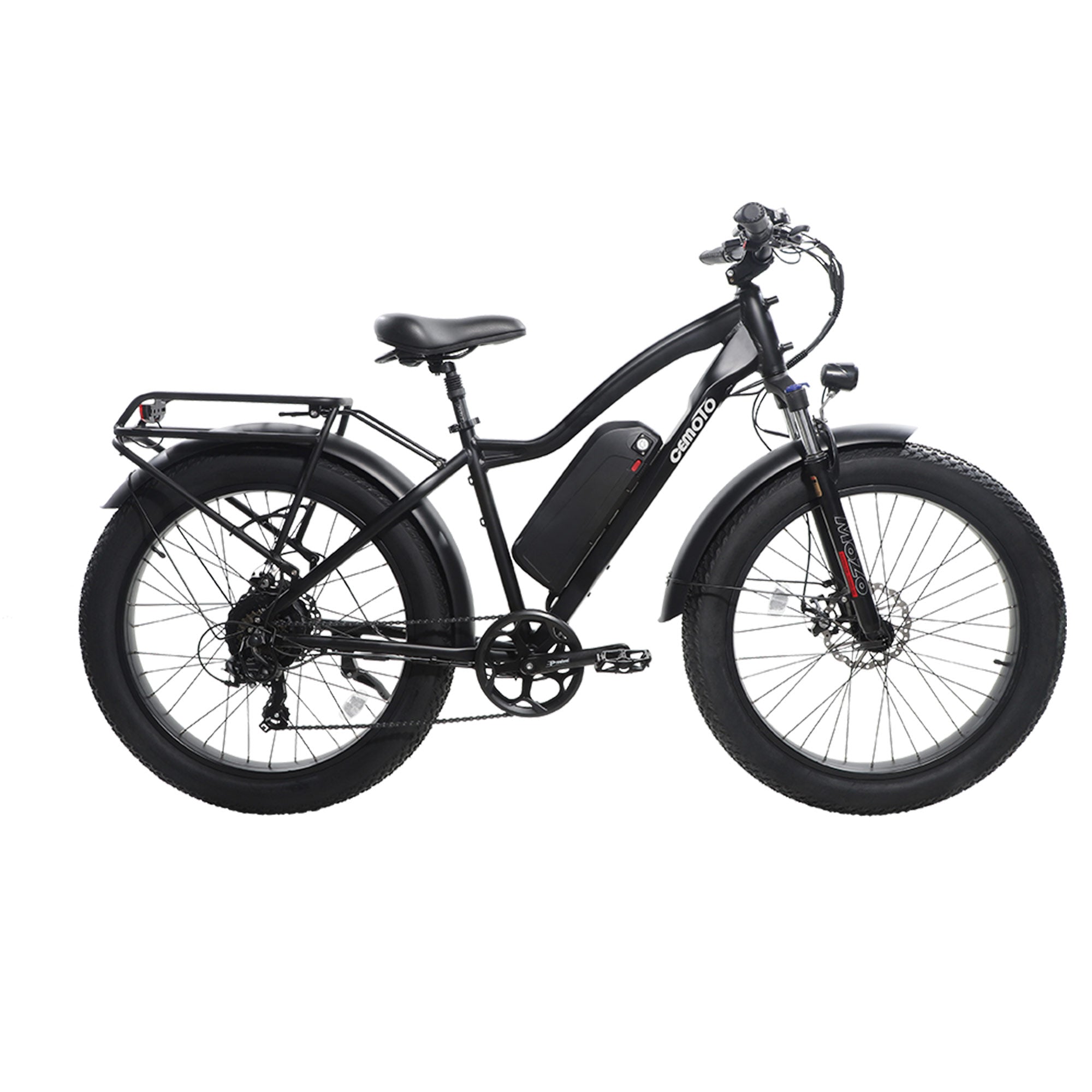
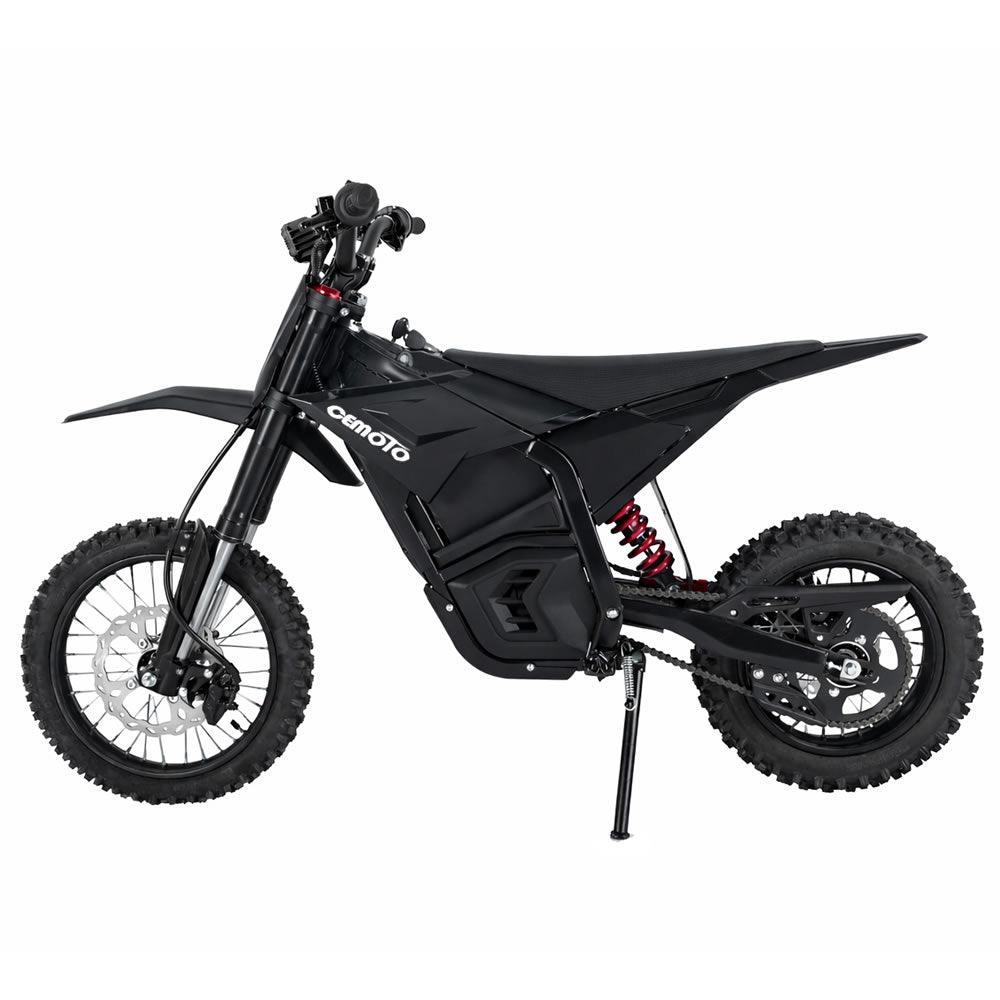
The CEMOTO B69 is a relevant cargo-bike listing to inspect for urban delivery, family hauling, or other utility work, but the supplied facts do not establish that it has a bench seat, includes passenger equipment, or permits passengers. The listing states 750W brushless gear rated power and a 150 kg (300 lb) payload or load capacity, while the supplied fact pack also contains a 130 kg FAQ reference. Treat both as conflicting listing references until the current exact specification or manual identifies the governing value.
Open the CEMOTO B69 listing and verify the exact configuration, overall dimensions, included equipment, total payload, and separate component limits. Ask specifically whether a bench, passenger foot support, restraints, or other passenger equipment is included and whether the manufacturer expressly approves the intended passenger arrangement. Do not treat the stated payload as a passenger limit.
Then compare the intended rider, any expressly permitted passenger, cargo, accessories, storage route, and transport method with those governing documents. Resolve product permission, capacity, equipment, and local rules independently. Add the B69 to your cart only if the exact configuration fits your recurring use, the current product documentation resolves the conflicting load information, and the applicable local requirements are satisfied. Otherwise, compare a standard commuter or another purpose-built cargo setup whose documentation matches the job.
Frequently Asked Questions
These questions cover the choice, physical fit, load calculation, and permission checks that determine whether the longer format suits your plans.
Are electric bikes with bench seats good for passengers?
They can be considered for passenger use only when the exact configuration has manufacturer approval, the required equipment and limits are clear, and the relevant local rules allow it. A bench alone leaves passenger use unverified.
How is a bench seat different from a standard e-bike seat?
A standard seat is designed for one rider, while a bench-style format provides a longer shared seating or loading surface. That extra surface can serve recurring utility needs, but it does not establish passenger permission.
How do I check the weight capacity of an electric bike with a bench seat?
Write down the exact load case, then add the rider, any expressly permitted passenger, cargo, and accessories. Compare the result with the manufacturer's total payload and every applicable rack, bench, axle, wheel, and accessory limit. Use the current exact specification when listing values conflict.
How do I check local passenger rules for an e-bike?
List each intended route and ask the relevant state, city, county, park, or transportation authority about classification, passenger restrictions, equipment, age or helmet provisions, and permitted locations. Another state's rule or a general class guide is not a final answer for your route.
