

Could a Cargo E-Bike Handle Your Local Business Routes?


Use an electric cargo bike for business only on routes that pass a cargo, stop, charging, weather, and recovery screen, then test the hardest trip.
An electric cargo bike for business can handle selected local deliveries, pickups, service calls, and errands, but it should not be treated as a universal car replacement. Classify your actual routes as suitable for a controlled trial, conditional with testing or backup, or a poor fit for the current plan. Start by recording a representative week, including the hardest routine route, the complete return path, actual cargo, stops, charging opportunities, weather exposure, security, and the business consequences of delays.

Classify a Representative Week for an Electric Cargo Bike for Business
Classify each recurring trip based on its complete out-and-back conditions—not the business category or the bike's product name. A route is suitable for a controlled trial when its decision-changing conditions are known and workable. Keep it conditional when testing or backup is still needed, and call it a poor fit when the trip cannot be handled or recovered under the current plan.
A Boston program demonstrates selected local electric cargo-bike deliveries, while freight research frames cargo bikes as possible replacements for selected trips—not every car or van trip. Boston's local electric cargo-bike delivery program and Urban Freight Lab research on selected neighborhood trips support that limited conclusion.

Record the route information below for each recurring trip. DDOT's pilot measurement approach includes trips, route distances, and packages delivered, which provides a useful starting point without creating a universal pass-or-fail threshold. The DDOT pilot's route and package measurements should be treated as operating data to collect, not as a mileage formula.
| Route factor | What to record from the actual trip | Suitable, conditional, or poor-fit signal |
|---|---|---|
| Distance and return path | Complete out-and-back route, terrain, stops, and any required detours | Suitable: known conditions fit a controlled trial. Conditional: the return or route conditions need testing. Poor fit: the complete trip cannot be recovered. |
| Cadence and time windows | Trips per day, stop sequence, delivery windows, loading time, and the consequences of delays | Suitable: timing allows practical stops. Conditional: a late delivery needs a tested recovery plan. Poor fit: one delay disrupts essential service. |
| Cargo | Actual shape, dimensions, weight, fragility, protection, and securement | Suitable: goods fit and can be secured for a trial. Conditional: the load varies or needs testing. Poor fit: the planned load cannot be handled. |
| Parking and access | Pickup and delivery entrances, curb access, carrying distance, and unattended time | Suitable: each stop is workable. Conditional: access varies or needs a backup. Poor fit: core stops cannot be reached or secured. |
| Charging and downtime | Charging locations, timing, availability, and the response to an unavailable bike | Suitable: a recovery plan is ready for the trial. Conditional: charging or downtime is untested. Poor fit: one interruption stops paid service. |
| Weather and road conditions | Expected exposure, road surface, rider protection, and cargo protection | Suitable: expected conditions are workable. Conditional: difficult conditions need a test or backup. Poor fit: essential work depends on exposure the rider or cargo cannot reasonably manage. |
| Security | Bike parking, cargo control, theft exposure, and stop duration | Suitable: security is workable at every stop. Conditional: one or more locations need mitigation. Poor fit: the route cannot protect the bike or goods. |
| Backup | Available car or other recovery option and the consequences of using it | Suitable: selected work can proceed under the current plan. Conditional: backup is required. Poor fit: no realistic recovery exists. |
If a decision-changing factor is unknown, keep the route conditional rather than assuming a generic distance, battery range, or payload tier. The next choice is route-specific: trial the route, test it with backup, or remove it from the current e-bike plan.
Confirm the Cargo and Stop Sequence Are Workable
A short route can still fail when the actual goods, rider, loading process, entrances, and delivery handoffs do not work together. Keep the route conditional until the cargo and stop sequence are practical for the rider.
Check Cargo Dimensions and Securement
For the representative trip, use the real cargo and note its shape, dimensions, weight, fragility, and protection needs. Consider how each item sits on the bike, how it is secured, and whether that arrangement remains practical on the return route. Total capacity alone does not show whether an awkward or vulnerable load is workable.
The commercial cargo-bike evaluation's loading and unloading access findings reinforce the need to assess every pickup and delivery location. Treat curb access, designated spaces, entrance distance, and carrying distance as stop-level route factors, and verify local loading rules for the service area.
Check Loading, Unloading, and Rider Control
Have the actual rider handle the planned cargo, ride the route, stop repeatedly, unload, and return with the load. This exposes problems that a route map or total-capacity figure cannot show, including balance, securement, turning space, parking, carrying distance, and time spent unattended.
Stop the route trial if the rider cannot safely control, load, unload, or secure the actual cargo through the planned sequence. If an entrance is inaccessible or loading is impractical, classify the route as conditional or a poor fit instead of relying on a capacity assumption.
Make Charging, Weather, Security, and Backup Recoverable
A workable electric cargo bike delivery plan needs a response for charging gaps, downtime, difficult weather, security exposure, and local operating rules. Keep the route conditional when an operational response is untested, and retain backup when one failed run could materially disrupt the business.
Make Charging and Downtime Recoverable
Confirm when and where the bike can charge between runs or overnight, then decide what happens if that location is unavailable, the bike is delayed, or the route cannot be completed as planned. The route can proceed to a controlled trial only when that recovery action is ready to use.
Retain a car or other backup when one failed run could materially disrupt the business and no practical recovery option is ready. The backup should cover the actual delivery timing and cargo needs rather than exist only as a general contingency.
Set Weather and Security Boundaries
Assess the weather and road conditions expected in the actual service area, along with protection for the rider and goods. Plan secure bike parking and cargo control at every stop. Repeated theft exposure, vulnerable goods, unsafe access, or conditions the rider cannot reasonably manage can make the current route plan unsuitable.
Also resolve city and state rules for the actual service area before paid use. NYC's e-cargo-bike operating example shows that dimensions and operating permissions can be defined locally; its rules are not national standards. If charging, weather, or security remains unresolved, keep the route conditional and define the backup response. If the service area's operating, parking, or loading permissions are unresolved, wait before using the route for paid work.
Match the CEMOTO B69 to a Screened Route
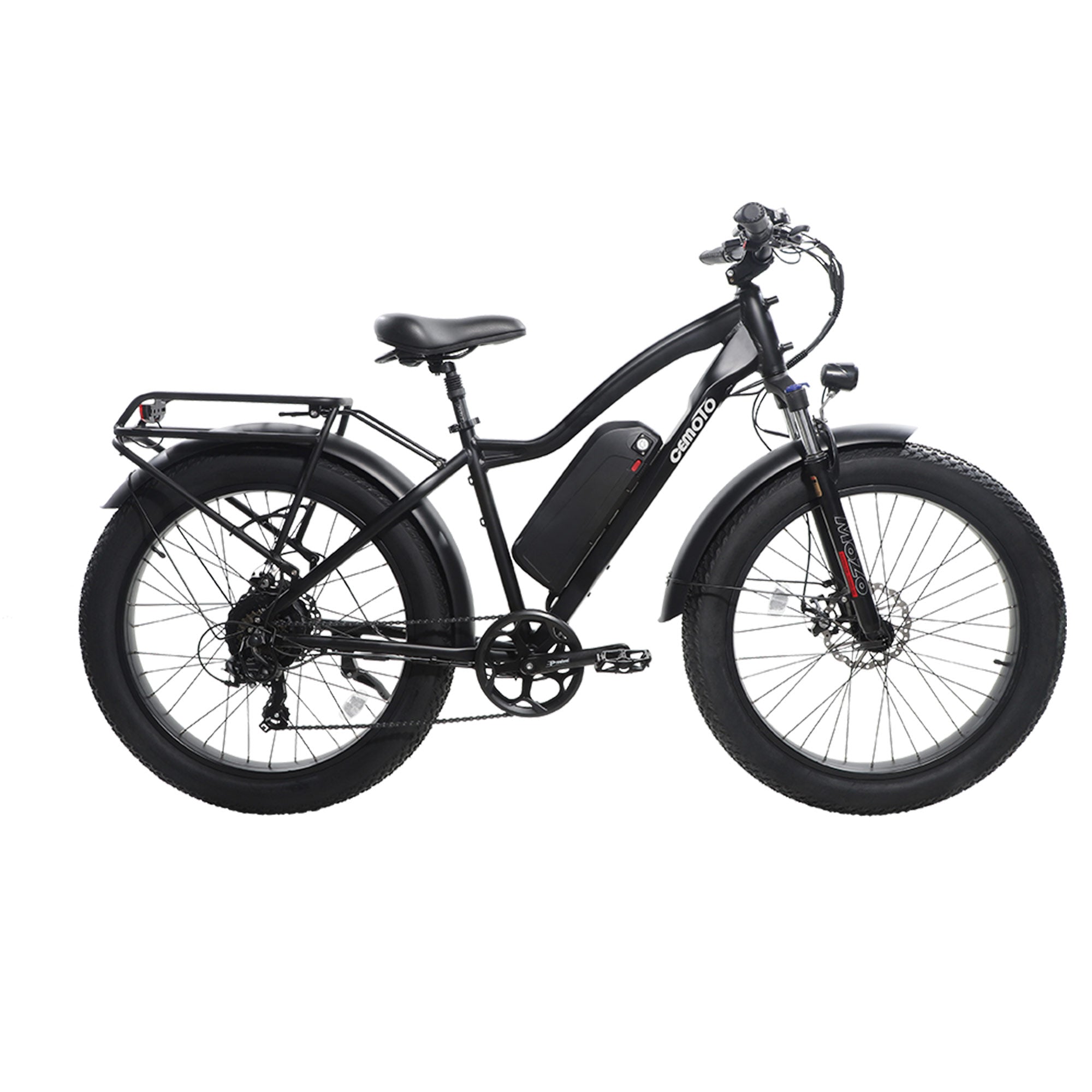
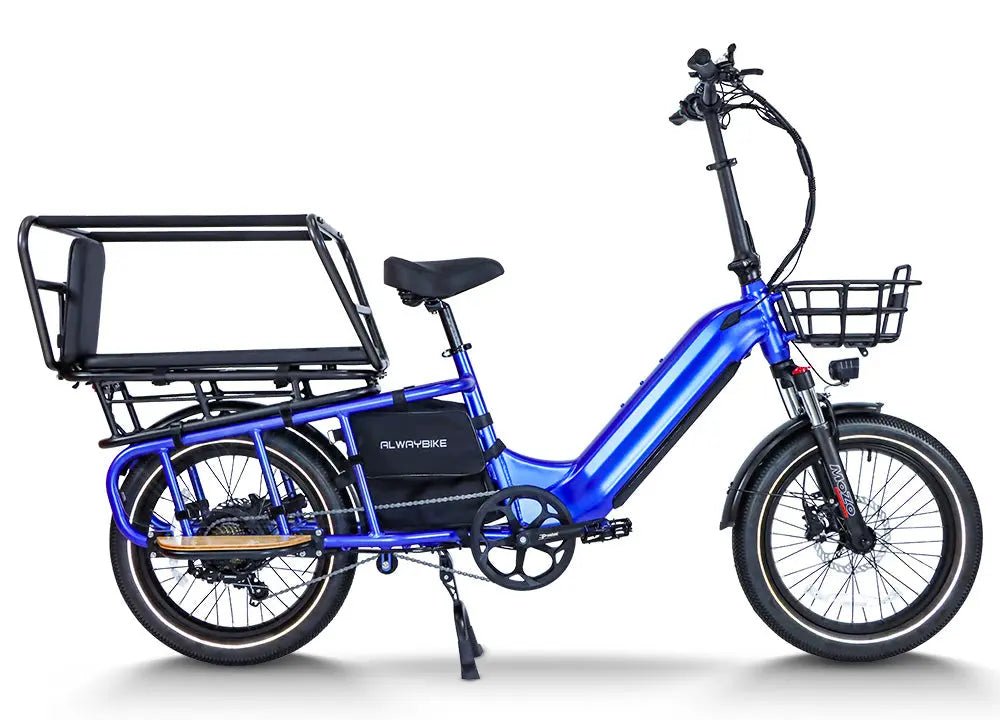
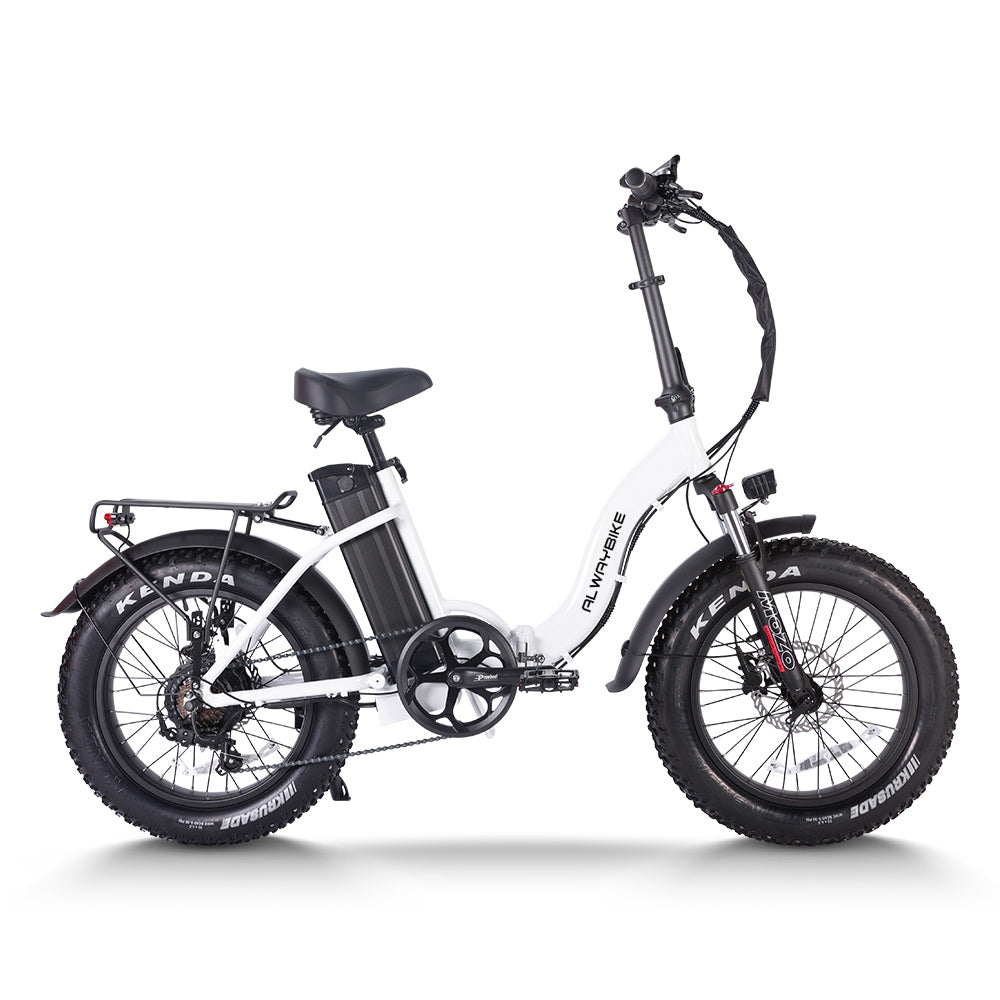
Consider the CEMOTO B69 only after the route screen identifies what the bike must handle. The supplied product page lists a 750W motor, 48V 20Ah battery, and 150 kg load-capacity figure. Use those as page-listed specifications to compare with the screened route—not as proof of range, speed, compliance, weather capability, or business suitability.
The product page contains conflicting figures in different areas for battery, speed, and capacity. Resolve those discrepancies in current product documentation and confirm local operating requirements before paid use. The CEMOTO B69 cargo e-bike is therefore a route-screen candidate, not proof that a particular route will work.
Test the Hardest Candidate Route and Choose the Operating Plan
After mapping the representative week, select the hardest plausible recurring route that is still suitable or conditional. Test it with the actual rider, cargo, loading sequence, stops, return path, normal timing, charging plan, and recovery option. Record handling friction, parking and access problems, weather exposure, security issues, delays, and what happened when the plan needed recovery.
A federal commercial cargo-bicycle pilot for last-mile deliveries provides context for evaluating real commercial operations, but your own route test must make the decision. If the test works with acceptable operating friction, use the e-bike for routes with comparable conditions. If it exposes a recoverable weakness, retain backup or restrict the bike to easier selected trips. If a core condition cannot be handled or recovered, reject the current operating plan. Map the week, run this hardest-route test before dependable paid service, and choose use, backup, or rejection based on the result.
Frequently Asked Questions
These answers apply the route-screening method to common replacement, distance, and business-use questions.
Can a cargo e-bike replace a car for deliveries?
It can replace a car on a selected route when testing shows that the actual rider, cargo, stops, timing, and recovery plan work together. A failed test on a core condition means the business should retain backup or assign that route elsewhere rather than generalize from an easier trip.
How far can a cargo bike be used for business?
There is no useful universal mileage answer. Start with the complete out-and-back trip that matters most, record its actual timing and return requirements, and test that route with the planned load before assigning it dependable paid work.
What small businesses use electric cargo bikes?
A business with repeatable local deliveries, pickups, errands, service calls, or urban last-mile work may have routes worth screening. The next step is to choose one recurring trip, record its actual conditions, and classify it before choosing an operating plan.
