

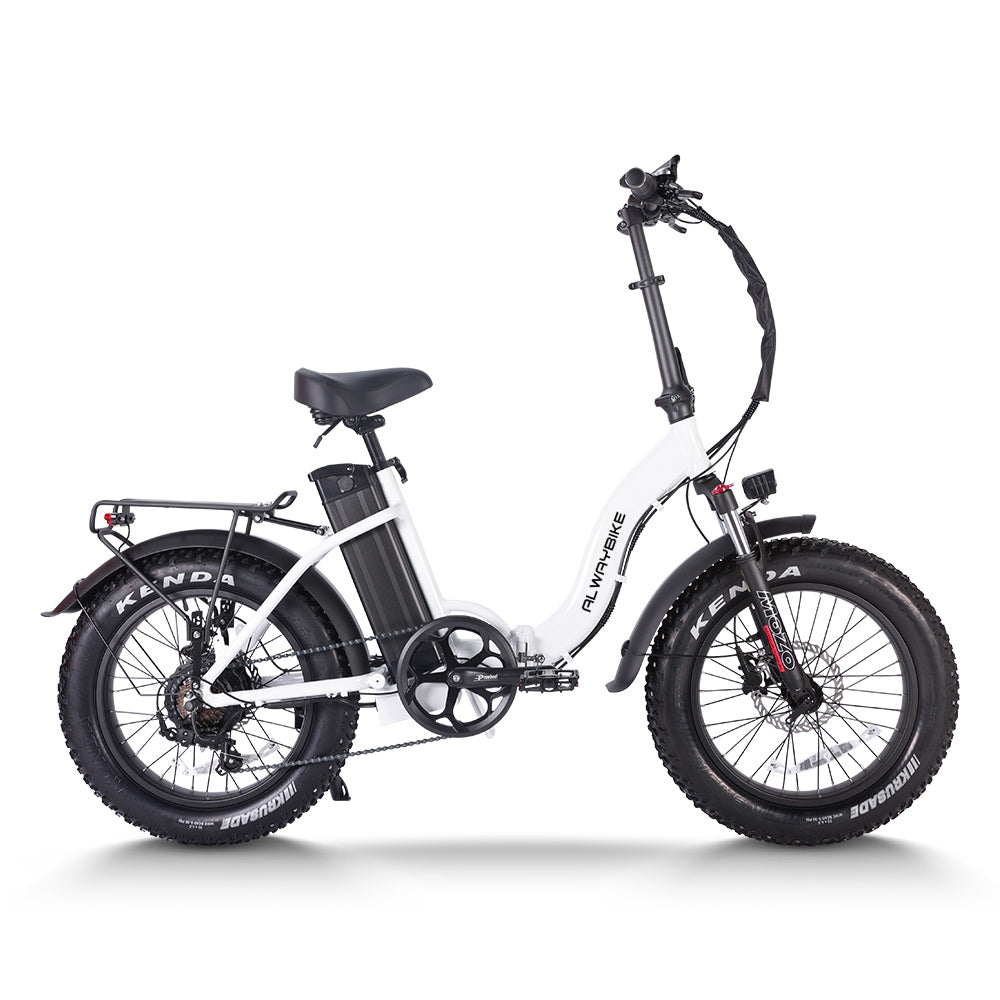

Electric Dirt Bike Battery Storage Between Rides


Safe electric dirt bike battery storage depends on downtime length, battery condition, and the actual storage environment. Cool and inspect the system after riding, follow the owner's manual for charging and storage settings, keep it in a dry and moderate location, and stop using it when you notice swelling, leaks, unusual heat, odor, or other changes.
For practical electric dirt bike battery storage, let the bike cool naturally after a ride, inspect the battery and connector area without opening the pack, and keep it in a dry, moderate, protected location. Follow the charger and charging routine specified for your model rather than relying on one universal percentage or schedule. Overnight storage, a multi-week break, and seasonal downtime each require a different check before the next ride.

Cool and Inspect the Battery After Every Ride
A safe post-ride routine is straightforward: let the system return to normal on its own, check for visible changes, then power down and store it in a protected location. Do not rely on a universal cooling time; the owner's manual determines the model-specific cooling, connector, and charging instructions.
- Allow natural cooling. Park the bike in a suitable area and let the battery and surrounding components cool on their own. Do not cool the pack quickly with water, ice, or other improvised methods. If the battery is still unusually hot, do not assume it is ready to charge.
- Inspect without opening the pack. Check the housing, cable ends, connector area, and nearby surfaces for moisture, dirt, cracks, swelling, leakage, an unusual odor, or other visible changes. A visual inspection cannot confirm that the battery is healthy, so stop if its condition or behavior seems abnormal.
- Power down and put it away. Follow the manual's shutdown and charging procedure. If charging is needed, use only the specified equipment on a hard, stable surface away from combustibles, and follow the prescribed cycle instead of treating unattended charging as the default. For broader post-ride upkeep, these dirt bike maintenance checks can help organize the rest of the bike's inspection.
If the battery is wet inside, swollen, damaged, leaking, smoking, or producing an unusual smell, stop charging and riding. Do not open or test the pack at home; seek model-appropriate guidance instead.

Choose the Charge Routine for Electric Dirt Bike Battery Storage
There is no single automatic charging rule. Use the manual's normal procedure for short pauses and its storage-specific instructions for longer downtime; the correct charge state and inspection timing vary by model.
Manufacturer instructions determine product-specific limits, as explained in manufacturer guidance.
| Downtime | Manual-controlled action | Before the next ride |
|---|---|---|
| Overnight or frequent riding | Use the displayed charge information, planned ride, and normal charging procedure to decide whether charging is needed. Do not charge automatically after every brief ride. | Confirm the battery and charger show normal status and follow the model's startup procedure. |
| Multi-week downtime | Prepare the battery using the manual's storage-charge instructions. Record the last check and use the stated inspection schedule; do not repeatedly top it off unless directed. | Inspect before reconnecting or charging, then complete the model's normal charge and fault checks. |
| Seasonal storage | Combine the manual's storage-charge, environment, and inspection directions. Choose a location that will remain suitable as weather changes. | Inspect the battery, connectors, charger, and bike before charging or riding again. |
Overnight and Frequent Riding
When the next ride is soon, use the bike's displayed charge information and your planned distance to decide whether the normal charging cycle is needed. Charging after every short ride is not a universal requirement, and leaving the charger connected is not automatically appropriate either. Follow the manual for when to connect, when to disconnect or power down, and what the normal indicators should show.
Keep the charger on a stable, suitable surface and away from materials that could burn. If the battery is excessively hot or below freezing, pause rather than assuming it is ready to charge; check the model's instructions for the permitted process.
Multi-Week Downtime
Before a trip or other multi-week break, look for storage-specific instructions in the owner's manual instead of copying a percentage from another battery. Record the date of the last inspection and the manual's next required check. That simple record prevents guesswork when the bike has been out of use.
Repeatedly topping off the battery during the break may conflict with the model's storage procedure, so do it only when the manufacturer directs it. If the manual does not clearly explain the storage charge or check schedule, contact the manufacturer or qualified service support before choosing a routine.
Seasonal Storage
Seasonal storage takes more planning because conditions in a room or garage can change substantially as the weather shifts. Follow the manual's storage-charge, temperature, and inspection instructions, then choose a location that will remain dry, protected, and suitable for the entire period.
Before the first spring ride—or whenever the bike returns from seasonal downtime—inspect the battery and charging equipment before reconnecting anything. Cold-weather storage for an electric dirt bike battery does not make a frozen or very cold pack ready to charge; follow the model's instructions and let conditions return naturally to the permitted range.
Match the Storage Location to the Downtime
For battery storage for an electric dirt bike, choose the cleanest, driest, most temperature-stable location allowed by the manual. General lithium-ion guidance favors dry, moderate conditions away from direct sunlight, freezing conditions, heat sources, hot vehicles, and moisture; exact environmental limits remain model-specific, as described in general storage guidance.
| Downtime | Preferred condition | Main environmental check and return action |
|---|---|---|
| Daily or overnight | A clean, dry, protected indoor area or suitable garage location permitted by the manual | Check for heat, moisture, sunlight, impact, and interference from vehicles, children, or pets before the next use. |
| Multi-week | The most stable permitted location, away from hot vehicles, combustibles, and uncontrolled access | Confirm conditions will stay suitable while you are away; inspect the case and connector area before charging or riding. |
| Seasonal | A location with reliable protection as temperatures and humidity change | Recheck the entire space after storage, then follow the model's charging and startup procedure before riding. |
A garage is appropriate only when its actual conditions remain suitable throughout the break. An unheated garage can expose the battery to freezing conditions; a closed garage can also become hot, damp, crowded, or vulnerable to impact. Move the bike or battery only if your model's manual permits that handling—do not assume every battery is removable.
Keep the equipment away from direct sun, heaters, furnaces, fuel, solvents, loose combustibles, and places where a vehicle or heavy object could strike it. Children and pets should not be able to interfere with the charger or battery. A storage bag can organize riding gear, but do not treat a bag as a battery-safety enclosure or a place to charge unless its specifications explicitly say so.
Check Stored Batteries and Act on Warning Signs
Use the owner's manual for the check interval, but always inspect the battery before charging or riding after an extended break. Check the battery itself, the connector area, the storage environment, and any charger or dashboard warning—not just the calendar.
Routine Storage Checks
Keep a simple record of the last inspection, especially when the bike will sit for several weeks or a season. During each manual-specified check:
- Inspect the case and connector area for cracks, swelling, leaks, discoloration, dirt, moisture, or other visible changes.
- Confirm the space is still dry, shaded, clear, and free from heat, impact, vehicles, and combustibles.
- Note any charger message, dashboard warning, unusual odor, or change in behavior.
- Before charging, compare the battery and charger condition with the model's instructions rather than trying to "test" an uncertain pack.
Signs That Require a Stop
Swelling, cracks, leaking, smoke, unusual odor, excessive heat, shape or color changes, hissing, or odd noises are stop-use signs. US fire-safety guidance on battery warning signs likewise advises treating unusual heat, odor, leakage, smoke, and shape or color changes as reasons to stop using the battery.
Stop charging and riding, and do not open, puncture, repair, rapidly cool, or repeatedly test the pack. Contact the manufacturer, a qualified service provider, or the appropriate local hazardous-waste program for instructions. If there is smoke or an active fire, leave the area and call emergency services rather than handling the battery.
If a swollen or otherwise changed battery can be isolated from flammable materials without handling an immediate hazard, keep people away from it while you seek instructions. Do not improvise transport, disposal, or repair steps.
Before Reconnecting After Downtime
After the storage period, complete this sequence before riding:
- Inspect the battery, connectors, charger, bike, and storage area for changes or damage.
- Reconnect or charge only with the specified equipment and only according to the owner's manual. A replacement charger or accessory cannot correct an unresolved battery fault.
- Verify the bike and charger show their normal indicators and that no fault message, unusual sound, odor, heat, or behavior appears.
Stop if a warning persists or appears during the process. A visual check alone does not prove that the battery is ready to ride; the model-specific charge, startup, and fault-status checks must also be normal.
Resume Riding With a Pre-Ride Storage Check
A stored battery is ready for use only after it passes the visual inspection and the bike's own charging, startup, and fault-status procedure. Keep this final check separate from the storage routine so you do not mistake a clean storage area for proof that the battery is ready.
- Inspect. Check the battery case, connectors, charger, bike, and visible wiring for moisture, damage, swelling, or other changes.
- Reconnect or charge as directed. Use the specified charger and follow the model's instructions. Do not charge a battery that is below freezing or excessively hot unless the manufacturer provides a safe, model-specific process.
- Verify normal status. Confirm the expected display, charger behavior, and startup indicators. Stop if a fault or unexpected behavior persists.
- Decide whether to ride. Ride only when the manual's checks are normal and the bike responds as expected. If it will sit again, record the storage date and return it to the appropriate downtime routine.
FAQs
Use the owner's manual to resolve model-specific questions about charging, storage, inspection, and startup. The answers below highlight the conditions that can change the right next step.
Can I leave an electric dirt bike battery connected between rides?
Only if the owner's manual permits that connection and charging status. Do not use an unattended charger as a substitute for the prescribed cycle; contact the manufacturer if the manual is unclear.
Can I store an electric dirt bike battery in a cold garage?
Only when the garage's actual temperature, moisture, sunlight, impact, and access conditions comply with the manual. Never assume a battery exposed to freezing temperatures is ready to charge.
How long can an electric dirt bike sit unused before I check the battery?
The model manual controls the inspection interval, so there is no reliable universal number of days or weeks. If no schedule is provided, ask the manufacturer or qualified service support rather than guessing.
What should I do if the battery is swollen after storage?
Stop using and charging it. Do not open, repair, puncture, or repeatedly test the pack; keep people away and contact the manufacturer, qualified service provider, or local hazardous-waste program for instructions.
