

Electric Dirt Bike Brake Fade: Causes, Warning Signs, and Ride Decisions


Electric dirt bike brakes can weaken after hard stops or downhill use. This guide covers safe stops, external checks, service decisions, and replacement fit.
A sudden loss of braking is a reason to stop safely—not to test the limit while moving. Electric dirt bike brakes can fade from heat after repeated hard stops or prolonged downhill braking, but the sensation alone cannot confirm the cause. If braking remains weak or abnormal, or you see fluid, damage, looseness, or another warning sign, do not ride the bike to a repair location. Secure it and arrange safe transport and qualified service.

Stop Safely When Electric Dirt Bike Braking Fades
Reduce speed in a controlled manner and move away from traffic, people, slopes, and other hazards. Stop as soon as you can do so safely, switch off the bike, and secure it. Do not continue a descent or perform a moving brake test to see whether the lever improves.
Heat-related fade is only one possible explanation for weakened brakes on an electric dirt bike. It becomes more plausible when braking was consistent beforehand and the change appears after repeated hard braking or prolonged downhill use while the brakes are hot. Persistent weakness, an abnormal control feel, or an unsafe stopping response calls for a conservative decision regardless of the cause.

If the bike cannot stop reliably, do not ride it slowly to a shop or loading area. Use safe transport and have a qualified technician assess the brake system. The same rule applies if you cannot perform a safe external check or are unsure whether a hydraulic or structural problem is present.
Separate Temporary Brake Fade From a Brake Fault
The timing of the symptom can make heat-related fade more plausible, but it does not diagnose the system. A brake that remains weak after natural cooling, was weak before the ride, or changes unpredictably should be treated as a fault rather than ordinary overheating.
Possible fade often appears as weaker braking or a changed lever response after heat-producing use. Increased stopping distance, a soft or spongy feel, vibration, or a burning smell are warning signs that should not be ignored; these symptoms do not identify a failed component. Continental's brake-fade overview provides general symptom terminology, but it is not a model-specific electric dirt bike service procedure.
A soft, unusually low, or unpredictable lever; visible fluid around a hose, lever, caliper, or fitting; rubbing; contamination; looseness; or damaged hardware shifts the decision toward repair or qualified service. A front or rear brake may be the one showing the symptom, but relying on the other brake is not a substitute for correcting an unresolved braking problem. Even if the lever feels better after cooling, that improvement does not prove the system is repaired or safe for normal riding.
What Adds Heat or Mimics Fade in Electric Dirt Bike Brakes?
Repeated hard braking and prolonged or steep downhill braking can increase the heat load on the braking system. Speed, combined rider-and-bike load, terrain, and limited airflow can change the conditions, but no universal speed, load, or temperature threshold determines when fade will occur on every bike.
Riding Patterns That Add Heat
Long descents can require sustained braking, while repeated stops can keep the system from returning to its usual operating condition. Treat these situations as context, not proof that heat caused the symptom. After a safe stop, focus on the brake's consistent feel and visible condition—not on labels such as light or heavy use.
Brake Conditions That Can Mimic Fade
Worn or contaminated pads, damaged or badly discolored rotors, rubbing or misalignment, loose hardware, and other visible wear can reduce braking performance or make a heat-related symptom more likely. A hydraulic abnormality can also produce an unsafe control feel, but the symptom does not establish whether air, a leak, or another specific fault is present.
Inspect only what is visible. If braking remains weak or abnormal, or you find fluid, damage, looseness, or severe rubbing, stop riding and arrange qualified assessment. This is part of electric dirt bike maintenance, not a diagnosis or a replacement recommendation.
Cool and Inspect the Brakes Without Risky Disassembly
After stopping, allow natural cooling and perform only a limited external inspection. Do not touch hot brake parts, apply liquids to them, open a hydraulic line, bleed the system, disassemble the brake, alter safety-critical adjustments, or apply an unverified cleaner to friction surfaces.
- Move the bike to a secure area away from traffic, people, slopes, and bystanders. If you cannot do that safely, do not attempt a recheck.
- Switch off the bike and secure it so it cannot roll or fall.
- Let the brakes cool naturally. Do not handle hot components or apply water, cleaner, or another liquid to speed the process.
- Perform an external visual check of the lever, hose, caliper, rotor, pad area, and accessible hardware. Look for fluid, damage, contamination, looseness, rubbing, or abnormal contact.
- Skip any riding recheck if braking is still weak or abnormal, a warning sign is visible, the bike has structural damage, or you lack the conditions or expertise to assess it safely.
- Only when the brake has a consistently normal feel and no visible warning sign remains may you consider a cautious, controlled, low-speed check away from traffic, slopes, and bystanders. Stop immediately if the symptom returns.
This check does not prove the system is repaired. Hydraulic opening, bleeding, and adjustment are procedure-specific work; hydraulic brake service guidance is not a substitute for the instructions applicable to your bike. Visible rotor rubbing and a mushy or soft control feel require attention, not reassurance, as Park Tool's on-the-ride guidance illustrates.
Choose the Ride Decision After Cooling
Use the most conservative applicable row. Persistent weakness and serious warning signs override any temporary improvement after cooling.
| Finding | Ride decision | Next action |
|---|---|---|
| Braking returns to a consistently normal feel after natural cooling, with no visible warning sign | Conditional cool-and-recheck only | Make one cautious, controlled check in a safe setting. Any recurrence ends the ride and requires service. |
| Suspected pad or rotor wear, contamination, rubbing, misalignment, or another persistent abnormality | Repair before riding | Keep the bike out of use until the affected system is inspected and corrected by someone with the appropriate expertise. |
| Braking remains weak or abnormal, or there is visible fluid, structural damage, loose safety-critical hardware, or severe component damage | Do not ride | Skip the recheck, arrange safe transport, and obtain a qualified technician's assessment. |
If the rider cannot establish a consistently normal feel and a clear external condition, choose the repair or do-not-ride path rather than guessing. Do not ride an unsafe bike to a technician, and do not treat cooling as a reset button.
Verify Fit Before Replacing a Hydraulic Brake Component
Do not choose a replacement solely because the symptom feels like fade. Weak braking may involve the lever, hose, caliper, rotor, pads, mounting hardware, or another system issue. When the cause is unclear, identify the suspected fault with qualified help. Then verify the exact bike model and series, brake position, lever side, wheel and rotor compatibility, mounting arrangement, hose requirements, included components, and whether installation requires opening or bleeding the hydraulic system.
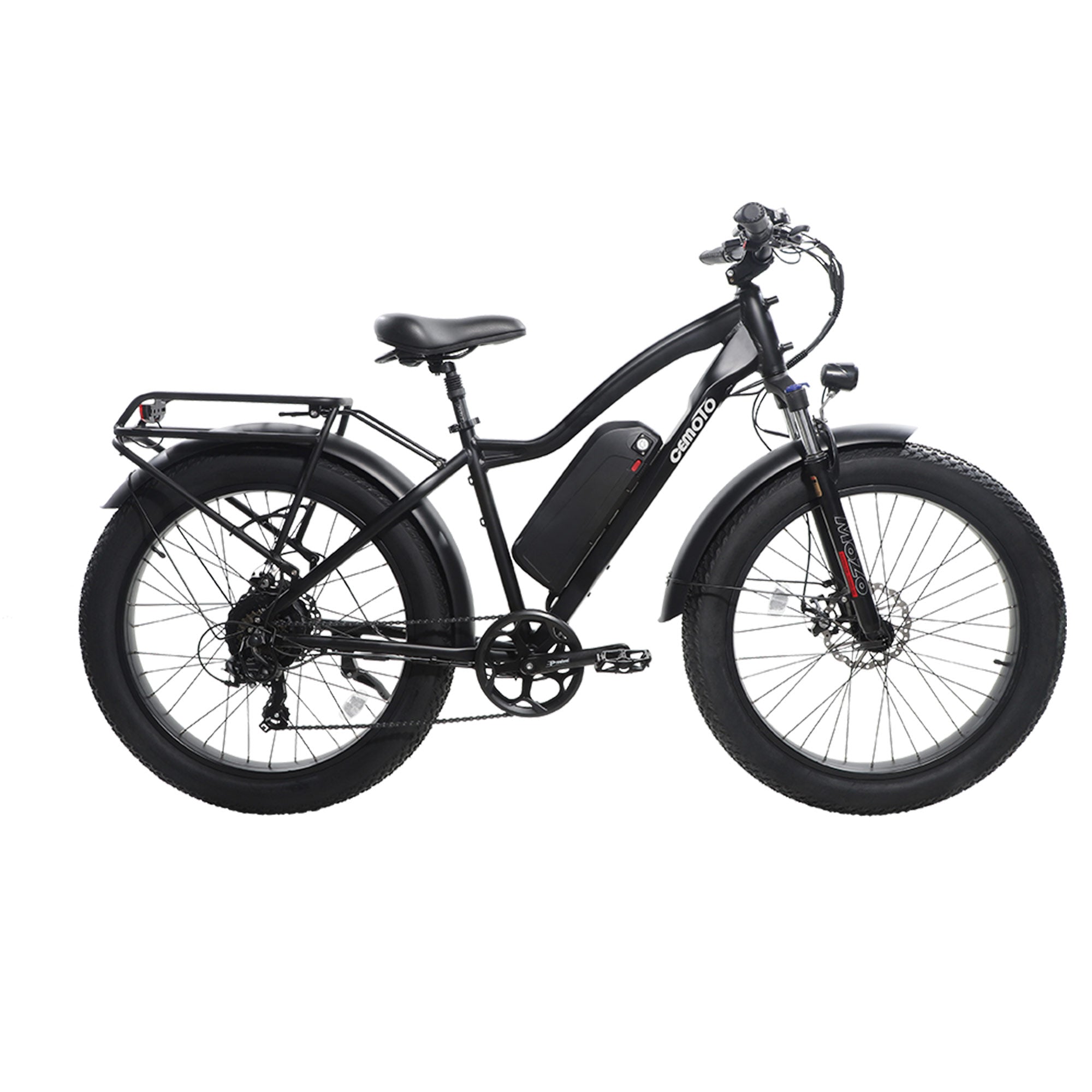
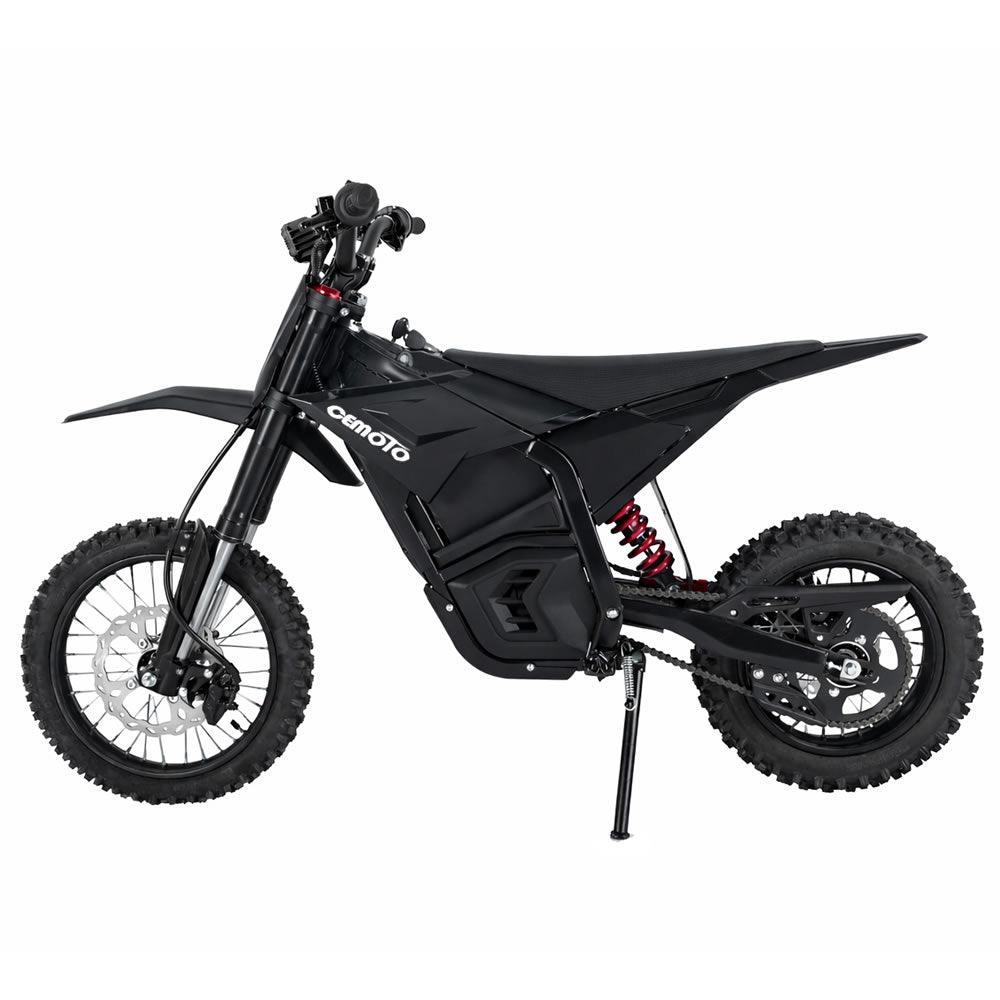
The D-Series brake lever is stated for CEMOTO D-Series bikes and is lever-only. The caliper and hydraulic system are not included, so it should not be treated as a complete brake replacement or a guaranteed remedy for fade.
The listed D Series brake system provides 1412 or 1714 options and front or rear options. Those choices still require confirmation against the exact bike, wheel, rotor, mounting, hose, and brake position. A qualified technician should handle hydraulic opening, hose routing, bleeding, or another safety-critical installation unless the rider has the applicable instructions, tools, and expertise.
Before contacting the store or placing an order, identify the affected system and gather the bike's exact configuration. If braking is inadequate or unresolved, arrange service and safe transport first rather than riding to obtain a part.
Electric Dirt Bike Brake Fade FAQ
Use these answers to distinguish a possible heat-related pattern from a brake problem and to choose the safer next step.
What Does Brake Fade Feel Like on an Electric Dirt Bike?
It may feel like weaker braking or a changed lever response after repeated or prolonged braking while hot. Increased stopping distance, a soft or spongy feel, vibration, or a burning smell are warning signs, not proof of a particular failed part. Stop safely instead of testing the limit.
Why Do Electric Dirt Bike Brakes Lose Power When Hot?
Repeated hard stops and prolonged downhill braking can create a possible heat-related pattern. Worn, contaminated, damaged, rubbing, or misaligned parts, along with hydraulic abnormalities, can mimic or worsen the symptom. If the weakness persists or the feel is abnormal, stop riding and arrange an inspection.
Can I Keep Riding With Fading Brakes on an Electric Dirt Bike?
No—not when braking remains weak or abnormal, a warning sign persists, or the cause is unresolved. A cautious, controlled recheck is appropriate only after natural cooling, when the feel is consistently normal and no warning sign is visible. Improvement alone does not prove repair.
How Should I Cool and Inspect Electric Dirt Bike Brakes Safely?
Stop and secure the bike, let the brakes cool naturally without touching hot parts or applying liquids, and inspect only visible external components. Do not open, bleed, or disassemble the hydraulic system based on the symptom alone. Skip the recheck and arrange service if braking remains abnormal or cannot be assessed safely.
