

Electric Dirt Bike Brake Noise: Squeal, Rub, or Pulsing?


Electric dirt bike brake noise explained by symptom, with safe surface checks, stop-riding boundaries, and fit steps for pads, rotors, levers, or systems.
Electric dirt bike brake noise usually falls into three symptom groups: squeal during braking, rotor or pad rubbing, and pulsing through the lever or during a stop. Start by noting when the sound occurs, then compare lever feel, stopping response, and wheel movement with normal operation. Noise alone cannot identify a failed component. If braking is weak or inconsistent, a component is loose, fluid is leaking, drag is severe, or pulsing affects control, do not ride until the brake is inspected.

Match Electric Dirt Bike Brake Noise to the First Check
Use the symptom, braking behavior, and visible findings together. This matrix helps you choose a limited first check without treating sound alone as a diagnosis.
| Symptom | Most useful first check | Next action |
|---|---|---|
| Squeal during braking | Inspect the rotor and pad surfaces for dark or smeared residue, uneven contact, recent replacement, and any change in lever effort. Squeal with a dark or smeared friction surface or increased lever effort warrants a contamination check, as described in disc-brake pad guidance. | If braking remains firm and consistent, review the surface condition and the installed system's bedding guidance. If contamination or changed braking effort is present, don't treat it as ordinary bedding; arrange the appropriate system-specific inspection. |
| Light, intermittent rub | Observe whether the rotor contacts a pad at one point during each wheel rotation, especially after a pad, rotor, caliper, or brake-system replacement. Check rotor seating, pad contact, and caliper position without forcing the wheel. | When braking remains normal and the contact is minor, an alignment or installation check may be appropriate. Persistent contact, marked drag, or changed wheel control belongs under the stop-riding rule below. |
| Persistent or severe rub | Compare wheel movement and braking response with normal operation. Look for constant contact, severe drag, visible damage, or a loose or shifted component. | Don't keep riding to see whether the noise disappears. Stop until the brake is inspected if drag is severe or constant, braking is impaired, or a component isn't secure. |
| Pulsing through the lever or during a stop | Compare the lever sensation and stopping response with your normal baseline, then inspect for uneven rotor or pad contact and visible damage. | If pulsing affects control or braking consistency, stop riding until the brake is inspected. If braking remains firm and consistent, follow the inspection path below rather than assuming the sensation has one confirmed cause. |
Use the persistent-or-severe-rub path if either persistence or severity applies. Otherwise, use the light-intermittent path and let the visible finding and braking behavior determine the next action.
For any electric dirt bike brake squeal or rub that doesn't match a clear, low-risk visual finding, stop at classification and arrange a qualified inspection instead of guessing. A quiet brake isn't proof that it's safe if lever feel, stopping response, or component security has changed.
Inspect the Rotor, Pads, and Brake Hardware in Symptom Order
Use external checks to distinguish surface condition, contact, alignment, hardware, contamination, and recent replacement. Let hot brake parts cool, keep oil away from pad and rotor friction surfaces, and leave bleeding, torque, and other system-specific procedures to the installed manual or a qualified technician. Hydraulic-brake handling guidance supports these general precautions.
Look for Uneven Rotor and Pad Surfaces
Inspect accessible rotor and pad areas for visible damage, unusual wear, dark or smeared residue, or uneven-looking contact. A dark or smeared surface combined with squeal or increased lever effort is a reason to investigate contamination—not proof that contamination is the only cause.
Consider the visible finding alongside lever feel and stopping consistency. If the brake still feels firm and consistent and the issue points to surface condition or recent replacement, review cleaning or bedding guidance for the installed brake system. If the surface looks damaged, contaminated, or otherwise unsuitable, stop basic troubleshooting and arrange a qualified inspection or system-specific replacement guidance.
Check Caliper Alignment and Rotor-to-Pad Contact
If rubbing began after a replacement, watch the rotor-to-pad relationship while the wheel moves as part of a controlled external inspection. Check rotor seating and caliper position rather than forcing the wheel or bending the rotor. No universal amount of rub applies to every electric dirt bike, so sound duration alone isn't a reliable threshold.
A small contact issue may justify an alignment check when braking remains normal and the hardware is secure. Persistent contact or marked drag changes the next step: don't use a ride as a test; arrange a qualified inspection before riding.
Inspect Hardware and Keep Friction Surfaces Clean
Before any controlled check, look for visible looseness or shifted brake hardware. An insecure component needs inspection, not repeated riding. Keep the work area and friction surfaces free of oil and hydraulic fluid. If contamination is confirmed, manufacturer brake instructions support following the installed system's replacement guidance instead of assuming that wiping will restore the pad.
Don't transfer another brake system's cleaning recipe, wear limit, torque value, or service procedure to your bike. When the finding requires those details, follow the installed brake system manual or arrange a qualified inspection.
Review Bedding After a Recent Replacement
If the electric dirt bike brakes are squeaking after new pads or a rotor and braking otherwise feels firm and consistent, review the bedding instructions for the installed brake system. An official brake-system FAQ advises handling oil or hydraulic-fluid contamination under the installed system's guidance rather than assuming a simple wipe will restore contaminated pads; exact bedding steps remain system-specific.
Bedding review isn't the right next action when braking feels weak, inconsistent, uncontrolled, or otherwise impaired. In that situation, stop riding and arrange an inspection rather than continuing to see whether the noise fades.
Know When Brake Noise Means Stop Riding
Don't ride until the brake is inspected when noise is accompanied by weak or inconsistent braking, fluid leakage, a loose component, severe or constant dragging, visible rotor or pad damage, or pulsing that affects control. This rule depends on braking performance, control, leakage, and component security—not on how loud the noise is.
Leaking brake oil or fluid can indicate potential brake failure, so hydraulic-brake safety documentation supports stopping until the brake is inspected. Don't use a trail, road, or repeated ride as a diagnostic test when the lever, stopping response, wheel control, or hardware condition has changed.
If a safe visual check doesn't identify a clear, low-risk cause while confirming secure, firm, and consistent braking, arrange a qualified inspection. The next step is inspection—not a replacement order based only on noise and not a ride intended to prove that the brake still works.
Choose a Replacement Part Only After Diagnosis
Consider a replacement only after an inspection identifies a damaged, excessively worn, contaminated, or otherwise unsuitable component, or a qualified inspection confirms that cleaning or alignment won't resolve the problem. This is the practical answer to how to fix electric dirt bike brake noise: identify the condition first, then choose the repair that matches it. Squeal or rubbing alone doesn't establish that a pad, rotor, lever, or complete brake system needs replacement.
Decide Whether the Diagnosed Part Needs Replacement
Confirmed oil or hydraulic-fluid contamination changes the decision because contaminated pads should be handled under the installed system's replacement guidance rather than treated as ordinary bedding noise. The same principle applies to visible damage or an unresolved braking problem: identify the affected component before ordering anything.
If no component condition is confirmed, review the inspection path instead of replacing parts speculatively. If the brake is unsafe under the stop-riding rule, keep it out of service while a qualified technician determines whether the repair involves a pad, rotor, caliper, lever, complete system, or another component.
Verify Fit Before Ordering a Brake Component
Before adding a part to your cart, verify the bike series, wheel-size option, front or rear position, lever side where relevant, mounting and hose or cable arrangement where supplied, and the current product-page fit information. A component that looks similar isn't proof of compatibility.
The D Series hydraulic brake system lists 1412 and 1714 options with front-wheel and rear-wheel selections. Its fit information lists 1412 compatibility with a 1412 frame or bike and 1714 compatibility with a 1714 wheel size. Match the listed option and wheel position to the bike before ordering.
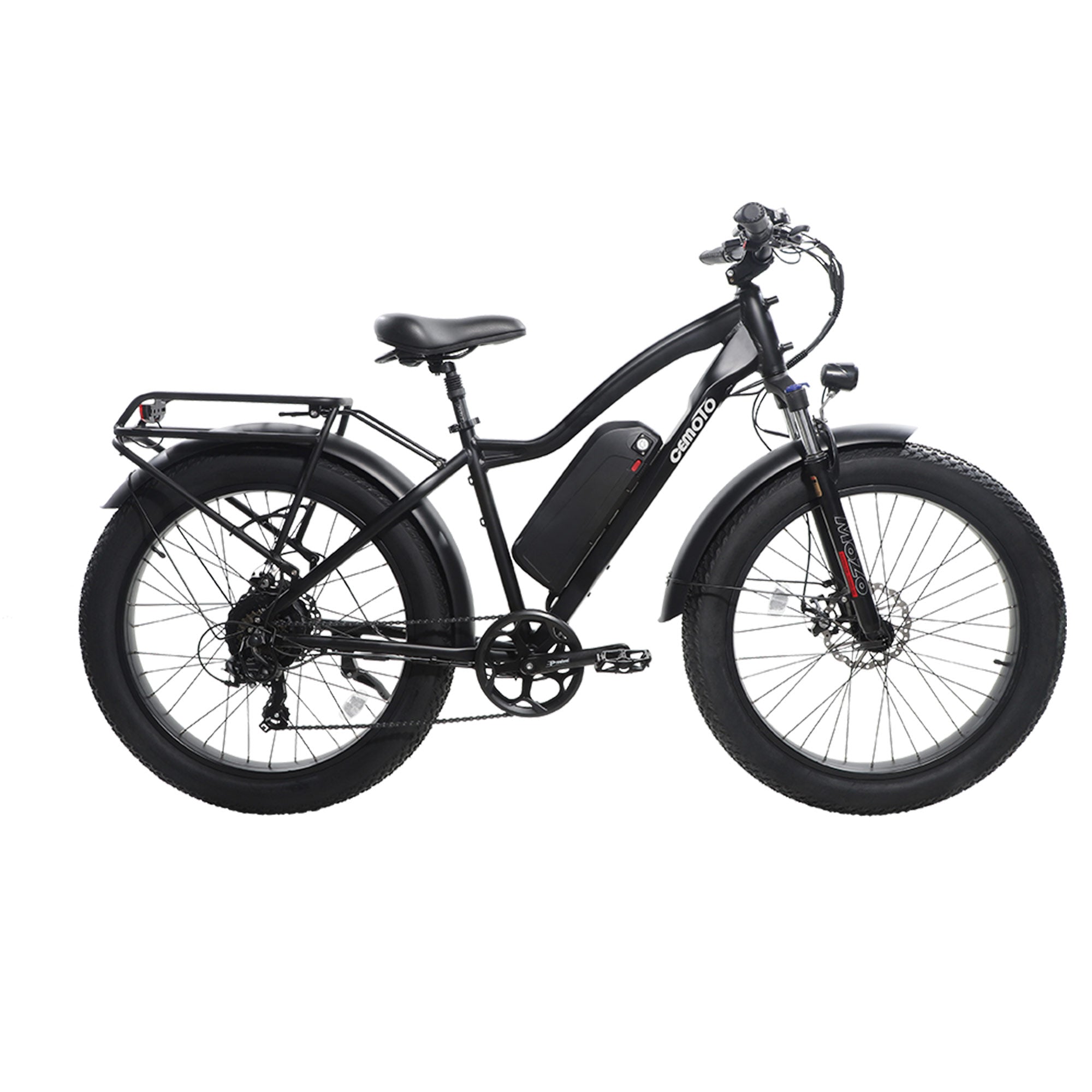
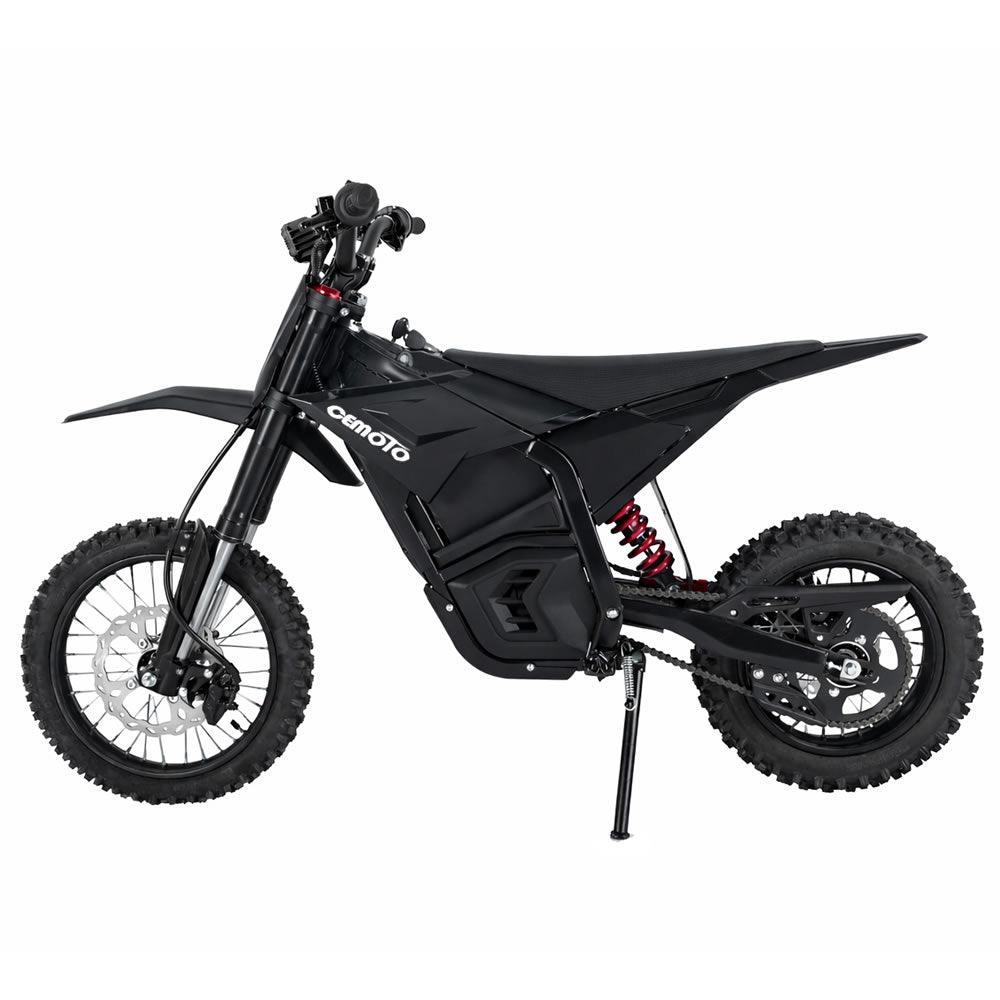
The D-Series hydraulic brake lever is listed for CEMOTO D-Series bikes, offers left- and right-lever options, and is a lever-only package. The caliper and hydraulic system aren't included. Confirm that the series, lever side, and package contents match the diagnosed repair before purchasing. If the bike, position, wheel-size option, or included parts don't match the current product information, pause the order and contact the seller or a qualified technician rather than guessing.

The right replacement decision is conditional: confirm the fault, verify the exact fit fields, and order only the component or system that matches both the findings and the package contents.
Frequently Asked Questions
These answers address common search questions while keeping the same inspection and safety boundaries.
Why do electric dirt bike brakes squeak after replacement?
When new pads or a rotor are followed by squealing but braking remains firm and consistent, review the installed system's bedding instructions rather than improvising a universal sequence. If lever effort or stopping response isn't normal, the change in braking behavior is a reason to arrange an inspection.
Can a light intermittent rub be handled differently from severe drag?
Yes. Light intermittent contact with normal braking can lead to an external check of rotor seating, pad contact, and caliper position. Persistence or severity takes precedence, so marked drag or constant contact requires inspection before riding instead of a ride-based test.
Should I replace the pad, rotor, lever, or complete brake system?
Choose the smallest supported replacement that matches a confirmed condition, such as contamination or visible damage. Before ordering, compare the diagnosed component with the bike series, wheel position, wheel-size option, lever side, and package contents. The D-Series lever is sold without the caliper and hydraulic system.
