

What to Pack for a First Electric Dirt Bike Ride


Build a first-ride load with electric dirt bike accessories, then scale tools, recovery, hydration, charging, documents, and layers to the route and forecast.
Pack the protective basics first: a properly fitted helmet, eye protection, gloves, long pants, and over-the-ankle footwear. Then add only the tools, water, communication, charging equipment, documents, and weather layers that fit your bike, route, and distance from help. This first-ride checklist separates what to pack now from electric dirt bike accessories that can wait. If a critical safety, mechanical, electrical, battery, charging, access, or weather detail is unresolved, shorten or postpone the ride rather than improvising.

What to Pack for Your First Electric Dirt Bike Ride
For a first trail or private-property session, use the list below as your minimum load, then add only what the route and forecast call for.
- Pack now: A properly fitted helmet, eye protection, gloves, long pants, over-the-ankle footwear, water, a charged phone, and the bike's documented operating items.
- Add if needed: Model-specific tools, recovery equipment, food, basic first aid, personal medication, navigation, check-in details, charging equipment, extra battery capacity, and weather layers.
- Arrange before departure: Permission or property details, parking or unloading access, emergency contacts, return plans, and any support vehicle or pickup point.
- Defer: Unfamiliar repair equipment, unverified batteries or chargers, and convenience accessories with no confirmed use or secure location.
Electric Dirt Bike Accessories: Protective Equipment
Use these electric dirt bike accessories as your protective baseline, starting with a properly fitted helmet. MSF's protective-gear guidance places the helmet at the center of motorcycle protective equipment. Check applicable rules and the product labeling for the helmet you choose rather than assuming one certification applies everywhere.
Carry goggles, a helmet shield, or shatterproof glasses for eye protection. U.S. Army eye-protection guidance identifies these options and does not treat a windshield as a substitute.

Gloves, long pants, and over-the-ankle footwear complete the practical baseline. Add more off-road protection when the terrain, pace, or exposure calls for it, but do not buy a generic set simply to fill the bag.
Bike, Tools, and Recovery
Bring the key, access device, or other operating items your bike requires, plus any model-specific tool for a simple adjustment you already know how to perform. Carry tools, fastener equipment, wheel or control items, connectors, inflation equipment, fuses, or replacement parts only when they match the bike and you can use them safely.
For a longer, remote, or unsupported outing, plan how both you and the bike would get back if the session ends early. A support vehicle, pickup point, phone signal, navigation method, or check-in contact helps only when it is actually available. Leave any part or tool you cannot identify or use safely for a workshop or qualified professional.
Hydration and Personal Items
Carry enough water for the planned session and keep communication available with a charged phone. The amount of water depends on the duration, weather, route support, and access to resupply. Add food, basic first aid, and personal medication when the ride is longer, remote, unfamiliar, or far from immediate help.
Save the destination, access details, return plan, emergency contacts, and check-in arrangement before leaving. A hard-shell gear bag can organize small essentials, but confirm its fit, secure placement, and clearance before using it on a specific bike. Keep every container clear of the steering, controls, wheels, suspension, drive components, and your movement as the rider.
Charging and Documents
Keep the exact bike and battery information, manual, charging instructions, permission or property details, and emergency contacts available. Carry a charger only when the model, connector, electrical requirements, charging location, safe transport, timing, and instructions are established for the planned outing.
Consider extra battery capacity only when the route and return margin justify it and the battery is compatible, practical to transport, and allowed by the relevant instructions. Do not purchase or carry a battery, charger, or mounting hardware based only on a product title, connector appearance, or another bike's specifications.
Weather Contingencies
Add an outer layer for wet or changing conditions and keep vulnerable items dry. In cold or hot weather, adjust clothing, hydration, and battery or charging plans according to the bike's instructions rather than assuming a universal operating limit. Protect documents and communication devices from the forecasted conditions, and reassess the return plan if the weather changes.
How Do I Choose Tools, Spares, and Personal Supplies for the Route?
The right kit is the smallest verified set you can use safely, scaled to how far you are from help. A short, supported session needs less recovery capacity than a remote outing, but nearby help counts only when access to people, supplies, and transportation is arranged.
Match the Kit to a Bike Interruption
Before buying more electric dirt bike accessories, compare the bike's fasteners, wheels, controls, drive system, connectors, and serviceable parts with the tools you plan to carry. Carry an item only when you can identify it, know its purpose, and use it safely for a likely interruption. The bike's documentation determines fit for model-specific items.
For a short local trail or private-property session, the bike's operating items and familiar, verified adjustments may be enough when a support vehicle and return access are confirmed. For a longer or remote outing, improve recovery, communication, navigation, and return-margin planning before adding repairs you have not practiced. An unresolved mechanical problem is a reason to stop, not an invitation to experiment on the trail.
Match Personal Supplies to the Ride Plan
For a nearby ride, bring water, a charged phone, weather-appropriate clothing, and any personal medication or basic first-aid supplies you may need. Add food, navigation, a check-in plan, and recovery arrangements as duration, remoteness, unfamiliar terrain, or changing weather increases. Each item should address a specific interruption rather than becoming a generic pile of accessories.
Secure every item in a small container that stays clear of the steering, controls, wheels, suspension, drive components, and your movement as the rider. Confirm the route's parking, unloading, and recovery arrangements before reducing the load because you expect help nearby.
How Should I Plan Battery Range, Charging, and Ride Documents?
Do not assume you need a spare battery or charger for a first ride. Compare the planned route and return margin with the bike's documented battery information, then resolve compatibility, safe transport, charging access, and operating instructions before carrying either item.
Decide Whether Extra Battery Capacity or Charging Is Useful
A short local ride with a confirmed return plan may require neither extra battery capacity nor a charger. A longer or remote ride may justify extra capacity, but only when the battery system is compatible and the added weight, transport, and handling plan are practical. Do not treat a headline range as a universal promise; route conditions and the bike's information control the decision.
A charger becomes relevant when a suitable charging location, timing, connector, electrical requirements, transport method, and operating instructions are established. Keep the battery handling and storage directions with the bike. For broader context, federal micromobility battery-safety rulemaking materials support a documentation-first approach, but their scope does not establish a universal rule for every electric dirt bike.
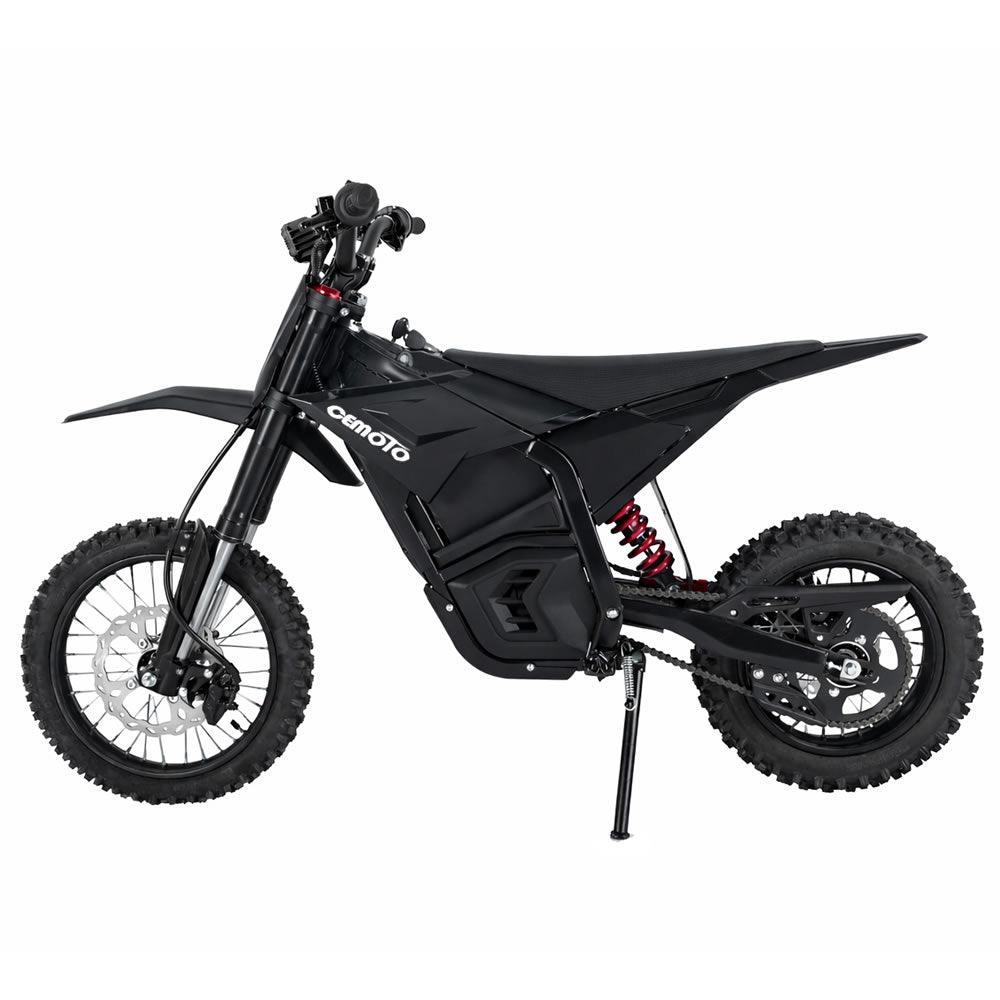
A battery-range planning guide can help organize the route question, but it cannot replace the instructions for a specific model. If you ride a CEMOTO D03, the model-compatible charging station is documented for CEMOTO D03 electric dirt bike battery systems. It is not a universal charger for an unspecified electric dirt bike.
| Planned situation | First decision | What must be established |
|---|---|---|
| Short, supported session | Carry neither by default | Return margin and access to help |
| Longer or remote session | Consider extra capacity | Battery compatibility, safe transport, and practical route need |
| Destination charging available | Consider a charger | Electrical and connector requirements, charging location, timing, and instructions |
Confirm Access Before Loading the Bike
Have permission, operating-area details, parking or unloading access, emergency contacts, and recovery help ready before loading. Keep the model information, charging instructions, and return or check-in plan accessible. If the destination cannot support the planned ride, choose a supported location or shorten the outing.
How Should Weather and Remoteness Change the Load—and When Should I Postpone?
Weather and remoteness change the margin you need, not the protective baseline. Add layers, dry storage, visibility planning, hydration, communication, navigation, recovery, and first-aid supplies as exposure and distance from help increase, while following the bike, battery, and charger instructions.
For wet or changing weather, protect documents and electronics, add suitable outer layers, and reassess the return plan before leaving. For cold or hot conditions, adjust clothing, hydration, battery planning, and charging or storage decisions without inventing a universal temperature limit. If charging would occur outdoors or in changing conditions, the equipment instructions determine whether that plan is usable.
For a remote ride, arrange communication, navigation, recovery, water, personal supplies, and a return margin rather than relying on an assumed support vehicle. If the route, access, or weather plan cannot support an early return, shorten the session or choose a more supported location.
Before departure, adapt the T-CLOCS pre-ride inspection to the exact bike: inspect tires and wheels, controls, fitted electrical equipment, chassis and fasteners, and stands, while omitting combustion-only checks that do not apply. Use the bike's instructions for model-specific battery, motor, brake, controller, and connector checks.
The final go/no-go decision is simple: if a critical protective, mechanical, electrical, battery, charging, access, or weather issue remains unresolved, pause. Consult the bike's instructions or a qualified professional, then shorten or postpone the ride instead of improvising.
Frequently Asked Questions
Use these questions for edge cases that arise after the main packing decision.
Can a Windshield Replace Separate Eye Protection?
No. Carry goggles, a helmet shield, or shatterproof glasses rather than relying on a windshield alone.
Does a Nearby Support Vehicle Change What I Pack?
It can reduce the recovery equipment on the bike only when the vehicle, route access, pickup point, and responsible person are arranged in advance. Keep the protective baseline, water, phone, and operating items with you.
What If Destination Charging Is Uncertain?
Do not load an unverified charger or battery. Use the planned return margin, choose a location with known charging access, or shorten the ride until the charging plan is workable.
What Should I Do After a Failed Pre-Ride Check?
Stop before riding if the issue affects protection, controls, wheels, electrical equipment, chassis, stands, battery, charging, or access. Resolve it through the bike's instructions or a qualified professional, then postpone if it remains unresolved.
