
Electric Dirt Bike Replacement Parts: Which Failures Need a Professional?


Use electric dirt bike repair guidance to sort accessible parts, service triggers, battery warnings, and no-ride damage before ordering or testing.
Electric dirt bike repair is usually manageable for an owner only when the issue is visible, the bike is powered down and not energized, and the work is limited to an accessible, non-load-bearing part covered by clear model instructions. Brake hydraulics, suspension setup, electrical diagnosis, battery or charger faults, and structural or crash damage may require qualified service or model-specific support when the procedure, cause, or result is unclear. A replacement listing may point to a possible part, but it does not confirm the diagnosis or prove that the repaired bike is safe to ride.

Before inspecting anything, power down the bike, remove the key or other activation source if applicable, secure the bike so it cannot move, and follow the applicable model instructions. Identify the affected system before ordering parts.
Electric Dirt Bike Repair: Start With the Escalation Matrix
Use the affected system and the unresolved risk—not simply the availability of a replacement part—to choose what to do next. This matrix is a conservative decision guide, not a universal engineering, legal, or certification standard.
| Failure area | Owner-level action | Professional boundary | Next route |
|---|---|---|---|
| Accessible mechanical parts | With the bike powered down, inspect a chain, accessible hardware, cover, or other non-energized, non-load-bearing component. | Stop if fitment, mounting condition, alignment, or required setup is unclear. | DIY inspection or a confirmed compatible part |
| Brakes | Document changed lever feel, visible wear or damage, leakage, loose hardware, or altered stopping behavior without attempting a procedure outside the model instructions. | Hydraulic work, unresolved stopping behavior, alignment uncertainty, and required setup may require qualified assessment. | Qualified repair shop or model-specific support |
| Suspension | Note visible damage, leakage, unusual play, bent parts, or changes in control or damping behavior. | Suspension disassembly, setup, damping questions, and unresolved handling concerns require qualified service or model-specific assessment when the procedure or result is unclear. | Qualified repair shop or model-specific assessment |
| Electrical controls and motor | Record when the fault occurs, any display indication, and observable external conditions without opening or energizing the system. | Motor, controller, display, throttle, wiring, and charging-circuit faults can have multiple causes and should not be diagnosed from a symptom alone. | Model-specific support or qualified repair shop |
| Battery and charger | Inspect only the exterior and record its condition without opening, bypassing, probing, or modifying the system. | A damaged, unusually hot, leaking, burned, smoking, arcing, or exposed battery or charger requires escalation—not repeated charging or testing. | Qualified service or appropriate support |
| Structural or crash damage | Document the event and visible condition without assuming the first failed part is the only damage. | Frame, fork, swingarm, wheel, axle area, brake mount, motor mount, battery mount, and other load-bearing or control-critical concerns require qualified inspection. | No-ride escalation and qualified inspection |
The practical rule is simple: compatibility is one gate, and safety verification is another. If you cannot establish the cause, procedure, fit, or post-repair result, seek an assessment instead of treating parts shopping as a substitute for one.
Which Mechanical Parts Can You Inspect or Replace?
Accessible, non-energized mechanical wear parts or bolt-on parts may be reasonable for an owner to inspect or replace when the exact model, instructions, fitment, mounting condition, and required setup are clear. This does not extend to the battery, motor, controller, hydraulic system, suspension internals, or load-bearing assemblies.
Start With Accessible Mechanical Wear
Begin with a visual inspection of visible chain wear or damage, loose or missing accessible hardware, a damaged cover, or another non-load-bearing bolt-on component. Keep the bike stable and avoid energized troubleshooting while investigating a mechanical issue.
The situation changes if threads are stripped, a mounting point is cracked, alignment cannot be restored as directed, or damage extends beyond the replaceable part. The part may be easy to remove, but the underlying repair may not be suitable for a basic at-home decision.
Confirm Fit Before Ordering a Replacement
A listing does not prove universal compatibility or make a repair safe to perform yourself. Before ordering, confirm the exact model and revision, stated application, dimensions or mounting information where provided, and any connector or setup requirements.
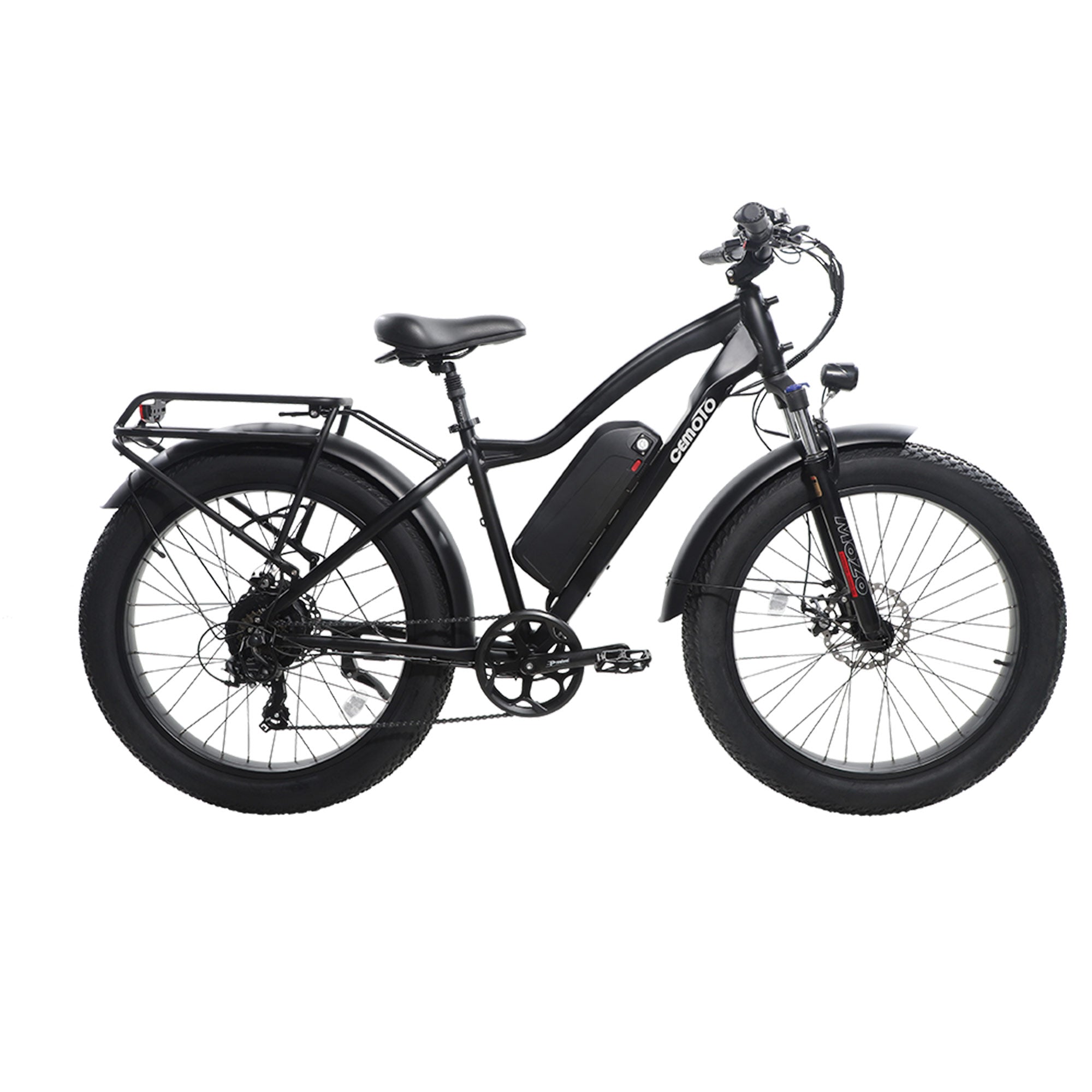
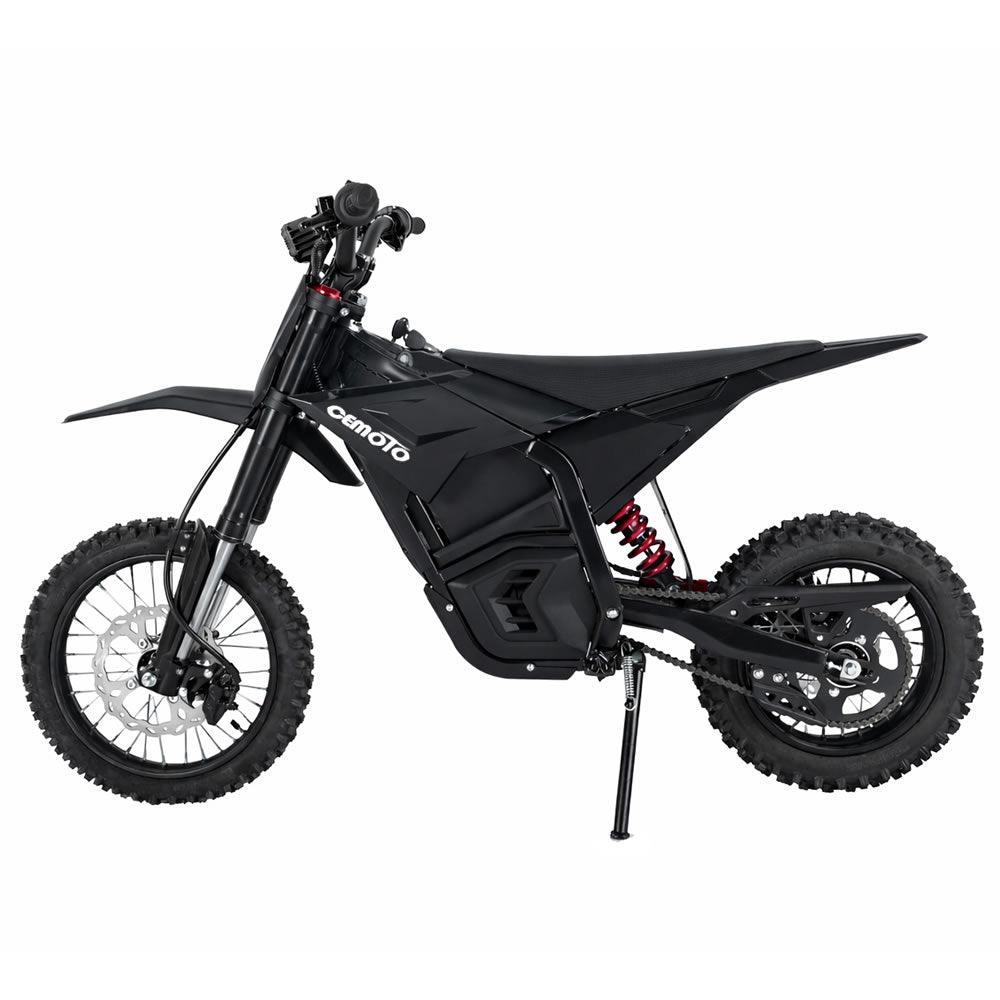
For a D03 bike, the D03 chain listing states compatibility with the CEMOTO D03 drivetrain and includes a standard master link. Use that information only if your bike matches the stated application. It does not show that another bike is compatible or that chain replacement addresses the actual fault.

Likewise, the D03 motor cover listing states fitment for the CEMOTO D03 motor housing and bolt-on installation. It may address a confirmed need for a protection part, but it cannot show that impact, heat, wiring, the motor, or surrounding structure is undamaged.
When Do Brake and Suspension Problems Need a Professional?
Brake and suspension problems may require qualified service or a model-specific assessment when they involve hydraulic work, setup, alignment, damping, changed control behavior, or a result you cannot verify confidently. You can document what changed, but observation alone is not a repair procedure.
Brake Symptoms Change the Escalation Choice
Changed lever feel, visible damage or leakage, loose hardware, and altered stopping behavior are useful observations to report. They do not identify a single failed component, and installing a new component does not prove that the braking system is ready for use.
The D Series brake system is a conditional replacement option only after you confirm the exact model, application, side, mounting requirements, and your ability to install it correctly. Its listing provides a 1412 option for a 1412 frame or bike, a 1714 option for a 1714 wheel size, and front or rear choices. Those details do not establish compatibility with another model or make hydraulic installation safe for every owner. If braking feel, stopping behavior, fluid condition, or alignment remains uncertain, choose qualified service before riding.
Suspension Behavior Needs Setup Context
Visible damage, unusual play, leakage, bent parts, or changes in control or damping behavior must be considered in the context of the complete fork or shock assembly. A replacement part may not resolve an alignment, mounting, or internal suspension problem.
Suspension disassembly, setup, and unresolved handling problems may require qualified service or a model-specific assessment. Keep the bike out of use until the control issue is resolved instead of using repeated rides to diagnose it.
How Should You Handle Electrical, Motor, Battery, and Charger Faults?
For electric dirt bike repair, record the symptom without opening or energizing high-risk systems, then use model-specific support or qualified service when the cause or procedure is unclear. Motor, controller, display, throttle, wiring harness, battery, charger, and charging-circuit faults should not be treated as routine parts swaps.
Record the Symptom Without Opening the System
Write down when the fault occurs, what changed beforehand, any display or error indication, and observable external conditions. Do not open, bypass, probe, modify, or repeatedly reset a battery, charger, controller, motor, or wiring system as a troubleshooting strategy.
If you need a contact route, the CEMOTO electric-bike FAQ can help with fitment questions, and CEMOTO support is another option for next-step questions. These resources do not replace a technical inspection or prove that a repair is safe.
Treat Battery and Charger Signs as an Escalation Trigger
A visibly damaged, unusually hot, leaking, burned, smoking, arcing, or exposed battery or charger is not a routine replacement-shopping problem. Stop charging and further testing while the condition is unresolved, then use qualified service or appropriate support.
CPSC warnings illustrate why the response must remain product-specific. For a named product covered by a CPSC battery warning, consumers may be directed to stop using or remove the specified battery and follow the listed disposal instructions. A separate CPSC wiring warning shows the same scope limit: a warning for a named product does not establish that CEMOTO products or every battery is recalled or unsafe.
Abnormal battery temperature belongs in electrical and battery escalation, not repeated charging or testing. The CPSC battery-temperature discussion provides context for treating unusual temperature as a warning sign, but it does not provide a universal field temperature limit or diagnosis.
When Should a Damaged Electric Dirt Bike Stay Out of Service?
Use this conservative stop condition: do not ride after a crash, drop, overheating event, fluid leak, or other visible damage when the condition may involve the frame, fork, swingarm, wheel, axle area, brake system, motor mount, battery mount, or another load-bearing or control-critical part. Also do not ride when a battery or charger is unusually hot, leaking, burned, smoking, or arcing, or when electrical wiring is burned or exposed. Isolate the bike and arrange a qualified inspection before further testing.
A replacement cover, wheel component, fastener, or other part cannot confirm the integrity of a frame, fork, swingarm, wheel, axle area, brake mount, motor mount, battery mount, or another load-bearing or control-critical area. If the bike or battery is covered by a product-specific recall or safety warning, follow the CPSC instructions for that product instead of applying a generic disposal or repair rule.
What Should Be Verified Before Returning the Bike to Use?
Return the bike to use only after the installed part and affected system pass model-appropriate visual and functional checks. Confirm fitment, then verify that fasteners, guards, mounts, cables, and wiring are secure and correctly routed.
Look for new looseness, leaks, unusual noise, fault indications, abnormal heat, or unpredictable response. Use only a controlled, low-consequence functional check supported by the applicable model instructions, and use any model-specified values or test parameters instead of improvising. If a safety symptom remains uncertain, obtain a qualified assessment before returning the bike to use.
The next action depends on the unresolved risk: inspect a clear, accessible mechanical issue; order a confirmed compatible part when the diagnosis and setup are clear; or use qualified service or support when the system, fitment, or outcome is uncertain. Apply the damaged-bike stop condition whenever it is triggered.
FAQ: Electric Dirt Bike Repair and Professional Service
These questions separate accessible mechanical work from service-route decisions and tasks that are not suitable for casual home repair.
1. What electric dirt bike repairs can I do myself?
You may be able to inspect or replace an accessible, powered-down, non-energized mechanical part when the model instructions, fitment, mounting condition, and required setup are clear. A listed part alone does not make a brake, battery, electrical, suspension, or structural repair a basic replacement.
2. When should I take an electric dirt bike to a repair shop?
Choose a repair shop when braking or suspension behavior remains unresolved, the work involves hydraulic or suspension setup, or motor, controller, display, throttle, wiring, battery, charger, or structural diagnosis is needed. Use model-specific support for fitment questions that cannot be answered from the part information.
3. Which electric dirt bike repairs are unsafe to do at home?
Do not open, bypass, probe, or modify a battery, charger, controller, motor, or wiring system, and do not attempt hydraulic brake work or suspension disassembly when the required setup or procedure is unclear. Stop charging and further testing if a battery or charger is unusually hot, leaking, burned, smoking, arcing, or visibly damaged, then apply the damaged-bike stop condition if it is triggered.
