

Electric Scooter Tires: Solid, Pneumatic, or All-Terrain?


Choose the right electric scooter tire setup for your route by weighing flat exposure, cushioning, traction, maintenance, tread, and compatibility before you buy.
Solid tires are the lower-upkeep choice for predictable pavement and riders who want fewer flat-related interruptions. Pneumatic tires are the better comfort choice when cracked or rough pavement makes air cushioning worth the added pressure checks and puncture attention. All-terrain tires address recurring gravel, loose ground, or uneven surfaces, but all-terrain is a tread choice—not a replacement for the solid-versus-pneumatic decision.

Start with the surface you ride most often. Then choose between lower upkeep, air cushioning, or traction on changing surfaces. Before buying or installing a replacement, verify the exact scooter's approved tire setup.
Which Electric Scooter Tire Type Fits Your Route?
The best electric scooter tires depend on the tradeoff you are willing to accept. Choose solid construction when lower flat-related upkeep matters most, pneumatic construction when cushioning matters most, and all-terrain-oriented tread when loose or uneven surfaces are a regular part of the route.
| Tire direction | Puncture exposure and routine upkeep | Cushioning and comfort | Traction emphasis and best fit |
|---|---|---|---|
| Solid | Lower exposure to puncture-related interruptions and no routine air-pressure checks. It is not a promise of zero maintenance. | Firmer ride, especially over repeated cracks and bumps. | Predictable paved routes where lower upkeep is the priority. |
| Pneumatic | Requires pressure checks and remains more exposed to flats. | Air cushioning generally creates a more forgiving ride on imperfect pavement. | Road-oriented comfort and traction when the rider accepts more upkeep. |
| All-terrain-oriented | The label does not establish puncture protection. Check whether the underlying tire is solid or pneumatic. | Tread alone does not establish comfort. | Deeper or knobbier tread for recurring gravel, loose ground, or uneven surfaces. |
For a fuller explanation of the solid versus pneumatic tire tradeoffs, keep the choice rule simple: select construction for upkeep and cushioning, then select tread for the surfaces you actually ride. An all-terrain label does not automatically mean fewer flats, a softer ride, better wet-weather control, or a compatible fit.

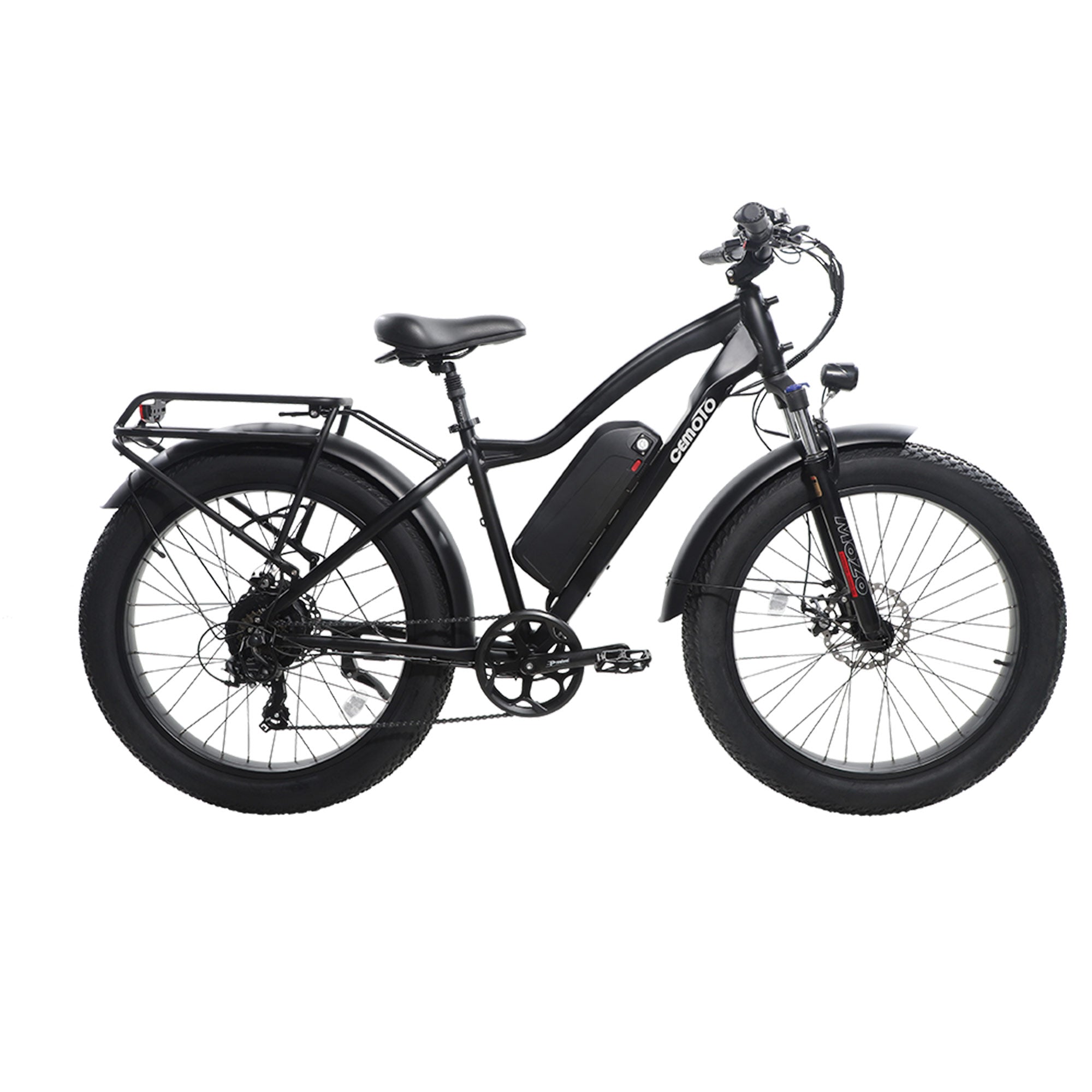
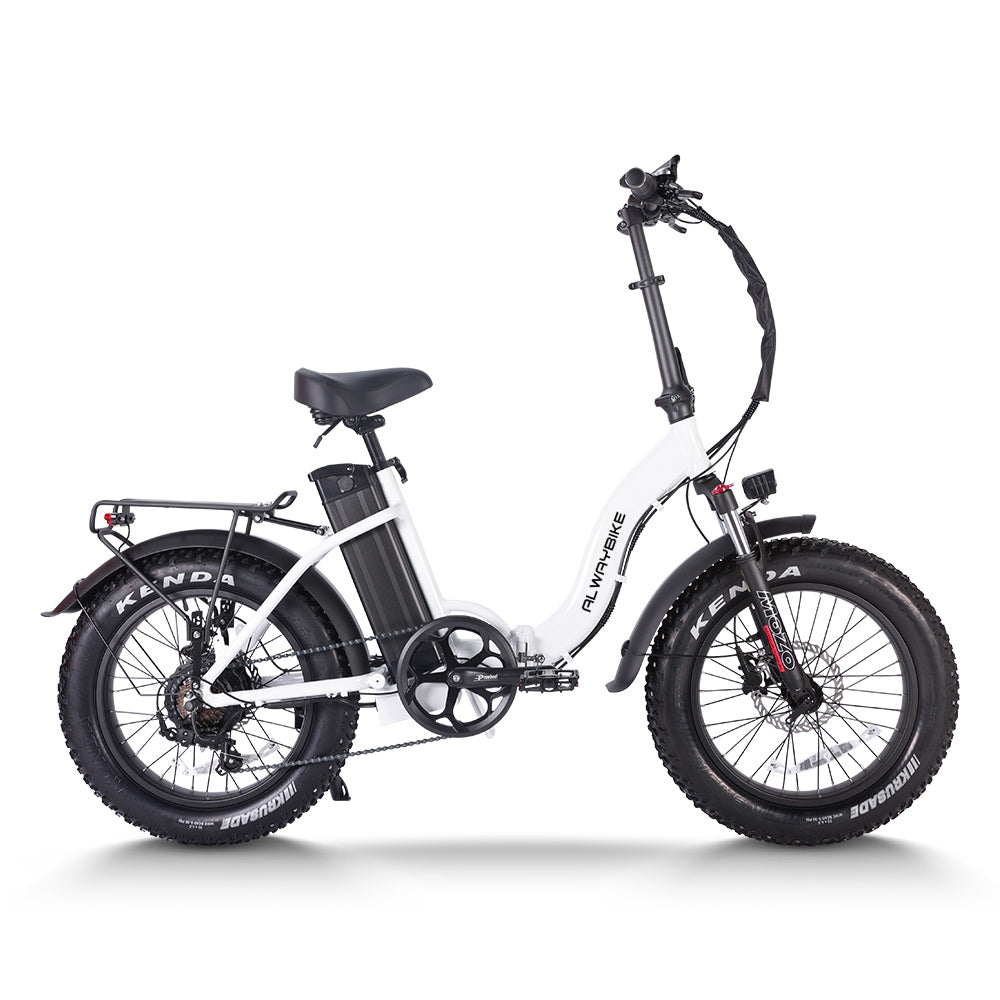
If you are comparing a complete ride rather than a replacement tire, our Cemoto EB40 commuter bike is a separate product option for city riding. Its listed tire setup does not establish compatibility with any electric scooter tire, so use the model-specific checks below before treating any tire as a replacement.
Choose Solid Electric Scooter Tires for Lower Upkeep
Choose a solid tire when your route is mostly predictable pavement and avoiding pressure checks or flat-related interruptions matters more than maximum cushioning. Solid construction eliminates the air-pressure task and generally reduces puncture-related interruptions, which can make it appealing for a regular city commute.
The tradeoff is a firmer ride. Repeated cracks, bumps, and uneven pavement can make that difference more noticeable than it would be on smooth streets. If daily comfort or a more forgiving ride matters more than lower upkeep, reassess the solid option instead of treating it as an automatic upgrade.
Solid construction is therefore a conditional fit. It suits riders who want a simpler tire routine and accept more road harshness, provided the scooter manufacturer approves that construction for the exact wheel and tire setup.
Choose Pneumatic Electric Scooter Tires for Cushioning
Choose pneumatic construction when repeated cracks or rough pavement make air cushioning a daily priority and you accept pressure checks plus greater flat-related attention. Air-filled tires generally feel more forgiving over imperfect pavement because the air provides cushioning, which can matter on a longer or rougher commute.
That comfort has an upkeep cost. You must monitor pressure, and pneumatic tires remain more exposed to punctures than solid tires. This choice makes sense when reducing vibration and ride harshness matters more than choosing the lowest-maintenance setup.
Pneumatic tires can also provide the stronger general road-traction direction, but do not treat that broad comparison as a model-specific guarantee. The air-filled cushioning and traction guidance supports a conditional choice: pick pneumatic when the route and your maintenance tolerance justify it.
Choose All-Terrain Electric Scooter Tires for Changing Surfaces
Choose all-terrain-oriented tread when gravel, loose ground, or uneven terrain is a recurring part of the route. Deeper or knobbier tread is designed for changing surfaces, so it addresses a traction need that ordinary road-oriented tread may not address as well.
All-terrain is not a separate construction. A tire can have an all-terrain tread while still requiring a separate solid-versus-pneumatic decision. Tread appearance does not prove that the tire is more comfortable, less prone to punctures, better in wet conditions, or compatible with your scooter.
Use deeper tread for loose surfaces only when those surfaces are part of normal use rather than an occasional exception. Then verify the complete approved setup. If the route is mostly smooth pavement, aggressive tread may solve a problem you rarely have while leaving the construction tradeoff unresolved.
Apply the Route-First Tire Decision
Use this sequence to turn your route and maintenance preferences into a tire direction:
- Identify the dominant surface. Decide whether you ride mostly smooth pavement, repeatedly cracked or rough pavement, or regular mixed and loose terrain.
- Choose the non-negotiable priority. Pick fewer flat-related interruptions and lower upkeep, air cushioning and comfort, or traction across changing surfaces.
- Select construction or tread. Favor solid for predictable pavement and low upkeep, pneumatic for rough pavement and cushioning, or compatible all-terrain-oriented tread for recurring loose surfaces. Remember that all-terrain still requires a solid-or-pneumatic choice.
- Verify the approved setup. Check the exact scooter's tire and wheel requirements before purchase or installation.
Before shopping, write down the surface you ride most often and the one tradeoff you will not accept. Let the normal commute outweigh an occasional gravel path or rough shortcut. That keeps an unusual ride from driving a poor everyday choice.
Verify Electric Scooter Tire Compatibility Before Purchase
Stop before buying or installing a replacement if any required fit detail is unconfirmed. A generic size or aggressive tread pattern is not enough. The tire must match the exact scooter's specified setup and applicable ratings.
Check these details against the scooter manufacturer's documentation:
- Specified tire size: Confirm the complete size, not just a diameter that appears similar.
- Approved construction: Verify whether the scooter calls for solid or pneumatic construction before considering a change.
- Wheel or rim design: Confirm that the tire's interface matches the exact wheel or rim design.
- Manufacturer compatibility and ratings: Check manufacturer approval plus applicable load and speed ratings.
The manufacturer-specified replacement criteria also matter when a shopper considers changing the specified size or construction, because those changes can affect the intended handling characteristics. Do not proceed when the size, construction, wheel design, approval, or required rating cannot be confirmed.
This compatibility stop applies to every direction. Do not assume a solid-tire conversion is acceptable because the dimensions look close, and do not assume all-terrain tread will fit because it appears useful for your route.
FAQs
Are Solid Tires Better Than Air Tires on an Electric Scooter?
Neither is universally better. Solid tires favor fewer puncture-related interruptions and lower routine upkeep on mostly smooth pavement, while pneumatic tires favor cushioning when the route is cracked or imperfect and you accept more tire attention.
Which Electric Scooter Tires Get Fewer Flats?
Solid tires generally offer lower puncture exposure because they do not depend on an air-filled setup. They are not a promise of zero maintenance or universal fit, so confirm the scooter-approved construction before buying.
Are Pneumatic Scooter Tires More Comfortable?
Generally, yes. Pneumatic tires provide air cushioning and can feel more forgiving over cracked or rough pavement, but that comfort comes with pressure checks and greater puncture-related upkeep than solid construction.
