

Electric Tricycle Frames: Step-Through or High-Step?


Compare electric tricycle frame access by mounting motion, clothing, stop frequency, storage, and fit so you can choose the right layout for daily riding.
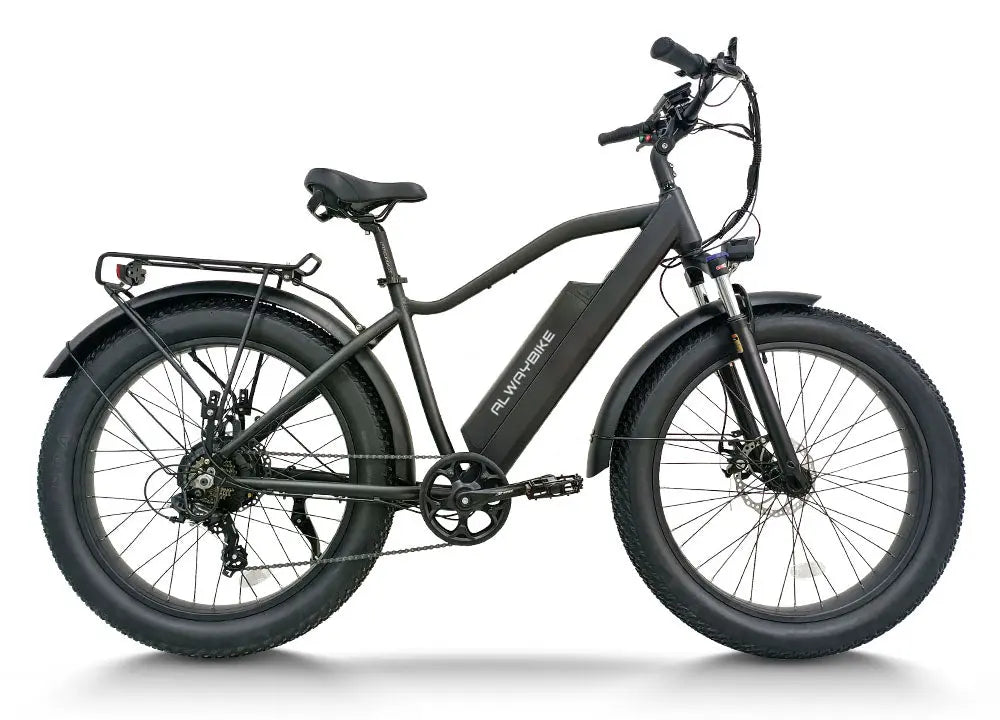
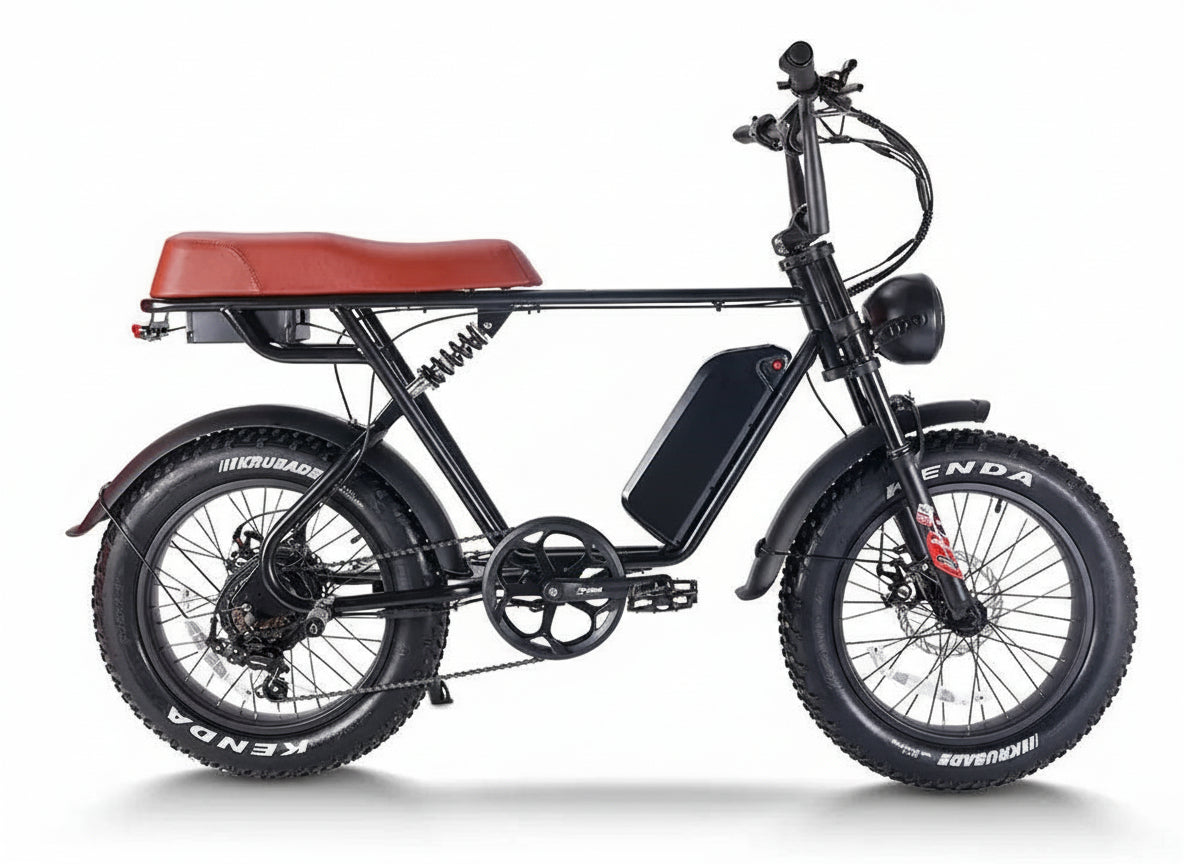
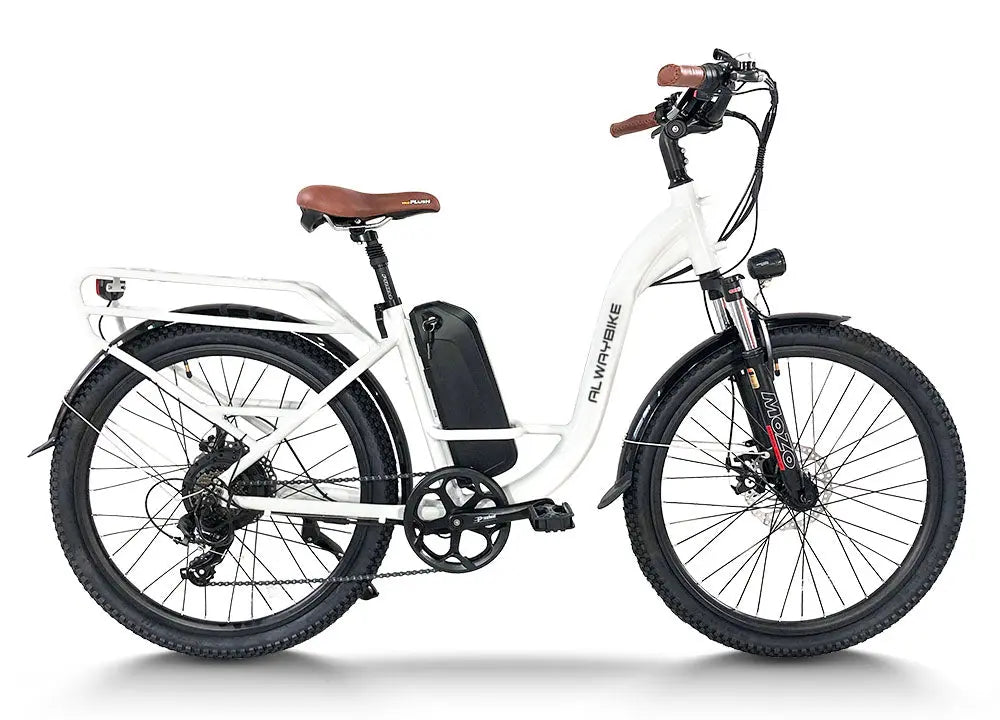
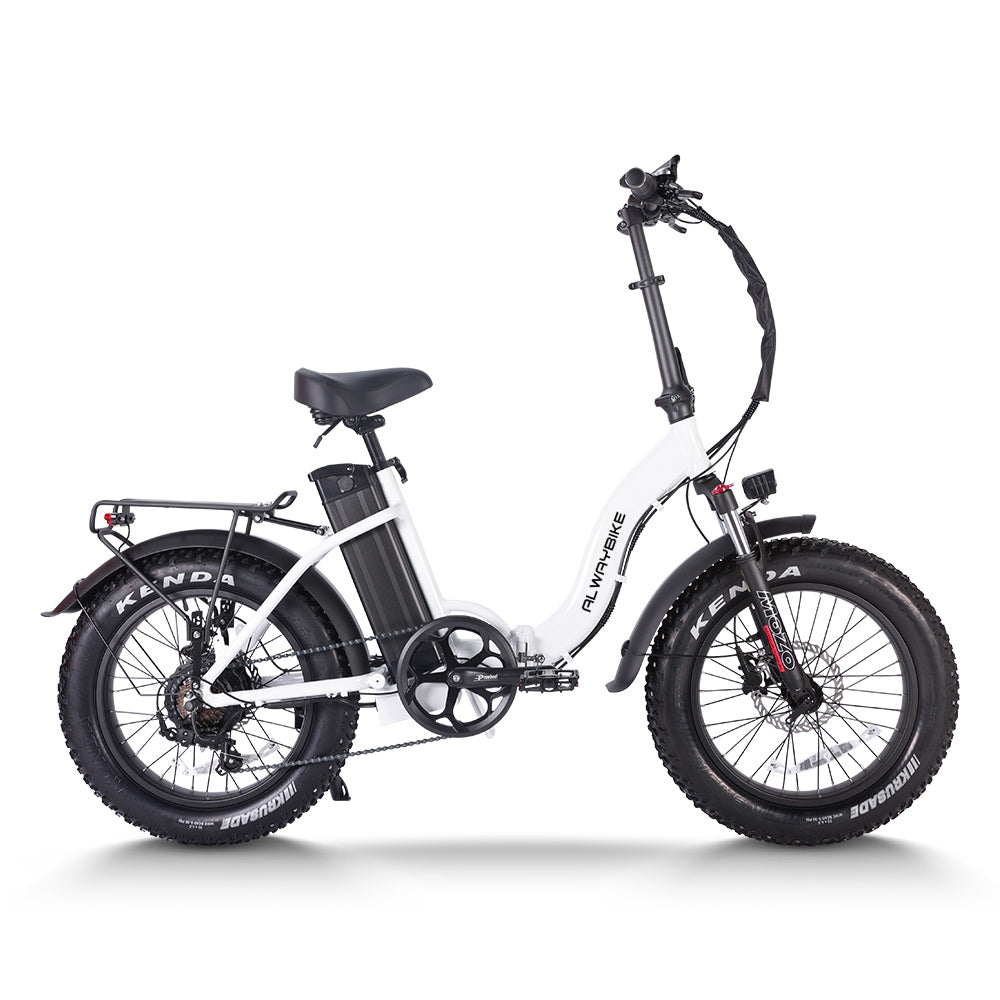
Step-through is generally the access-first choice for an adult electric tricycle, especially if you make frequent stops or want to avoid lifting a leg over a high top tube. A high-step frame can still be a good fit if you can comfortably and consistently clear the actual top tube and prefer that layout. Frame access does not determine overall stability, so evaluate handling and fit separately.

Step-Through vs. High-Step: Which Frame Fits Your Routine?
Choose a step-through frame when easy mounting and dismounting are your top priorities. Consider a high-step frame when its leg-over motion feels comfortable during your usual rides and with the clothing you normally wear.
| Frame style | Best fit when | Tradeoff to verify |
|---|---|---|
| Step-through | You want to avoid lifting a leg over a high top tube or expect frequent stops. | Check the step-through opening, saddle-height range, adjustment limits, and reach on the actual model. |
| High-step | You can comfortably clear the actual top tube while the tricycle is stationary. | Check top-tube clearance in your usual shoes and clothing, then confirm saddle and handlebar fit. |
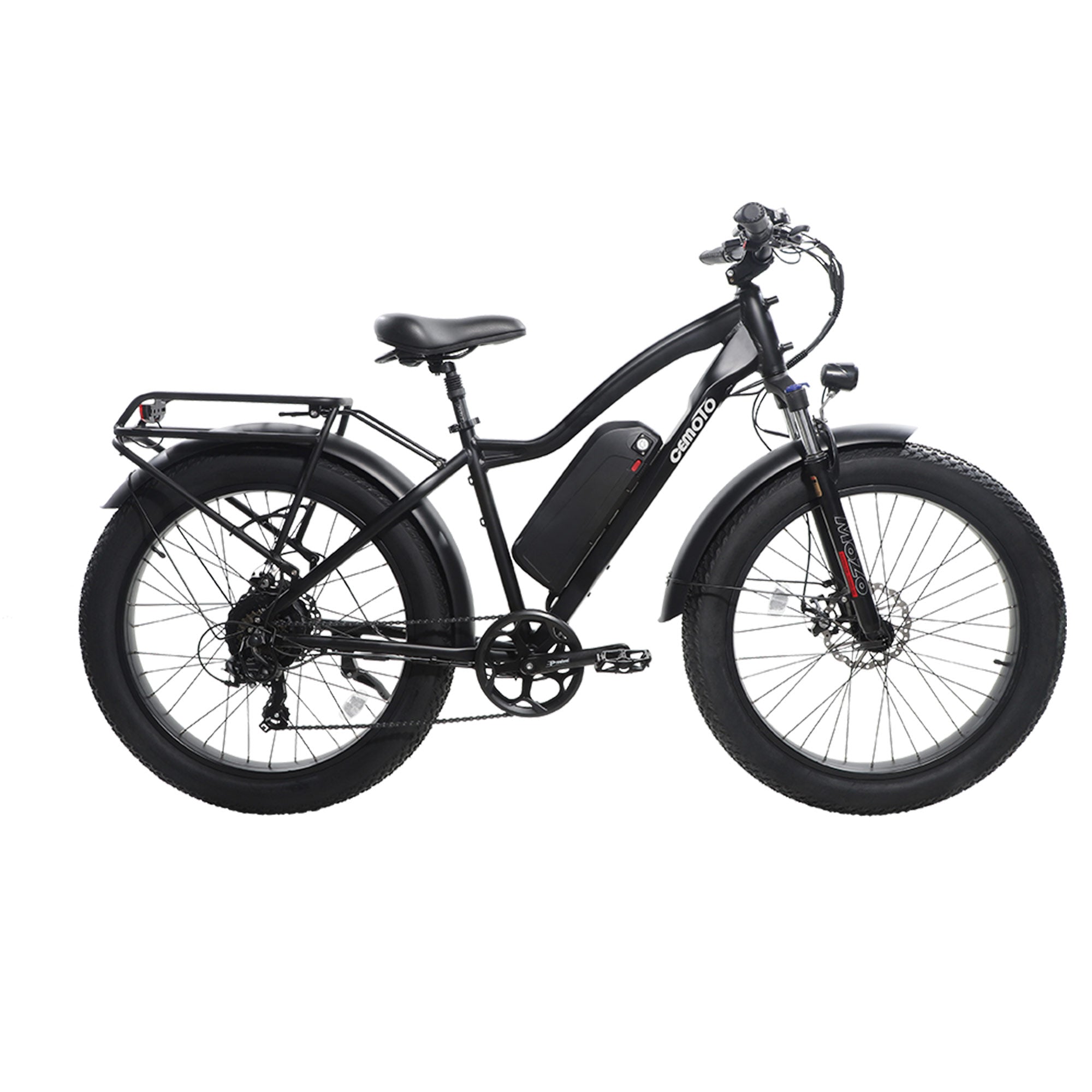
This is an access-and-fit decision, not a stability ranking. A frame label cannot tell you how the complete tricycle handles. Storage also requires a model-specific check. For a separate step-through city commuter example, you can view the CEMOTO AEB31 city commuter, but do not apply that bike's frame details to an electric tricycle.

Mounting and Dismounting: Compare the Two Access Patterns
A step-through opening lets you mount without swinging a leg over a high top tube. A high-step frame requires a leg-over motion, so you must clear the actual top tube when mounting and dismounting.
Test the motion with the tricycle stationary. Stand on the side you expect to use at ordinary stops, such as a driveway, parking area, or curbside stop. Recreate how you would place your feet, move into the saddle area, and step back down. On a step-through model, check that the opening provides the path you expect. On a high-step model, check that the top tube leaves enough clearance for a controlled, repeatable motion.
The goal is not to call one motion universally easy. The useful question is whether the actual model matches the motion you will repeat. A frame that feels acceptable during one showroom visit may be less convenient if your routine requires frequent stationary mounts and dismounts.
Clothing and Stop Frequency: Match the Frame to Daily Use
Favor a step-through frame when everyday or work clothing makes repeated leg-over clearance inconvenient, or when errands and commuting involve frequent stops. Consider high-step when stops are less frequent and you can repeat the leg-over motion comfortably in the clothing you normally wear.
Stop frequency can turn a small access difference into a repeated daily task. A route with several errands, parking-area stops, or driveway departures gives you more reasons to mount and dismount. On that kind of route, an easy clearance path may matter more than it would on a mostly uninterrupted recreational ride.
Clothing is a practical tie-breaker, not a health or safety measure. Compare the frame with the least convenient combination you regularly expect, such as work clothes plus repeated stops. If that combination makes top-tube clearance awkward, move a step-through electric tricycle higher on your shortlist. If your normal clothing and riding pattern make the motion comfortable and repeatable, high-step remains a workable option.
Frame Tradeoffs and Storage: Plan the Space Around the Trike
Do not assume either frame style is easier to store. Map the complete route to the storage spot, then compare the actual tricycle's dimensions, weight, accessories, and maneuvering points.
Start where you expect to mount and park the tricycle. Measure or inspect the path through doors, turns, thresholds, a garage, a shed, or an entry area. Then look at the space beside the parked tricycle. You need room not only for the tricycle itself, but also for the mounting motion and the movement needed to position it.
Frame layout may affect how you stand beside the tricycle, but it does not settle the storage question. A model with a convenient access opening can still be difficult to move around a tight turn. Conversely, a high-step model may fit a particular storage route if its complete dimensions and required maneuvering space work for you. Check the full route and parked position before using storage as a tie-breaker.
Frame Access Does Not Determine Stability
No. A step-through label does not mean an electric tricycle is less stable than a high-step model, and a high-step label does not prove greater stability. The labels describe access patterns, not the handling of the complete assembled tricycle.
Evaluate the actual model and your fit separately from the frame choice. The CPSC bicycle guidance discusses handling of the complete vehicle, so keep frame-access comparisons separate from conclusions about complete-model handling. Do not choose a frame on the assumption that easier mounting means better handling, or that a high-step layout means greater stability.
Verify the Actual Frame Before You Buy
Use the actual model's specifications and, when possible, a stationary test or test ride to check the access path. Follow this order so the frame label does not replace a model-specific fit check:
- Inspect the access path. Identify the step-through opening or the high-step top tube. Confirm that the path matches the side and motion you expect to use at ordinary stops.
- Check clearance in normal riding clothes. For a high-step model, test the actual top-tube clearance in the shoes and clothing you plan to wear. For a step-through model, confirm that the opening works during your intended entry and exit motion.
- Check the saddle position and adjustment limits. A step-through model still needs a usable saddle range for your mounting and seated positions. Do not assume an open frame removes the need to check adjustment limits.
- Check handlebar reach. With the saddle in a usable position, verify that the reach to the handlebars and controls works for your fit. Keep this check tied to the actual model rather than applying a generic dimension.
- Rehearse the stop and storage routine. With the tricycle stationary and enough space beside it, repeat the expected mounting, dismounting, parking, and repositioning motions. Then confirm the complete route through the doorway, threshold, turn, garage, shed, or entry area.
Stop the purchase decision if the actual model does not allow a comfortable frame-clearance motion, usable reach to the controls, or practical maneuvering through the intended mounting and storage space. These are fit and space conditions for the specific tricycle, not conclusions based on the frame name alone.
FAQs
Which Electric Tricycle Frame Is Easiest to Get on and Off?
A step-through frame is generally the easier access option because it avoids lifting a leg over the high top tube. Confirm that the specific opening, saddle range, and reach work for your mounting routine.
Are Step-Through Electric Tricycle Frames Less Stable?
Not based on the frame label alone. Step-through and high-step describe access, while stability and handling must be evaluated on the complete tricycle and in relation to your fit.
How Do I Choose the Best Frame for an Adult Electric Tricycle?
Start with a step-through electric tricycle if frequent stops, everyday clothing, or avoiding a high top-tube motion matters most. Consider high-step if you can comfortably repeat the leg-over motion, then verify the actual model's frame fit and storage route.
Choose the Frame That Matches Your Routine
Write down the condition that matters most: simpler clearance at repeated stops, or comfortable high-step clearance in your normal clothing. Run the specific model through the access, saddle, reach, mounting-space, and storage-route checks. Add it to the cart only if the complete routine works.
