

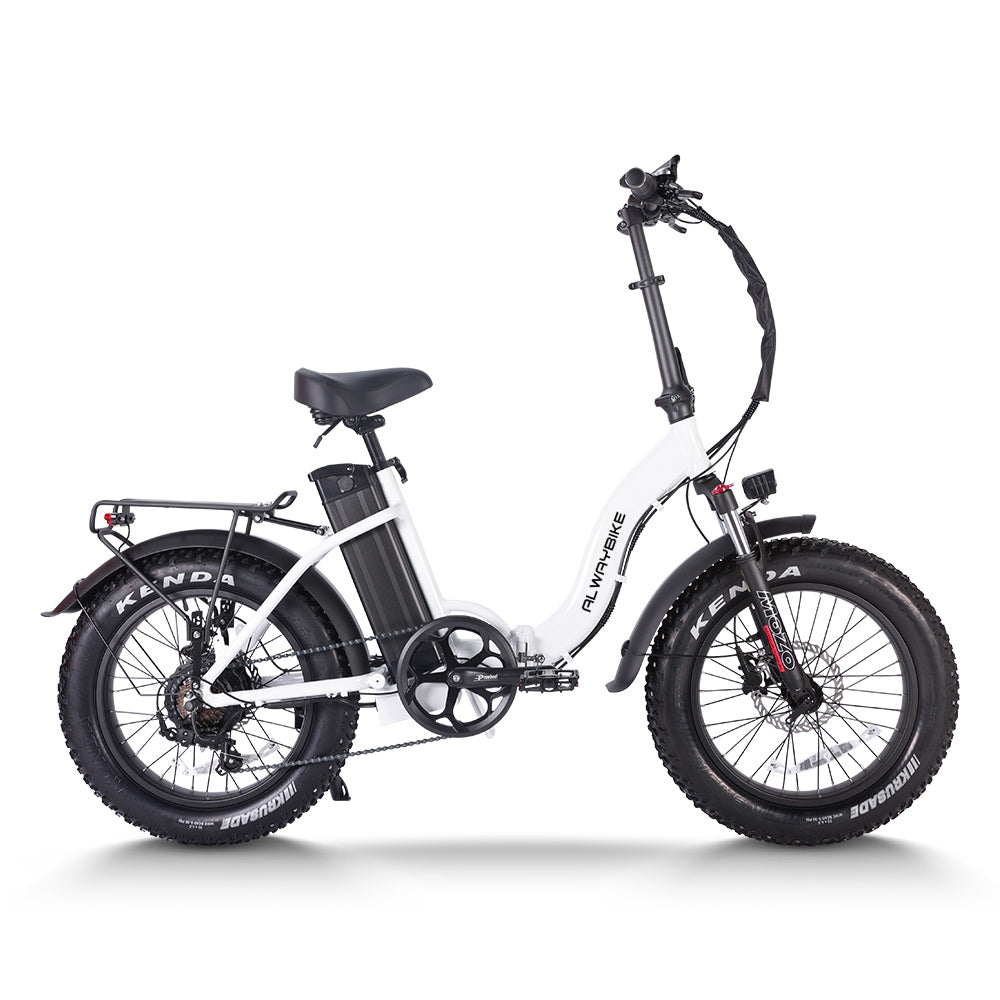
Foldable Electric Bike or Compact Scooter for the Last Mile?


Choose an electric folding bike for commuting or a compact scooter by testing transit rules, carry stages, ride surfaces, storage, and charging first.
For an electric folding bike for commuting, choose the bike when the outdoor ride is the toughest part and your specific plan for carrying, transit, storage, and charging works. Choose a compact scooter when repeated carrying or tight indoor storage is the bigger challenge and your route allows it. Choose neither when an unavoidable policy, carrying, route, storage, or charging requirement fails.

Start with the stage you cannot avoid: stairs, a platform transfer, boarding, the outdoor ride, office entry, storage, or charging. That constraint should determine which format you look into first—not a category label or a blanket claim about the “best” option.
Choose an Electric Folding Bike for Commuting or a Compact Scooter Based on the Toughest Constraint
The hardest unavoidable stage determines the initial category choice. An electric folding bike for commuting deserves a closer look when the last-mile ride is longer or less predictable. A compact scooter deserves a closer look when repeated carrying and tight storage drive the decision. If neither format clears that toughest stage, choose neither until you have a practical workaround.
A folding e-bike may be a good fit if you will ride farther, encounter rougher or less predictable pavement, or spend more of the commute outdoors. Before treating that category as purchase-ready, compare the candidate’s documented weight, folded dimensions, carrying method, tires, suspension, and operating guidance with your actual route.

A compact scooter may fit when stairs, narrow entry points, platform access, or a small designated office space create the main burden. That choice works only if you can carry the specific device through every required stage and the transit system allows it. Count the lifts and transfers, not just the distance traveled.
Choose neither if an unavoidable transit segment does not allow the device, a carrying stage is unmanageable, the outdoor route conflicts with the product’s instructions, or you have no permitted place to store and charge it. A different transfer, secure storage, or workplace charging may change the result. If no practical workaround exists, do not offset the failed stage with the easier parts of the commute.
Transit acceptance is not a universal category rule. Use each transit agency’s current rules to check device allowance, folded status, and busy-period restrictions for every relevant segment. The New Jersey guide is a method for checking agency-specific requirements, not permission for every US transit system.
Compare a Folding E-Bike and Compact Scooter Across the Commute
The matrix compares how each format may fit carrying, transit, riding, weather, storage, charging, and the overall route. The result remains conditional: agency policy and the exact product instructions can disqualify either format. The FTA’s shared-mobility definitions provide background terminology, not a boarding rule for a personal device.
| Decision factor | Folding e-bike fit | Compact scooter fit |
|---|---|---|
| Stairs and carrying | May fit when rolling stages dominate and carrying is limited. Establish the exact weight, folded dimensions, carry points, and every stair or transfer. | May fit when repeated carrying dominates and you can manage the specific device through all stages. Establish its weight, folded dimensions, carrying method, and number of carries. |
| Transit compatibility | No automatic advantage. Check the current agency policy for device allowance, folded status, and busy-period restrictions. Record any published limits on dimensions, batteries, boarding, or onboard storage. | No automatic advantage. A compact folded profile does not guarantee boarding. Apply the same current-policy check to every route segment. |
| Ride surface | May fit when the outdoor segment is longer or less predictable, subject to the candidate’s tires, suspension, operating guidance, and route conditions. | May fit when the route matches the exact model’s operating guidance. Account for pavement, curb transitions, drainage, and weather exposure instead of assuming category-wide performance. |
| Weather exposure | No universal weather-resistance claim is supported. Use the exact product’s operating, storage, and charging instructions before planning wet or exposed travel. | No universal weather-resistance claim is supported. Plan where the device will wait, dry, and charge according to the exact product guidance. |
| Storage | May work when the designated space accommodates the folded vehicle and indoor storage is permitted. Measure the space and confirm workplace, landlord, or building rules. | May fit a tighter designated space, but establish the exact folded dimensions, permission, and clearance from exits and escape routes. |
| Charging | Fit depends on an approved charging location and the exact product instructions. Follow CPSC charging guidance on using the approved charger and charging while attended. | The same charging gate applies. A small folded form does not solve a missing outlet, permission, or attended charging plan. |
| Overall route fit | Provisional fit when the ride is the toughest stage and the policy, carrying, storage, and charging conditions pass. | Provisional fit when carrying and storage are the toughest stages and the route and agency allow it. |
Record the row that fails first; it sets the next route or product check. Then compare the model’s weight, folded dimensions, carrying method, operating limits, and charging instructions with the stages you recorded. A category can look suitable until one repeated lift, storage restriction, or route condition makes it impractical.
Verify the Commute Before You Put a Vehicle in Your Cart
Write down the hardest unavoidable stage and the route segments around it first. Complete the checks in order, and keep shopping only when the physical route, current policy, storage, charging, and product documents line up.
- Map every transit segment. List each train, bus, subway, transfer, and return trip. Record the current policy for device allowance, folded status, and busy periods, plus any published limits on dimensions, batteries, boarding, or onboard storage.
- Rehearse the carrying stages. Walk through the home exit, stairs, platform, transfer, boarding point, office entry, and return route. Compare each stage with the candidate’s documented weight, folded dimensions, and carrying method instead of assuming an elevator or easy boarding.
- Inspect the outdoor segment. Note the distance, pavement, curb transitions, weather exposure, temporary parking, and any point where the vehicle will wait outside. Match those conditions to the product’s operating and storage instructions.
- Secure storage and charging. Measure the home and workplace storage locations, confirm permission with the relevant workplace, landlord, apartment, or building authority, and keep storage and charging away from exits and escape routes. Identify an outlet where charging can be attended, and follow the product’s charging instructions.
- Match the product documents. For the model you are considering, review its weight, folded dimensions, carrying instructions, operating limits, charging instructions, and applicable electrical-safety documentation. Category or collection pages do not establish those product facts. Do not use a universal charger just because its plug fits; confirm charger approval for the exact device.
- Stop or shop. If an unavoidable agency rule, carrying stage, route condition, storage location, or charging requirement fails and has no practical workaround, choose neither for this commute. If the checks pass, browse foldable e-bike options or electric scooter options, depending on the initial category, and repeat the product-document check for each candidate. Collection placement is navigation, not evidence of fit.
Frequently Asked Questions
These questions address exceptions that can change a route-fit decision after the initial comparison.
Is an electric folding bike for commuting or a compact electric scooter better for commuting?
Use the stage that repeats most often as the tie-breaker. Start with the folding e-bike when the ride is the limiting stage, or the scooter when carrying and storage are the limiting stages. If either format fails an unavoidable condition, neither is the practical choice for that commute.
Which is easier to carry on public transit: a folding e-bike or an electric scooter?
The easier option is the specific product that you can repeatedly lift, move, and board with. Count each lift and transfer, then compare the documented weight, folded dimensions, and carrying method with the current transit policy. A one-time carry test is not enough for a route with several daily stages.
Which is easier to store at work?
A scooter may fit a tighter designated space, while a folding e-bike may work where more indoor room is available. Measure both the folded footprint and the path into the storage area, confirm permission, and keep the location clear of exits and escape routes.
Can I bring a folding e-bike or electric scooter on a train or bus?
Only the current agency and route policy can answer that question. Check every segment, including transfers and busy periods, for the device allowance, folded-status rules, and any published conditions that apply to dimensions, batteries, boarding, or onboard storage. A rule for one transit system does not establish permission on another.
