

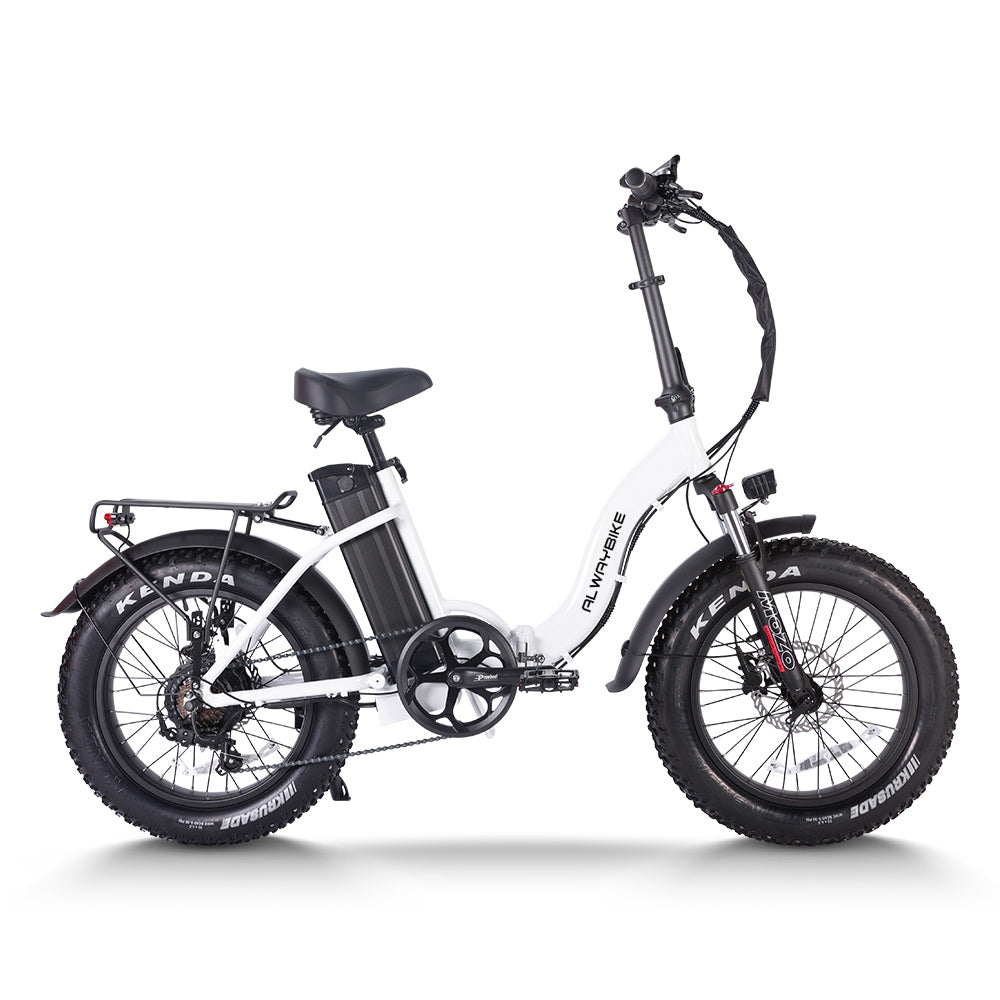

What to Inspect on an E-Bike After Repeated Folding

A practical folding e-bike maintenance routine covers latch security, hinge play, cable routing, alignment, and clear stop-riding signs after frequent folding.
Repeated folding changes what to inspect first: start with the latch, then check hinge and frame-interface movement, visible damage, cable routing, alignment, and normal operation. This folding e-bike maintenance routine helps you decide whether the bike is ready to ride, needs a basic step explicitly allowed by its manual, or should stay parked for service. It does not replace model-specific tolerances or repair instructions.
Run the Fold-Cycle Inspection for Folding E-Bike Maintenance
Start with the e-bike stable, properly unfolded, and powered off as directed by the owner's manual. Keep your hands clear of moving interfaces. If a result is not clearly normal, do not guess at a tolerance or repair method; use the model-specific folding instructions or seek qualified service.
| Inspection point | What to check and what a normal result looks or feels like | Next action |
|---|---|---|
| Prepare the bike | The bike is stable, fully unfolded in its normal riding position, and powered off as directed by the manual. | Stabilize it before checking movement, the latch, or cable routing. |
| Latch engagement | The folding latch seats fully and consistently when the bike is unfolded. It does not feel partly engaged or different from usual. | If it will not fully secure or does not seat consistently, keep the bike parked. Do not try to compensate by riding. |
| Hinge and frame-interface play | The hinge and nearby frame interface show no new or abnormal movement compared with the bike's usual secured condition. | If movement has changed or its cause is unclear, park the bike and use model-specific guidance or qualified service. |
| Visible damage | The hinge, frame, latch area, and nearby interfaces show no crack, deformation, or other suspected structural damage. | Stop riding and follow the manufacturer's or qualified service provider's recommended process for suspected structural damage. |
| Cable path | Cables remain clear through the fold path. Look for rubbing, pinching, fraying, exposed or unraveling ends, and interference with steering or controls. These issues are consistent with the cable-routing concerns described in U.S. bicycle safety guidance. | If a cable is damaged or interferes with folding, steering, or control movement, keep the bike parked until the issue is resolved. |
| Steering and wheel alignment | The handlebar and front wheel remain aligned as they normally are, and steering does not feel changed, loose, or restricted. A model-specific CPSC recall involving a foldable-bike alignment defect linked to steering-control loss shows why an unexpected alignment change should not be dismissed. | If alignment remains changed or steering feels compromised, do not ride. Use the manual or qualified service rather than inventing an adjustment. |
| Final normal operation | After the visual and movement checks, the controls and folding interfaces behave normally, without unusual resistance, rubbing, or instability. | Ride only when the relevant fold-related checks are normal. If the result is unclear, use the manual or seek service. |
This table is the primary folding electric bike maintenance checklist. Its order is deliberate: an unsecured latch or changed structural interface affects the decision before you spend time on less urgent observations. A normal visual check does not prove that the e-bike is safe to ride; it provides the information needed for the next decision.
Choose: Keep Riding, Take a Permitted Basic Step, or Park It
Keep riding only when the latch is secure, hinge and frame-interface movement matches the bike's usual secured condition, no visible damage is present, cables are clear and undamaged, alignment is normal, and operation is unchanged. CPSC guidance treats stable handling and controls that do not become loose or misaligned as relevant bicycle safety conditions, so a changed control or steering feel deserves investigation rather than casual reassurance.
A permitted basic step is limited to an action the specific owner's manual clearly authorizes, such as a model-approved cleaning or adjustment. Do not infer permission from a generic folding-bike guide, and do not improvise tightening, torque, alignment, or latch repairs. After any permitted step, repeat the affected inspection. If the normal result does not return, keep the bike parked and arrange service.
Park the e-bike when the latch is unsecured or inconsistent, hinge or frame-interface play is abnormal, structural damage is visible or suspected, a cable is pinched or damaged, cable movement interferes with steering or controls, alignment remains changed, operation is unstable, or the cause is uncertain. A CPSC recall involving named Tern folding-bicycle models treated a hinge-area frame crack as a fall hazard and directed affected consumers to stop riding. That example is model-specific, but it supports a conservative response to suspected structural damage near any folding hinge.
Do not use a riding workaround for an uncertain mechanical condition. Keep the e-bike parked until the manual or qualified service resolves the issue. If a recall notice may apply to your model, follow that notice rather than relying on this general inspection.
Set Inspection Triggers Around Folding Use
Make folding e-bike maintenance a repeatable habit tied to how you use the bike, rather than to an invented universal fold count. Follow any inspection cadence stated in the owner's manual, and complete the workflow whenever the bike is unfolded for a ride after frequent folding. No universal number of fold cycles or service interval applies to every folding e-bike.
Inspect before the next ride if you have carried the bike on stairs, used transit, transported it in a vehicle, dropped it, or exposed it to an impact. These events do not prove that damage occurred, but they are sensible reasons to compare the latch, hinge and frame interface, cable path, and alignment with the bike's normal secured condition.
Inspect sooner if you notice new looseness, rubbing, resistance, unusual noise, latch inconsistency, cable movement, changed alignment, or a different steering or control feel. If the change returns after a manual-permitted basic step, keep the bike parked and pursue model-appropriate service. Record what changed and when so the manual or technician has a specific symptom to assess.
FAQ: Folding E-Bike Inspection After Frequent Use
Do folding e-bikes need extra maintenance?
They need focused attention at the folding interfaces when they are folded and unfolded frequently. In addition to the ordinary riding checks covered by the bike's manual, pay particular attention to latch seating, hinge and frame-interface movement, visible damage, cable routing, and alignment. Use the manual for the model's cadence and permitted procedures instead of applying a universal fold count. If any fold-related result is abnormal or uncertain, keep the bike parked until it is resolved.
How do I check a folding-bike hinge?
Stabilize the correctly unfolded, powered-off bike as directed by its manual. Compare the hinge and nearby frame interface with their usual secured condition, looking for new or abnormal play, cracks, deformation, or changed alignment. There is no general numeric hinge tolerance to apply across models. Park the bike if movement or damage is abnormal or unclear, then use model-specific guidance or qualified service.
What should I inspect when my folding e-bike feels loose?
Start with latch seating because an unsecured or inconsistent latch is not a normal riding condition. Then assess hinge and frame-interface movement, handlebar and front-wheel alignment, and any cable rubbing, pinching, or interference with steering or controls. If the looseness affects handling, remains after an explicitly permitted manual step, or has an uncertain cause, do not ride. Keep the bike parked for model-specific guidance or qualified service.
