

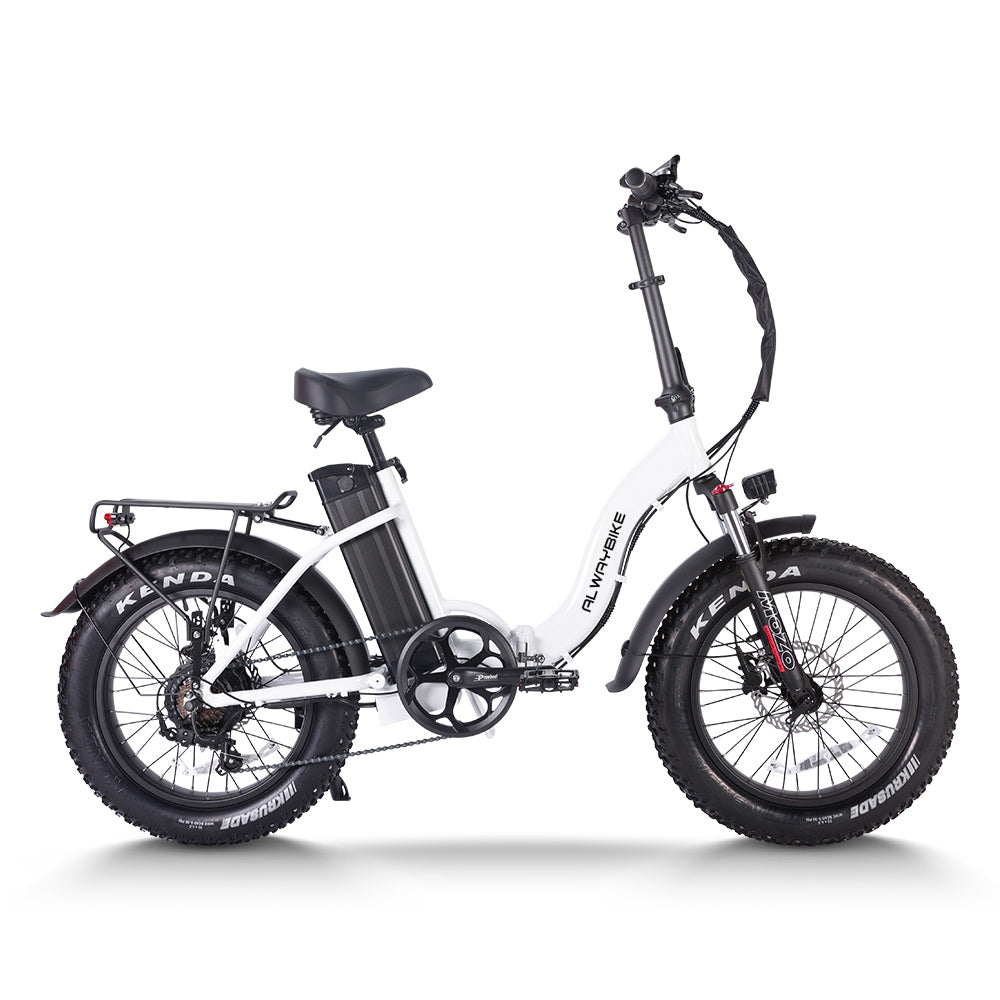
Step-Through E-Bikes for Adults: Who Benefits and What to Check


Find out when a step-through e-bike suits adult commuting and errands, then verify fit, controls, payload, battery support, and handling before purchase.
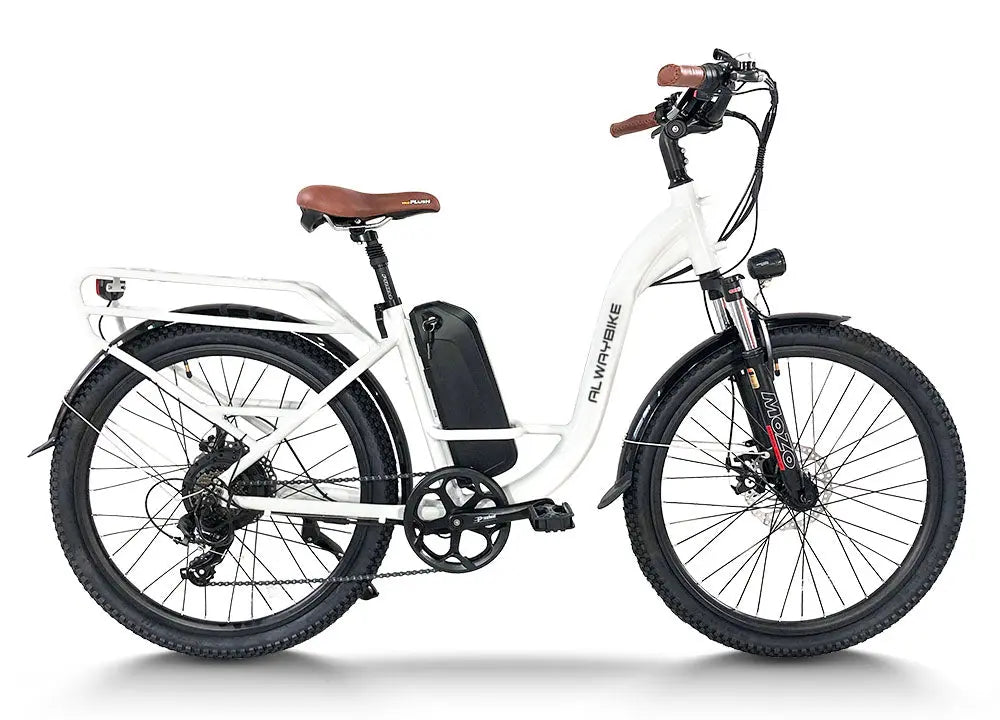
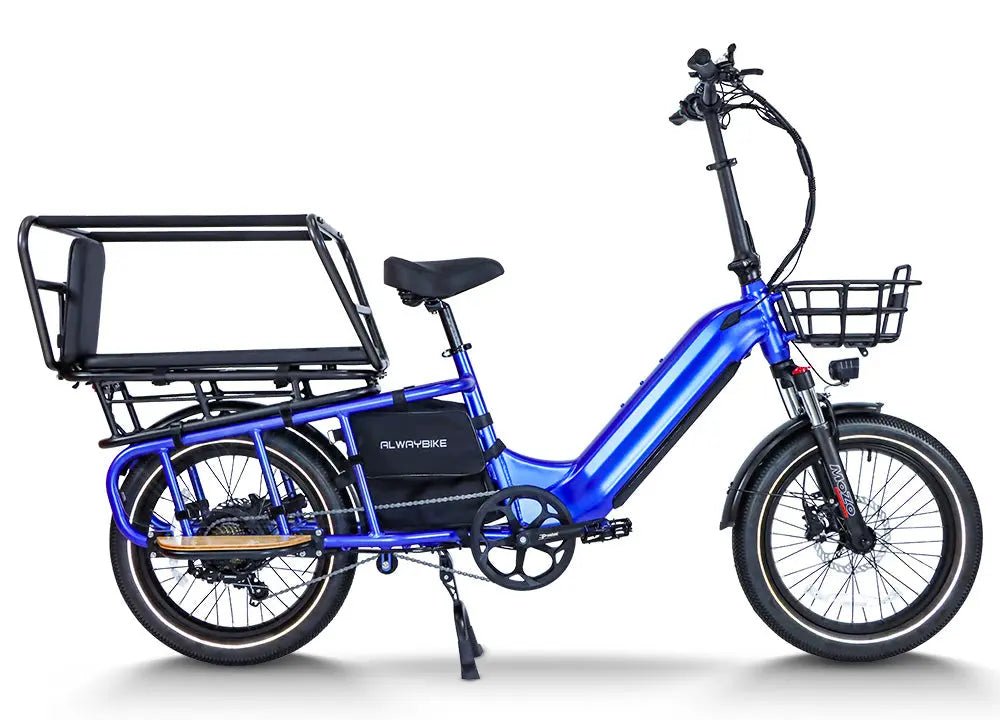
A step-through e-bike is usually the better starting point for an adult who mounts and dismounts often, rides in layered or work clothing, or makes frequent stops during commutes and errands. Compare a step-over or another frame style when its verified fit, handling, load setup, or route suitability better matches your routine. The open frame improves access, but it does not prove that the complete bike will fit, handle, or carry your intended load well.

Is a Step-Through E-Bike Right for You?
Choose a step-through when easy access is a regular part of your ride, not just a feature that looks convenient in a product photo. Frequent stops, work clothes, and everyday mounting can make the format worth prioritizing. Start with how you will use the bike—including commuting, errands, carrying needs, comfort, and fit—rather than choosing based on the frame label alone.
Compare another frame style when that complete bike offers a better-documented fit, easier control access, better handling, a more suitable load setup, or a better match for your route. A step-through frame does not automatically establish stability, comfort, strength, or control. The specific bike still needs a fit check, a load check, current ownership documentation, and a controlled test ride.

| Your recurring need | Frame to investigate first | What must still be verified | Next action |
|---|---|---|---|
| Frequent mounting, dismounting, or stop-and-go riding | Step-through | Fit, reach, controls, and handling | Test the complete bike |
| Layered or work clothing during daily rides | Step-through | Mounting clearance and controlled braking | Test with your usual clothing |
| A different frame has better-documented fit or load setup | Compare both formats | Exact dimensions, payload, and accessory limits | Request current specifications |
| No clear information about fit, load, battery, or support | Neither is cleared yet | Seller documentation for the specific bike | Resolve the missing details before ordering |
When Does a Low-Step Frame Help on Daily Rides?
Low-step access is most useful when you mount and dismount repeatedly. Intersections, parking areas, store stops, and short destinations can turn a small access benefit into a frequent part of your routine. If your commute involves several stops, prioritize a frame that lets you mount, settle into position, and start without awkward movement.
Layered clothing and work clothes can also make a low-step layout more practical. Jackets, heavier pants, or clothing you do not want to swing over a higher top tube may affect how easily you can get on and off. That convenience does not replace checking reach, starts, stops, and braking with the clothing you actually expect to wear.
Errands with bags or light cargo raise a separate question. The load may affect how you mount, where you place your feet, how easily you reach the controls, and how the bike responds while steering or braking. Use commuting, errands, carrying needs, comfort, and fit as your starting criteria, then check the specific bike rather than assuming the open frame solves cargo-handling concerns.
Check Fit, Reach, and Controls on the Specific Bike
The first concrete purchase gate is simple: you should be able to mount, sit, reach, brake, and operate the controls naturally on the specific bike. Use the seller's current dimensions and fit guidance, but do not treat a universal height range as proof that an adult step-through e-bike will fit.
Check mounting and dismounting first, including the clearance available in your normal clothing and with any planned bag or accessory. Once seated, look for a natural reach to the handlebar without stretching or twisting. Your hands should reach the brake levers and assist controls without forcing an awkward position or requiring you to give up control unnecessarily.
Check the display and mode controls from the position you would use while riding. If a product page does not provide the dimensions, adjustment details, or fit information relevant to your position, treat that as an unanswered purchase question. Ask the seller for current details or arrange a test ride instead of estimating from photographs, the frame opening, or a generic category description.
Check Handling and Stability Separately From Frame Style
You cannot draw an automatic stability conclusion from step-through versus step-over construction. Frame style alone does not make an e-bike more or less stable. Judge the complete bike's fit, setup, intended load, route surface, steering response, and braking behavior together.
An open frame can make access easier while the bike still has poor reach for a particular rider, awkward controls, or an unsuitable cargo arrangement. Pay attention to whether the intended setup feels predictable during starts, stops, gentle turns, steering changes, and braking. Published performance claims should also come from current documentation for the exact bike; do not infer handling from the frame's appearance, motor wording, or tire size.
Use the dedicated test ride to make this judgment. The goal is not to assign a stability score to a frame type. It is to determine whether the complete bike and your intended setup give you comfortable control during the actions your routine requires.
Match Total Payload to Your Commuting Load
Use this calculation before comparing a bike's capacity: intended total load = rider weight + clothing + bags + accessories + cargo. Compare that result with the specific bike's current stated complete-bike payload limit, then check any separate limit for a rack, basket, or other accessory.
- Add your expected rider weight, clothing, bags, accessories, and cargo.
- Compare the resulting total with the exact bike's published payload limit, making sure the limit applies to the complete bike.
- Check the separate rating and compatibility of the rack, basket, or other carrying accessory, and confirm that its placement will not interfere with mounting, steering, braking, or the controls.
This calculation is a selection method, not a payload limit. If the seller does not clearly document the relevant limit or accessory compatibility, do not estimate capacity from the frame, motor description, or tires. Request current documentation before treating the bike as suitable for your commuting load.
Confirm Battery Access, Service, and Seller Support
Battery ownership is a purchase gate, not a detail to fill in later. Confirm where you can access and charge the battery at home, work, or your intended storage location. Then verify the approved charger, compatible replacement-battery options, service availability, replacement parts, warranty terms, shipping, and returns for the exact bike.
Use only the supplied or manufacturer-approved charger and a compatible battery, follow the product instructions, and remain present while charging. The CPSC micromobility guidance also advises against modified or repurposed battery packs. A charger that physically fits is not automatically compatible, so ask the original manufacturer or seller to confirm an approved replacement rather than choosing a generic charger.
If electrical-system certification matters to your purchase, ask for current documentation identifying the applicable testing or certification and the accredited laboratory. PeopleForBikes' certification guidance discusses UL 2849 and UL 2271 as relevant standards for e-bike electrical systems and batteries; do not treat either standard as proof that the specific bike is certified.
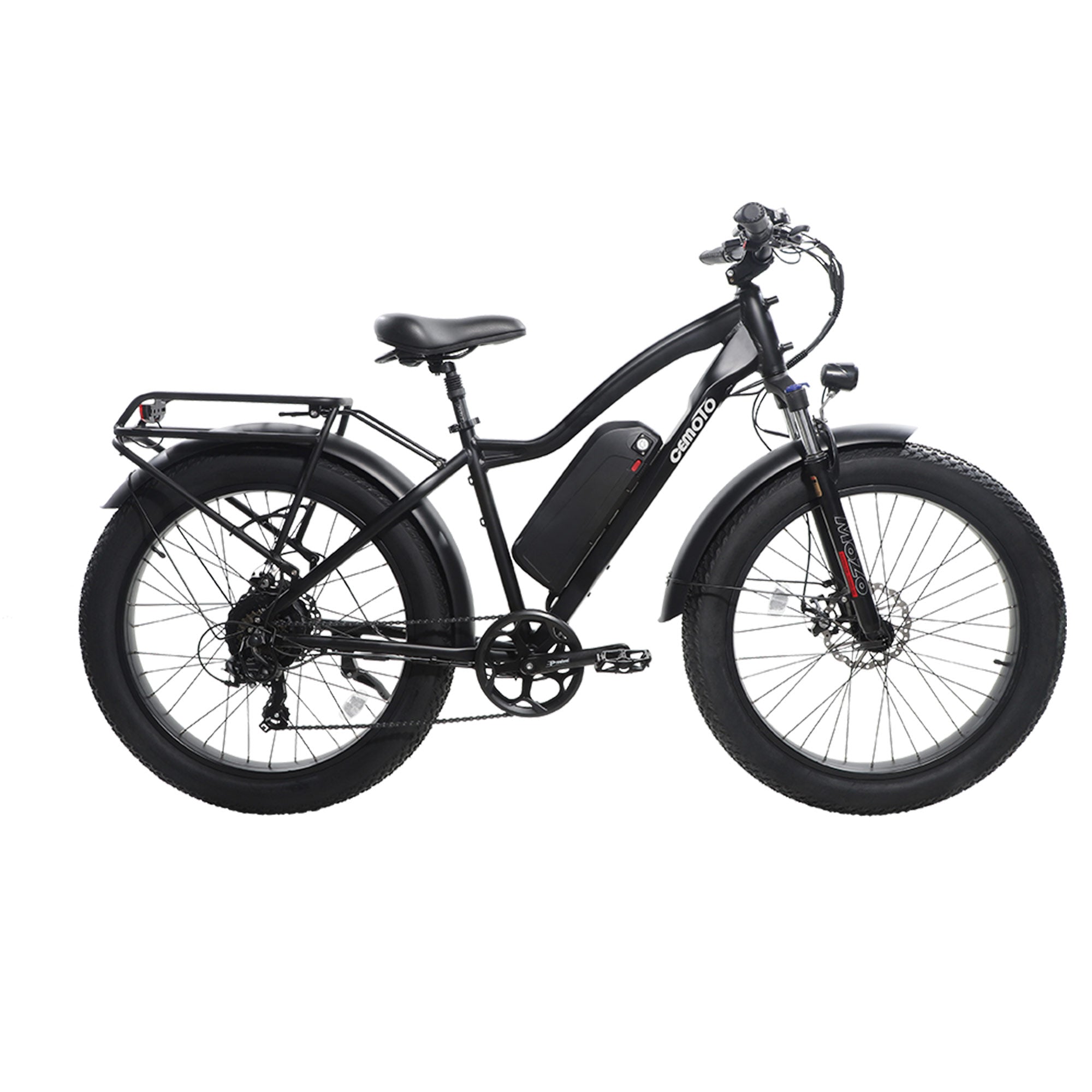
Do not infer a warranty, service network, replacement support, shipping policy, return period, or charger compatibility from a commuter description or collection page. The CEMOTO AEB31A is described as a step-through pedal-assist city commuter e-bike with a long-range battery, but those descriptors do not establish its payload, range, battery access, service, or support terms. Request any decision-changing detail that is absent from the current product documentation.
Use a Controlled Test Ride to Confirm the Decision
Start in an open, low-traffic area and use the riding position, accessories, clothing, and light load you plan to use. A fit guide and test ride can help confirm the match before purchase. Follow this sequence without treating the result as a guarantee of safety or route suitability:
- First, mount and dismount several times. Notice whether the frame opening, foot placement, clothing, and planned bag allow controlled movement.
- Next, start with assistance if the bike provides it. Check whether you can settle into the riding position without losing comfortable control.
- Then, make smooth stops. Repeat them with the brake-lever reach you would use in normal riding.
- After that, make gentle turns and steering corrections in the open area. Notice whether the setup and light load affect your control.
- Check the display and assist controls from the seated position without stretching, twisting, or taking an awkward hand position.
- Finally, repeat the mounting, starts, stops, turns, and braking checks with the planned bag or light cargo.
If you cannot maintain comfortable control during these basic purchase checks, stop the evaluation and do not clear the bike. For an online purchase, request current fit dimensions, payload and accessory limits, battery-access and charger details, service information, and the applicable warranty, shipping, and return policies before ordering.
Review a CEMOTO Commuter Option After Your Checks
After the checks, write down your confirmed requirements for access, fit, handling, total load, battery ownership, and seller support. Compare those requirements with the current CEMOTO city commuter details, using the page for product information rather than assuming the bike meets your needs.
The AEB31A's step-through city-commuter and pedal-assist descriptors make it relevant to review, but they are not a fit or performance recommendation. You can also browse the CEMOTO step-through commuter collection for available options. Before ordering, request any missing specification or policy that could change your decision, then arrange a test ride when that is part of your buying process.
FAQ
Are step-through e-bikes good for adults?
Yes, conditionally. Adults who value easier mounting, frequent stops, layered or work clothing, or everyday errands may prefer a step-through e-bike. The deciding condition is whether the specific bike also fits, handles comfortably, and meets its documented load and support requirements.
Are step-through frames less stable?
Not automatically. Frame style alone does not establish stability, so compare the complete bike's fit, controls, setup, intended load, and behavior during controlled starts, stops, turns, and braking. Use a test ride or current documentation before choosing.
What should I look for in a step-through e-bike?
Start with mounting clearance, seated reach, brake and assist-control access, handling, total rider-plus-cargo payload, battery and charger access, service and replacement support, and current seller documentation. A controlled test ride should be the final check when available.
Is a step-through e-bike useful for commuting with frequent stops?
It can be useful because repeated stops make easy mounting more valuable. The bike still needs comfortable control, suitable reach and braking, a documented load limit, and fit for the intended route, so test those conditions before ordering.
